EN
EN



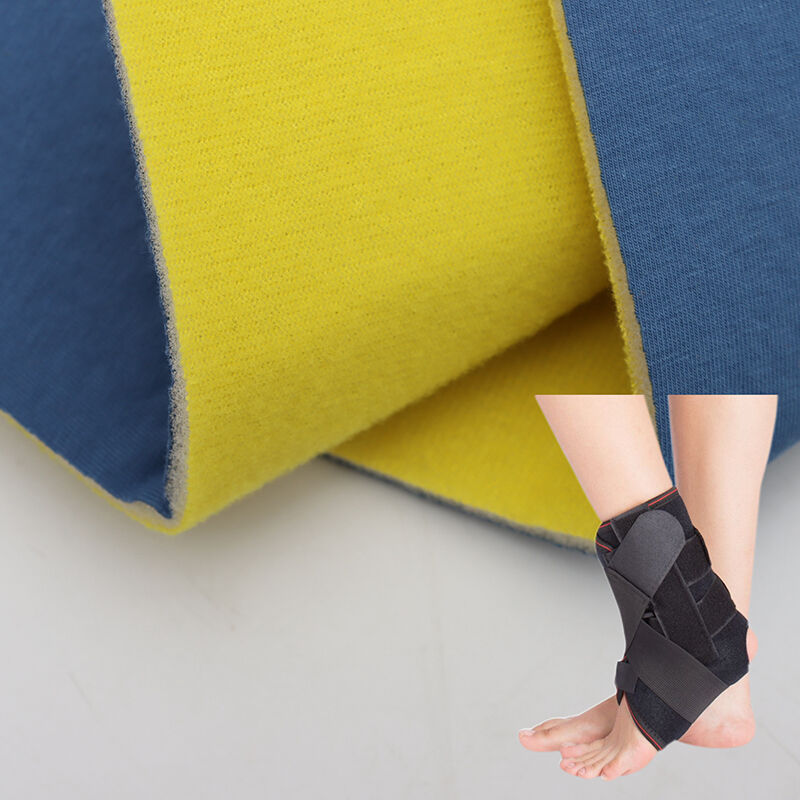
In the rapidly evolving landscape of protective equipment and cushioning applications, fabric foam composite materials have emerged as a revolutionary solution that combines the best properties of multiple materials into a single, high-performance product. These advanced composites are transforming industries ranging from sports equipment to medical devices, offering superior cushioning performance that surpasses traditional single-material solutions. The integration of fabric and foam technologies creates a synergistic effect that enhances durability, comfort, and protective capabilities across diverse applications.
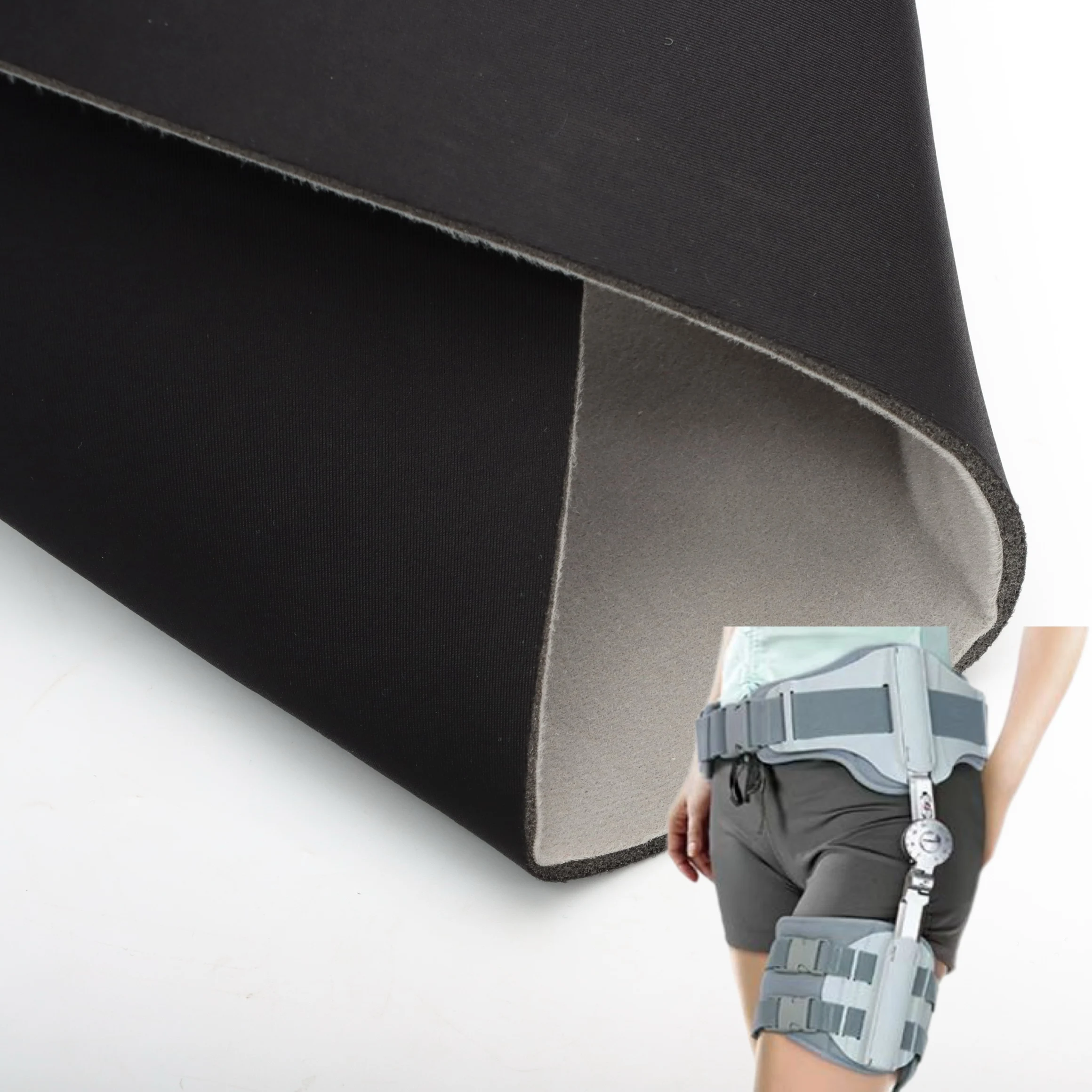
Understanding the Science Behind Fabric Foam Composite Technology
Material Structure and Composition
The fundamental structure of fabric foam composite materials involves the strategic lamination of textile fabrics with foam cores, creating a multi-layered system that optimizes both mechanical properties and user comfort. The foam component typically consists of polyurethane, polyethylene, or specialized cellular materials that provide excellent energy absorption and compression resistance. The fabric layer, often made from nylon, polyester, or advanced synthetic materials, contributes tensile strength, durability, and surface characteristics that enhance the overall performance of the composite.
The bonding process between these materials is crucial to achieving optimal performance characteristics. Advanced adhesive systems and thermal bonding techniques ensure that the fabric and foam components work together as a unified structure rather than separate layers. This integration prevents delamination under stress and maintains consistent cushioning properties throughout the product lifecycle. The result is a material that exhibits superior performance compared to either component used independently.
Energy Absorption Mechanisms
The cushioning performance of fabric foam composite materials relies on sophisticated energy absorption mechanisms that operate at multiple levels within the material structure. When subjected to impact forces, the foam core undergoes controlled compression, dissipating kinetic energy through cellular deformation and air displacement. The fabric layer simultaneously distributes impact forces across a larger surface area, preventing localized stress concentrations that could lead to material failure or user discomfort.
The cellular structure of the foam component plays a critical role in determining the energy absorption characteristics of the composite. Open-cell foams provide excellent breathability and gradual compression, making them ideal for applications requiring sustained comfort. Closed-cell foams offer superior impact resistance and moisture resistance, making them suitable for high-impact protective applications. The fabric layer enhances these properties by providing structural integrity and preventing foam degradation under repeated loading cycles.
Performance Advantages in Protective Applications
Enhanced Impact Distribution
One of the most significant advantages of fabric foam composite construction is its ability to distribute impact forces effectively across the protected surface. Traditional foam materials often exhibit localized compression zones that can create pressure points and reduce overall protective effectiveness. The fabric component in composite materials acts as a stress distribution layer, spreading impact forces over a wider area and reducing peak pressures experienced by the user.
This enhanced impact distribution is particularly valuable in sports protective equipment, where athletes face repeated impacts of varying intensities. The fabric foam composite construction ensures that both minor impacts and major collisions are managed effectively, providing consistent protection throughout the duration of athletic activity. The material's ability to recover quickly from compression also maintains protective properties even after multiple impact events.
Durability and Longevity
The combination of fabric and foam in composite construction significantly enhances the durability and longevity of cushioning materials compared to single-component alternatives. The fabric layer provides abrasion resistance, tear strength, and dimensional stability that protect the foam core from environmental degradation and mechanical damage. This protective function is essential in applications where the cushioning material is exposed to harsh conditions or repeated handling.
The enhanced durability of fabric foam composite materials translates directly into improved cost-effectiveness for end users. Products incorporating these advanced materials maintain their cushioning performance longer, reducing replacement frequency and overall lifecycle costs. This durability advantage is particularly important in professional applications where equipment reliability is critical for both performance and safety considerations.
Customization and Application-Specific Optimization
Tailored Density and Thickness Profiles
Modern fabric foam composite manufacturing techniques allow for precise customization of material properties to meet specific application requirements. Density gradients can be incorporated into the foam component to create zones of varying compression characteristics, optimizing cushioning performance for different areas of a protective device. Variable thickness profiles enable designers to create products that provide enhanced protection in high-risk areas while maintaining comfort and flexibility in regions requiring greater mobility.
The ability to customize these properties during manufacturing eliminates the need for complex multi-component assemblies in many applications. A single fabric foam composite panel can incorporate multiple performance zones, simplifying product design and reducing manufacturing complexity. This customization capability is particularly valuable in medical applications, where patient comfort and therapeutic effectiveness must be carefully balanced with protective requirements.
Surface Treatment and Functional Enhancement
Advanced surface treatment options for fabric foam composite materials enable additional functional enhancements that extend beyond basic cushioning performance. Antimicrobial treatments can be applied to fabric surfaces to prevent bacterial growth and maintain hygiene in medical and sports applications. Moisture-wicking treatments enhance comfort by managing perspiration and preventing the accumulation of moisture within the cushioning system.
Specialized surface textures and patterns can be engineered into the fabric layer to provide grip enhancement, aesthetic appeal, or specific tactile characteristics required for particular applications. These surface modifications can be integrated during the manufacturing process, eliminating the need for secondary operations and ensuring consistent quality and performance across production batches.
Manufacturing Excellence and Quality Control
Advanced Production Techniques
The production of high-quality fabric foam composite materials requires sophisticated manufacturing processes that ensure consistent bonding, uniform density distribution, and precise dimensional control. Modern lamination equipment utilizes computer-controlled heating, pressure, and timing parameters to achieve optimal adhesion between fabric and foam components. Quality monitoring systems track critical process variables in real-time, enabling immediate adjustments to maintain product specifications.
Automated cutting and shaping systems ensure that finished products meet exact dimensional requirements while minimizing material waste. These precision manufacturing capabilities are essential for applications where tight tolerances are required for proper fit and function. The integration of quality control measures throughout the production process ensures that each fabric foam composite product meets or exceeds specified performance criteria.
Testing and Validation Protocols
Comprehensive testing protocols are employed to validate the performance characteristics of fabric foam composite materials across a range of operating conditions. Impact testing simulates real-world loading scenarios to verify energy absorption capabilities and determine appropriate thickness requirements for specific applications. Durability testing subjects materials to repeated loading cycles to assess long-term performance and identify potential failure modes.
Environmental testing evaluates material performance under various temperature, humidity, and chemical exposure conditions that may be encountered in service. These validation protocols ensure that fabric foam composite materials will maintain their protective and comfort characteristics throughout their intended service life, providing reliable performance for end users across diverse applications.
Frequently Asked Questions
What makes fabric foam composite superior to traditional foam padding?
Fabric foam composite materials offer superior performance through the synergistic combination of fabric strength and foam cushioning properties. The fabric layer provides enhanced durability, tear resistance, and impact distribution that traditional foam alone cannot achieve. This combination results in longer-lasting products with more consistent cushioning performance throughout their service life, making them more cost-effective despite potentially higher initial costs.
How do I determine the right thickness and density for my application?
Selecting appropriate thickness and density parameters depends on several factors including the type and intensity of impacts expected, space constraints, and comfort requirements. Generally, higher-impact applications require thicker materials with medium to high density foam cores, while comfort-focused applications benefit from lower density foams with optimized thickness for the available space. Consulting with material specialists and conducting application-specific testing helps ensure optimal performance characteristics.
Can fabric foam composite materials be customized for specific requirements?
Yes, modern manufacturing techniques allow extensive customization of fabric foam composite materials including density gradients, variable thickness profiles, specialized surface treatments, and custom fabric selections. These customization options enable optimization for specific applications ranging from medical devices to sports equipment. Custom colors, patterns, and functional enhancements can also be incorporated to meet aesthetic and performance requirements.
What maintenance is required to preserve cushioning performance?
Fabric foam composite materials typically require minimal maintenance to preserve their cushioning performance. Regular cleaning with appropriate methods based on the fabric type helps maintain hygiene and appearance. Periodic inspection for signs of wear, compression set, or delamination ensures that protective equipment continues to provide adequate safety margins. Proper storage away from extreme temperatures and UV exposure helps extend material life and maintain performance characteristics.