EN
EN



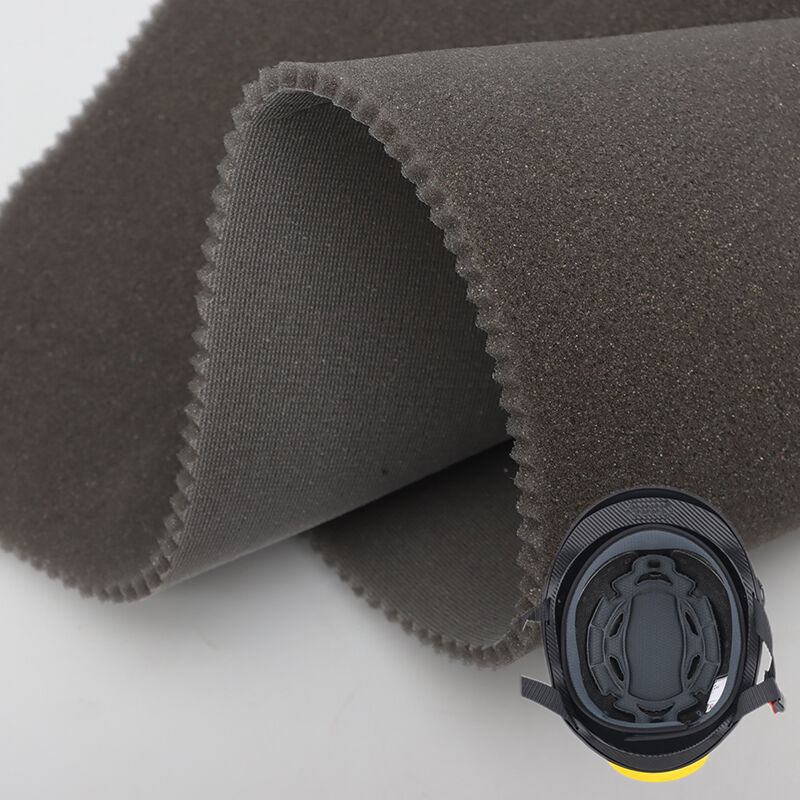
When selecting materials for outdoor gear, camping equipment, or industrial applications, choosing the right laminated fabric becomes crucial for ensuring durability, weather resistance, and long-term performance. Laminated fabrics combine multiple layers of materials to create superior protection against moisture, wind, and wear while maintaining flexibility and comfort. Understanding the key factors that influence fabric selection can help manufacturers, retailers, and end-users make informed decisions that meet their specific requirements and budget constraints.
Understanding Laminated Fabric Construction and Technology
Multi-Layer Composition Benefits
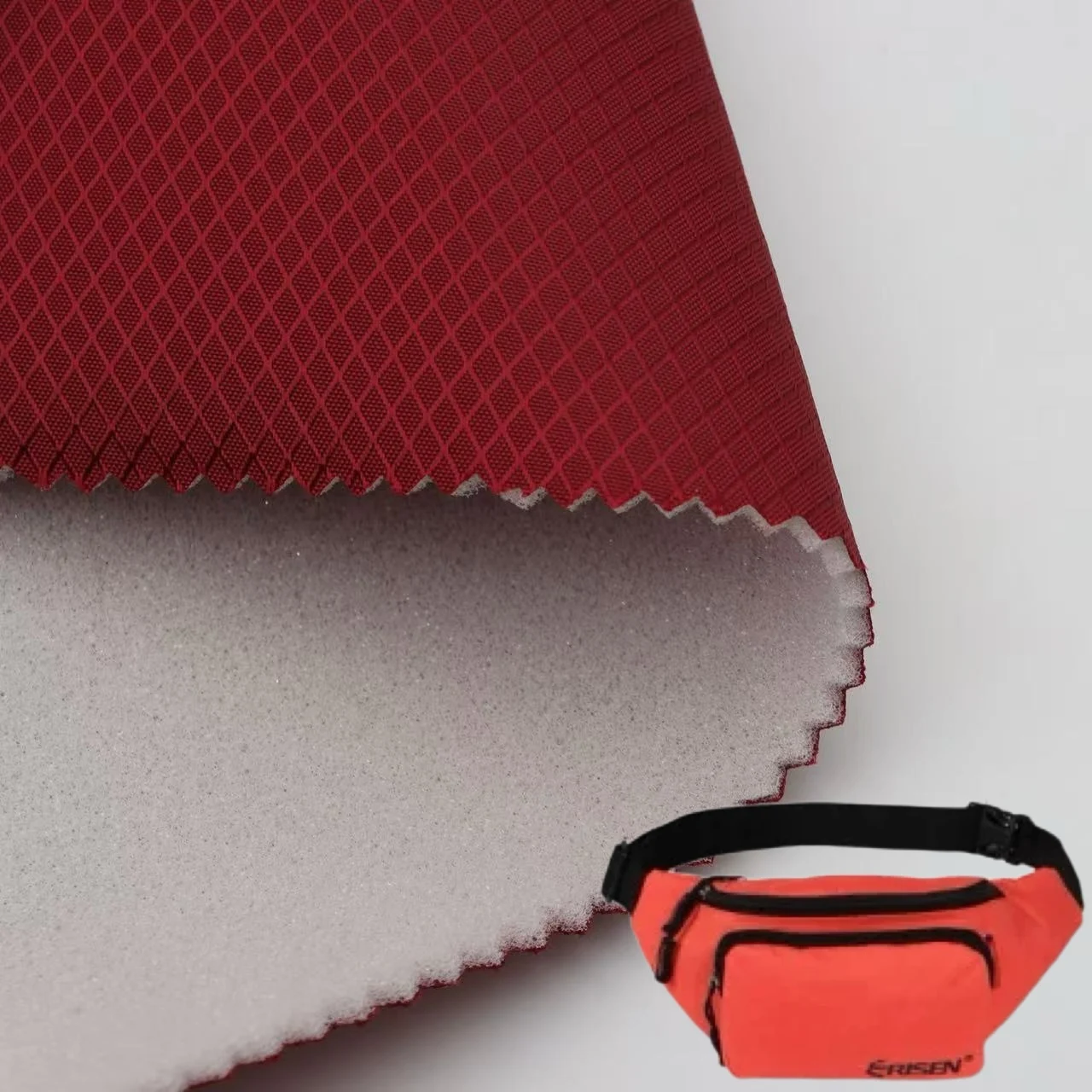
Laminated fabric construction involves bonding different materials together to create a composite material with enhanced properties. The typical structure includes a base fabric layer, an adhesive or bonding agent, and a protective coating or membrane. This multi-layer approach allows manufacturers to combine the best characteristics of different materials while minimizing their individual weaknesses. The base fabric provides structural integrity and tear resistance, while the laminated coating delivers waterproofing, chemical resistance, or other specialized properties.
The bonding process used in creating laminated fabric directly impacts the final product's performance and longevity. Heat-activated adhesives create strong, permanent bonds that resist delamination under stress or temperature fluctuations. Solvent-based bonding systems offer excellent chemical resistance but may require special handling during manufacturing. Understanding these construction methods helps buyers evaluate the quality and suitability of different laminated fabric options for their intended applications.
Material Selection for Base Fabrics
The choice of base fabric significantly influences the overall performance characteristics of the final laminated product. Oxford cloth, canvas, nylon, and polyester each offer distinct advantages depending on the application requirements. Oxford cloth provides excellent durability and tear resistance, making it ideal for heavy-duty applications like luggage and automotive interiors. Canvas offers superior strength and dimensional stability, while synthetic materials like nylon and polyester deliver lightweight performance with good chemical resistance.
Fabric weight and weave pattern also play crucial roles in determining the laminated fabric's suitability for specific uses. Heavier base fabrics provide better puncture resistance and structural integrity but may compromise flexibility and packability. Tighter weave patterns enhance water resistance and reduce the risk of coating penetration, while looser weaves allow better breathability and flexibility. Balancing these factors requires careful consideration of the primary performance requirements for each application.
Waterproofing and Weather Resistance Properties
Hydrostatic Head Ratings and Performance Standards
Evaluating the waterproof performance of laminated fabric requires understanding hydrostatic head ratings and industry testing standards. Hydrostatic head measurements indicate the water pressure a fabric can withstand before water penetration occurs. Higher ratings indicate superior waterproof performance, with ratings above 10,000mm considered highly waterproof for most outdoor applications. However, the testing conditions and methodology can vary between manufacturers, making direct comparisons challenging without standardized testing protocols.
Beyond initial waterproof ratings, long-term performance under real-world conditions becomes equally important. Repeated flexing, temperature cycling, and UV exposure can degrade the laminated coating over time, reducing its waterproof effectiveness. Quality laminated fabrics incorporate UV stabilizers and flexible coating formulations that maintain their integrity under prolonged exposure to harsh environmental conditions. Testing for accelerated aging and durability helps predict long-term performance and service life expectations.
Breathability and Moisture Management
While waterproofing prevents external moisture from entering, breathability allows internal moisture vapor to escape, preventing condensation buildup inside enclosed spaces. The balance between waterproofing and breathability represents a critical design consideration for many applications. Microporous coatings create tiny pores that allow vapor molecules to pass through while blocking larger water droplets. Hydrophilic coatings absorb moisture vapor and transport it through the coating structure via molecular diffusion.
Moisture vapor transmission rates quantify breathability performance, typically measured in grams per square meter per 24-hour period. Higher MVTR values indicate better breathability, which becomes particularly important for applications involving human comfort or preventing moisture accumulation. However, increasing breathability often requires trade-offs with waterproof performance, requiring careful optimization based on the specific use case requirements and environmental conditions.
Chemical Resistance and Specialized Coatings
Industrial Chemical Compatibility
Industrial applications often require laminated fabric materials that resist chemical degradation from oils, solvents, acids, or other harsh substances. Different coating materials provide varying levels of chemical resistance, with polyurethane coatings offering good general-purpose protection and specialized fluoropolymer coatings delivering superior resistance to aggressive chemicals. Understanding the specific chemical exposure risks helps determine the appropriate coating system for each application.
Chemical resistance testing involves exposing fabric samples to specific chemicals under controlled conditions and evaluating changes in physical properties, appearance, and performance. Standardized test methods provide comparable results across different materials and suppliers. However, real-world chemical exposure often involves multiple substances, temperature variations, and extended contact times that may differ significantly from laboratory test conditions. Consulting with coating specialists and reviewing field performance data helps ensure appropriate material selection for challenging chemical environments.
Fire Retardancy and Safety Requirements
Many applications require laminated fabric materials that meet specific fire safety standards and regulations. Fire-retardant treatments can be applied during the coating process or incorporated into the base fabric fibers. These treatments work by releasing flame-suppressing gases when heated, forming protective char layers, or diluting combustible gases. The choice between inherently flame-resistant fibers and topical treatments depends on durability requirements, cost considerations, and specific performance standards.
Fire safety testing evaluates ignition resistance, flame spread rates, heat release properties, and toxic gas generation. Different industries and applications require compliance with specific standards, such as NFPA, ASTM, or international equivalents. Understanding these requirements early in the selection process ensures that chosen materials will meet regulatory compliance and safety performance expectations throughout their service life.
Durability and Mechanical Performance Factors
Abrasion Resistance and Wear Characteristics
Laminated fabric durability depends heavily on its resistance to abrasion, tearing, and repeated stress cycles. Abrasion testing using standardized methods like the Martindale or Taber abraser provides quantitative data on wear resistance. However, real-world wear patterns often differ from laboratory test conditions, making field testing and application-specific evaluation important for accurate performance prediction. The interaction between the base fabric and laminated coating affects overall abrasion resistance, with some combinations providing synergistic improvements in durability.
Surface texture and coating hardness influence both abrasion resistance and tactile properties. Smoother surfaces may offer better cleanability and reduced dirt retention but could provide less grip or tactile feedback. Textured surfaces enhance grip and hiding minor surface damage but may be more difficult to clean and maintain. Optimizing surface characteristics requires balancing durability requirements with functional and aesthetic considerations specific to each application.
Flexibility and Cold Temperature Performance
Maintaining flexibility across a wide temperature range becomes crucial for outdoor and automotive applications where materials experience seasonal temperature variations. Low-temperature brittleness can cause coating cracking or delamination, while excessive softening at high temperatures may compromise dimensional stability and performance. Plasticizer selection and coating formulation significantly influence temperature performance characteristics.
Flex testing evaluates material behavior under repeated bending and folding stresses at various temperatures. This testing helps predict performance in applications involving frequent handling, packing, or movement. Understanding the relationship between temperature, flexibility, and durability enables better material selection for applications with demanding environmental requirements or critical performance specifications.
Color Stability and Aesthetic Considerations
UV Resistance and Fade Prevention
Prolonged exposure to ultraviolet radiation can cause significant color fading and polymer degradation in laminated fabric materials. UV stabilizers and light-fast pigments help maintain color integrity and extend service life in outdoor applications. However, the effectiveness of these additives varies depending on the specific chemistry, concentration, and application method used during manufacturing.
Accelerated weathering tests using xenon arc or UV fluorescent lamps simulate years of outdoor exposure in shortened timeframes. These tests evaluate color change, gloss retention, and physical property degradation under controlled conditions. While laboratory testing provides valuable comparative data, actual outdoor exposure testing in relevant geographic locations offers the most accurate prediction of long-term appearance and performance characteristics.
Surface Treatments and Easy-Care Properties
Surface treatments can enhance laminated fabric performance by providing additional functionality like stain resistance, antimicrobial properties, or improved cleanability. Fluorochemical treatments create hydrophobic and oleophobic surfaces that repel both water and oil-based stains. However, environmental concerns have led to the development of alternative chemistries that provide similar performance with reduced environmental impact.
Maintenance requirements and cleaning procedures significantly influence the total cost of ownership for laminated fabric products. Materials that resist soiling and allow effective cleaning with mild detergents reduce maintenance costs and extend useful service life. Understanding the compatibility between surface treatments, cleaning chemicals, and maintenance procedures helps ensure long-term performance and appearance retention.
Application-Specific Selection Criteria
Camping and Outdoor Gear Requirements
Camping equipment demands laminated fabric materials that balance waterproofing, breathability, weight, and packability. Tent fabrics must withstand wind loading, puncture resistance, and UV exposure while maintaining waterproof integrity. Sleeping bag and clothing applications prioritize breathability and flexibility while providing weather protection. The specific performance requirements vary significantly between ultralight backpacking gear and heavy-duty expedition equipment.
Seam construction and joining methods significantly influence the overall performance of outdoor gear made from laminated fabric. Welded or taped seams provide superior waterproof integrity compared to sewn seams but may require specialized manufacturing equipment and techniques. Understanding the relationship between fabric properties, construction methods, and end-use performance helps optimize material selection for specific outdoor applications.
Automotive and Transportation Applications
Automotive interior applications require laminated fabric materials that meet strict safety, durability, and aesthetic standards. Resistance to temperature extremes, UV exposure, and chemical contact from cleaning products becomes essential for maintaining appearance and performance throughout the vehicle's service life. Flame retardancy requirements vary by application and geographic market, requiring careful attention to regulatory compliance.
Automotive testing standards evaluate properties like light fastness, abrasion resistance, seam strength, and flammability using specific test methods developed for the transportation industry. These standards often exceed general textile testing requirements and may include specialized evaluations for fogging, odor emission, and long-term heat aging. Understanding these requirements ensures that selected materials will perform satisfactorily throughout the demanding automotive service environment.
Cost Considerations and Value Engineering
Total Cost of Ownership Analysis
Evaluating laminated fabric options requires considering the total cost of ownership rather than just initial material costs. Higher-performance materials with superior durability may justify premium pricing through extended service life, reduced maintenance requirements, and improved end-user satisfaction. Conversely, applications with shorter service life expectations may benefit from more economical material choices that provide adequate performance at lower cost.
Manufacturing considerations including cutting efficiency, sewing characteristics, and waste factors influence the overall material costs in finished products. Some laminated fabric constructions may require specialized handling or processing techniques that add manufacturing complexity and cost. Evaluating these factors during the material selection process helps optimize both material performance and manufacturing efficiency.
Supply Chain and Quality Consistency
Reliable supply chain partnerships become crucial for maintaining consistent quality and delivery performance in laminated fabric procurement. Supplier capabilities for quality control, testing, and technical support significantly influence long-term success with specific materials. Understanding supplier manufacturing processes, quality systems, and technical capabilities helps ensure consistent material performance and reliable supply availability.
Global supply chain considerations including shipping costs, lead times, and currency fluctuations can significantly impact total material costs. Local sourcing may offer advantages in reduced transportation costs and shorter lead times but may limit available material options or technical capabilities. Balancing these factors requires careful evaluation of total supply chain costs and risks for each specific application and market situation.
FAQ
What is the difference between laminated and coated fabrics?
Laminated fabrics involve bonding separate layers of materials together using adhesives or heat, creating a multi-layer composite structure. Coated fabrics apply liquid coatings directly to the base fabric surface, creating a unified structure. Laminated constructions typically offer better delamination resistance and allow the use of specialized membrane materials, while coated fabrics may provide more economical solutions for many applications.
How do I determine the appropriate waterproof rating for my application?
Waterproof rating requirements depend on the expected water pressure exposure in your specific application. Light rain protection requires ratings around 1,000-3,000mm, moderate rain protection needs 3,000-8,000mm, and heavy rain or high-pressure applications require 8,000mm or higher ratings. Consider both initial performance requirements and long-term durability expectations when selecting appropriate waterproof ratings.
Can laminated fabrics be recycled or disposed of environmentally?
Recycling options for laminated fabrics depend on the specific materials and construction methods used. Some single-polymer constructions can be mechanically recycled, while multi-material laminates may require specialized separation processes. Many manufacturers are developing more sustainable alternatives using bio-based materials or improved end-of-life processing options. Consulting with material suppliers about environmental impact and disposal options helps support sustainable material choices.
What maintenance procedures help extend laminated fabric service life?
Proper maintenance includes regular cleaning with appropriate mild detergents, avoiding harsh chemicals or solvents that may damage coatings, and protecting from excessive UV exposure when possible. Proper storage in clean, dry conditions prevents mold and degradation during periods of non-use. Following manufacturer-specific care instructions and avoiding excessive mechanical stress helps maintain coating integrity and extends useful service life significantly.
Table of Contents
- Understanding Laminated Fabric Construction and Technology
- Waterproofing and Weather Resistance Properties
- Chemical Resistance and Specialized Coatings
- Durability and Mechanical Performance Factors
- Color Stability and Aesthetic Considerations
- Application-Specific Selection Criteria
- Cost Considerations and Value Engineering
- FAQ