EN
EN



Understanding the Science Behind Modern Medical Textiles
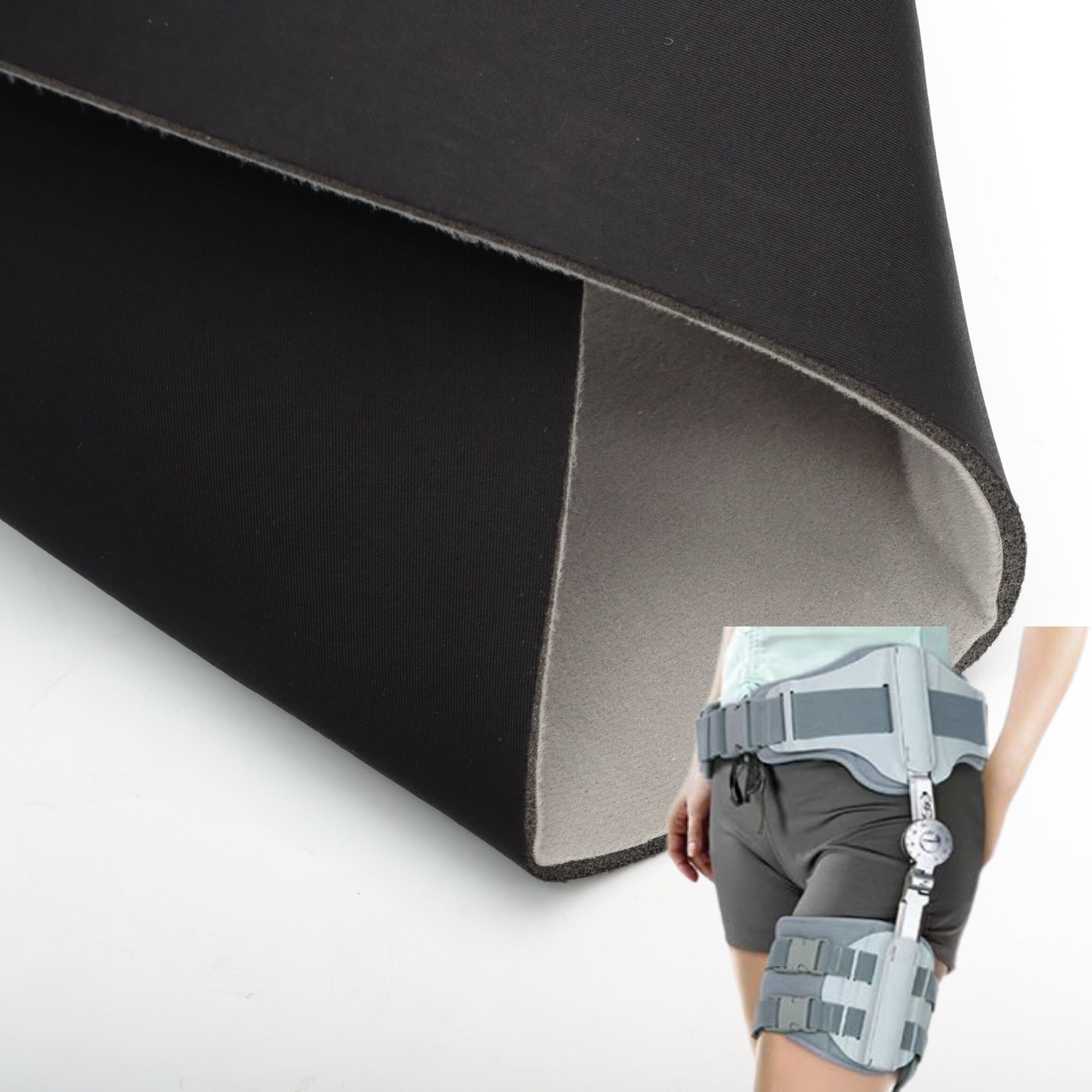
Medical fabric has revolutionized the healthcare industry by providing essential protection and comfort for both patients and healthcare professionals. These specialized textiles combine advanced manufacturing processes with cutting-edge materials science to create surfaces that are not only safe for skin contact but also serve crucial medical functions. From hospital gowns to surgical drapes, the development of these materials represents a critical intersection of textile engineering and medical science.
Modern medical fabric applications extend far beyond simple clothing or coverings. These innovative materials are engineered to maintain sterility, prevent cross-contamination, and provide optimal patient comfort while meeting stringent healthcare regulations. The evolution of these textiles has led to significant improvements in medical care delivery and patient outcomes.
Essential Properties of Medical-Grade Textiles
Advanced Antimicrobial Features
At the core of medical fabric development lies its antimicrobial properties. These textiles are treated with specialized compounds that actively resist the growth of harmful microorganisms. Silver ions, quaternary ammonium compounds, and other antimicrobial agents are permanently bonded to the fabric fibers, creating a persistent protective barrier against bacteria, fungi, and other pathogens.
The effectiveness of these antimicrobial treatments is maintained through numerous washing cycles, ensuring long-term protection. This durability is crucial in healthcare settings where textiles must withstand frequent laundering while maintaining their protective properties.
Moisture Management and Breathability
Medical fabric must strike a delicate balance between protection and comfort. Advanced moisture-wicking technologies ensure that perspiration is quickly moved away from the skin, while the fabric's structure allows for adequate air circulation. This combination prevents the uncomfortable buildup of moisture that could lead to skin irritation or compromise the fabric's protective functions.
The latest innovations in medical textiles incorporate specialized fiber structures that create micro-channels for enhanced airflow while maintaining necessary barrier properties. This sophisticated engineering ensures optimal thermal regulation and comfort for extended wearing periods.
Manufacturing Standards and Safety Protocols
Rigorous Testing Procedures
The production of medical fabric involves extensive testing at every stage of manufacturing. Each batch undergoes thorough evaluation for tensile strength, tear resistance, and chemical stability. These tests ensure that the materials can withstand the demanding conditions of medical use while maintaining their protective properties.
Quality control measures include assessments for cytotoxicity, skin sensitization, and irritation potential. Only materials that pass these stringent evaluations are approved for medical use, guaranteeing the highest safety standards for patients and healthcare workers.
Compliance with International Standards
Medical textiles must adhere to strict international regulations and standards. Organizations like the FDA and ISO establish specific requirements for medical fabric production, including guidelines for chemical composition, manufacturing processes, and performance characteristics.
These standards ensure consistency in quality and safety across different manufacturers and applications. Regular audits and certifications maintain compliance and drive continuous improvement in medical textile production.
Biocompatibility and Skin Safety Considerations
Hypoallergenic Properties
The development of hypoallergenic medical fabric involves careful selection of raw materials and processing methods. Manufacturers eliminate common allergens and irritants during production, creating textiles that minimize the risk of adverse skin reactions.
Advanced testing methods verify the hypoallergenic properties of these materials, ensuring they are suitable for use with sensitive skin and in prolonged contact situations. This attention to biocompatibility is essential for patient comfort and safety.
Surface Treatment Technologies
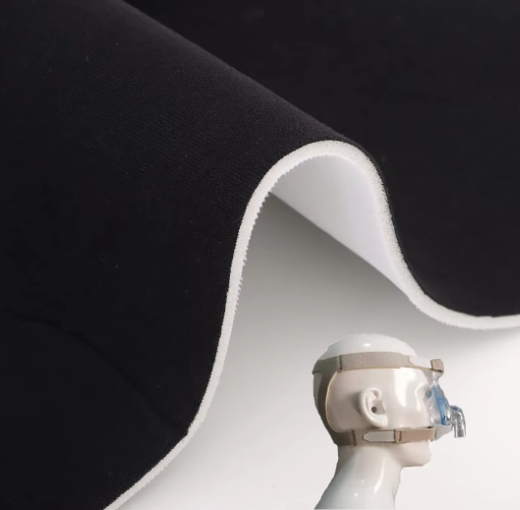
Modern medical fabrics undergo sophisticated surface treatments to enhance their skin-friendly properties. These treatments can include plasma modification, enzyme processing, or application of specialized coatings that improve comfort while maintaining protective functions.
The surface characteristics of medical fabric are engineered to minimize friction and maximize comfort, reducing the risk of pressure points or skin irritation during extended use. These modifications also help maintain the fabric's effectiveness in challenging medical environments.
Environmental Impact and Sustainability
Eco-Friendly Production Methods
The medical textile industry is increasingly adopting sustainable manufacturing practices. New technologies enable the production of medical fabric using reduced water consumption and energy-efficient processes. These improvements maintain product quality while minimizing environmental impact.
Manufacturers are also exploring biodegradable alternatives and recycling programs for medical textiles, balancing the need for safety and effectiveness with environmental responsibility. These initiatives represent a growing commitment to sustainable healthcare solutions.
Lifecycle Management
Careful consideration is given to the entire lifecycle of medical fabric products. From raw material selection to disposal protocols, manufacturers implement strategies to reduce waste and environmental impact while maintaining the highest safety standards.
Advanced recycling technologies are being developed specifically for medical textiles, allowing for the recovery and reprocessing of materials while ensuring complete decontamination and safety.
Frequently Asked Questions
How Often Should Medical Fabric Items Be Replaced?
Medical fabric items should be replaced based on their specific use case and wear patterns. Generally, items used in direct patient care should be inspected regularly for signs of wear and replaced when they show any deterioration in their protective properties. For frequently used items, replacement might be necessary every 50-75 washing cycles or sooner if visible damage occurs.
Can Medical Fabric Be Safely Sterilized Multiple Times?
High-quality medical fabric is designed to withstand multiple sterilization cycles while maintaining its protective properties. However, the specific number of cycles depends on the sterilization method and the fabric's composition. Most medical textiles can undergo 15-20 standard sterilization cycles before requiring replacement, provided they are processed according to manufacturer guidelines.
What Makes Medical Fabric Different from Regular Fabric?
Medical fabric is specifically engineered with properties that regular fabrics don't possess, including antimicrobial treatments, enhanced durability, and specific barrier properties against fluids and microorganisms. These textiles undergo rigorous testing and certification processes to ensure they meet medical-grade standards for safety and performance, unlike standard commercial fabrics.