EN
EN



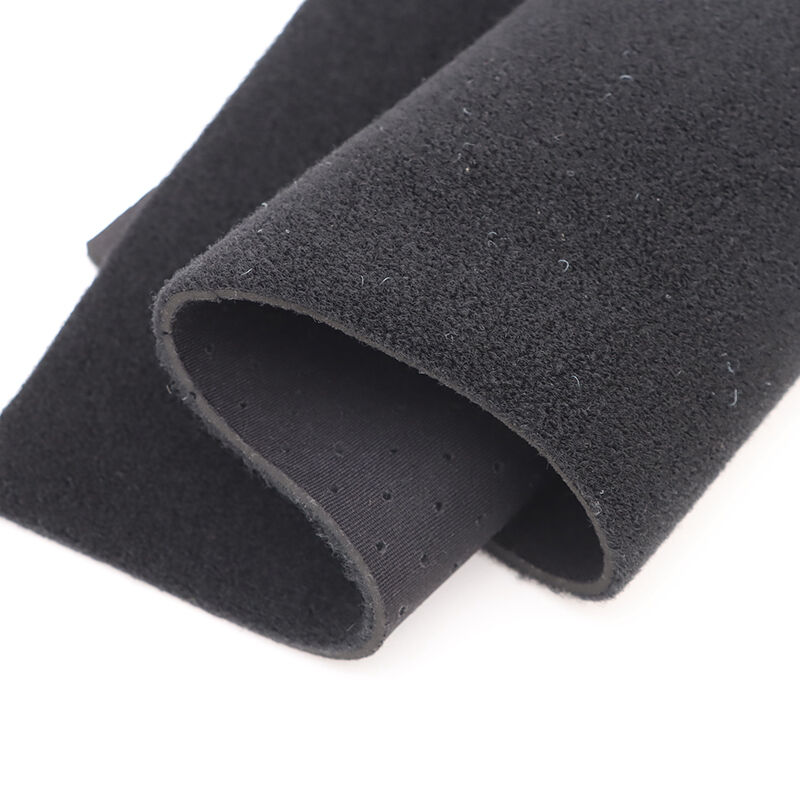
The manufacturing landscape has witnessed a remarkable transformation with the widespread adoption of advanced material technologies. Among these innovations, fabric foam composite materials have emerged as versatile solutions that bridge the gap between traditional textiles and modern engineering requirements. These sophisticated materials combine the flexibility and comfort of fabric with the protective and insulating properties of foam, creating hybrid solutions that serve multiple industries with exceptional performance characteristics. Understanding the diverse applications of these composite materials reveals their critical role in modern manufacturing and product development across various sectors.
Automotive Industry Applications
Interior Component Manufacturing
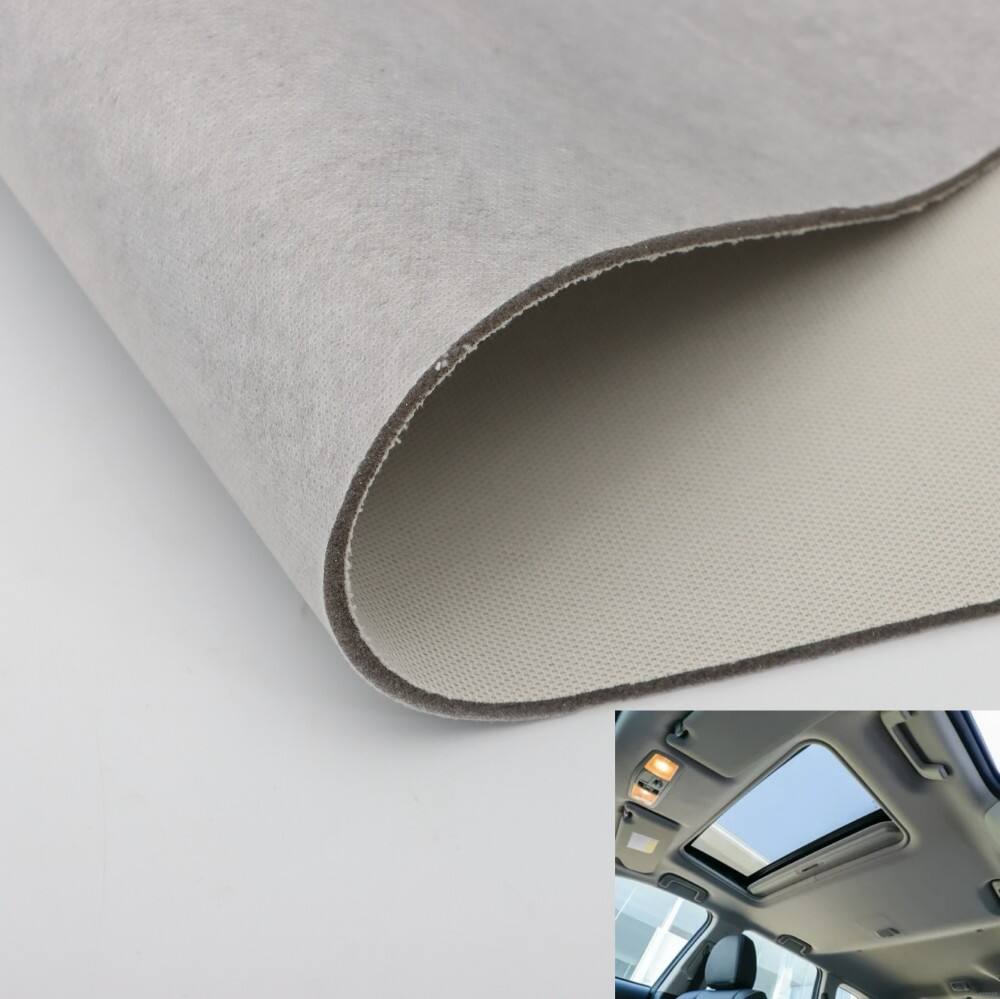
The automotive sector represents one of the largest consumers of fabric foam composite materials, particularly in interior applications where comfort, safety, and aesthetic appeal converge. Dashboard covers, door panels, and headliners frequently incorporate these materials to provide both visual appeal and functional benefits. The composite structure allows manufacturers to achieve the soft-touch feel that consumers expect while maintaining the durability required for automotive environments. Additionally, these materials contribute to noise reduction within the vehicle cabin, enhancing the overall driving experience through improved acoustic properties.
Seat manufacturing has particularly benefited from advancements in fabric foam composites, where the materials provide essential cushioning while maintaining breathability and moisture management. The multi-layer construction enables automotive designers to create seating systems that adapt to various body types and usage patterns. Modern vehicles increasingly rely on these composites for their ability to meet stringent safety standards while providing the comfort and luxury features that distinguish premium automotive brands in competitive markets.
Safety and Protection Systems
Beyond comfort applications, fabric foam composite materials play crucial roles in automotive safety systems. Side impact protection panels and energy-absorbing structures within door frames utilize these materials to manage crash forces while maintaining passenger compartment integrity. The composite nature allows engineers to tune the material properties for specific energy absorption requirements, creating graduated response systems that protect occupants during various collision scenarios. These applications demonstrate the material's versatility in addressing both routine comfort needs and critical safety functions within modern vehicle design.
Sound dampening applications throughout the vehicle structure also rely heavily on fabric foam composites. Engine bay insulation, wheel well liners, and underhood components benefit from the materials' ability to absorb vibrations and reduce noise transmission. The fabric outer layer provides weather resistance and durability, while the foam core delivers the acoustic performance necessary for creating quieter vehicle cabins that meet increasingly demanding consumer expectations for refined driving experiences.
Medical and Healthcare Applications
Orthopedic and Rehabilitation Equipment
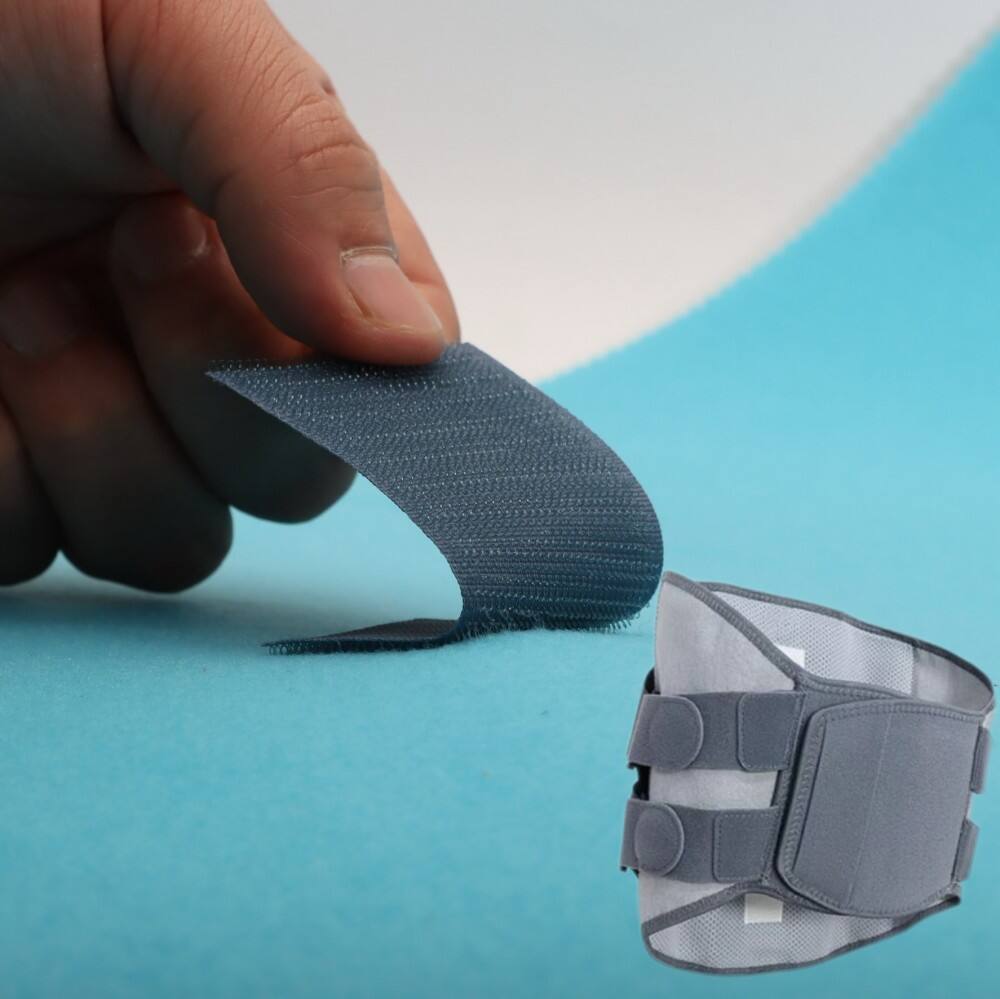
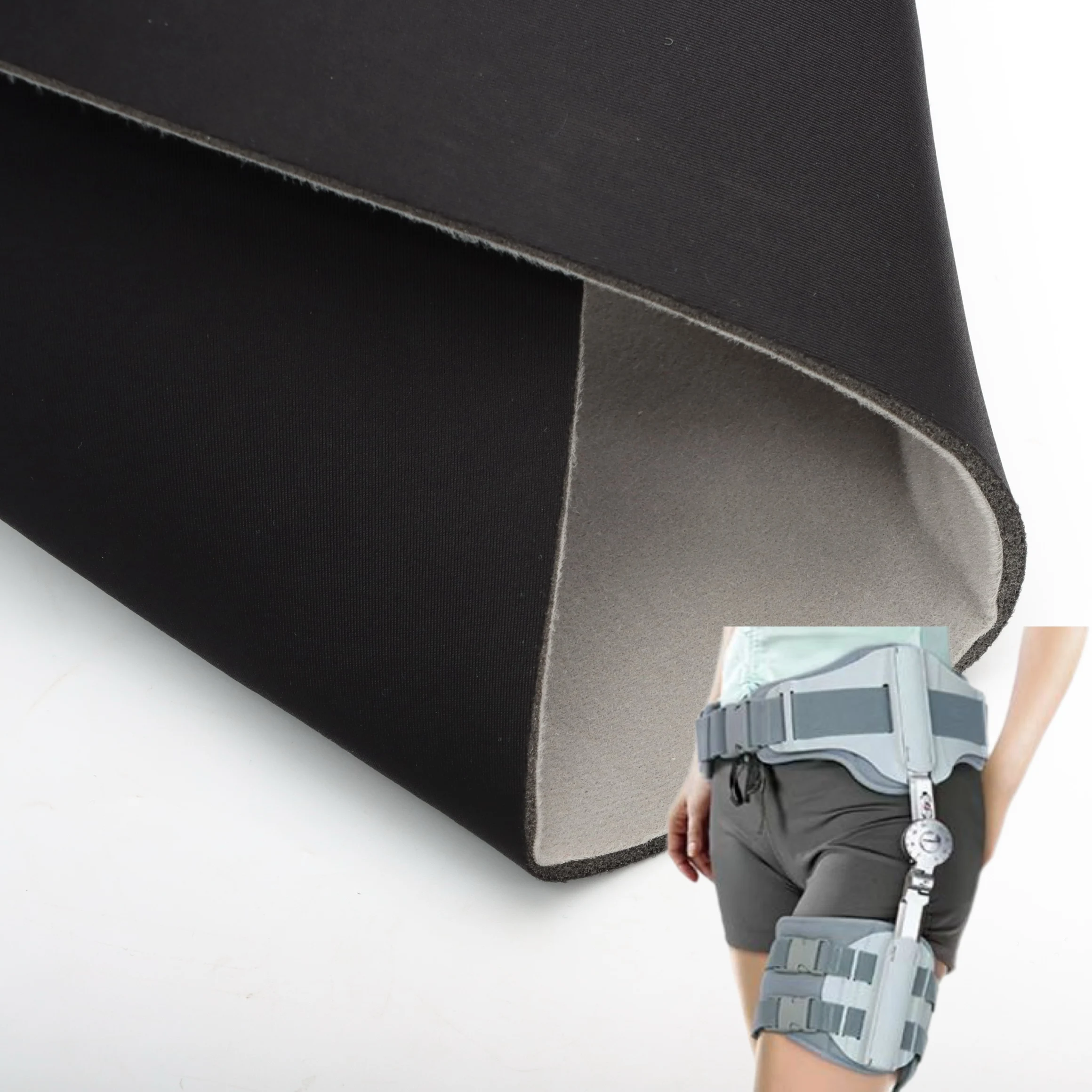
The healthcare industry has embraced fabric foam composite materials for their unique combination of support, comfort, and hygiene properties. Orthopedic braces, supports, and rehabilitation equipment frequently incorporate these materials to provide therapeutic benefits while ensuring patient comfort during extended wear periods. The breathable fabric outer layer allows for proper ventilation, reducing skin irritation and moisture buildup that can compromise treatment effectiveness. Meanwhile, the foam core delivers the necessary support and pressure distribution required for proper healing and injury prevention.
Wheelchair cushions and mobility aid padding represent another significant application area where these composites excel. The materials' ability to maintain their shape while providing pressure relief makes them ideal for users who spend extended periods in seated positions. The composite construction allows for customization of firmness levels and support characteristics, enabling healthcare providers to specify materials that address individual patient needs while maintaining the durability required for daily use in demanding healthcare environments.
Medical Device Integration
Modern medical devices increasingly incorporate fabric foam composites in patient-contact applications where comfort and functionality must coexist. Imaging equipment padding, examination table surfaces, and therapeutic device interfaces utilize these materials to enhance patient experience while maintaining the cleanliness and durability standards required in medical environments. The materials can be engineered with antimicrobial properties and easy-clean surfaces that support infection control protocols while providing the comfort necessary for patient compliance and treatment effectiveness.
Prosthetic device applications have also benefited significantly from advances in fabric foam composite technology. Interface materials between prosthetic devices and residual limbs require careful balance of cushioning, moisture management, and durability. The composite structure allows prosthetists to create custom solutions that address individual patient needs while maintaining the performance characteristics necessary for active lifestyles. These applications highlight the material's ability to serve critical functions in improving quality of life for users with complex medical needs.
Sports and Recreation Industry
Protective Equipment Manufacturing
The sports industry relies extensively on fabric foam composite materials for protective equipment that must balance safety with performance and comfort. Hockey padding, football shoulder pads, and cycling protective gear utilize these materials to create multi-layered protection systems that absorb impact energy while maintaining flexibility for athletic movement. The composite structure allows equipment designers to optimize protection levels for specific sports while minimizing weight and bulk that could impede athletic performance. Modern protective equipment increasingly depends on these materials to meet evolving safety standards while supporting the high-performance demands of competitive athletics.
Helmet padding represents a particularly critical application where fabric foam composites contribute to both comfort and safety outcomes. The materials' ability to conform to individual head shapes while maintaining consistent protection properties makes them essential components in modern helmet design. The fabric outer layer provides moisture management and comfort, while the foam core delivers the impact absorption necessary for protecting against traumatic brain injuries. These applications demonstrate the material's role in advancing sports safety technology while maintaining the comfort characteristics that encourage proper equipment usage.
Athletic Equipment and Accessories
Beyond protective applications, fabric foam composites serve numerous functions in general athletic equipment and accessories. Exercise mats, training pads, and gym equipment upholstery benefit from the materials' durability and comfort properties. The composite construction provides the cushioning necessary for floor exercises while maintaining stability for weight training applications. The fabric outer layer offers grip characteristics and easy maintenance, while the foam core delivers consistent performance across varying temperature and humidity conditions typical in athletic facilities.
Water sports equipment has also embraced these composite materials for their unique combination of buoyancy, comfort, and durability. Wetsuit accessories, life jacket padding, and marine equipment cushioning utilize fabric foam composites to enhance user experience while maintaining safety performance. The materials' resistance to moisture and ability to maintain properties in marine environments makes them valuable components in equipment designed for demanding aquatic applications where reliability and comfort are equally important.
Electronics and Technology Sector
Device Protection and Packaging
The electronics industry has discovered numerous applications for fabric foam composite materials in device protection and user interface applications. Tablet cases, laptop sleeves, and smartphone accessories frequently incorporate these materials to provide drop protection while maintaining slim profiles that appeal to technology users. The composite structure allows manufacturers to create protective solutions that absorb impact energy while distributing forces across larger areas, reducing the risk of device damage during daily use. The fabric outer layer provides aesthetic appeal and tactile comfort, while the foam core delivers the protection performance necessary for expensive electronic devices.
Server room and data center applications utilize fabric foam composites for acoustic management and equipment protection. Sound dampening panels and vibration isolation materials help maintain optimal operating environments for sensitive electronic equipment. The materials' ability to maintain performance characteristics across wide temperature ranges makes them suitable for the demanding thermal environments typical in technology infrastructure applications. These uses highlight the material's versatility in supporting both consumer electronics and critical infrastructure applications.
Ergonomic Interface Design
Computer accessories and ergonomic devices increasingly rely on fabric foam composites to create user interfaces that support extended use periods. Keyboard wrist rests, mouse pads, and monitor stands utilize these materials to provide comfort while maintaining the durability required for daily office use. The composite construction allows designers to optimize firmness levels and surface characteristics for specific applications while ensuring consistent performance over extended use periods. The materials contribute to workplace ergonomics by reducing strain and fatigue associated with repetitive computer use.
Gaming peripherals represent another growing application area where fabric foam composites enhance user experience. Gaming chairs, controller grips, and headphone padding utilize these materials to provide comfort during extended gaming sessions while maintaining the durability required for intensive use. The materials' ability to maintain their properties while providing consistent comfort makes them valuable components in products designed for enthusiast and professional gaming applications where performance and comfort directly impact user satisfaction.
Furniture and Interior Design Applications
Commercial Furniture Solutions
The furniture industry has embraced fabric foam composite materials for their ability to provide comfort while meeting the durability requirements of commercial applications. Office chairs, reception seating, and conference room furniture utilize these materials to create seating solutions that maintain their appearance and comfort properties despite heavy daily use. The composite structure allows furniture manufacturers to engineer specific firmness levels and support characteristics while ensuring consistent performance across varying environmental conditions typical in commercial buildings.
Restaurant and hospitality furniture applications particularly benefit from the materials' resistance to moisture and easy maintenance characteristics. Booth seating, bar stools, and lounge furniture incorporate fabric foam composites to provide guest comfort while maintaining the hygiene standards required in food service environments. The materials can be specified with stain-resistant and antimicrobial properties that support cleaning protocols while maintaining the aesthetic appeal necessary for creating inviting dining and hospitality environments.
Residential Comfort Applications
Home furniture applications have also adopted fabric foam composites for their ability to combine comfort with long-term durability. Mattress toppers, pillow cores, and cushion inserts utilize these materials to enhance sleeping and seating comfort while maintaining their supportive properties over extended periods. The composite construction allows manufacturers to create products that address varying comfort preferences while ensuring consistent performance that justifies consumer investment in quality home furnishings.
Acoustic treatment applications in residential settings utilize fabric foam composites for their sound absorption properties combined with aesthetic appeal. Home theater acoustic panels, recording studio treatments, and noise reduction solutions benefit from the materials' ability to manage sound while maintaining visual appeal appropriate for living spaces. These applications demonstrate the material's versatility in addressing functional needs while supporting interior design objectives that enhance living environments.
FAQ
What makes fabric foam composite materials suitable for multiple industries
Fabric foam composite materials offer a unique combination of properties that make them adaptable to diverse industrial applications. The multi-layer structure provides flexibility in engineering specific characteristics such as firmness, breathability, moisture resistance, and durability while maintaining cost-effectiveness. The fabric outer layer can be customized for specific aesthetic, tactile, or performance requirements, while the foam core delivers consistent structural and comfort properties. This versatility allows manufacturers across different industries to specify materials that meet their unique requirements without compromising on quality or performance.
How do fabric foam composites contribute to product safety and performance
These composite materials enhance safety and performance through their energy absorption capabilities, pressure distribution properties, and consistent performance characteristics. In protective equipment applications, the materials absorb and distribute impact forces, reducing injury risk. In comfort applications, they provide pressure relief and support that prevents fatigue and injury during extended use. The materials maintain their properties across varying environmental conditions, ensuring reliable performance in critical applications. Additionally, the composite structure allows for customization of safety and performance characteristics to meet specific regulatory requirements or performance standards.
What environmental and maintenance advantages do these materials offer
Fabric foam composite materials provide several environmental and maintenance advantages that contribute to their widespread adoption. The materials can be engineered for extended service life, reducing replacement frequency and associated waste. Many composites can be manufactured with recycled content or designed for end-of-life recyclability. The fabric outer layer often provides stain resistance and easy cleaning properties that reduce maintenance requirements and extend product life. Some formulations include antimicrobial treatments that support hygiene requirements while reducing the need for frequent deep cleaning or replacement in demanding applications.
How do manufacturers customize these materials for specific applications
Customization of fabric foam composite materials involves careful selection of fabric types, foam densities, adhesive systems, and additional treatments to meet specific application requirements. Manufacturers can vary fabric characteristics such as texture, breathability, moisture resistance, and aesthetic properties while adjusting foam properties like density, firmness, and resilience. Specialized treatments can add features such as flame resistance, antimicrobial properties, or enhanced durability. The manufacturing process allows for precise control of thickness, layering arrangements, and bonding techniques to create materials that meet exact specifications for demanding applications across different industries.