EN
EN



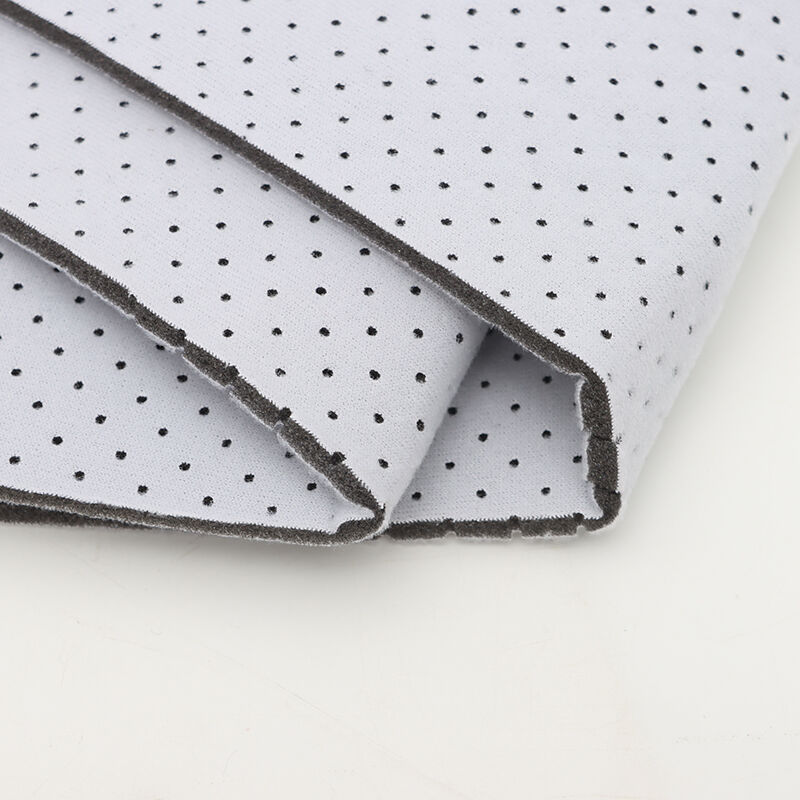
The selection of appropriate lining fabric materials plays a crucial role in determining the quality, durability, and performance of various products across multiple industries. From automotive interiors to fashion garments, furniture upholstery to industrial applications, understanding the different types of lining fabric materials available in today's market is essential for manufacturers, designers, and procurement professionals. These specialized materials serve as protective barriers, enhance comfort, improve aesthetics, and extend the lifespan of primary products while meeting specific performance requirements.
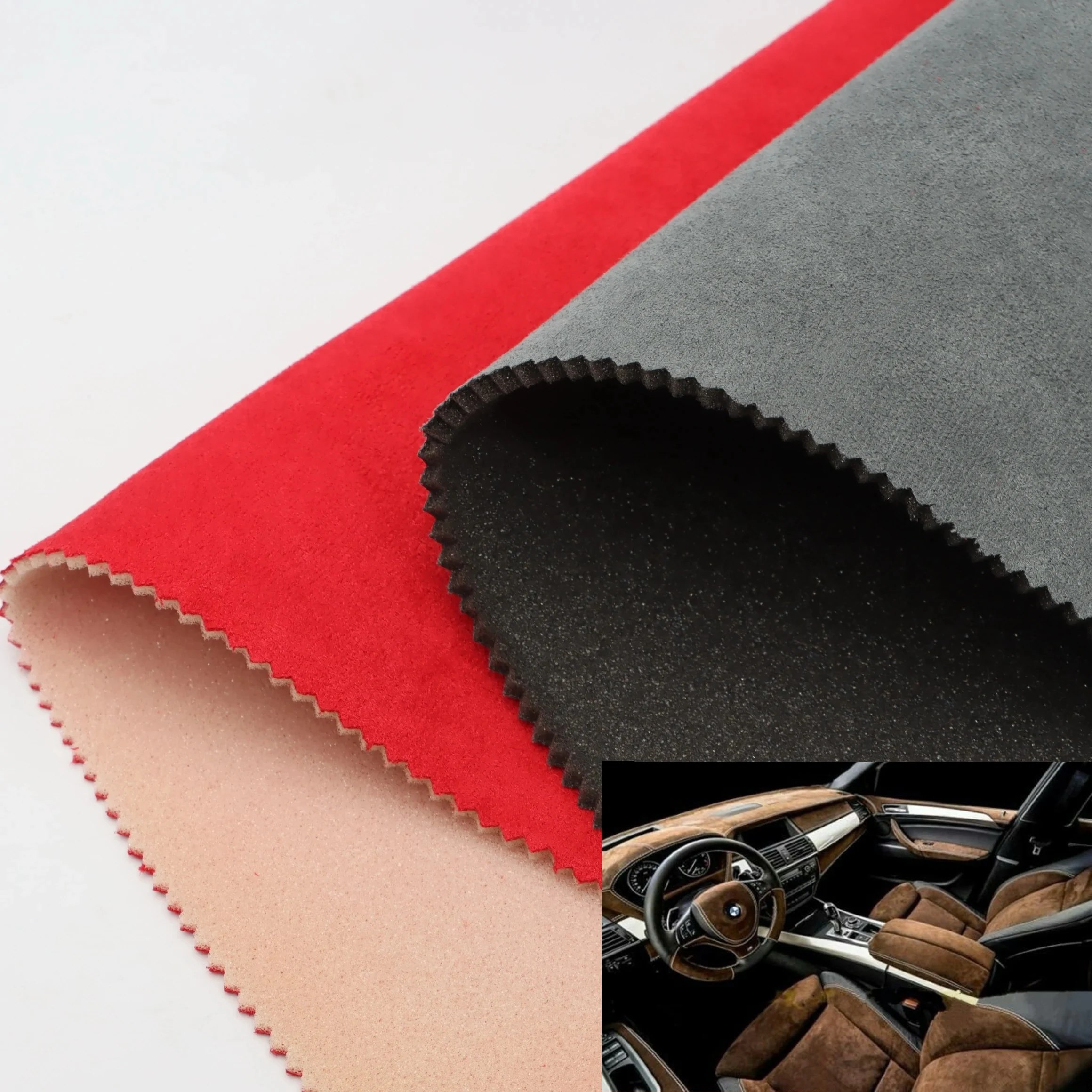
Modern manufacturing processes have evolved to produce increasingly sophisticated lining fabric materials that combine multiple properties such as moisture resistance, thermal insulation, antimicrobial protection, and enhanced durability. The choice of lining material directly impacts product performance, consumer satisfaction, and manufacturing costs. Industry professionals must consider factors including intended application, environmental conditions, regulatory requirements, and budget constraints when selecting the most suitable lining fabric materials for their specific projects.
Natural Fiber Lining Materials
Cotton-Based Linings
Cotton remains one of the most widely used materials for lining applications due to its natural breathability, comfort, and hypoallergenic properties. Cotton lining fabric materials offer excellent moisture absorption capabilities, making them ideal for garments worn close to the skin and furniture applications where comfort is paramount. The natural fiber structure allows air circulation while providing a soft, pleasant texture against surfaces.
Manufacturers often treat cotton linings with various finishes to enhance specific properties such as wrinkle resistance, stain protection, or antimicrobial characteristics. Premium cotton varieties including organic cotton and Egyptian cotton provide superior quality and durability for high-end applications. The versatility of cotton allows for easy dyeing and printing processes, enabling customization to match specific design requirements across different industries.
Silk and Luxury Natural Fibers
Silk represents the pinnacle of luxury lining fabric materials, offering unparalleled smoothness, natural sheen, and temperature regulation properties. High-end fashion garments, premium automotive interiors, and luxury furniture often incorporate silk linings to enhance the overall perceived value and user experience. The natural protein fibers in silk provide inherent moisture-wicking capabilities while maintaining a comfortable microclimate.
Other luxury natural fibers including wool, linen, and cashmere serve specialized lining applications where premium quality and performance are essential. These materials command higher prices but deliver exceptional comfort, durability, and aesthetic appeal. The natural properties of these fibers contribute to better temperature regulation, moisture management, and overall product longevity compared to synthetic alternatives.
Synthetic Lining Fabric Materials
Polyester-Based Solutions
Polyester represents the largest category of synthetic lining fabric materials due to its versatility, cost-effectiveness, and consistent performance characteristics. Modern polyester linings can be engineered to mimic many properties of natural fibers while offering superior durability, colorfastness, and resistance to shrinkage. Advanced manufacturing techniques produce polyester linings with varying textures, weights, and performance attributes to suit diverse applications.
Microfiber polyester linings have gained popularity for their extremely soft texture and enhanced moisture-wicking capabilities. These materials excel in automotive applications, sportswear, and technical textiles where performance requirements exceed those of traditional natural fibers. The synthetic nature of polyester allows for consistent quality control and predictable behavior across different environmental conditions, making it a reliable choice for manufacturers.
Nylon and High-Performance Synthetics
Nylon lining fabric materials offer exceptional strength, abrasion resistance, and elasticity, making them suitable for applications requiring durability under stress. The material's ability to maintain its properties across a wide temperature range makes it valuable for automotive interiors, outdoor equipment, and industrial applications. Nylon linings can be engineered with specific denier ratings to achieve desired strength and flexibility characteristics.
Advanced synthetic materials including aramid fibers, PTFE-based fabrics, and specialty polymer blends serve niche applications requiring extreme performance characteristics. These high-performance lining fabric materials often incorporate multiple functional properties such as flame resistance, chemical resistance, and enhanced durability. While more expensive than conventional synthetics, these materials provide cost-effective solutions for demanding applications where failure is not acceptable.
Foam-Laminated and Composite Lining Materials
Foam-Backed Fabric Systems
Foam-laminated lining fabric materials combine the aesthetic and tactile properties of surface fabrics with the cushioning and insulation benefits of foam backing. These composite materials are extensively used in automotive seating, furniture upholstery, and architectural applications where comfort and performance are equally important. The foam layer provides thermal insulation, sound dampening, and enhanced cushioning properties.
Different foam types including polyurethane, memory foam, and specialty closed-cell foams can be laminated to various fabric surfaces to create customized lining fabric materials for specific applications. The lamination process ensures strong adhesion between layers while maintaining flexibility and durability. Advanced manufacturing techniques allow for precise control of foam density, thickness, and compression characteristics to meet exact specifications.
Multi-Layer Composite Systems
Complex composite lining fabric materials incorporate multiple functional layers to achieve specific performance objectives. These systems might include moisture barriers, thermal insulation layers, reinforcement materials, and decorative surface fabrics combined into integrated solutions. The engineering approach allows manufacturers to optimize individual layer properties while achieving overall system performance targets.
Adhesive technologies play a crucial role in composite lining fabric materials, ensuring permanent bonding between layers while maintaining flexibility and durability. Hot-melt adhesives, solvent-based systems, and water-based formulations each offer specific advantages depending on the application requirements and environmental considerations. Quality control processes ensure consistent adhesion strength and long-term performance across varying temperature and humidity conditions.
Specialty and Technical Lining Materials
Flame-Retardant and Safety Linings
Safety-critical applications require lining fabric materials that meet stringent fire resistance standards and regulatory requirements. Inherently flame-retardant fibers including aramids, modacrylics, and treated natural fibers provide protection without relying on chemical treatments that might degrade over time. These materials are essential for automotive, aerospace, marine, and architectural applications where fire safety is paramount.
Chemical flame-retardant treatments can be applied to conventional lining fabric materials to achieve required safety standards while maintaining cost-effectiveness. However, these treatments require careful consideration of environmental impact, durability, and potential health concerns. Modern flame-retardant technologies focus on developing safer, more durable solutions that maintain effectiveness throughout the product lifecycle while minimizing environmental impact.
Antimicrobial and Hygiene-Enhanced Materials
Healthcare, hospitality, and high-use applications benefit from lining fabric materials incorporating antimicrobial properties. Silver-ion treatments, copper-infused fibers, and organic antimicrobial agents help prevent bacterial growth, reduce odors, and maintain hygiene standards. These treatments are particularly valuable in applications where regular cleaning might be difficult or where hygiene is critical for user safety.
The effectiveness and durability of antimicrobial treatments vary significantly between different technologies and application methods. Manufacturers must balance antimicrobial performance with other material properties including comfort, aesthetics, and environmental considerations. Testing protocols ensure that antimicrobial lining fabric materials maintain their protective properties throughout expected service life while meeting relevant health and safety standards.
Environmental and Sustainability Considerations
Eco-Friendly Lining Options
Growing environmental awareness has driven development of sustainable lining fabric materials derived from recycled content, renewable resources, and biodegradable components. Recycled polyester from plastic bottles, organic cotton, hemp, and innovative bio-based synthetics offer environmentally responsible alternatives without compromising performance. These materials help manufacturers meet sustainability goals while satisfying consumer demand for eco-friendly products.
Life cycle assessment considerations include raw material sourcing, manufacturing processes, product durability, and end-of-life disposal options. Sustainable lining fabric materials often command premium pricing but provide long-term value through improved brand reputation, regulatory compliance, and reduced environmental impact. Certification programs help verify environmental claims and provide transparency for procurement decisions.
Recyclability and Circular Economy Integration
Design for recyclability influences material selection and construction methods for lining fabric materials. Mono-material designs using single polymer types facilitate recycling processes, while composite materials with multiple components present challenges for end-of-life processing. Manufacturers increasingly consider recyclability during the design phase to support circular economy principles and reduce waste generation.
Chemical recycling technologies expand options for processing complex lining fabric materials that cannot be mechanically recycled. These advanced processes break down polymers to molecular level for regeneration into new materials, potentially creating closed-loop systems for specialty applications. Industry collaboration drives development of recycling infrastructure and standards to support widespread adoption of recyclable lining materials.
Selection Criteria and Performance Testing
Application-Specific Requirements
Selecting appropriate lining fabric materials requires thorough analysis of application requirements, environmental conditions, and performance expectations. Automotive applications demand materials that can withstand temperature extremes, UV exposure, and mechanical stress while maintaining appearance and comfort properties. Furniture applications prioritize durability, stain resistance, and ease of maintenance alongside aesthetic considerations.
Performance testing protocols validate material properties under simulated service conditions. Standard test methods measure properties including tensile strength, abrasion resistance, colorfastness, flame resistance, and dimensional stability. Custom testing procedures may be necessary for specialized applications or unique environmental conditions. Documentation of test results provides confidence in material selection and supports quality assurance programs.
Quality Control and Standards Compliance
Industry standards and regulatory requirements govern the use of lining fabric materials in various applications. Automotive standards address safety, durability, and environmental requirements, while furniture standards focus on performance and consumer protection. Compliance with relevant standards ensures product acceptance in target markets and provides legal protection against liability claims.
Supply chain management for lining fabric materials requires careful vendor qualification, incoming inspection procedures, and ongoing quality monitoring. Traceability systems track materials from production through final application to support quality investigations and regulatory compliance. Statistical process control methods help identify trends and prevent quality issues before they impact production or customer satisfaction.
FAQ
What factors should be considered when choosing lining fabric materials for automotive applications
Automotive lining fabric materials must meet stringent requirements for temperature resistance, UV stability, flame retardancy, and durability. Key considerations include the ability to withstand temperature ranges from -40°C to +80°C, resistance to automotive fluids and cleaning chemicals, low volatile organic compound emissions, and compliance with relevant safety standards. The material must also provide appropriate comfort characteristics, maintain appearance over the vehicle's expected lifespan, and be cost-effective for mass production applications.
How do foam-laminated lining materials compare to traditional fabric-only linings
Foam-laminated lining materials offer superior cushioning, thermal insulation, and sound dampening properties compared to traditional fabric-only linings. The foam backing provides consistent thickness and improved comfort while the fabric surface maintains desired aesthetic and tactile properties. However, laminated materials are generally more expensive, may be less breathable, and can be more challenging to recycle. The choice depends on application requirements, with laminated materials preferred where enhanced comfort and performance justify the additional cost.
What are the main differences between natural and synthetic lining fabric materials
Natural lining fabric materials typically offer superior breathability, moisture absorption, and comfort properties, with inherent biodegradability and renewable sourcing. Synthetic materials provide greater consistency, durability, and design flexibility, often at lower cost with better performance in challenging environments. Natural materials may require more careful maintenance and have limited availability, while synthetics can be engineered for specific properties but may have greater environmental impact during production and disposal.
How important is antimicrobial treatment for lining fabric materials in commercial applications
Antimicrobial treatment becomes increasingly important in high-use commercial applications such as healthcare facilities, public transportation, hospitality, and food service environments. These treatments help control bacterial growth, reduce odors, and maintain hygiene standards between cleaning cycles. The value of antimicrobial treatments depends on application requirements, cleaning protocols, and regulatory standards. While adding cost to the material, antimicrobial properties can extend service life, reduce maintenance requirements, and provide health benefits that justify the investment in appropriate applications.
Table of Contents
- Natural Fiber Lining Materials
- Synthetic Lining Fabric Materials
- Foam-Laminated and Composite Lining Materials
- Specialty and Technical Lining Materials
- Environmental and Sustainability Considerations
- Selection Criteria and Performance Testing
-
FAQ
- What factors should be considered when choosing lining fabric materials for automotive applications
- How do foam-laminated lining materials compare to traditional fabric-only linings
- What are the main differences between natural and synthetic lining fabric materials
- How important is antimicrobial treatment for lining fabric materials in commercial applications