EN



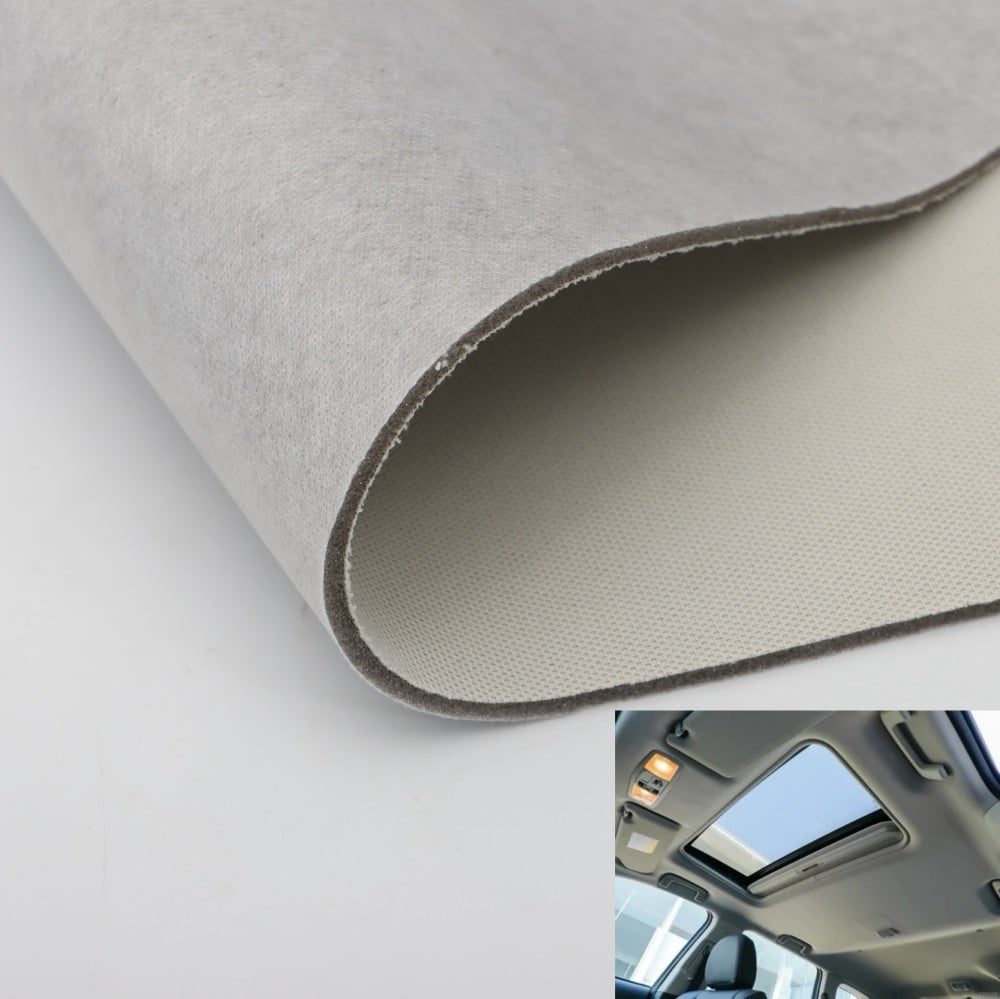
In sports knee pads, wrist guards, lumbar support belts and various protective pads, composite fabrics are common material choices, usually which need to take into account soft touch, cushioning effect and wearing comfort.
Apart from the fabric type, Foam thickness and composite structure, there is another frequently concerned issue: Does the material need to be perforated?
Some composite fabrics have neatly distributed holes on their surfaces, while others maintain a complete surface structure. Although they may seem to have just a few more holes on the outside, they have different characteristics in terms of ventilation design, flexibility and practical application.
So, what exactly are the differences between perforated and non-perforated composite fabrics? How should different protective gear be chosen?
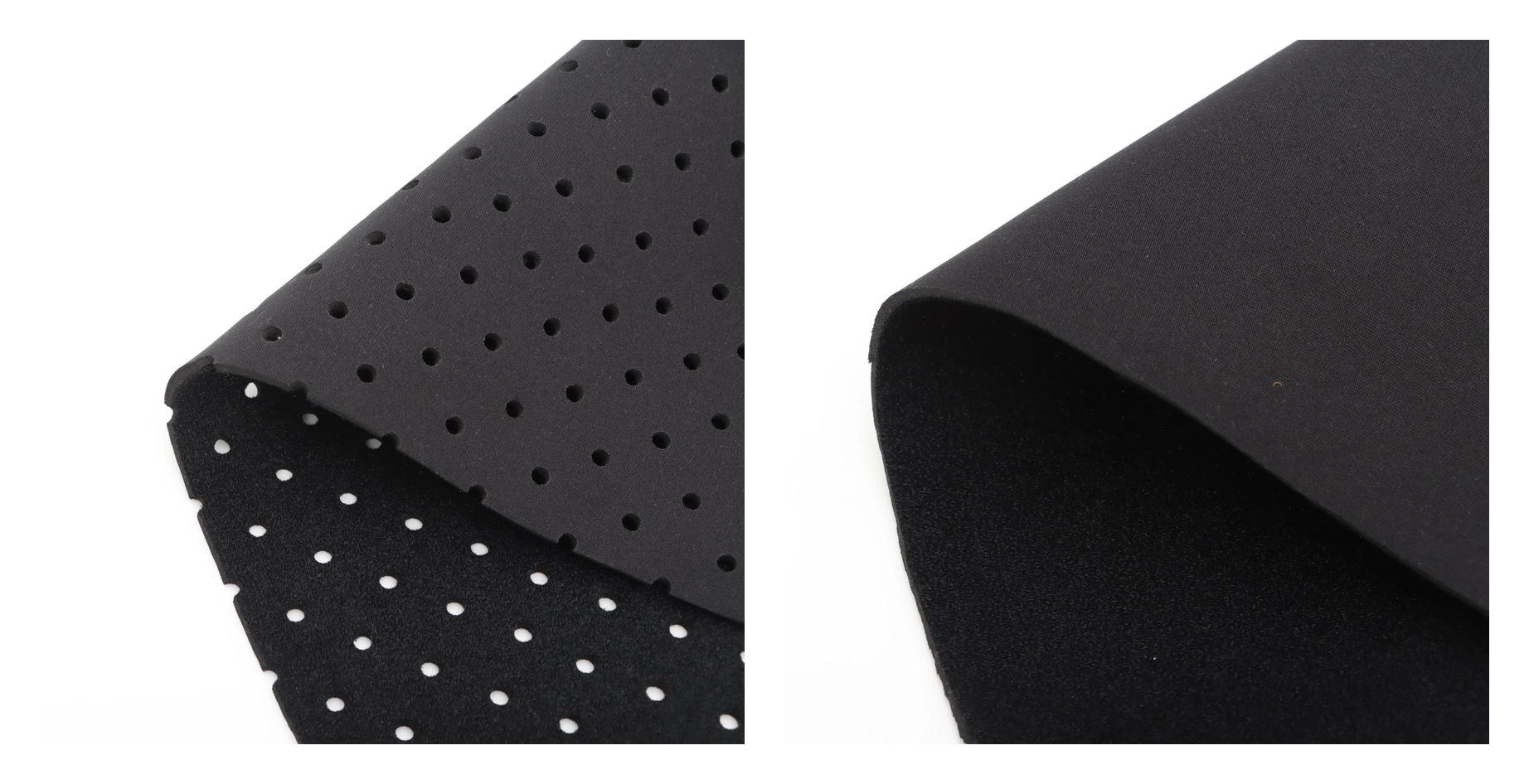
Comparison of Perforated and Non-perforated Composite Fabrics (For different samples, only structural differences are shown
01. First, understand the materials: What's the difference between perforated and non-perforated?
Composite fabrics are usually composed of surface Fabric and Foam. They can also adopt a three-layer structure of Fabric + Foam + Fabric according to product requirements.
Perforated Laminated Foam Fabric
This material is processed by punching holes to form regular or specified arranged holes on the surface. The hole diameter, hole spacing and arrangement density can be designed according to specific materials and processing requirements.
If the holes run through the entire composite structure, they can provide channels for air circulation, and thus are often used in sports gear, support belts and protective pads where breathable design needs to be considered.
Non-Perforated Laminated Foam Fabric
Non-perforated materials retain a continuous surface and foam structure without additional processed through holes.
It can also provide a soft touch, cushioning effect and a material structure suitable for subsequent cutting and sewing through the combination of different surface fabrics, Foams and backings.
There is no absolute superiority or inferiority between the two materials. The final choice depends on the product's application, usage environment and specific processing requirements.
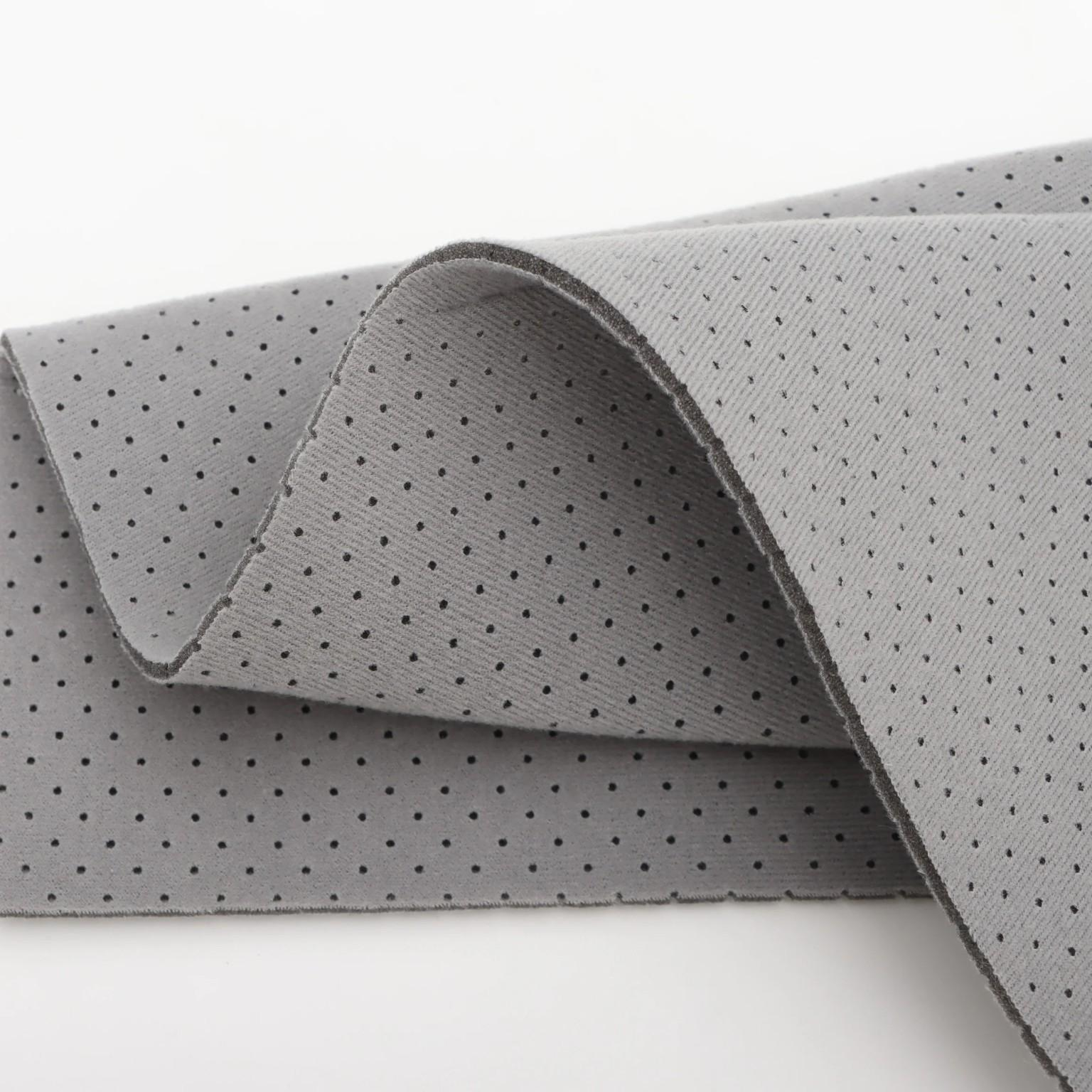
Grey fine-pore composite fabric, showing the arrangement of holes and surface texture
02: Why consider perforated materials when breathable design is needed?
For sports protective gear that needs to be worn for a long time, comfort and ventilation design are usually important considerations when selecting materials.
For instance, sports knee pads, wrist guards and support pads that are close to the body will constantly come into contact with the skin or clothing during use. Therefore, the breathable design of the materials is worth paying attention to.
It adopts a through-hole structure, which can provide a channel for air circulation. In some applications, holes may also alter the local bending state of the material, presenting different softness and adhesion effects.
However, punching holes does not necessarily mean that the material is more breathable, nor does it imply that the more holes there are, the better.
The actual effect is also jointly influenced by the type of Foam, the thickness of the foam, the surface fabric, the pore size, the pore spacing and the pore density.
Therefore, when choosing perforating materials, in addition to observing the appearance of the holes, it is also necessary to make a judgment in combination with the wearing method of the actual product and the overall composite structure.
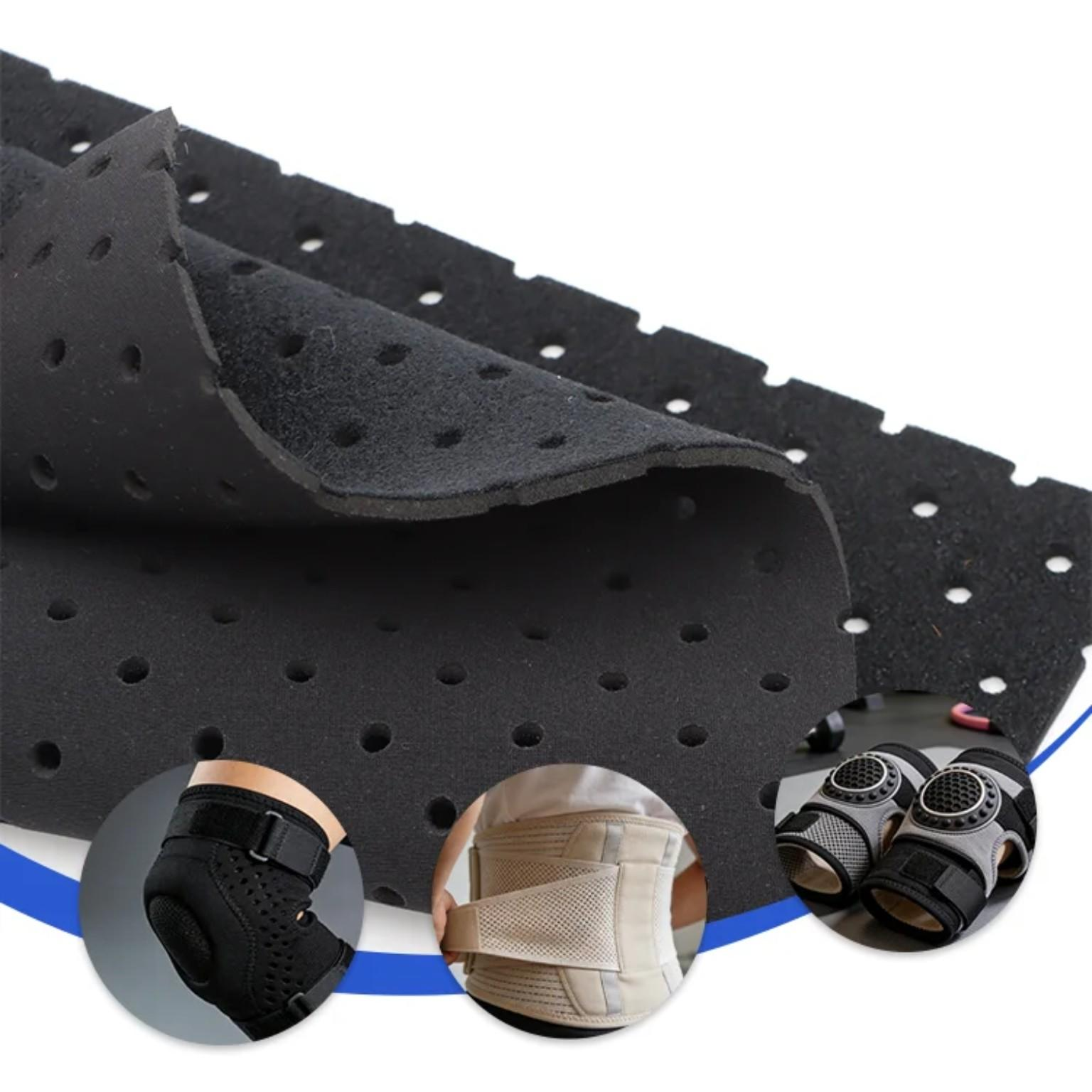
Application Reference of Black Perforated Composite Materials and Protective Gear (Product Application Illustration)
03: Why are some protective gear more suitable for non-perforated materials?
Not all protective gear requires a perforated design.
For some cushioning pads, fixing belts, covering layers and supporting components, a complete and continuous material surface also has practical value.
The non-perforated composite fabric retains the original surface structure and can meet the product's requirements for softness, cushioning effect and overall hand feel through different Foam thicknesses, densities and fabric combinations.
During subsequent cutting, sewing or other composite processing, the corresponding materials can also be selected according to the shape and structural requirements of the product.
It should be noted that not perforating does not mean it is completely impermeable, nor can it be simply concluded that it is definitely more durable than perforated materials.
For instance, the inherent microstructure of the surface fabric, the open-cell or closed-cell characteristics of Foam, and the thickness of the material may all affect the final performance in use.
Therefore, what truly matters is whether the material as a whole can meet the product requirements, rather than simply judging whether there are holes on the surface.
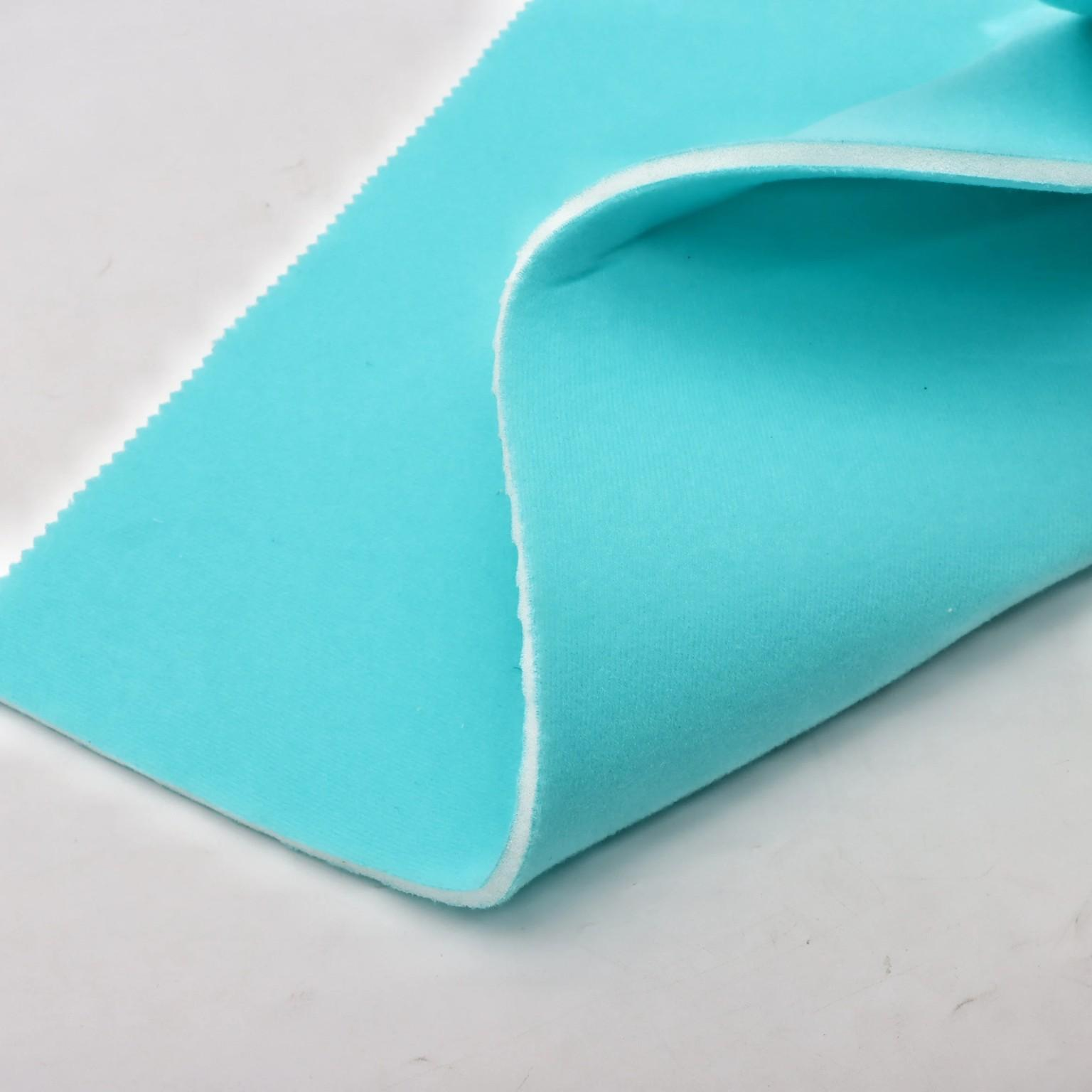
Non-perforated composite fabric, showing a continuous surface and a soft curved state
04: How should different protective gear be chosen?
When actually developing protective gear products, perforated or non-perforated composite fabrics can be selected based on specific usage locations, activity patterns and processing requirements.
Sports knee pads and wrist guards
This type of product usually needs to take into account the bending, elasticity, fit and wearing comfort of the joint during movement.
If the product has high requirements for ventilation, a perforated structure can be considered. At the same time, it is also necessary to confirm whether the thickness of the Foam and the elasticity of the material are appropriate.
Waist support belt
Lumbar support products often need to take into account flexibility, coverage and fixation methods.
The requirements for materials in different parts may vary. Therefore, based on the actual design, one can choose a perforated or non-perforated structure, or use different composite fabrics for matching.
Protective gaskets and buffer components
This type of product usually pays more attention to the thickness, softness and hardness, cushioning performance and surface contact feel of the Foam.
Whether drilling is necessary should be determined based on the product's usage location, structural design and actual processing requirements.
Detachable protective gear inner lining
In addition to the softness and breathable design of the material, the backing, cutting, sewing and fixing methods also need to be taken into consideration.
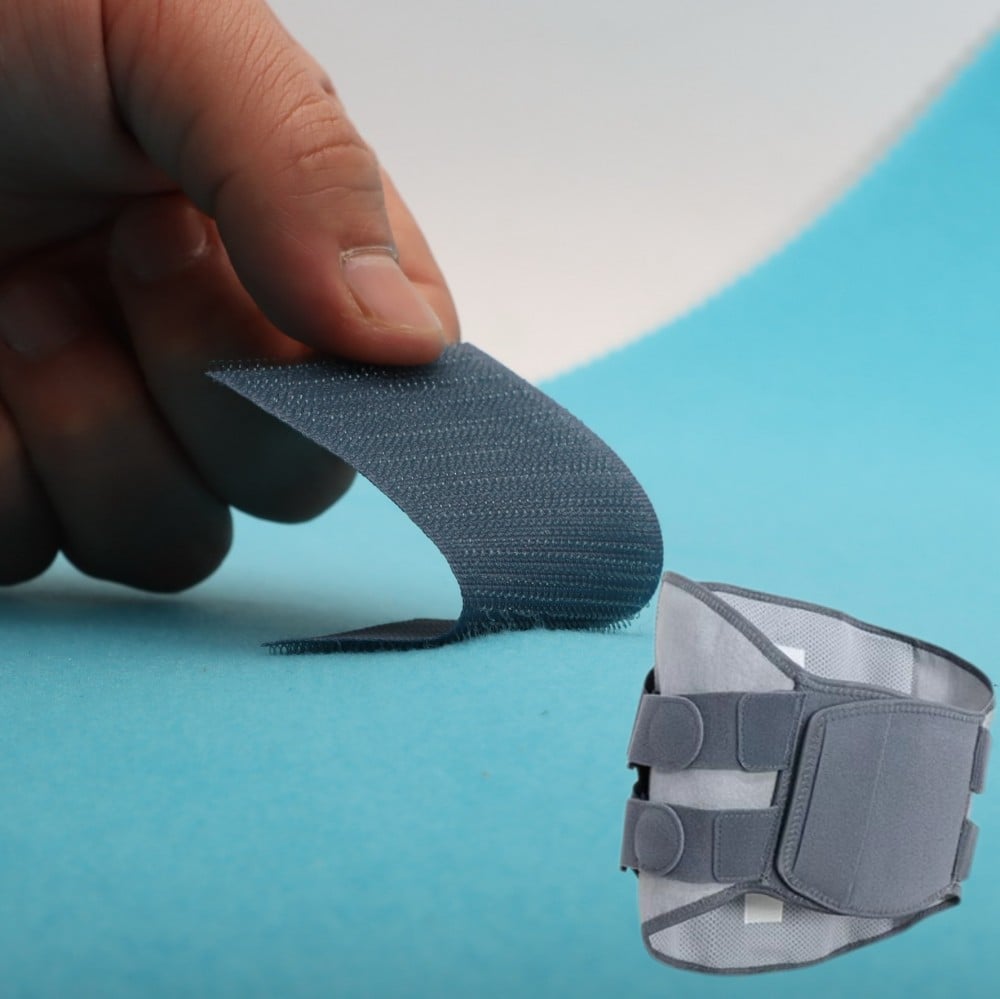
For example, Loop Fabric can be combined with the corresponding Hook-and-Loop fixed structure and is suitable for some liner designs that require disassembly and fixation.
Even if the material thickness is the same, different surface fabrics and composite methods may still bring about different usage effects.
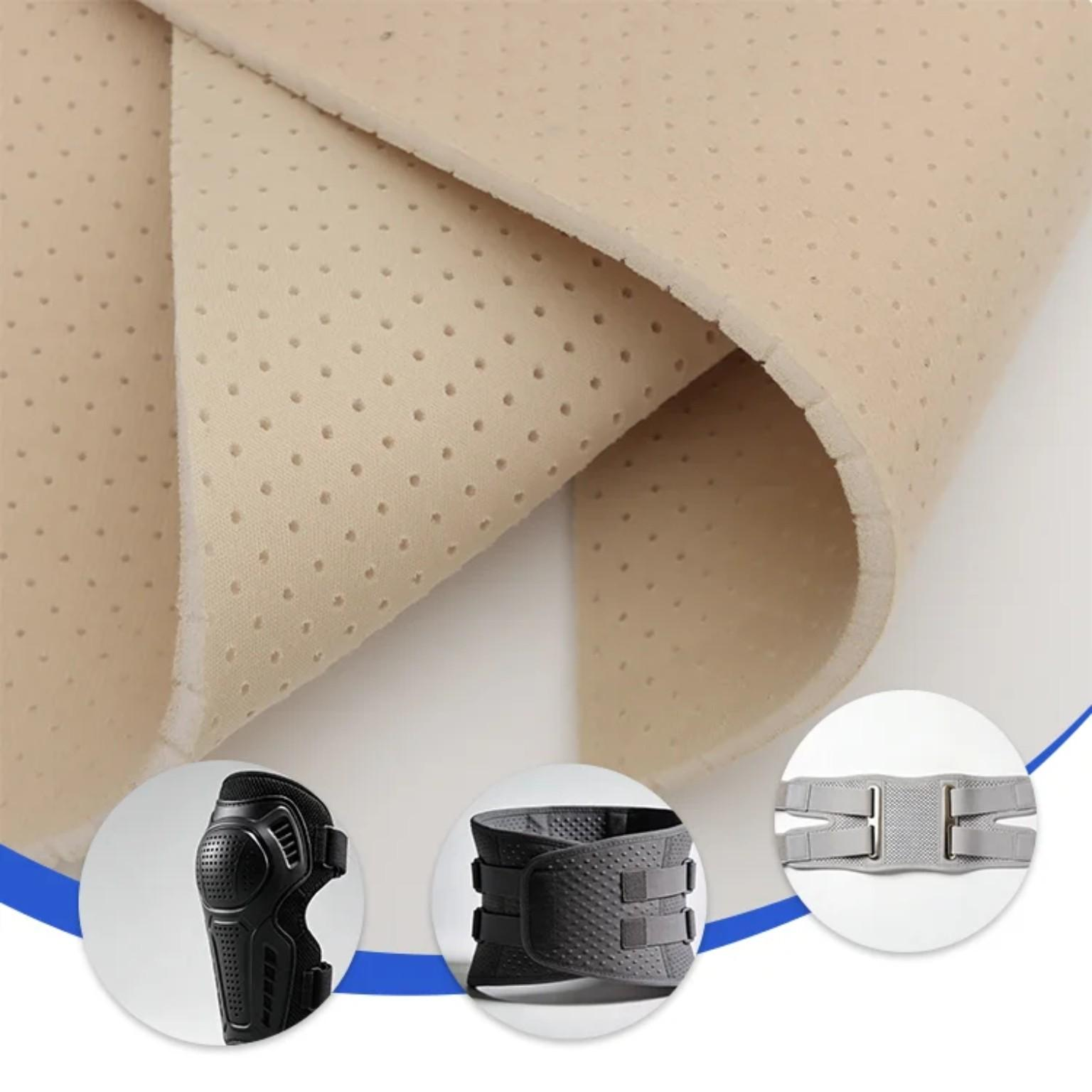
Reference for the Application of Perforated Composite Material Protective Gear (Scenarios such as knee pads and support belts)
05. Besides punching, fabric, Foam and neoprene are equally important
For protective gear manufacturers, when choosing materials, they should not only focus on the design of the holes.
The surface fabric, Foam type, thickness, density and composite structure will also affect the softness, elasticity, cushioning effect and subsequent processing performance of the product.
Common combinations of composite materials include
• Knitted Fabric + Foam (Knitted Fabric composite sponge)
• Loop Fabric + Foam (Textured fabric composite sponge)
• Bird-Eye Fabric + Foam (Bird-eye Fabric Composite Sponge)
• Fabric + Foam + Fabric (Double-sided laminated fabric composite structure)
• Nylon Fabric + CR Foam (Nylon fabric combined with neoprene foam material)
• Polyester Fabric + Rubber Foam + Fabric (Multi-layer composite of polyester fabric and rubber foam)
In addition to the common PU Foam and EVA, different rubber foaming materials such as SBR, SCR, and CR (chloroprene rubber) can also be selected according to the project application, and combined with the corresponding surface fabric for compounding.
Different Foams vary in elasticity, softness and hardness, thickness and hand feel. In practical applications, the selection should be made in combination with the usage requirements of the product.
For instance, even for composite materials with a thickness of 3mm, if different Foam densities or surface fabrics are used, the final hand feel and bending state may also vary.
As a source factory of composite fabrics, we can customize materials according to the actual needs of our customers.
Whether it is the surface fabric, Foam type, thickness, density, color, width, or single-sided composite, double-sided composite and perforated design, communication and confirmation can be made based on the samples, product pictures or technical specifications provided by the customer.
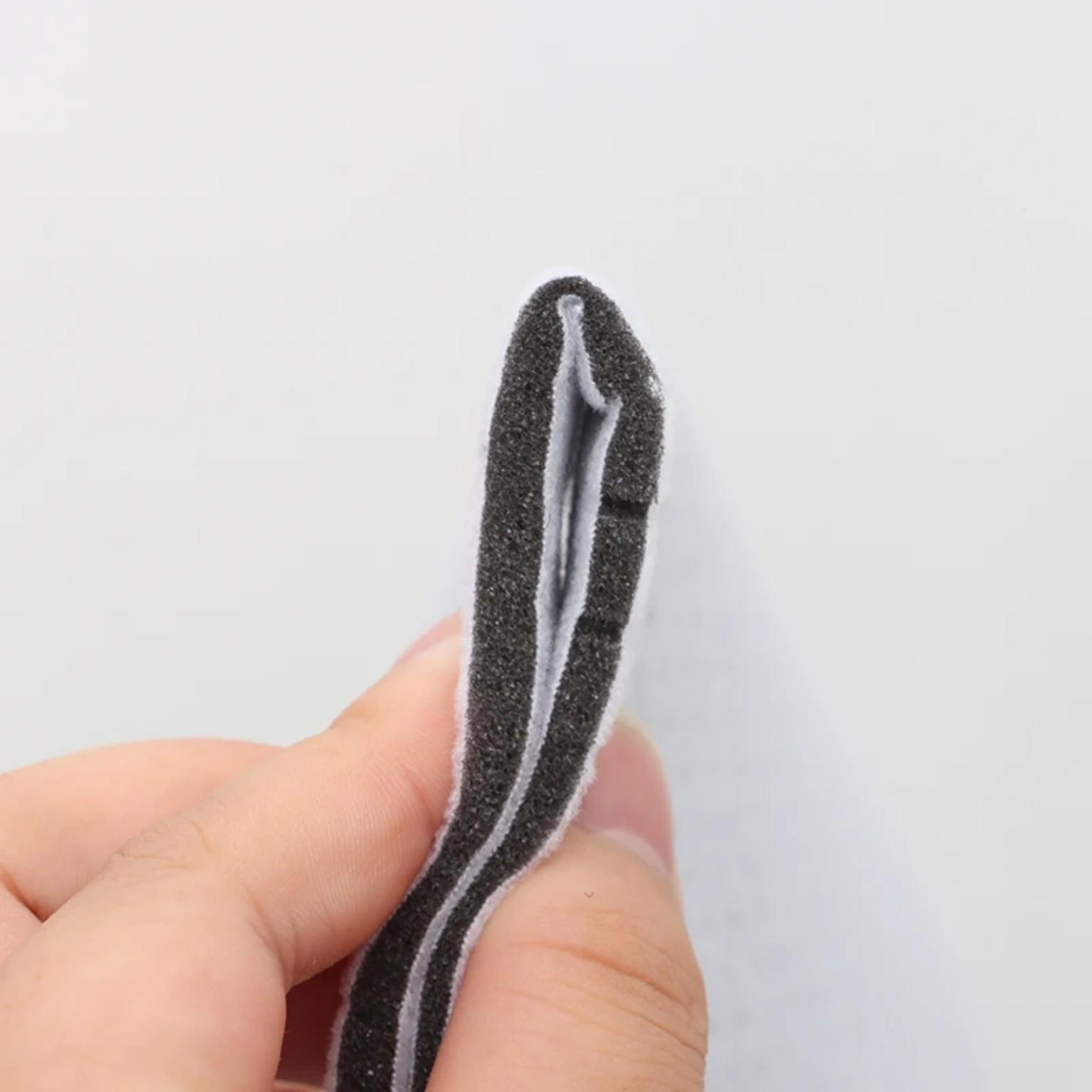
Cross-section of handheld composite material, demonstrating multi-layer structure and support
Customize composite fabric according to your protective gear requirements
Different Medical Protective Fabric and Sports Protective Fabric projects have different requirements for the thickness, softness, surface fabric and breathable design of materials.
We can provide customized solutions of perforated or non-perforated composite materials according to your specific product requirements, including material options such as PU Foam, EVA, Neoprene, as well as different colors, widths and composite structures.
If you already have existing materials, product pictures or specific specifications, please feel free to send them to our team for reference.
Our company will start with the confirmation of samples and material structures and further advance your production requirements for you.
FAQ: Frequently Asked Questions
Is perforated composite fabric definitely more breathable than non-perforated one?
To be precise, the through-holes can provide channels for air circulation, but the actual breathability is also related to the type of Foam, pore size, pore spacing, and surface fabric. It is also necessary to judge in combination with the overall material structure.
2. Can perforated materials be used for knee pads, wrist guards and lumbar support belts?
It can be selected according to the project requirements. This type of product usually needs to take into account breathability, softness, elasticity and wearing methods. Different parts may also adopt different structures.
3. Can the type and thickness of Foam be customized?
Sure. We can choose different types, thicknesses and densities of Foam according to the project requirements. The specific specifications need to be confirmed in combination with the material type and the actual production process.
4. Can the hole diameter, hole spacing and punching arrangement be customized?
The assessment can be conducted based on the drawings, samples or specific requirements provided by the customer to confirm the hole diameter, hole spacing, arrangement method and the corresponding processing feasibility.
5. Can samples be provided for testing first?
Sure. Customers can first compare the appearance, thickness, softness and composite structure of the materials through samples, and then confirm the subsequent customized plan based on the testing and actual usage requirements.
Table of Contents
- 01. First, understand the materials: What's the difference between perforated and non-perforated?
- 02: Why consider perforated materials when breathable design is needed?
- 03: Why are some protective gear more suitable for non-perforated materials?
- 04: How should different protective gear be chosen?
- 05. Besides punching, fabric, Foam and neoprene are equally important
- FAQ: Frequently Asked Questions