EN
EN



Understanding the Versatility of Modern Laminated Foam Fabrics
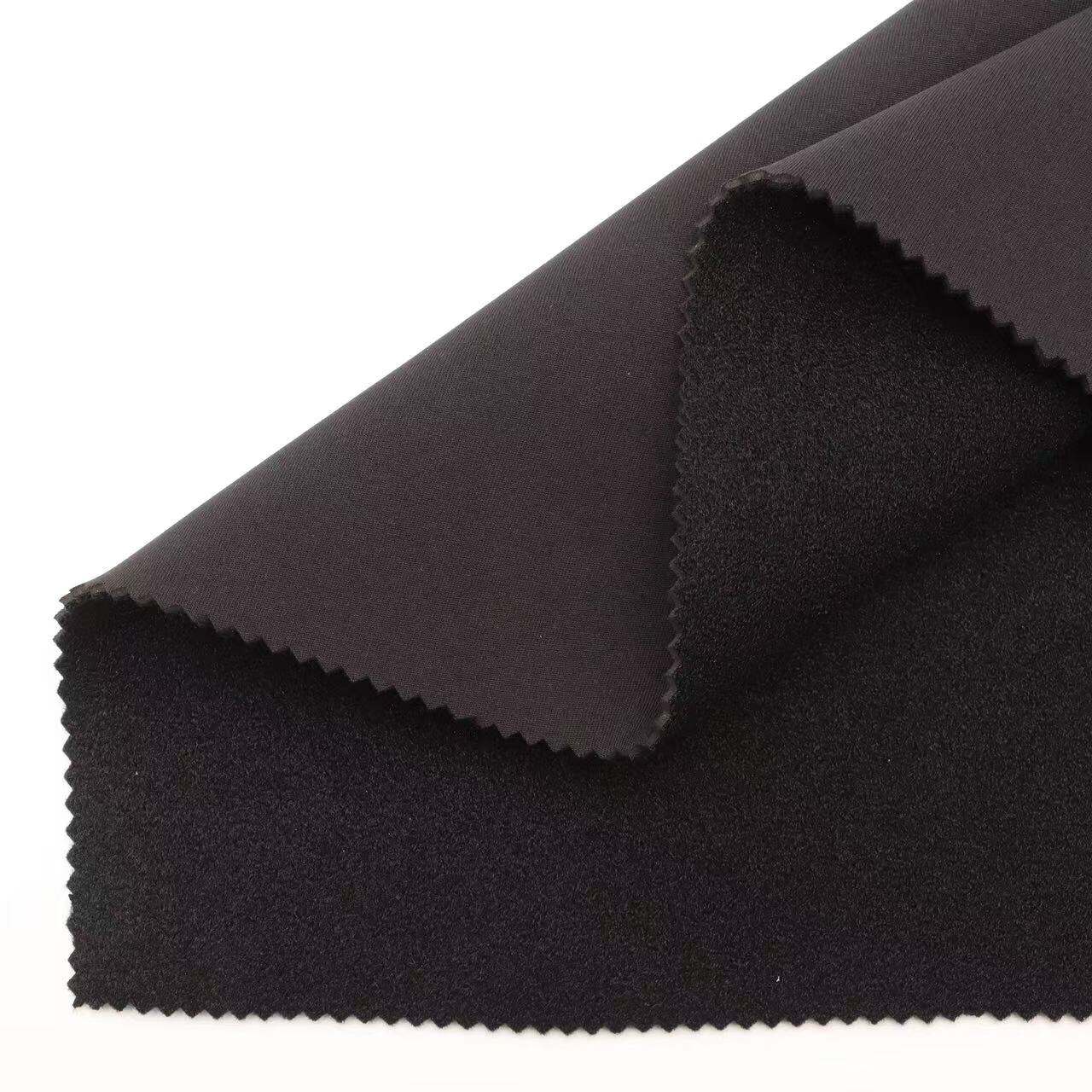
The manufacturing industry has witnessed remarkable advancements in material technology, with laminated foam fabric emerging as a game-changing innovation. This versatile material combines the durability of fabric with the cushioning properties of foam, creating a composite that offers endless possibilities for customization. From automotive interiors to high-performance sportswear, laminated foam fabric has revolutionized how we approach material solutions across diverse industries.
The customization process of laminated foam fabric involves sophisticated techniques that allow manufacturers to fine-tune properties such as thickness, density, flexibility, and surface characteristics. This adaptability makes it an ideal choice for projects requiring specific performance attributes while maintaining aesthetic appeal and functional requirements.
Core Components and Material Selection
Fabric Layer Options
The selection of the outer fabric layer plays a crucial role in determining the final properties of laminated foam fabric. Manufacturers can choose from a wide range of materials, including polyester, nylon, cotton blends, and technical fabrics. Each material brings its unique characteristics, from moisture-wicking properties to UV resistance, allowing for precise customization based on end-use requirements.
High-performance synthetic fabrics often serve as the preferred choice for demanding applications, offering superior durability and resistance to environmental factors. Natural fibers, on the other hand, might be selected for projects where breathability and comfort take precedence over technical performance.
Foam Core Characteristics
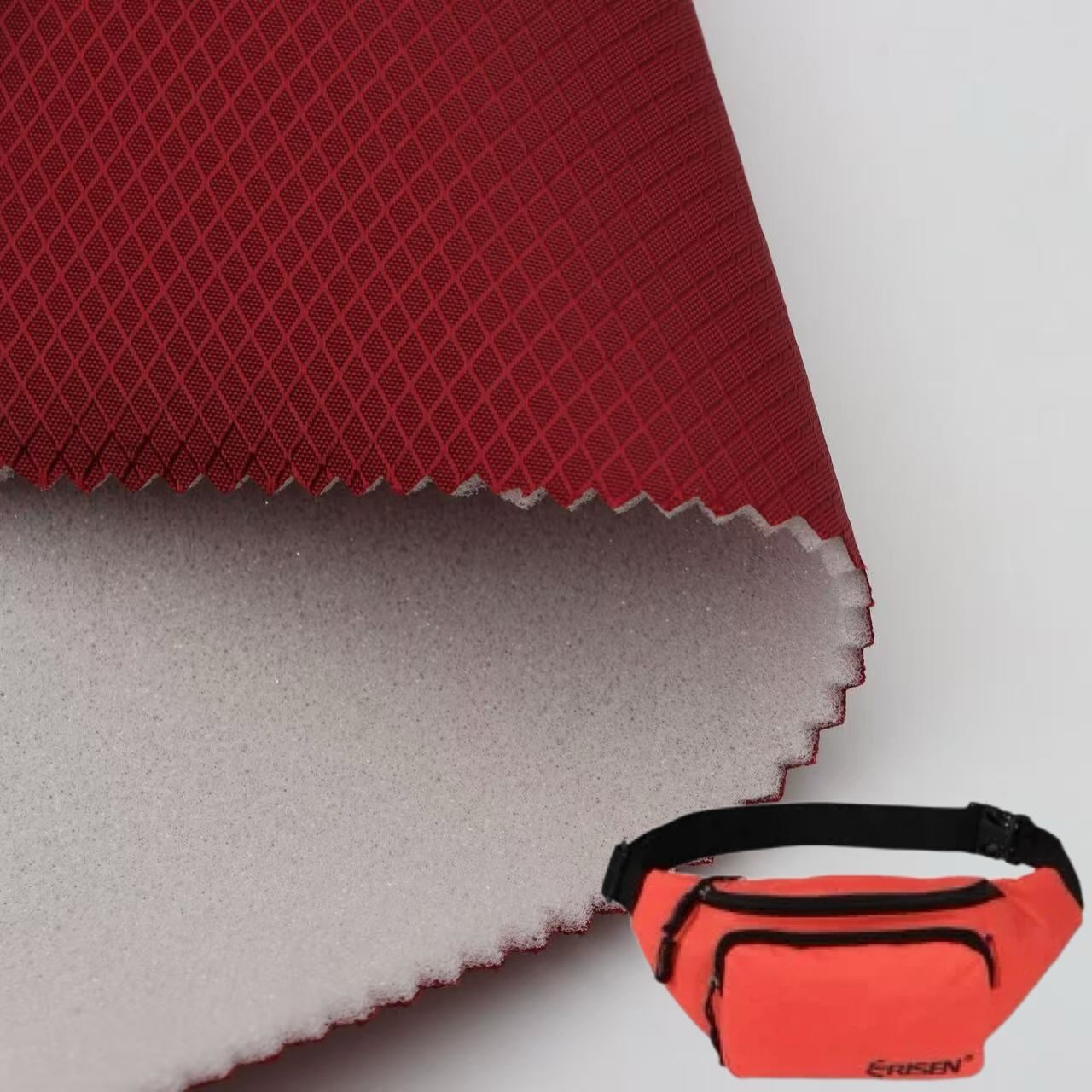
The foam layer forms the heart of laminated foam fabric, providing crucial properties such as cushioning, insulation, and structural support. Manufacturers can customize various aspects of the foam core, including density, cell structure, and chemical composition. Open-cell foams offer excellent breathability and flexibility, while closed-cell variants provide superior water resistance and insulation.
The thickness of the foam layer can be precisely controlled during the manufacturing process, typically ranging from ultra-thin 1mm sections to substantial 25mm or thicker variants. This versatility enables the creation of materials suitable for everything from lightweight apparel to robust protective equipment.
Manufacturing Processes and Techniques
Lamination Methods
The bonding process between fabric and foam layers requires careful consideration and precision. Manufacturers employ various lamination techniques, including flame lamination, adhesive bonding, and heat pressing. Each method offers distinct advantages and can be selected based on the specific requirements of the project.
Flame lamination, for instance, creates an exceptionally strong bond without adding significant weight to the final product. This technique is particularly valuable in automotive and furniture applications where durability is paramount. Adhesive bonding, while potentially adding minimal weight, offers greater control over the final flexibility and drape of the material.
Surface Treatment and Finishing
The customization process extends to surface treatments that enhance the functionality of laminated foam fabric. Manufacturers can apply various finishes to improve water resistance, UV protection, or antimicrobial properties. These treatments are carefully selected based on the intended application and environmental conditions the material will face.
Advanced coating technologies allow for the integration of special features such as reflective properties, enhanced grip, or specific aesthetic effects. These finishing touches can significantly impact the material's performance and appearance, making them crucial considerations in the customization process.
Performance Testing and Quality Control
Physical Property Assessment
Every customized laminated foam fabric undergoes rigorous testing to ensure it meets specified performance criteria. Key parameters such as tensile strength, tear resistance, and dimensional stability are evaluated using standardized testing methods. This comprehensive assessment helps verify that the material will perform as intended in its final application.
Environmental testing simulates real-world conditions, exposing the material to various temperatures, humidity levels, and UV exposure. These tests provide valuable data about the material's long-term durability and performance capabilities, helping manufacturers refine their customization processes.
Comfort and Ergonomic Evaluation
For applications involving human contact, such as furniture or apparel, comfort testing becomes an essential part of the customization process. Manufacturers evaluate factors like air permeability, moisture management, and tactile sensation. These assessments help ensure that the final product not only meets technical specifications but also provides an optimal user experience.
Advanced testing equipment can measure parameters such as heat retention, pressure distribution, and recovery characteristics, allowing manufacturers to fine-tune the material properties for specific comfort requirements.
Industry-Specific Applications
Automotive Interior Solutions
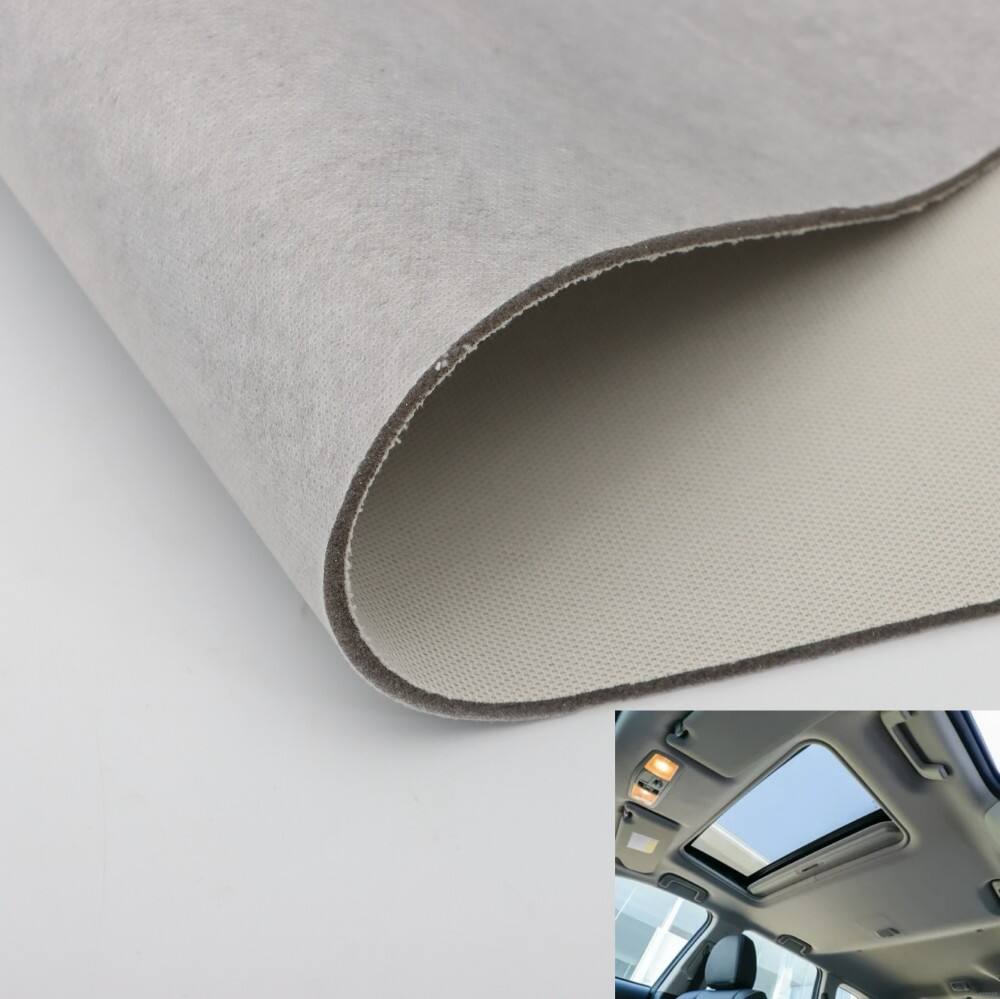
The automotive industry represents one of the largest markets for customized laminated foam fabric, where materials must meet strict requirements for durability, safety, and comfort. Manufacturers develop specialized variants that combine excellent cushioning properties with high resistance to wear, UV exposure, and temperature fluctuations.
Modern vehicles demand materials that not only provide comfort but also contribute to noise reduction and thermal management. Customized laminated foam fabrics can be engineered to meet these multiple requirements while maintaining the aesthetic standards expected in premium automotive interiors.
Sports and Performance Wear
Athletic equipment and performance wear benefit from highly specialized laminated foam fabrics that offer protection without compromising mobility. Manufacturers can create materials with varying zones of cushioning and flexibility, optimized for specific sporting activities.
The ability to combine moisture-wicking fabrics with carefully selected foam densities allows for the development of products that enhance athletic performance while providing necessary impact protection and comfort.
Frequently Asked Questions
What determines the cost of customized laminated foam fabric?
The cost of customized laminated foam fabric depends on several factors, including material selection, manufacturing complexity, minimum order quantities, and specific performance requirements. Advanced technical features, specialized treatments, and rigorous testing requirements can influence the final pricing.
How long does the customization process typically take?
The timeline for developing customized laminated foam fabric varies based on project complexity. Simple modifications might require 2-4 weeks, while complex projects involving multiple iterations of testing and refinement can take several months to complete.
Can laminated foam fabric be environmentally sustainable?
Yes, manufacturers are increasingly developing sustainable options using recycled materials, bio-based foams, and eco-friendly processing methods. These environmentally conscious alternatives can be customized to meet performance requirements while reducing environmental impact.