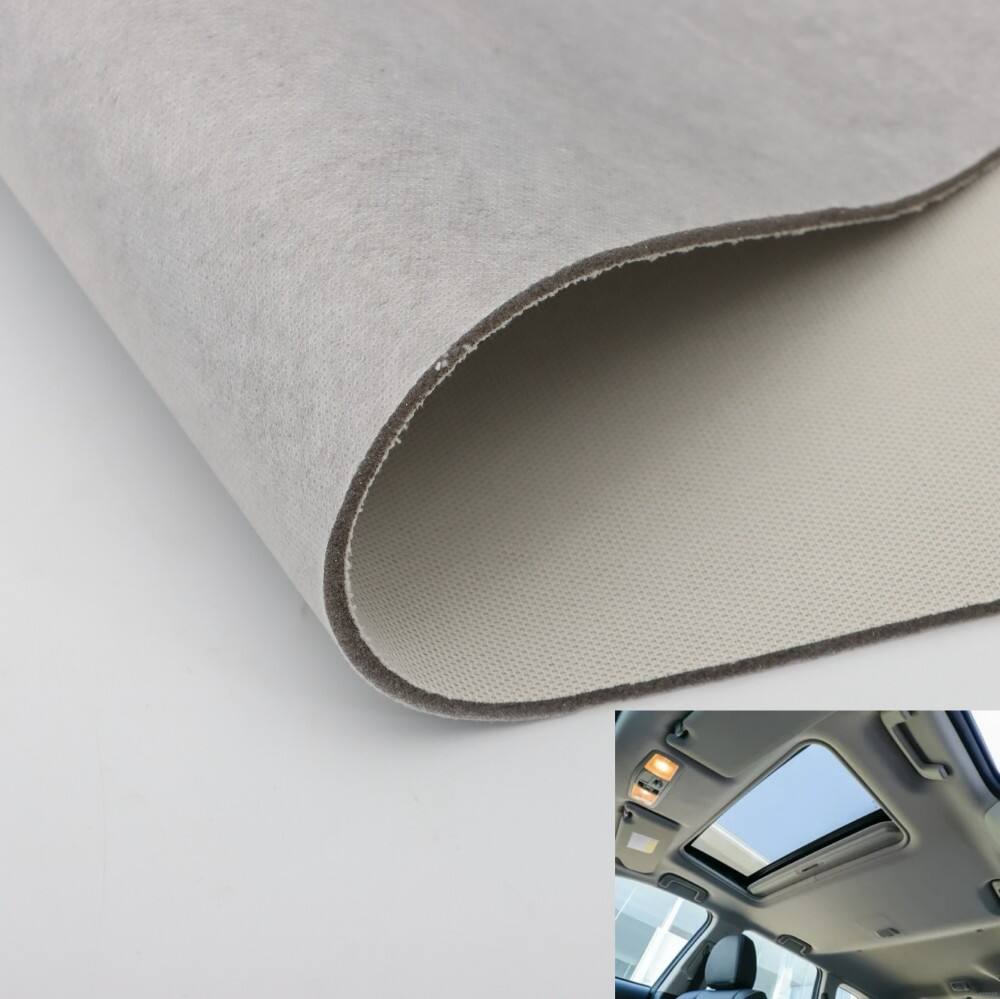
laminated non woven fabric
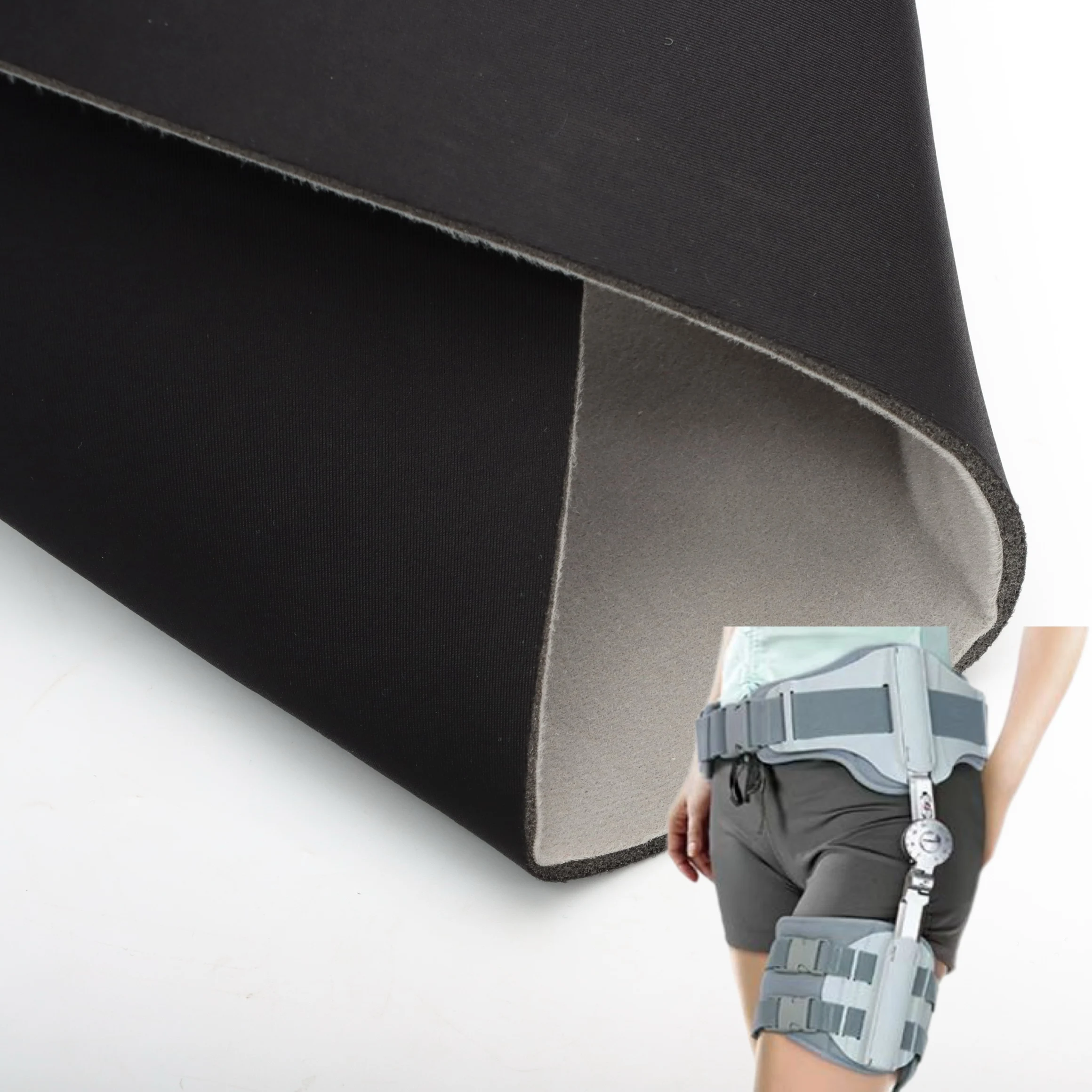
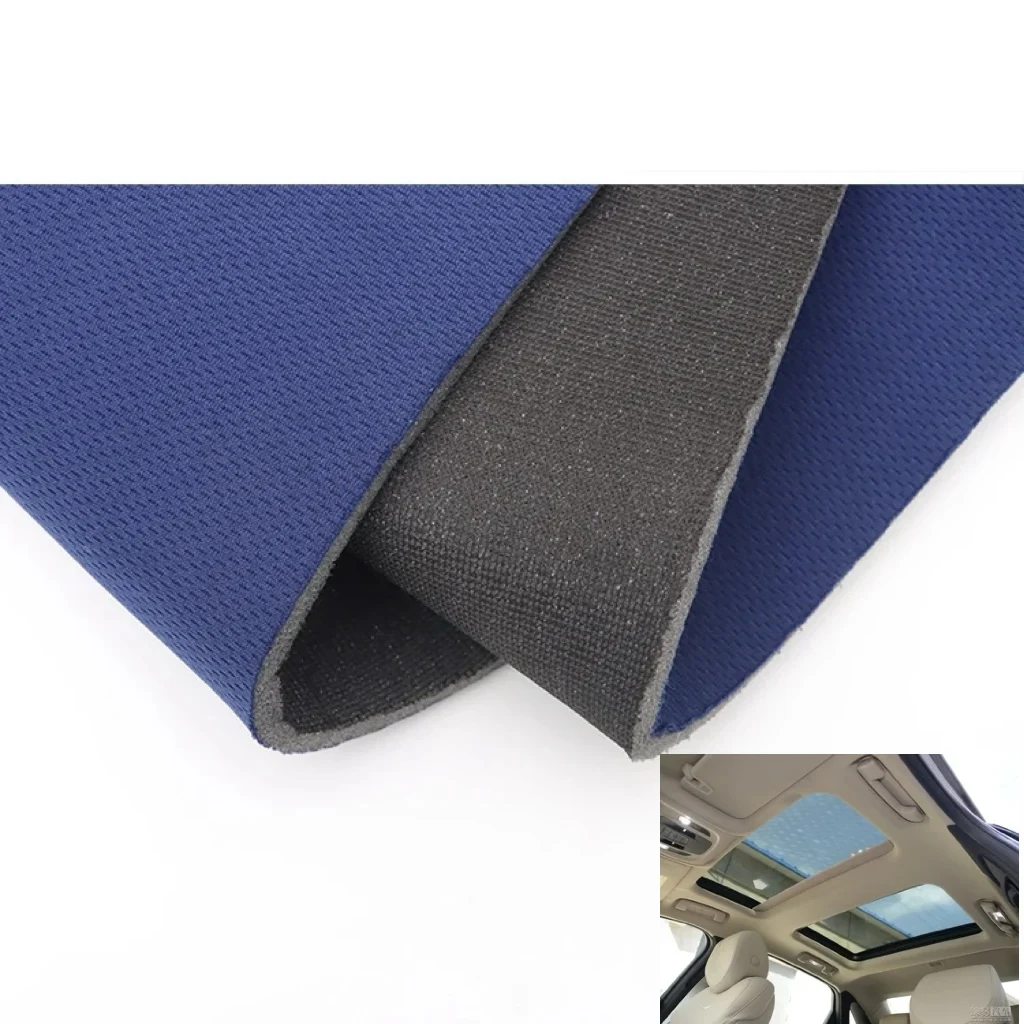
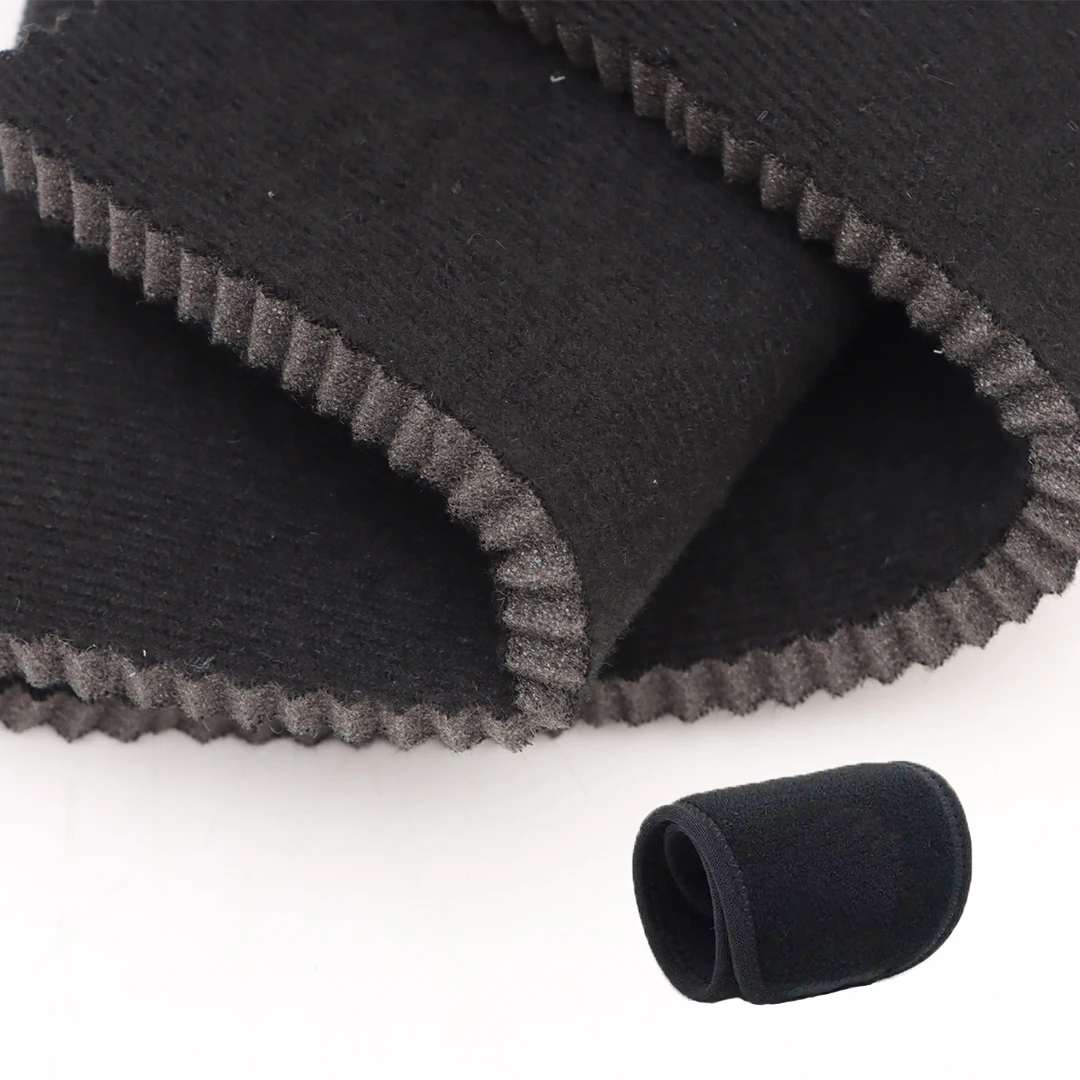
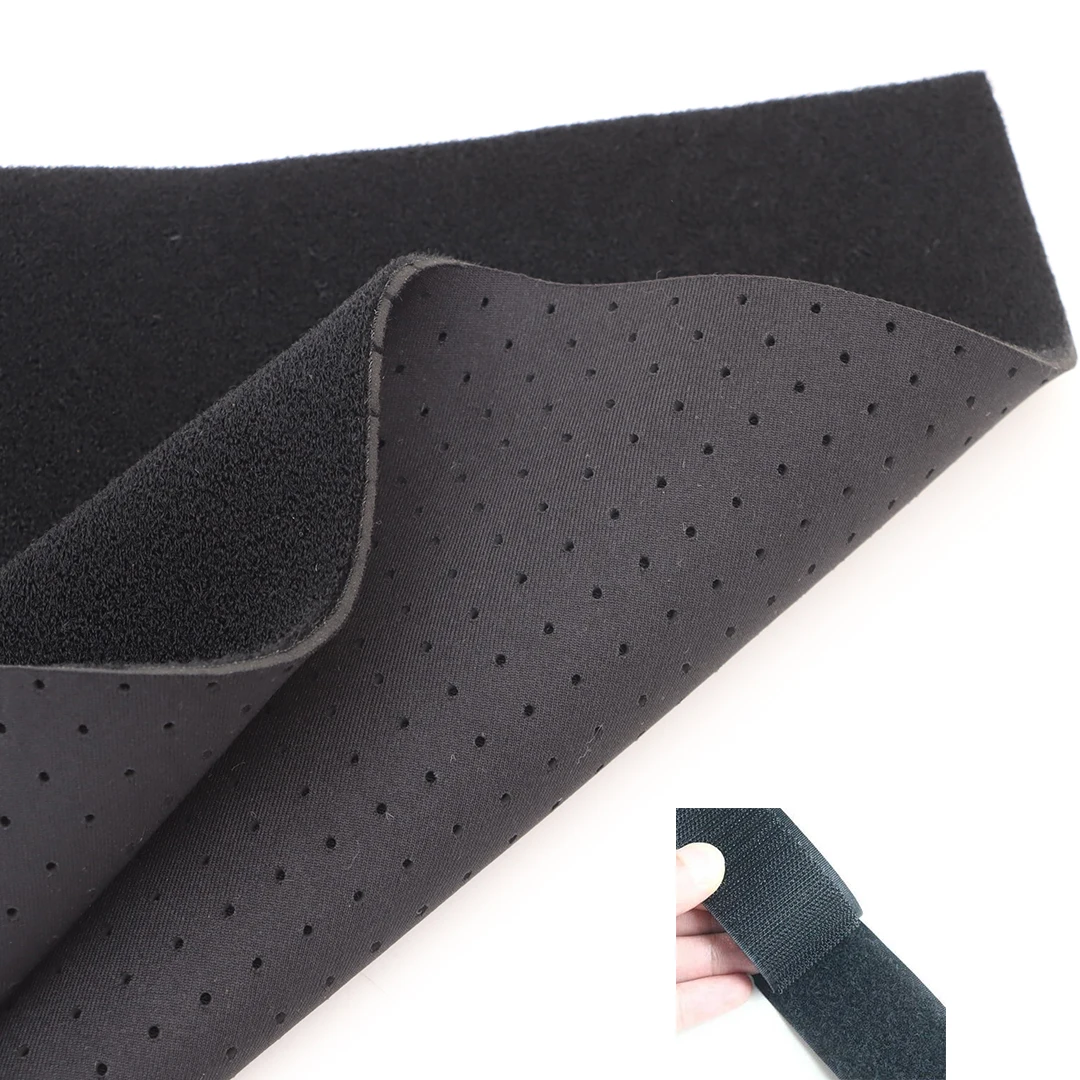
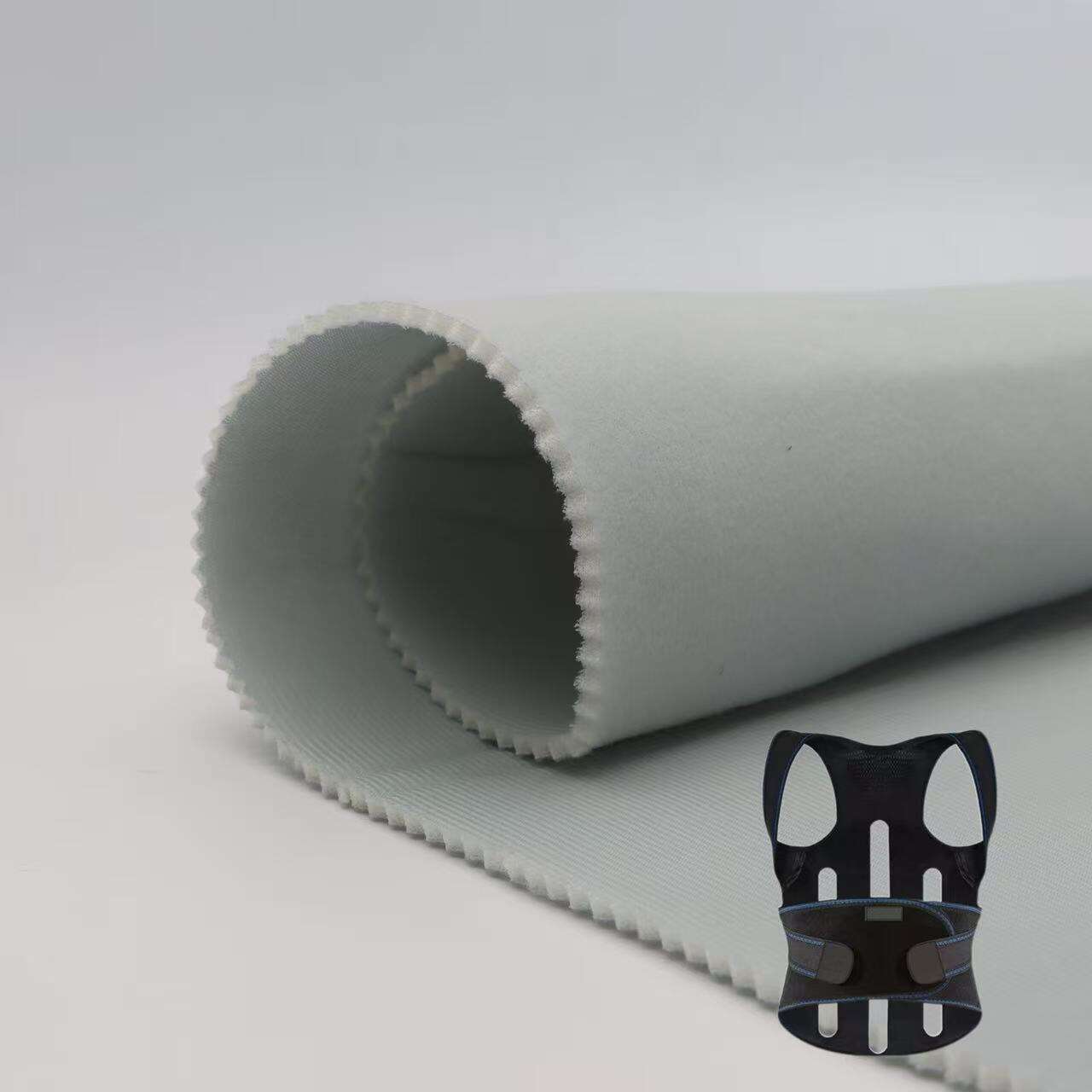
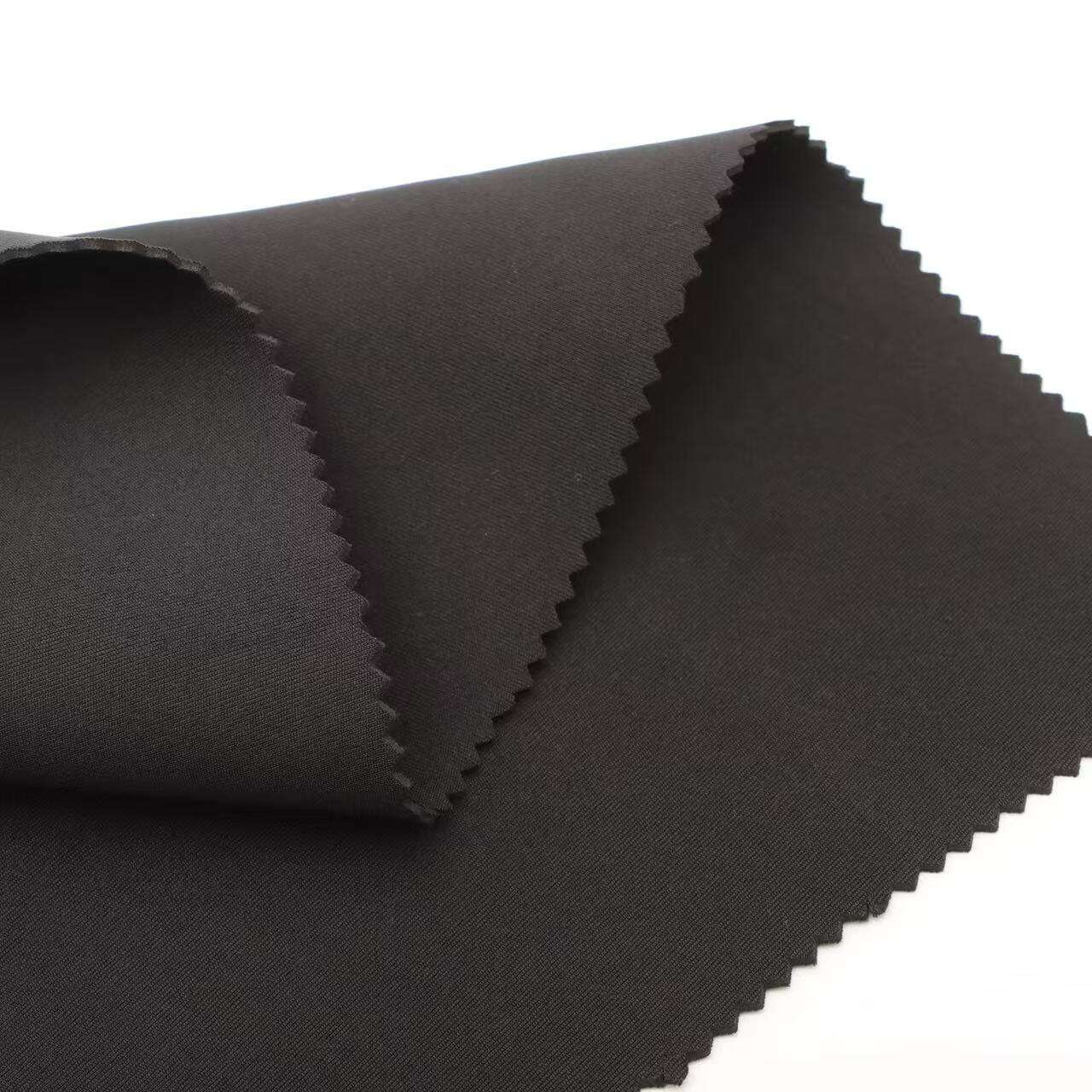
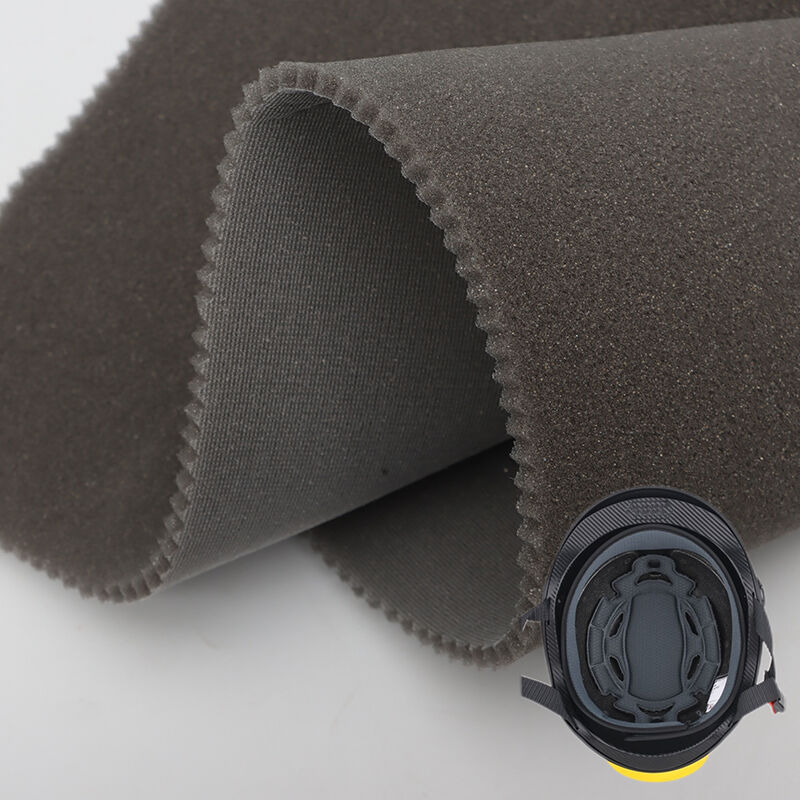
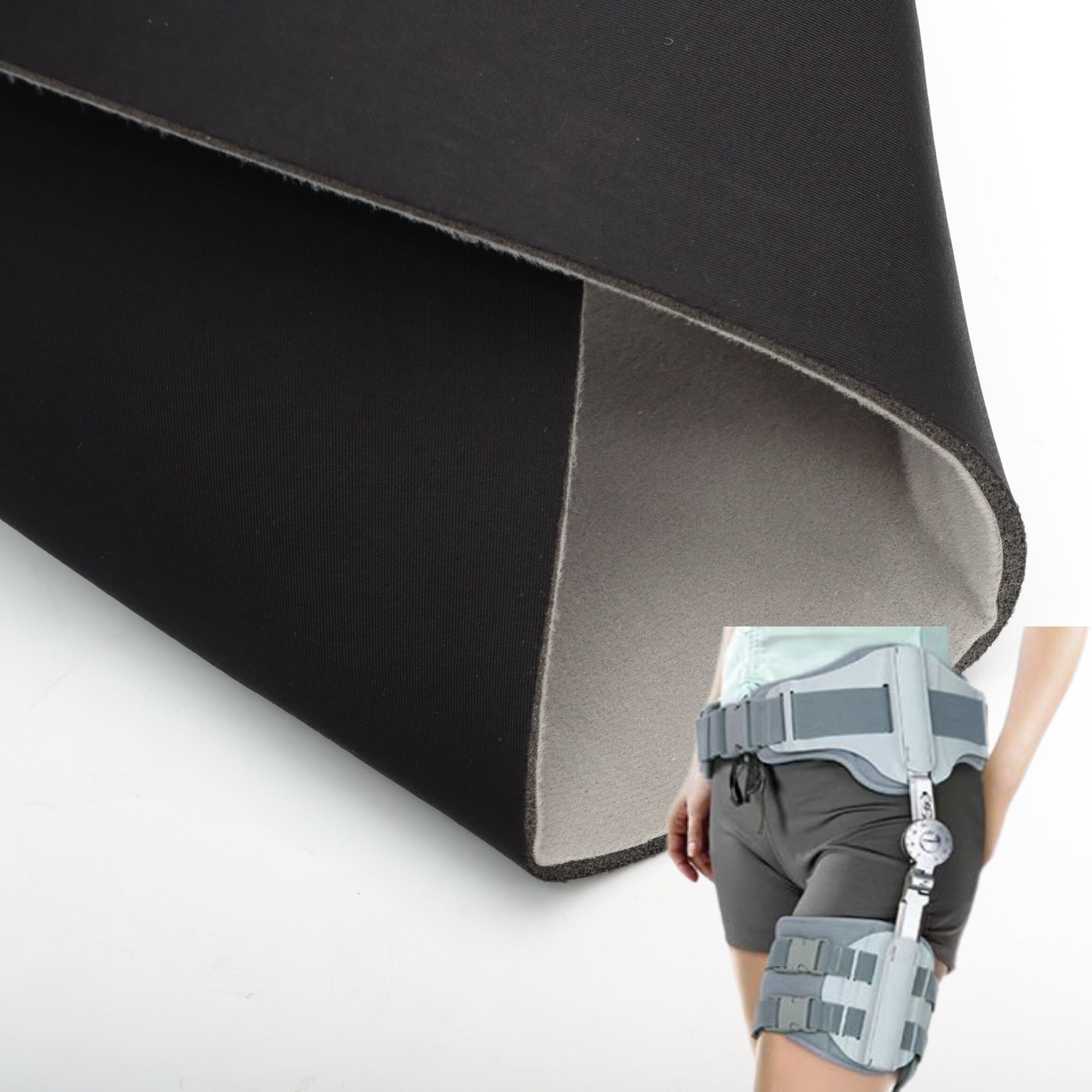
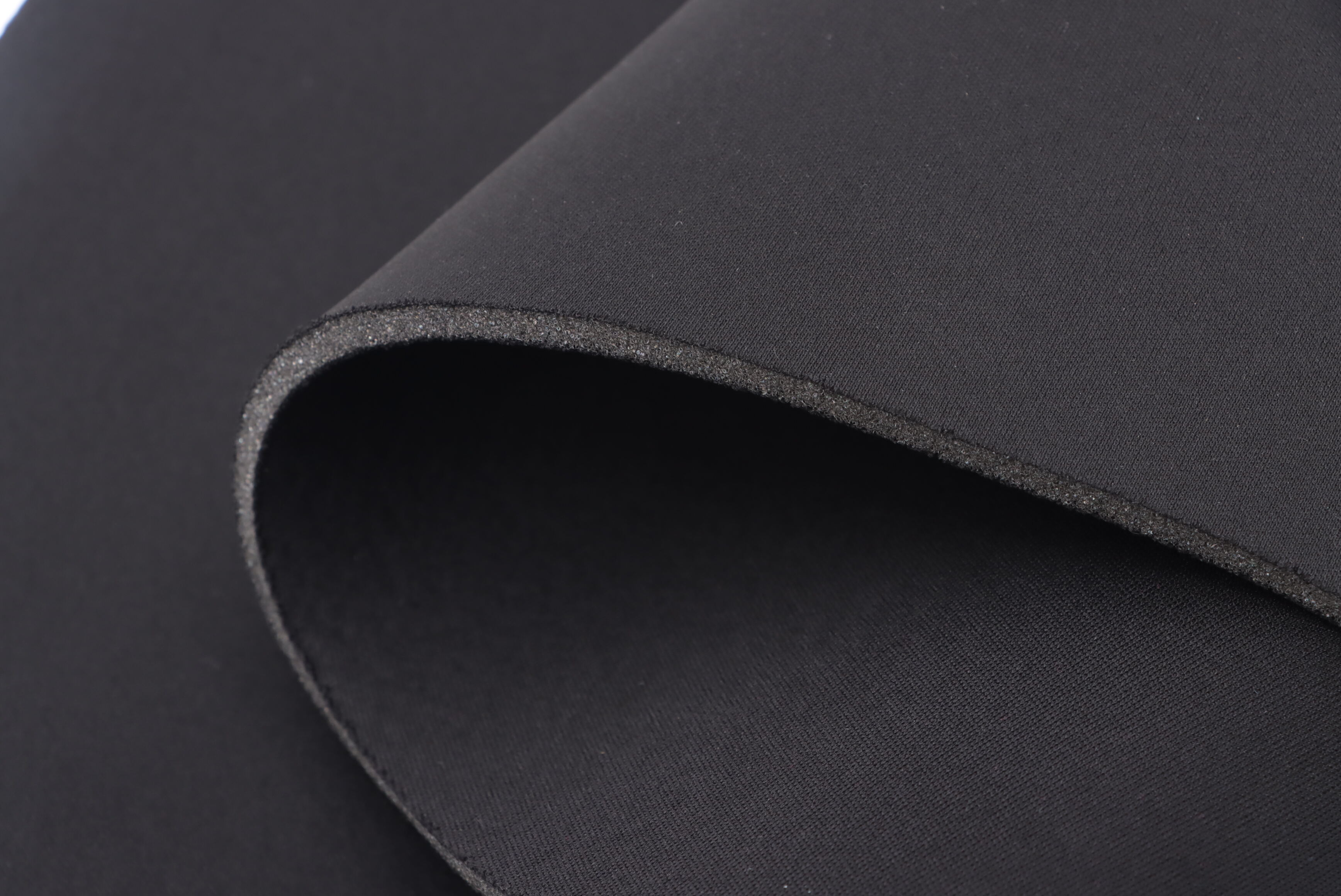
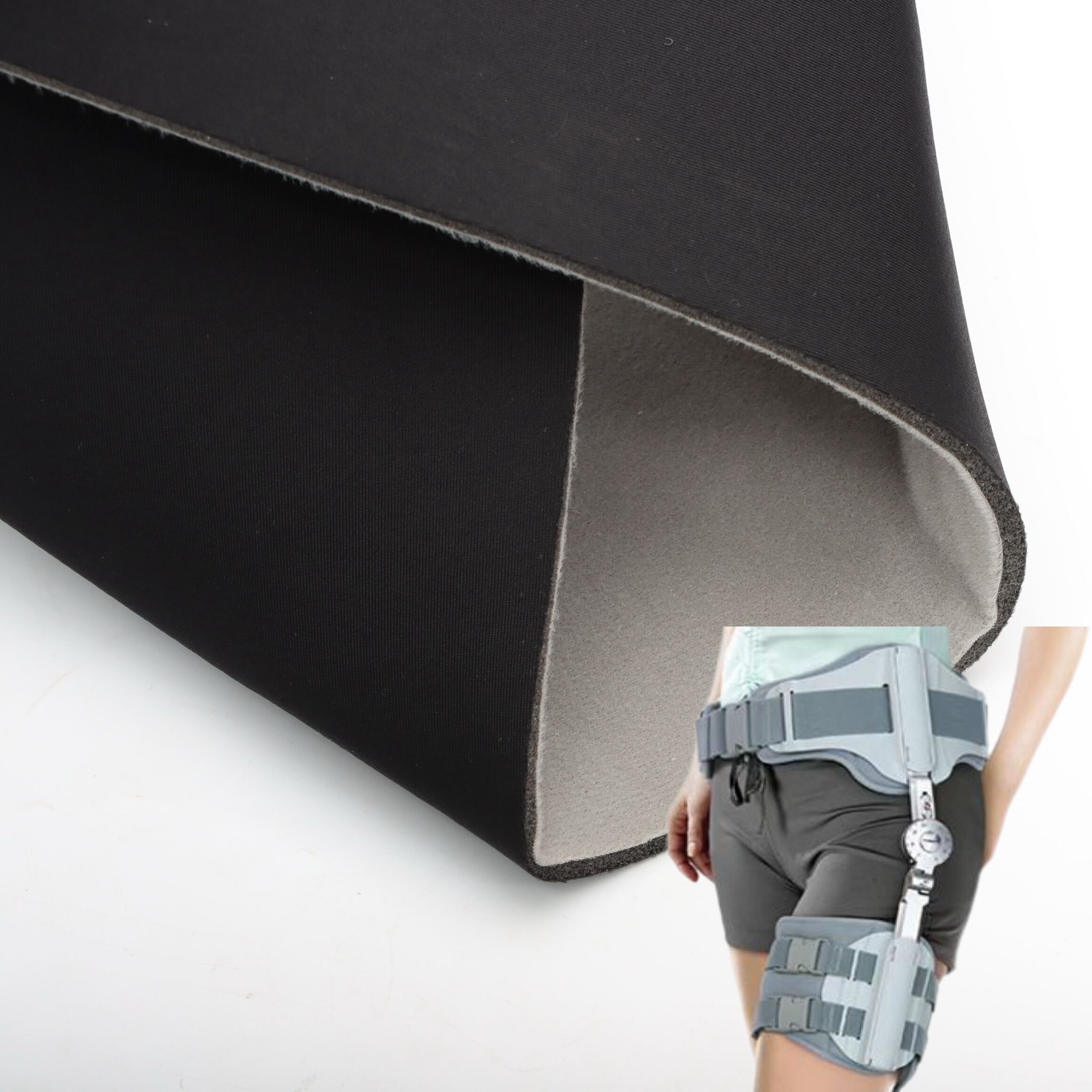
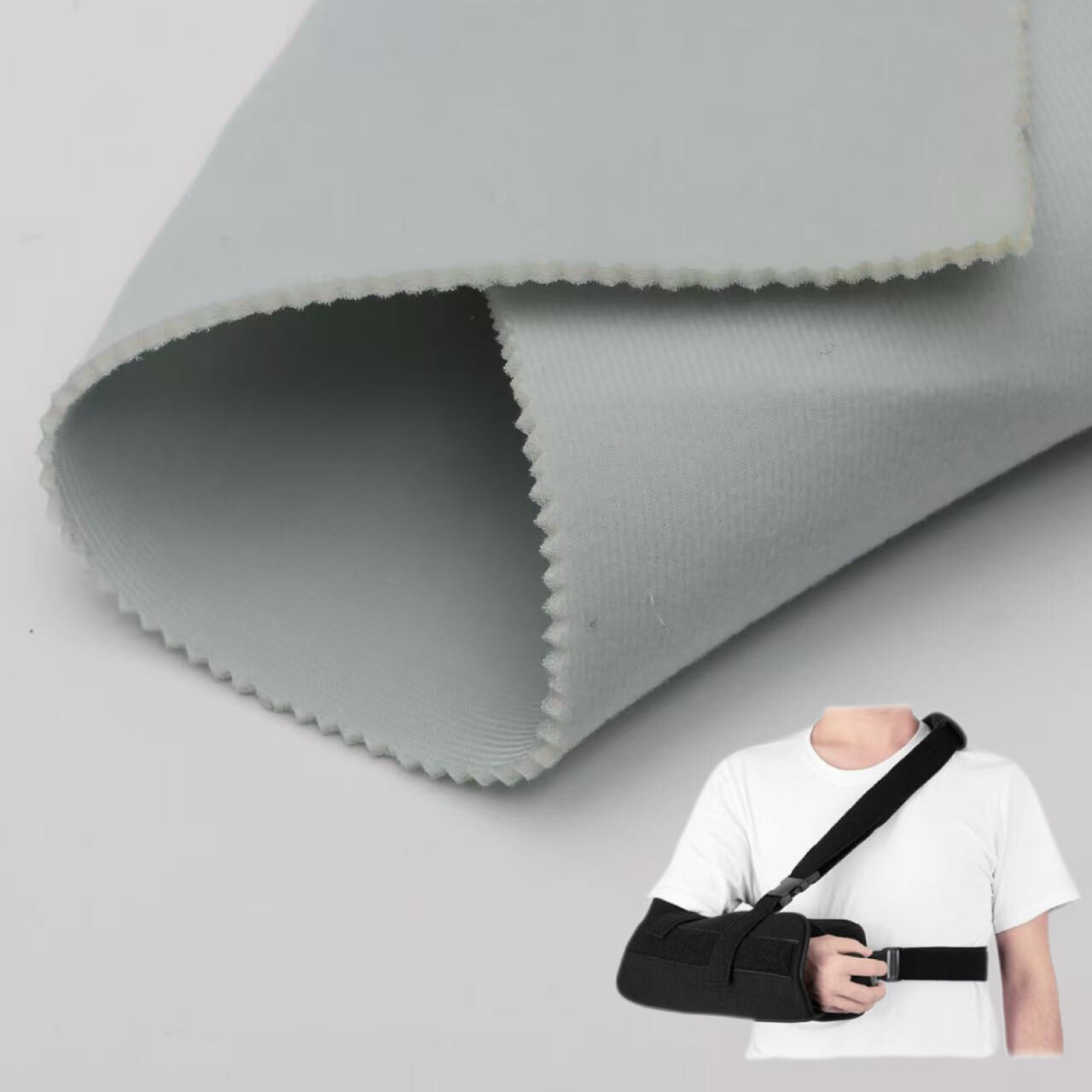
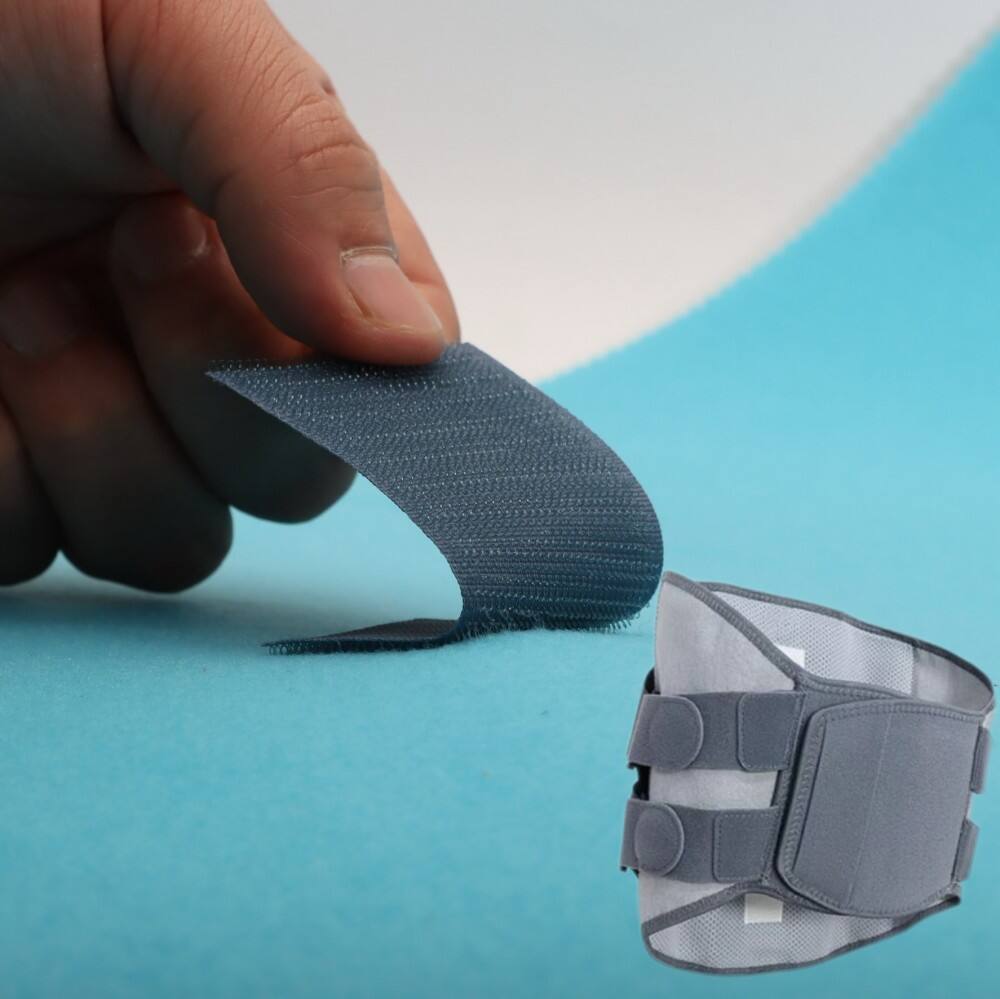
Laminated non woven fabric represents a significant advancement in textile engineering, combining durability with versatility. This innovative material consists of multiple layers bonded together through a specialized lamination process, creating a robust and versatile material. The base layer typically comprises non woven polypropylene or polyester fibers, which are thermally or chemically bonded. The lamination process adds additional layers, such as waterproof films, moisture barriers, or specialized coatings, enhancing the fabric's functionality. This engineered material excels in providing superior barrier protection while maintaining breathability, making it ideal for various applications. The manufacturing process involves careful control of temperature, pressure, and adhesive application to ensure optimal bonding between layers. The resulting fabric demonstrates exceptional strength to weight ratio, consistent quality, and customizable properties. Its applications span across multiple industries, including medical supplies, protective clothing, packaging materials, and construction barriers. The material's ability to resist liquid penetration while allowing vapor transmission makes it particularly valuable in healthcare and hygiene products. Additionally, its durability and resistance to tearing make it suitable for industrial applications where traditional textiles might fail.

 EN
EN