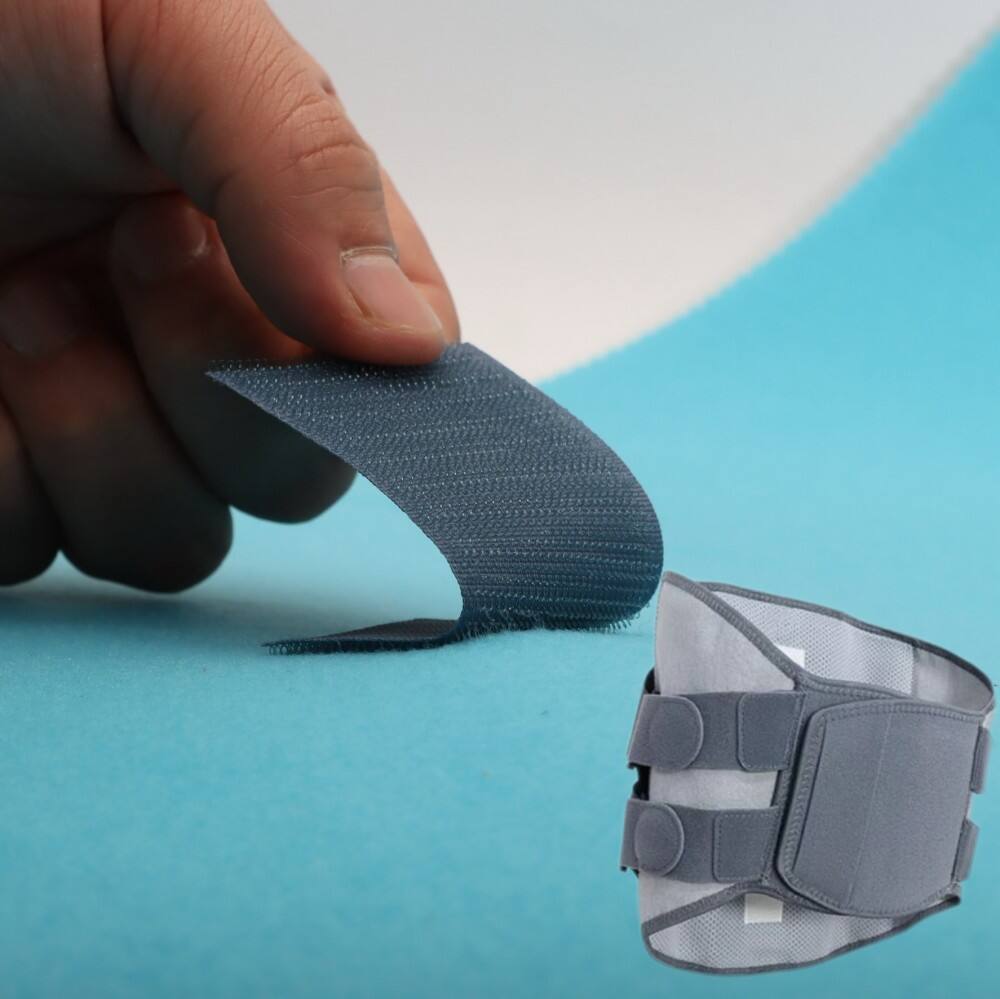
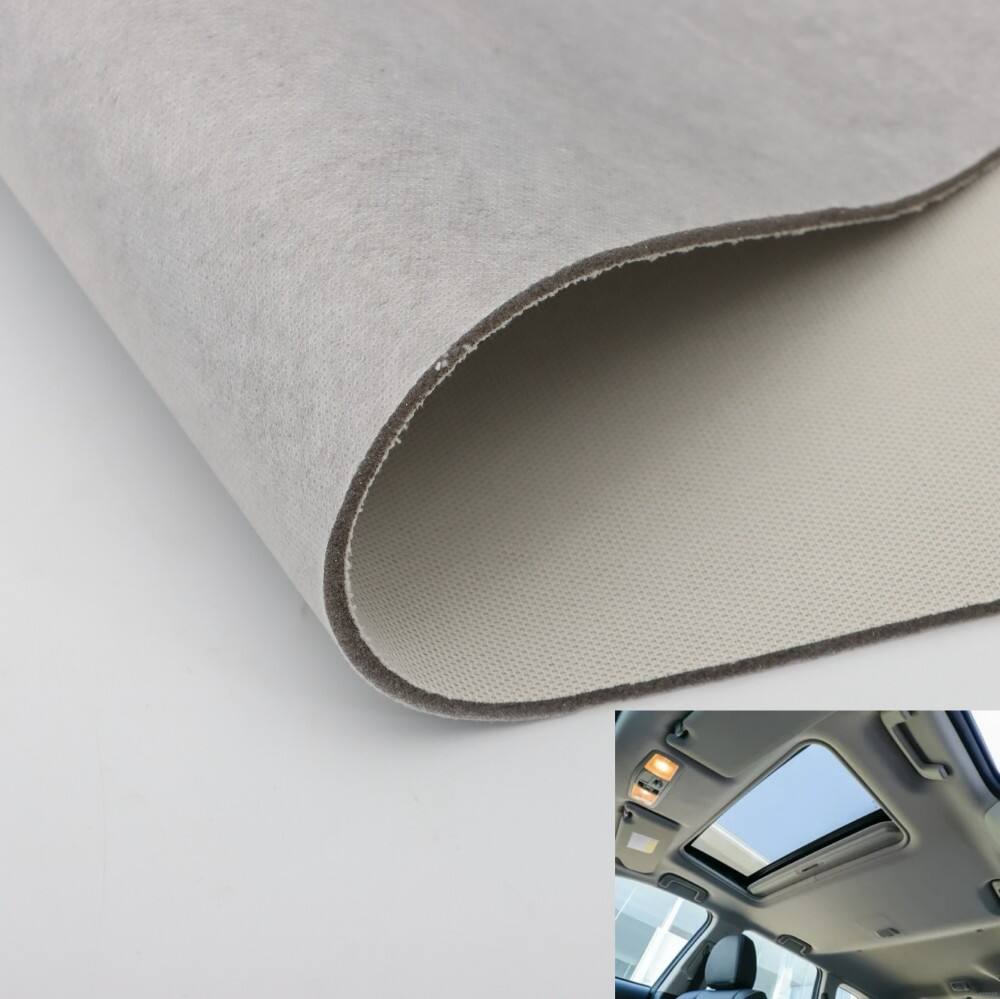
non woven lamination
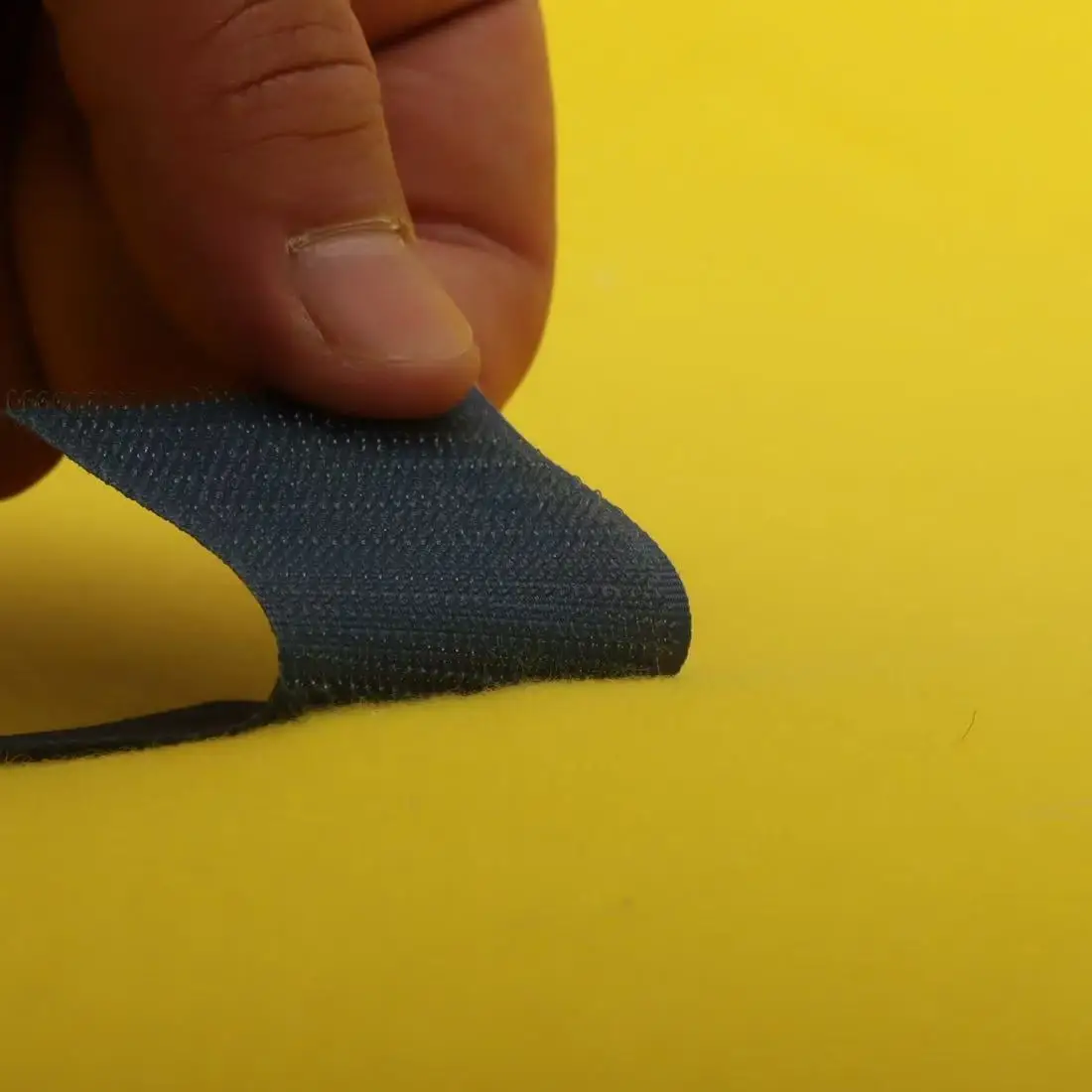
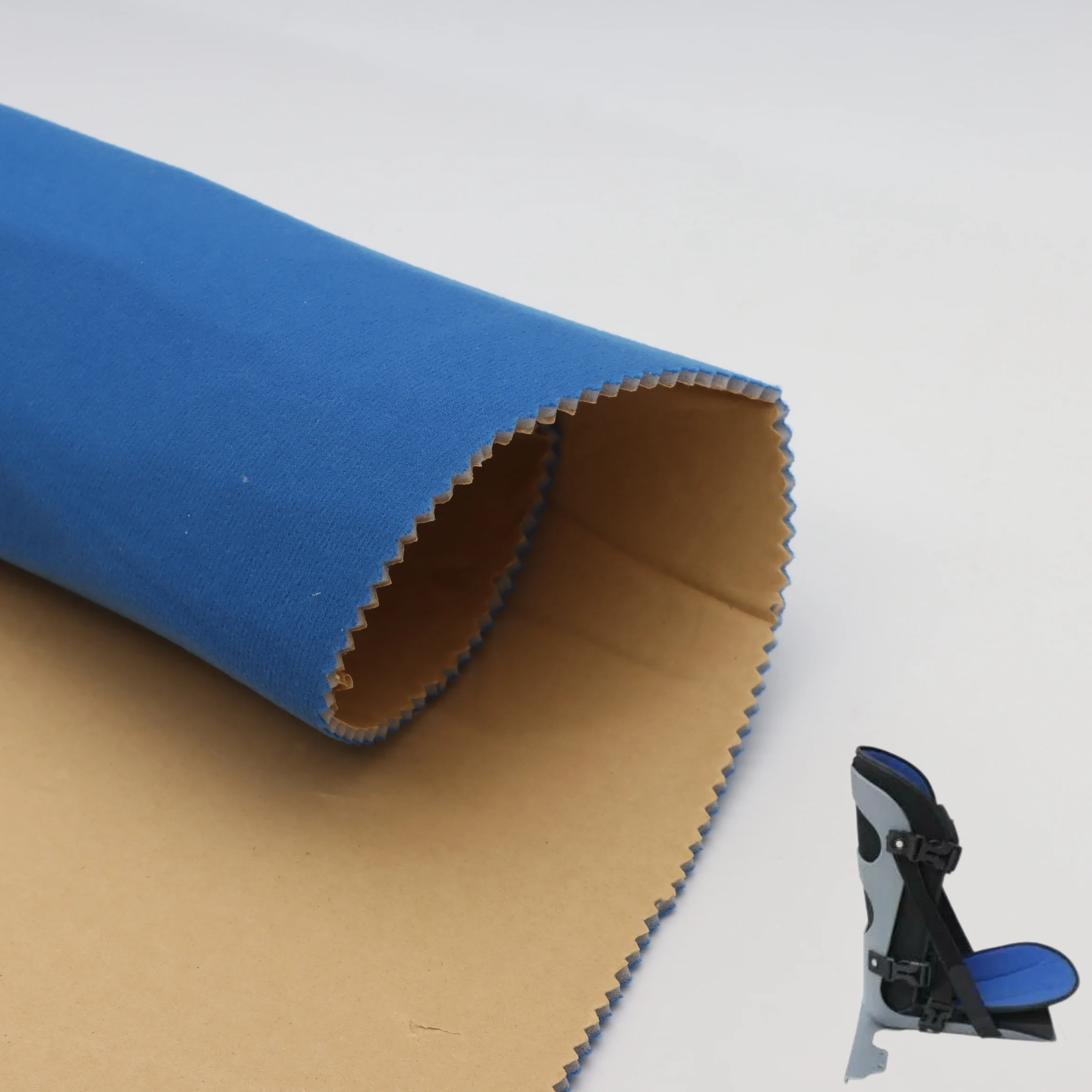
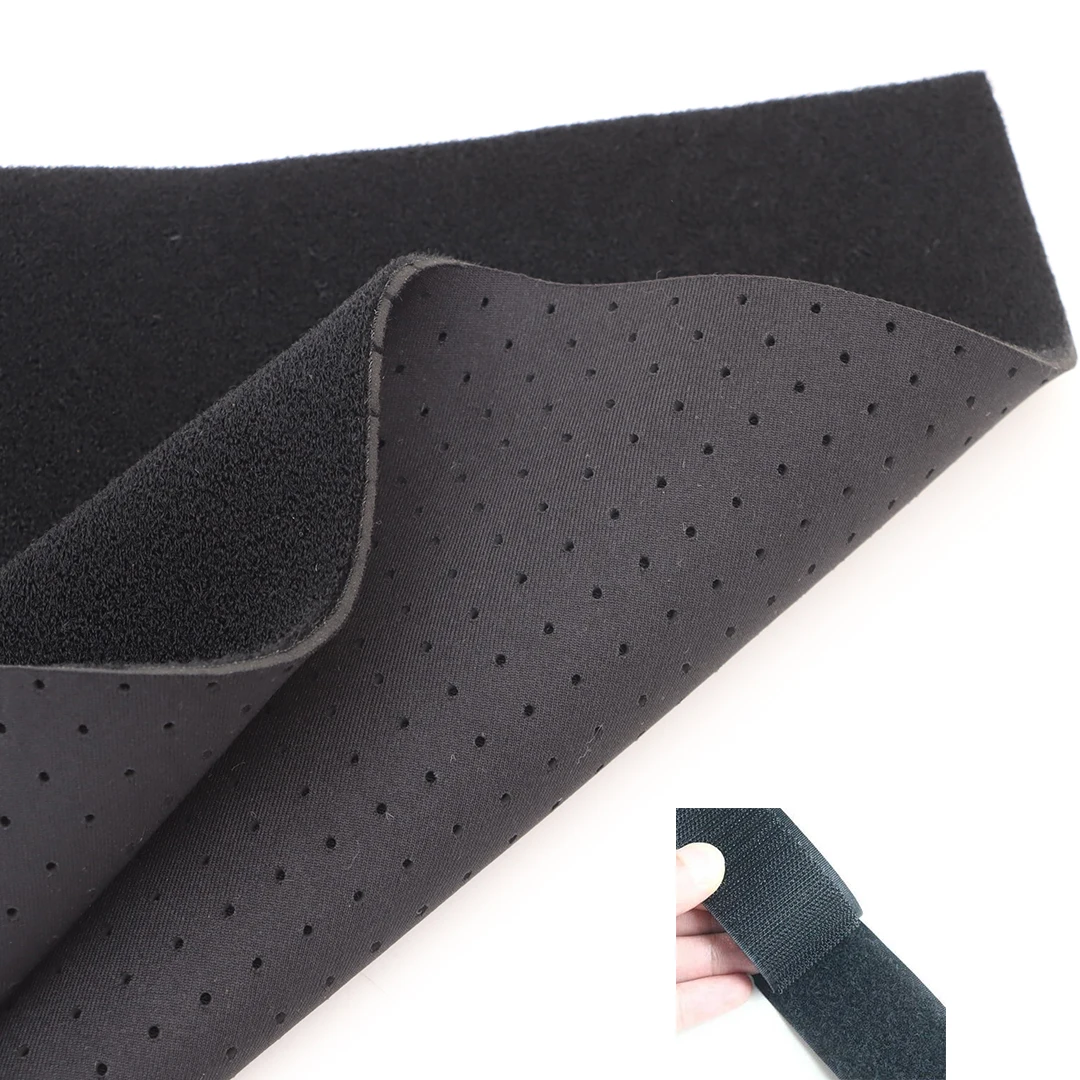
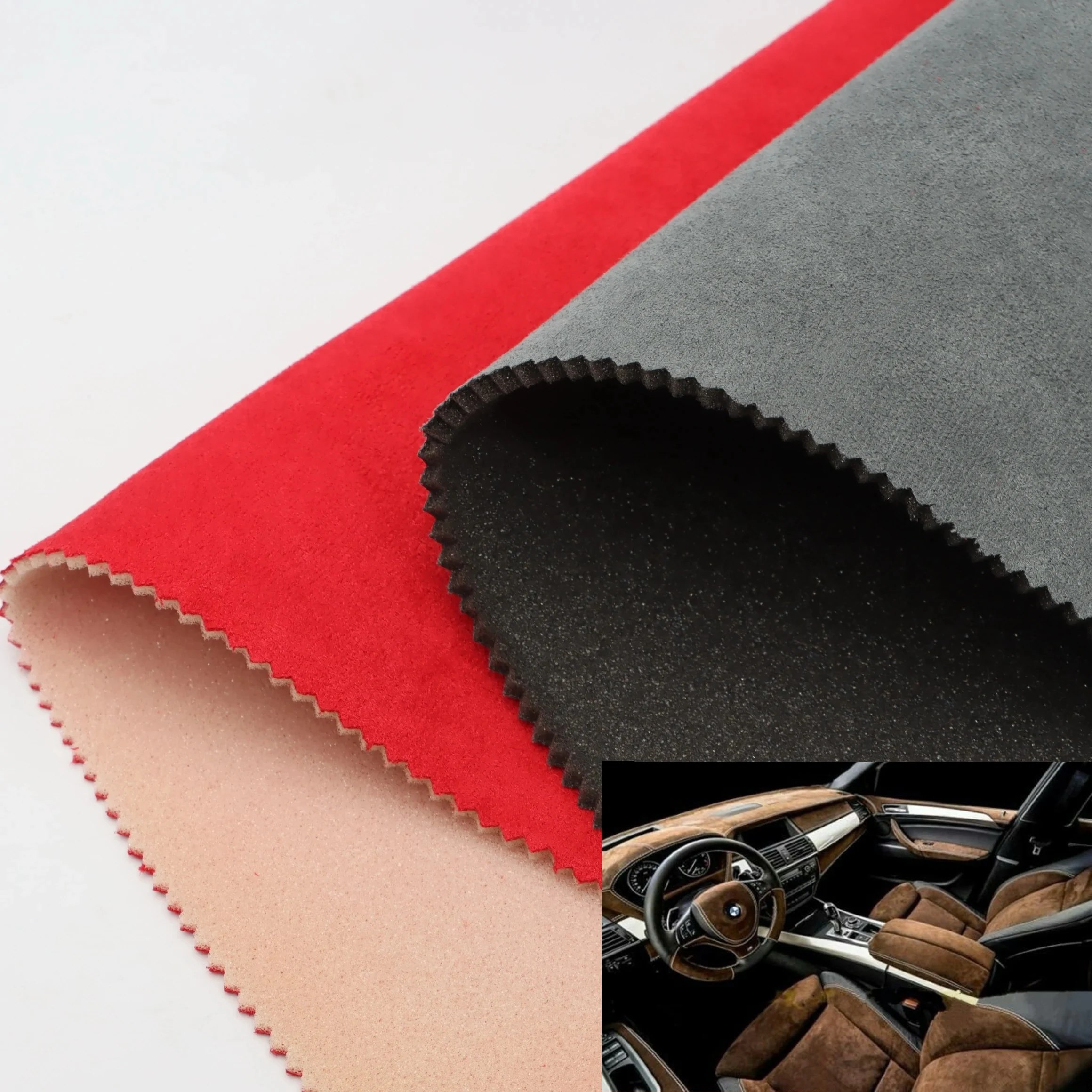
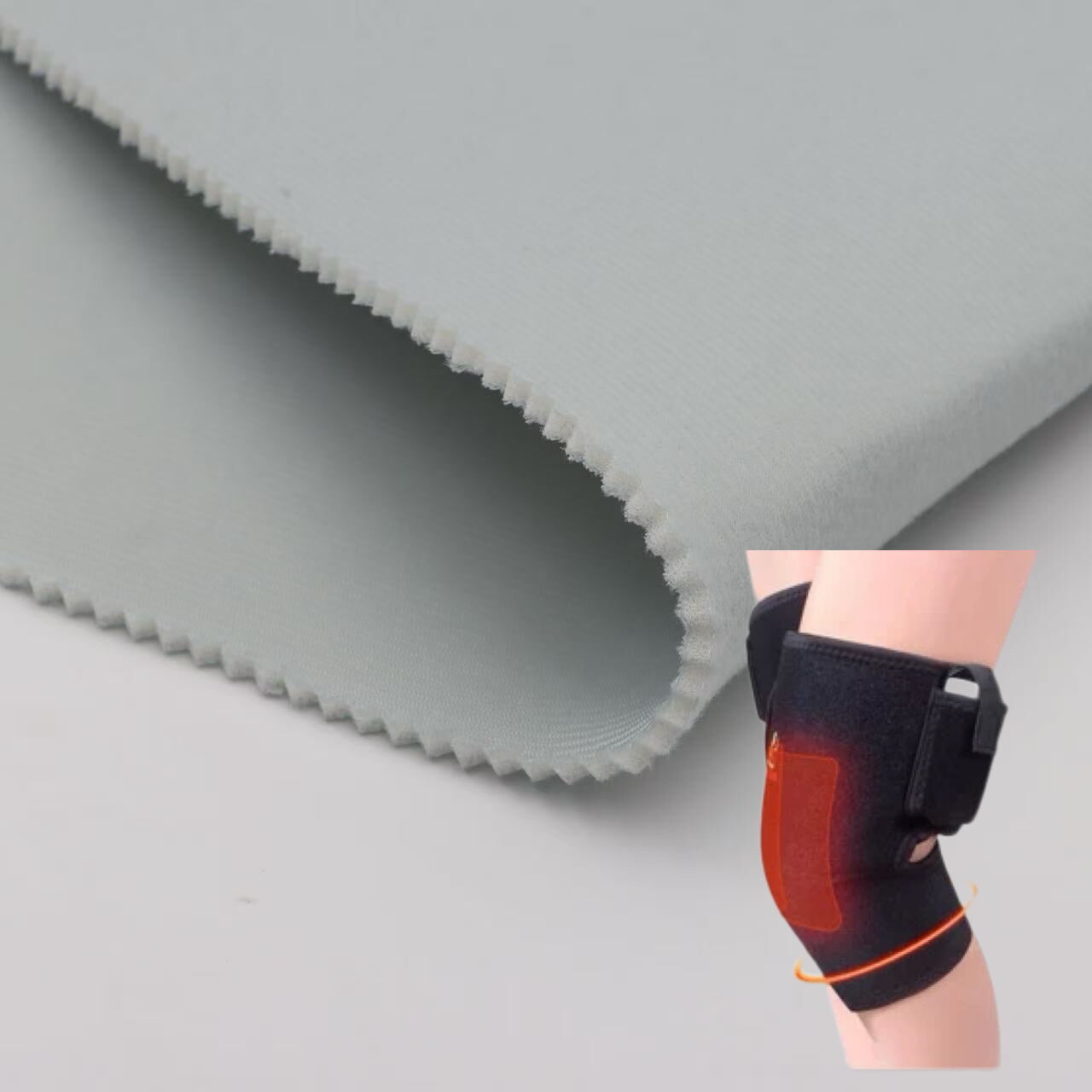
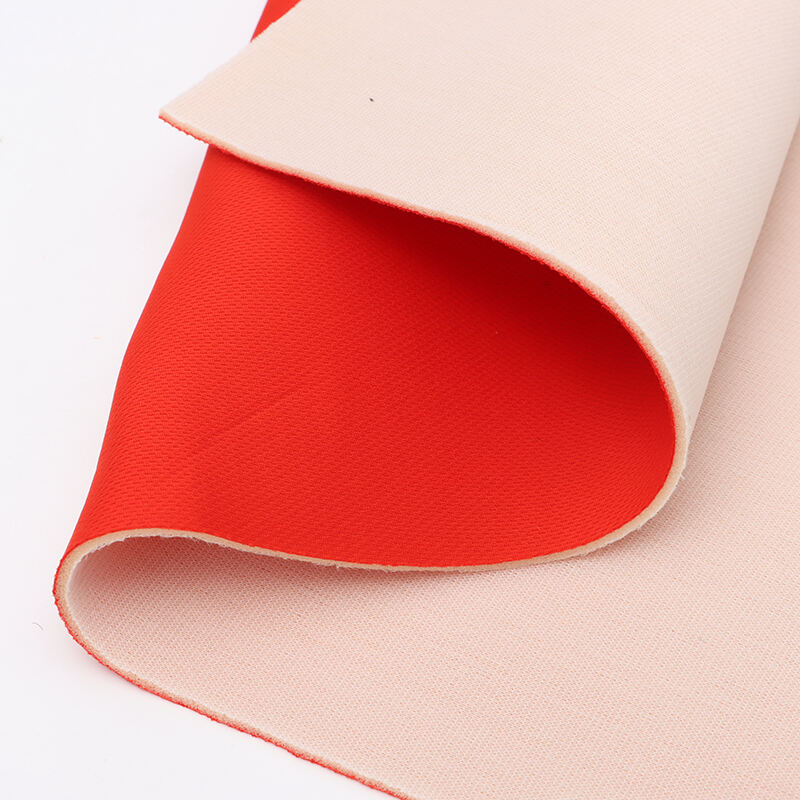
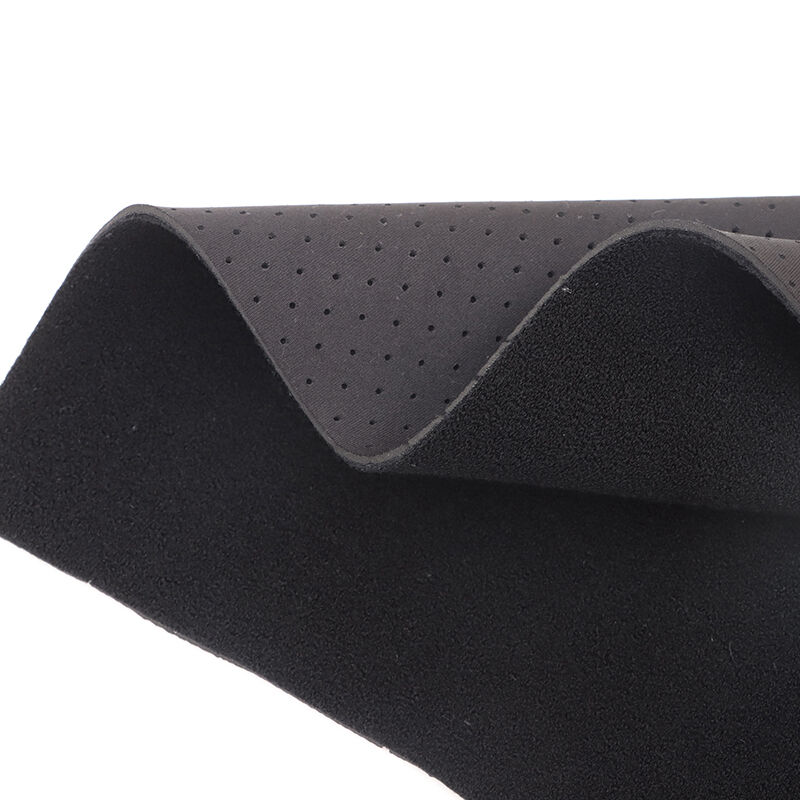
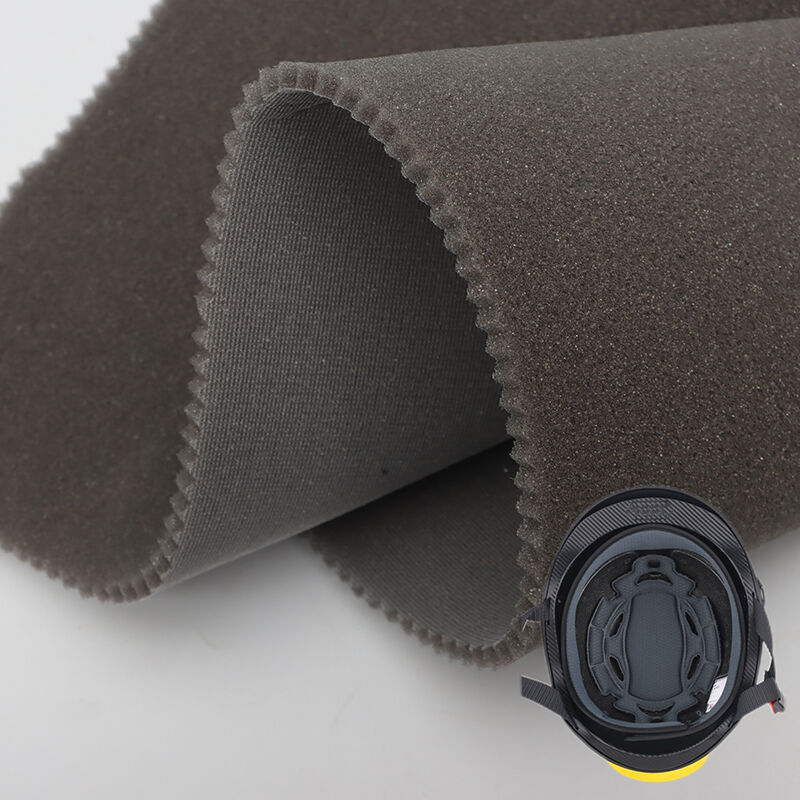
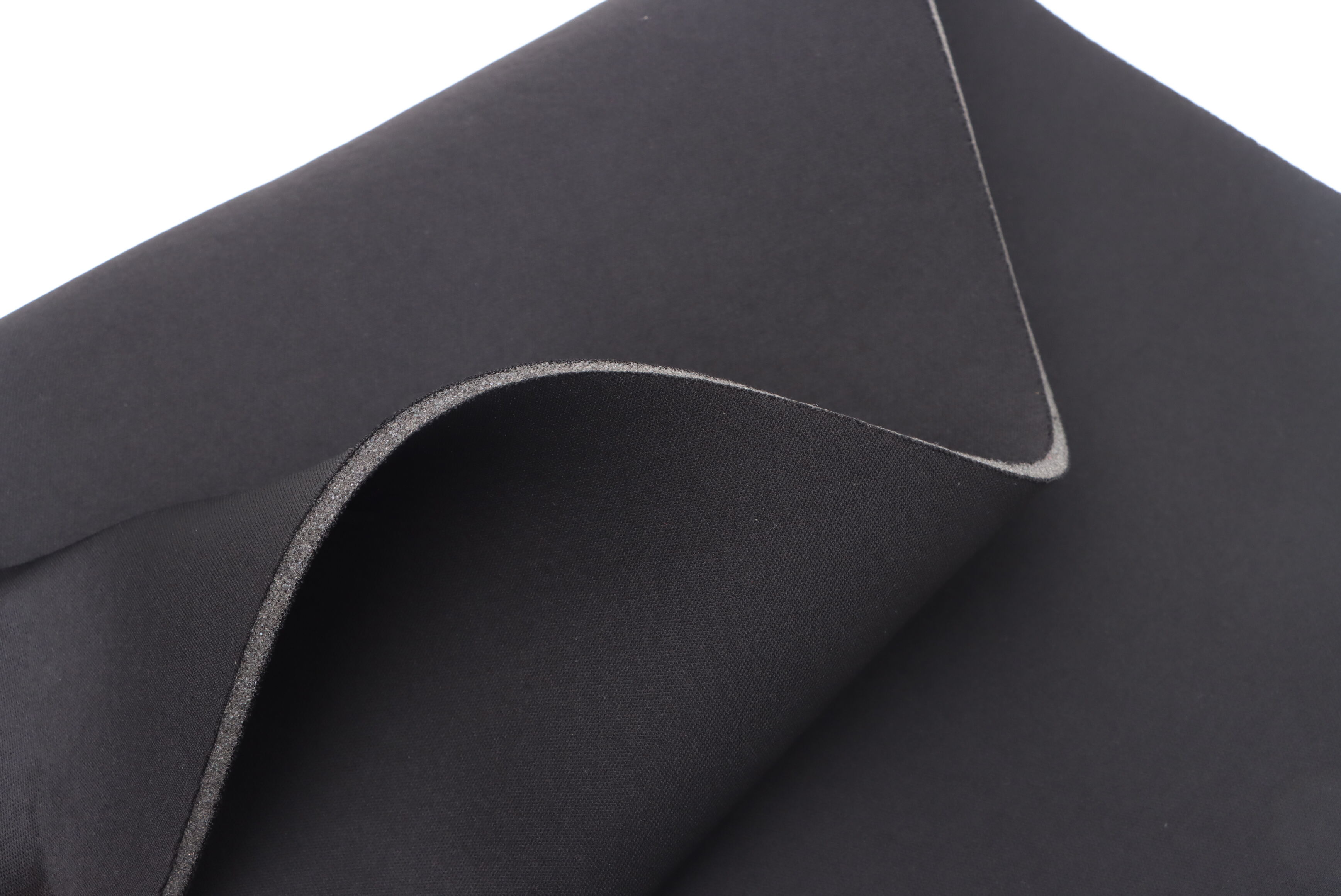
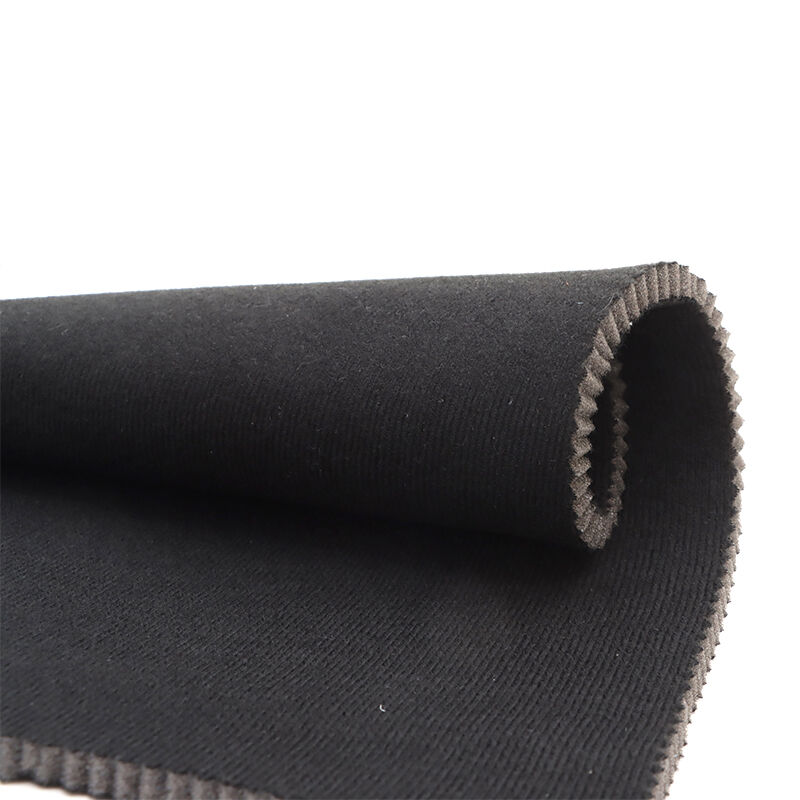
Non woven lamination represents a cutting edge manufacturing process that combines non woven materials with various substrates to create enhanced composite materials. This versatile technology involves bonding non woven fabrics with films, foils, or other materials through heat, pressure, or adhesive applications. The process significantly improves the material's structural integrity, moisture resistance, and overall durability. The technology employs sophisticated equipment including heated rollers, precision control systems, and specialized adhesive applicators to ensure uniform bonding and consistent quality. In industrial applications, non woven lamination serves multiple sectors including medical supplies, automotive interiors, construction materials, and filtration systems. The process can be customized to meet specific requirements for thickness, permeability, and strength, making it highly adaptable to various end uses. Modern lamination lines incorporate advanced features such as automated tension control, real time monitoring systems, and precise temperature regulation to maintain product consistency. This technology enables manufacturers to create materials with specific characteristics such as waterproofing, bacterial resistance, or enhanced strength while maintaining the desirable properties of non woven materials like breathability and lightweight construction.

 EN
EN