EN
EN



Understanding the Versatile Applications of Neoprene in Healthcare and Athletics
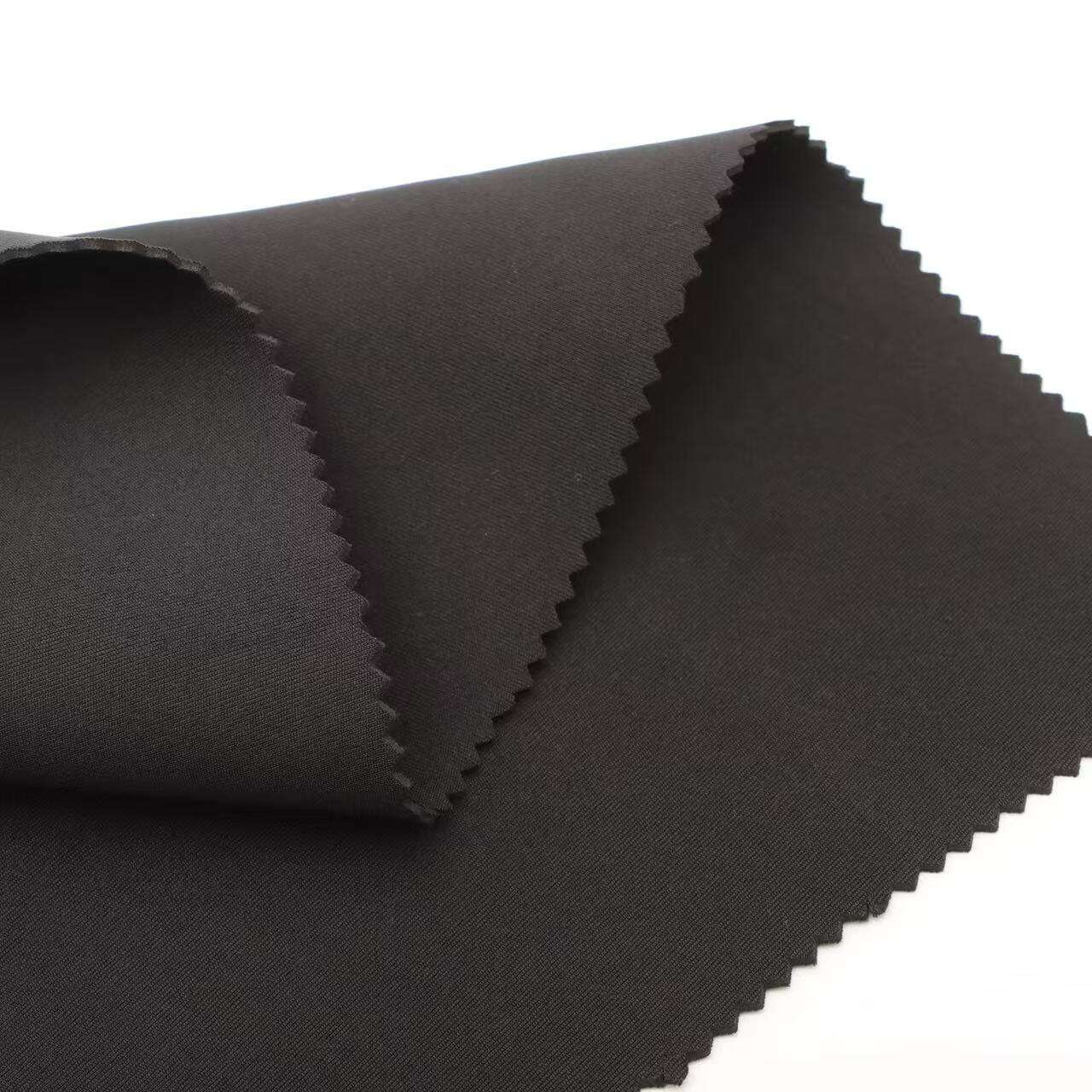
In the evolving landscape of technical textiles, neoprene fabric stands out as a remarkable material that has revolutionized both medical devices and sports equipment. This synthetic rubber material, first developed in 1930, has become indispensable across various industries due to its unique combination of flexibility, durability, and protective properties. Its widespread adoption in medical and athletic applications continues to grow as manufacturers discover new ways to harness its exceptional characteristics.
The impact of neoprene fabric extends far beyond its initial industrial applications. Today, it plays a crucial role in creating comfortable, effective medical supports and high-performance athletic gear. Its ability to provide compression, thermal insulation, and water resistance while maintaining breathability makes it an ideal choice for products that require these specific properties.
Medical Applications of Neoprene Technology
Orthopedic Support and Rehabilitation
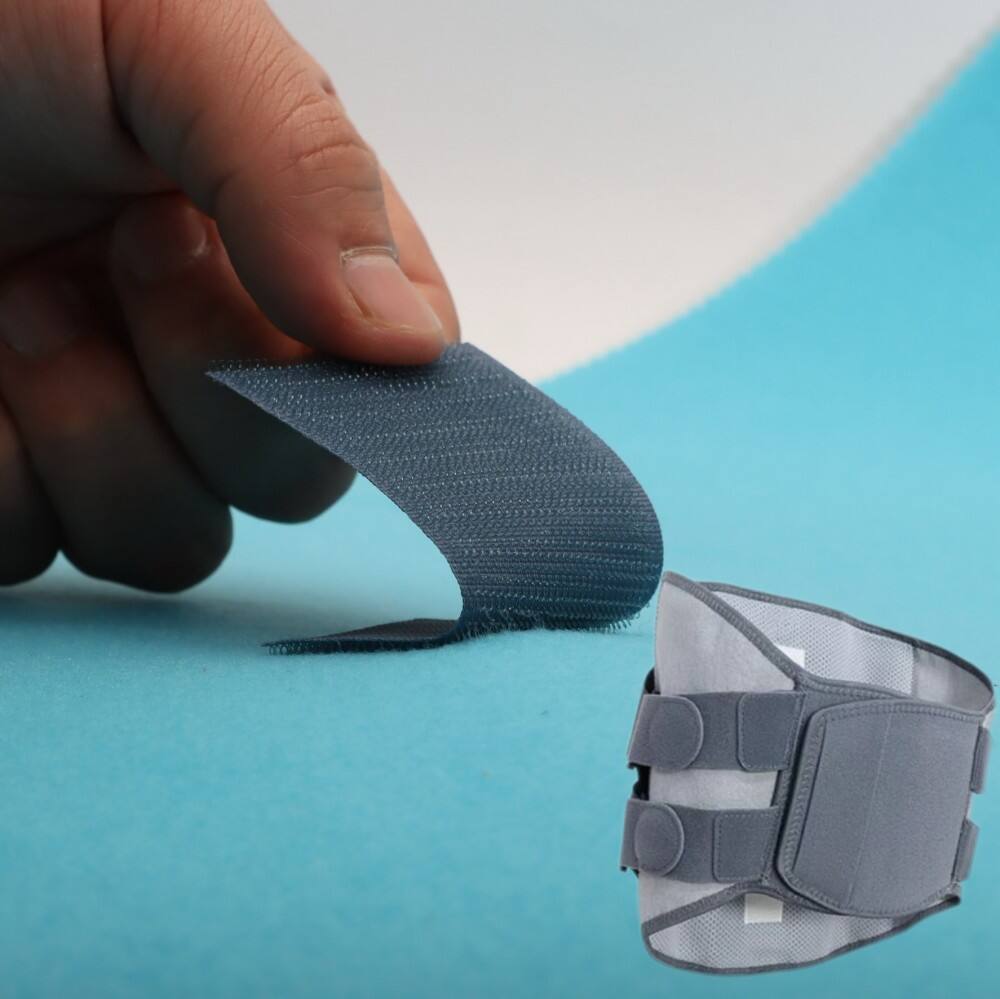
In the medical field, neoprene fabric has become a cornerstone material for manufacturing orthopedic supports and braces. These devices provide crucial stability and compression for patients recovering from injuries or managing chronic conditions. Medical professionals regularly prescribe neoprene-based supports for conditions ranging from minor sprains to post-surgical recovery.
The material's excellent compression properties help reduce swelling and promote proper blood circulation, which is essential for healing. Additionally, the thermal properties of neoprene fabric help maintain muscle warmth, reducing the risk of further injury and supporting the recovery process. The material's flexibility allows for natural movement while providing necessary support, making it ideal for long-term wear during rehabilitation.
Therapeutic Products and Medical Devices
Beyond orthopedic applications, neoprene fabric is extensively used in various therapeutic products and medical devices. Compression sleeves, therapy wraps, and protective padding all benefit from neoprene's unique properties. The material's ability to conform to body contours while maintaining its supportive characteristics makes it particularly effective in these applications.
Medical device manufacturers often choose neoprene fabric for its hypoallergenic properties and resistance to biological degradation. This makes it suitable for products that come into direct contact with the skin for extended periods. The material's durability ensures that medical devices maintain their effectiveness throughout their intended lifespan, providing consistent support and protection to patients.
Sports Industry Applications and Innovations
Performance Enhancement Gear
The sports industry has embraced neoprene fabric as a key component in performance enhancement gear. Athletes across various disciplines rely on neoprene-based products to improve their performance and protect against injury. From compression shorts to protective padding, the material's properties contribute to better athletic outcomes.
Manufacturers incorporate neoprene fabric into sports gear to provide targeted compression, which can enhance muscle performance and reduce fatigue during intense physical activity. The material's ability to regulate temperature while maintaining flexibility makes it particularly valuable in outdoor sports where environmental conditions can vary significantly.
Protective Equipment and Safety Gear
In contact sports and high-impact activities, neoprene fabric plays a crucial role in protective equipment. Its shock-absorbing properties help minimize the risk of injury while maintaining comfort and mobility. From knee pads to impact protection suits, neoprene-based gear provides essential safety features for athletes.
The material's water-resistant properties make it especially valuable in water sports equipment, where it provides both protection and insulation. Surfers, divers, and swimmers benefit from neoprene's ability to maintain body temperature while offering necessary protection against environmental elements.
Manufacturing Processes and Quality Considerations
Production Technologies
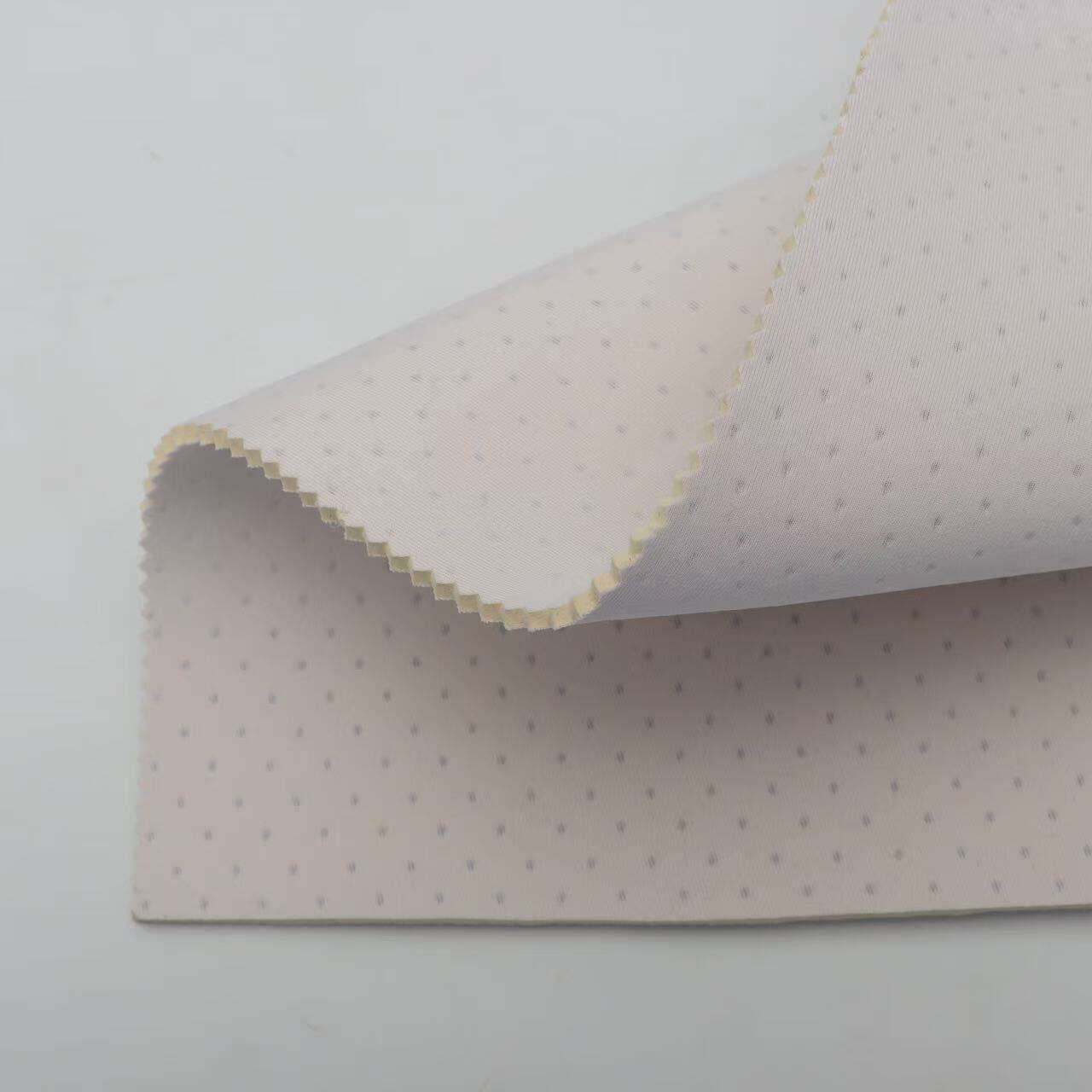
The manufacturing of neoprene fabric involves sophisticated processes that ensure consistent quality and performance. Advanced production technologies allow manufacturers to create specialized variants of the material tailored to specific medical and sports applications. The thickness, density, and surface texture can be precisely controlled to meet various requirements.
Quality control measures throughout the manufacturing process ensure that the neoprene fabric meets strict medical and safety standards. This includes testing for durability, elasticity, and chemical stability to guarantee optimal performance in end-use applications.
Material Innovation and Development
Ongoing research and development in neoprene fabric technology continue to yield improvements in performance and functionality. Manufacturers are exploring new compounds and production methods to enhance the material's properties while reducing environmental impact. These innovations focus on increasing durability, improving comfort, and expanding the range of possible applications.
Recent developments include the integration of antimicrobial properties and enhanced moisture-wicking capabilities, making neoprene fabric even more suitable for medical and athletic applications. These advancements demonstrate the material's continuing evolution to meet changing industry needs.
Frequently Asked Questions
What makes neoprene fabric suitable for medical applications?
Neoprene fabric is ideal for medical applications due to its combination of flexibility, durability, and compression properties. It's hypoallergenic, provides excellent support, and maintains its effectiveness over extended periods of use. The material's ability to conform to body contours while providing consistent compression makes it particularly valuable in medical devices and supports.
How does neoprene fabric enhance athletic performance?
Neoprene fabric enhances athletic performance through targeted compression, which can improve muscle efficiency and reduce fatigue. Its thermal properties help maintain optimal muscle temperature, while its protective characteristics guard against impact and environmental factors. The material's flexibility allows for full range of motion while providing necessary support.
Is neoprene fabric safe for long-term medical use?
Yes, neoprene fabric is safe for long-term medical use when properly manufactured and maintained. It undergoes rigorous testing to meet medical standards and is designed to be hypoallergenic. However, as with any medical device, it's important to follow healthcare provider recommendations and proper care instructions to ensure optimal safety and effectiveness.