 ×
×
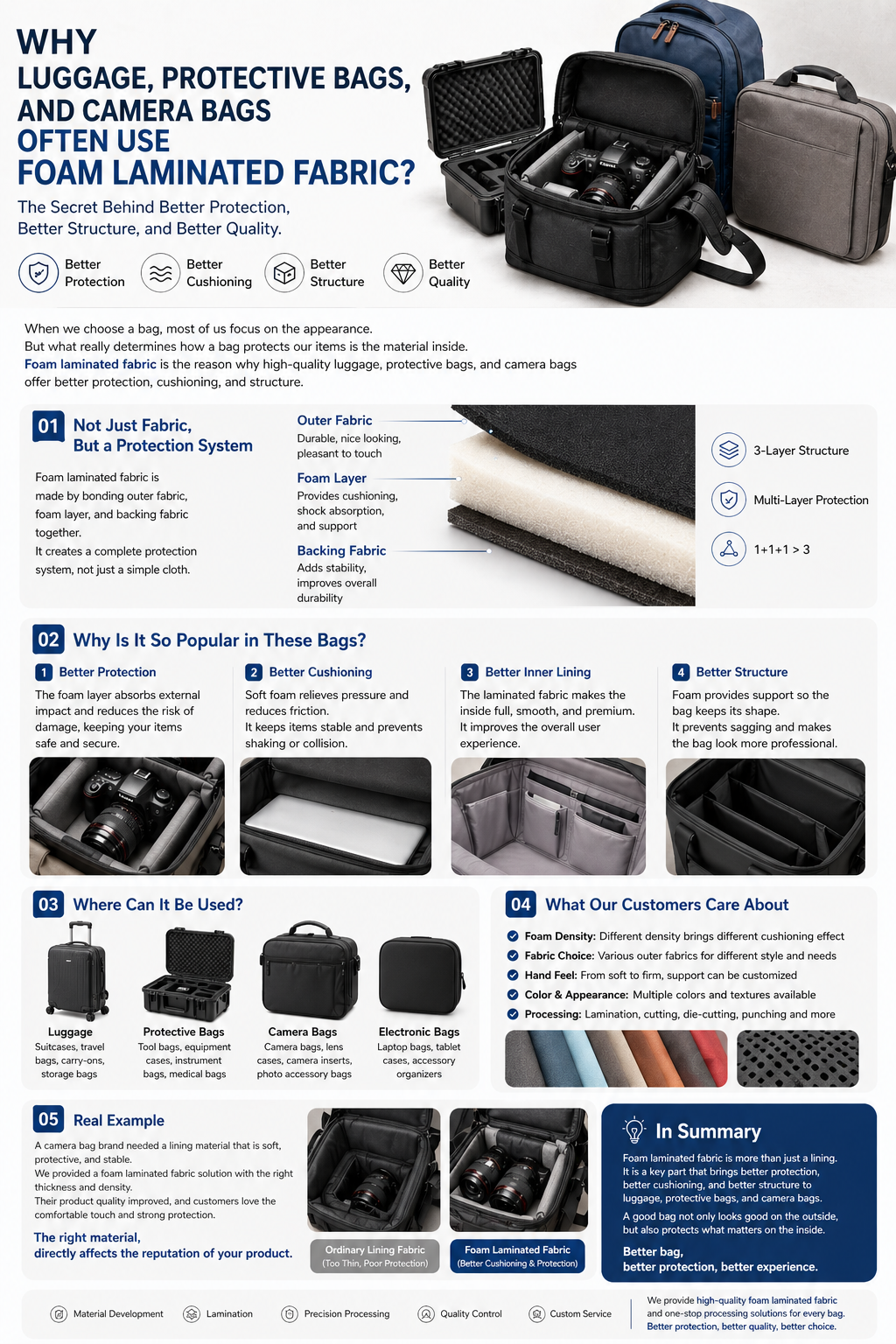
When people look at a bag, they usually notice the outside first — the color, shape, fabric, and hardware.
But for many high-quality bags, the real difference is often inside.
For luggage, protective bags, camera bags, tool bags, and laptop bags, the lining is not just a decorative layer. It works as a hidden protection system, helping the bag provide better cushioning, structure, and long-term usability.
That is why more manufacturers choose foam laminated fabric for bag lining and cushioning applications.
1. The lining is more than an inner fabric
A simple lining fabric can cover the inside of a bag, but it may not provide enough protection.
For products that carry cameras, laptops, tools, instruments, or electronic devices, the lining needs to do more. It should help:
protect the items inside
reduce friction and impact
provide a softer contact surface
improve internal support
make the finished bag feel more complete
A good lining can turn a bag from “just storage” into a more protective and reliable product.
2. Why ordinary lining fabric may not be enough
Ordinary lining fabric is usually thin and mainly used for covering or decoration.
For daily storage bags, this may be acceptable.
But for camera bags, protective bags, tool bags, and laptop bags, customers usually expect better cushioning and structure.
Common issues with ordinary lining include:
Issue |
Result |
Too thin |
Weak protection |
No cushioning layer |
Hard contact |
Low support |
Bag may collapse easily |
Thin hand feel |
Lower finished quality |
Unstable structure |
Poor long-term use experience |
This is where foam laminated fabric becomes more practical.
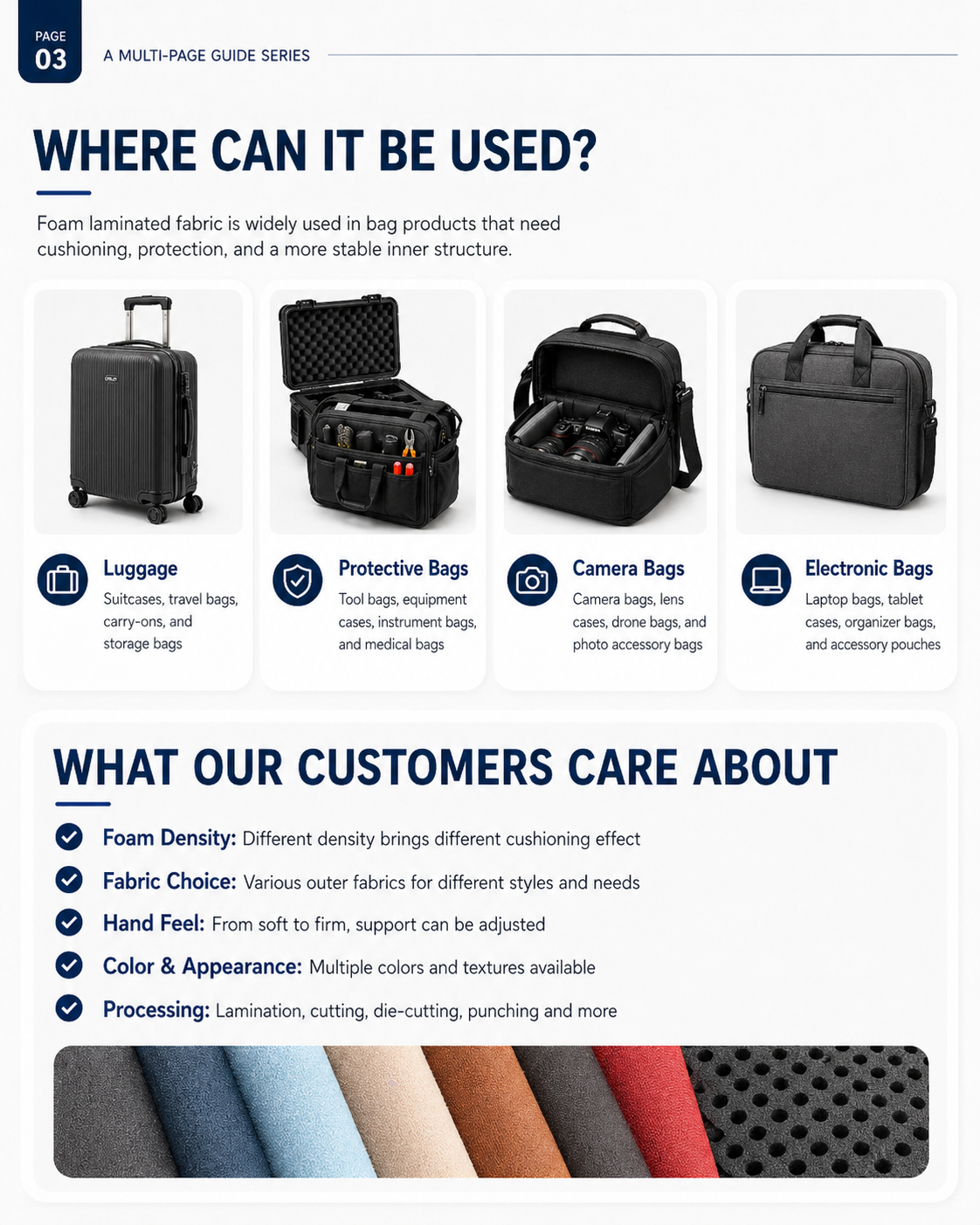
3. What does foam laminated fabric provide?
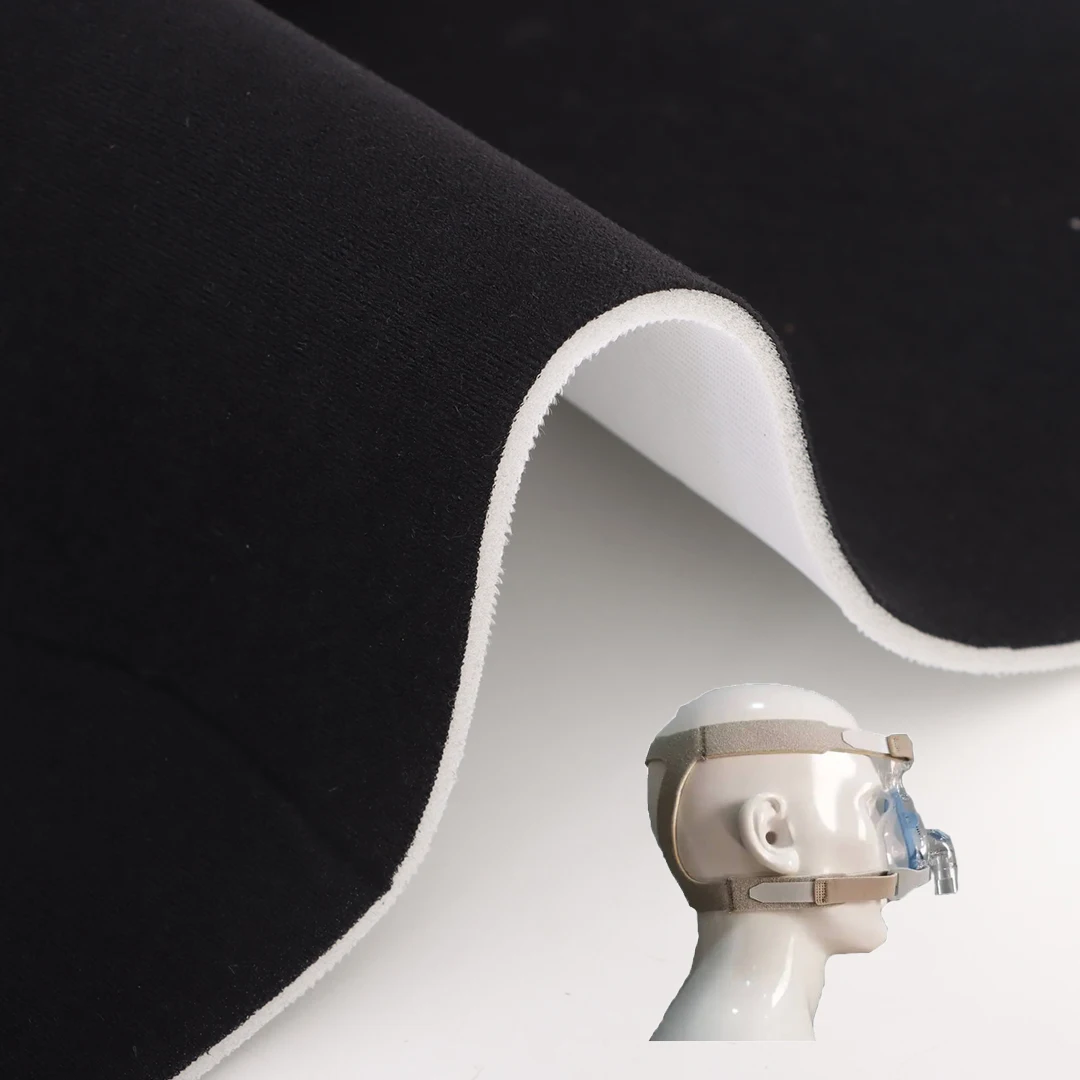
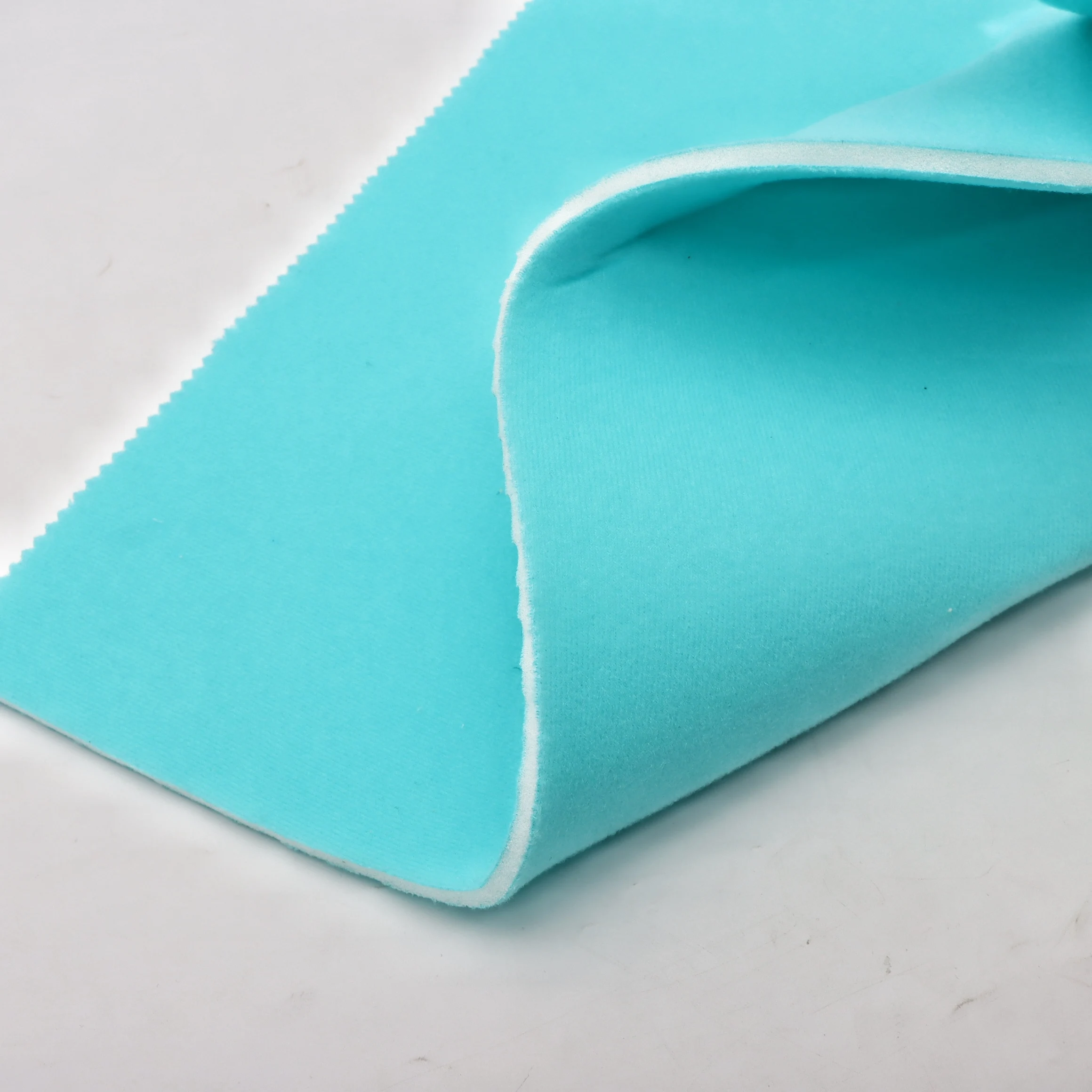
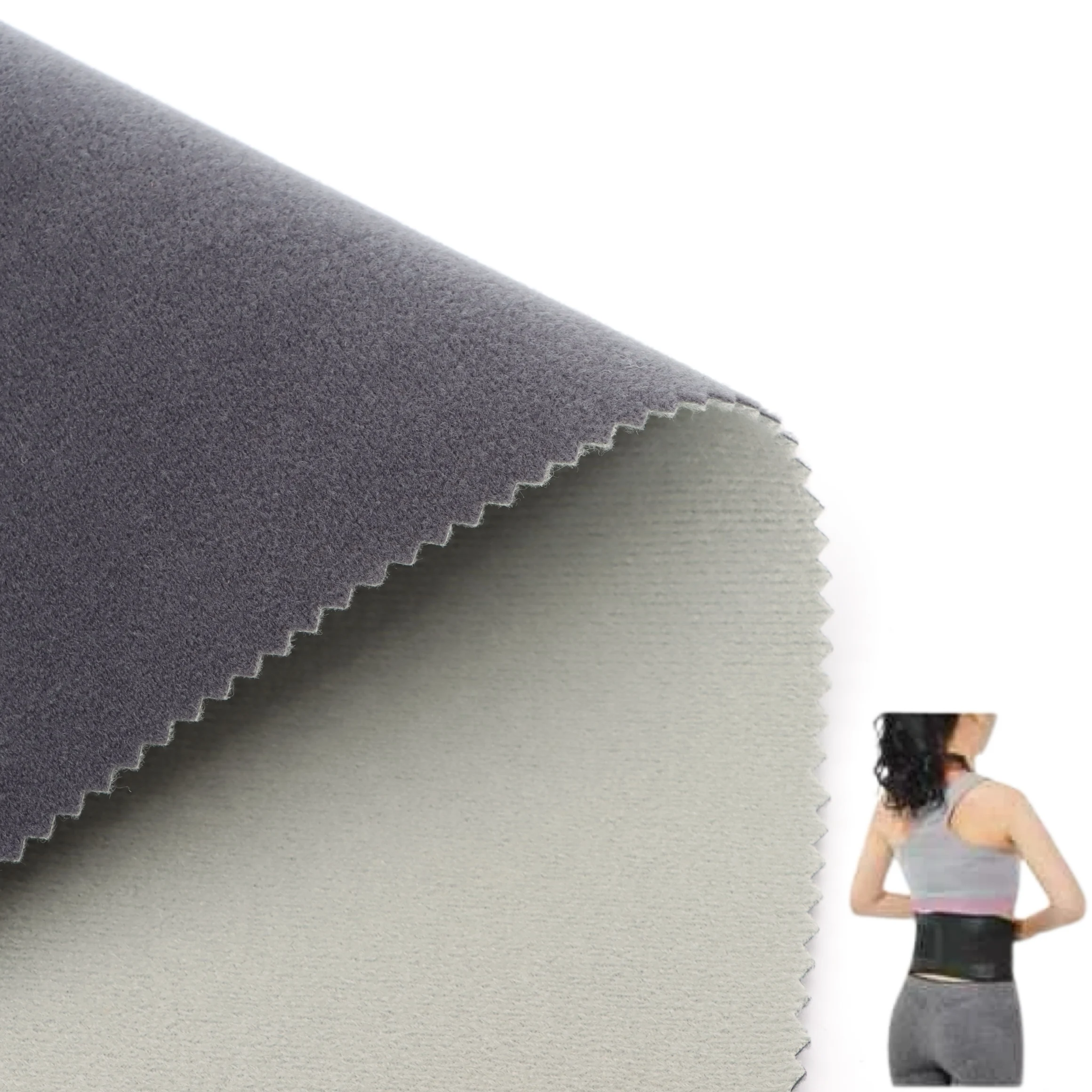
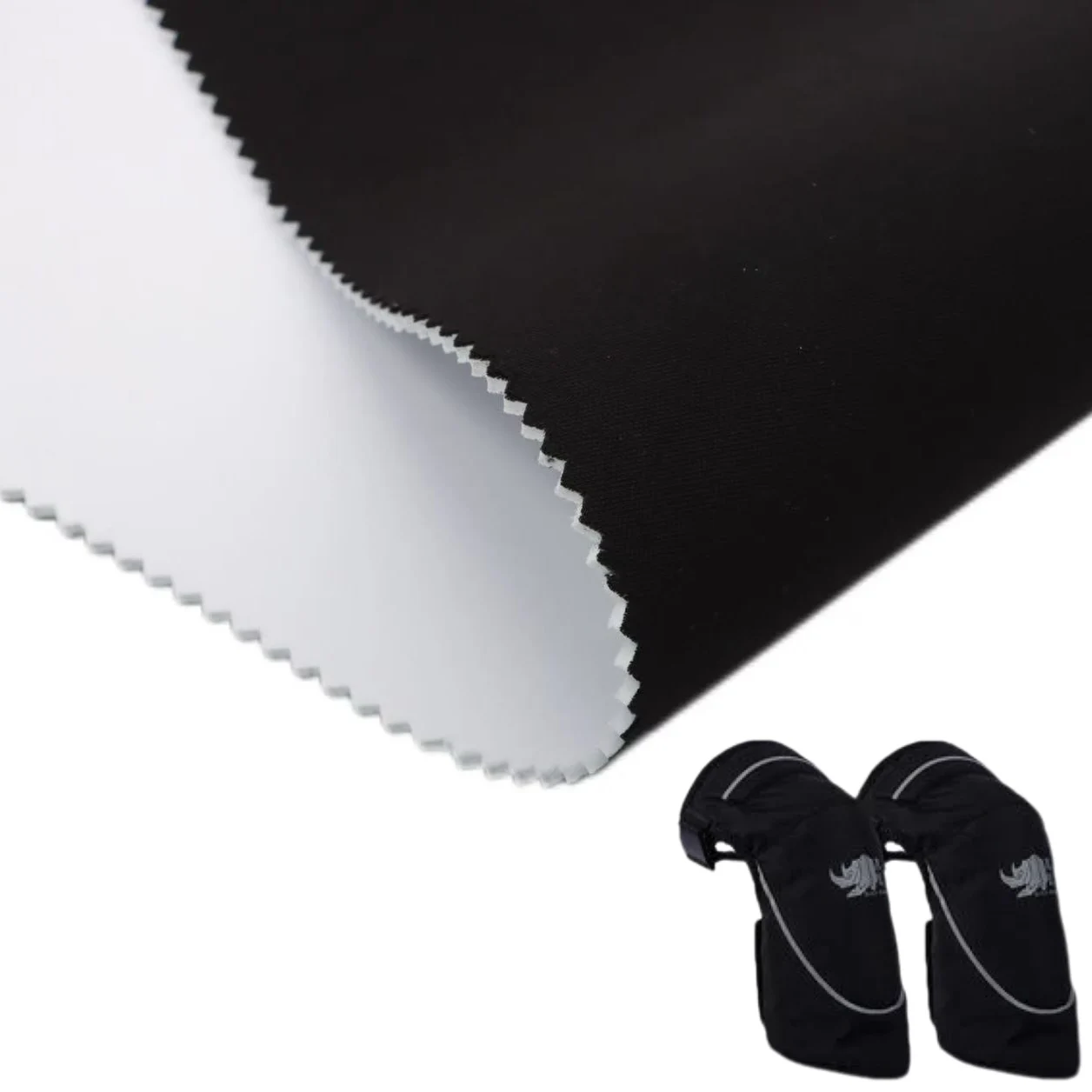
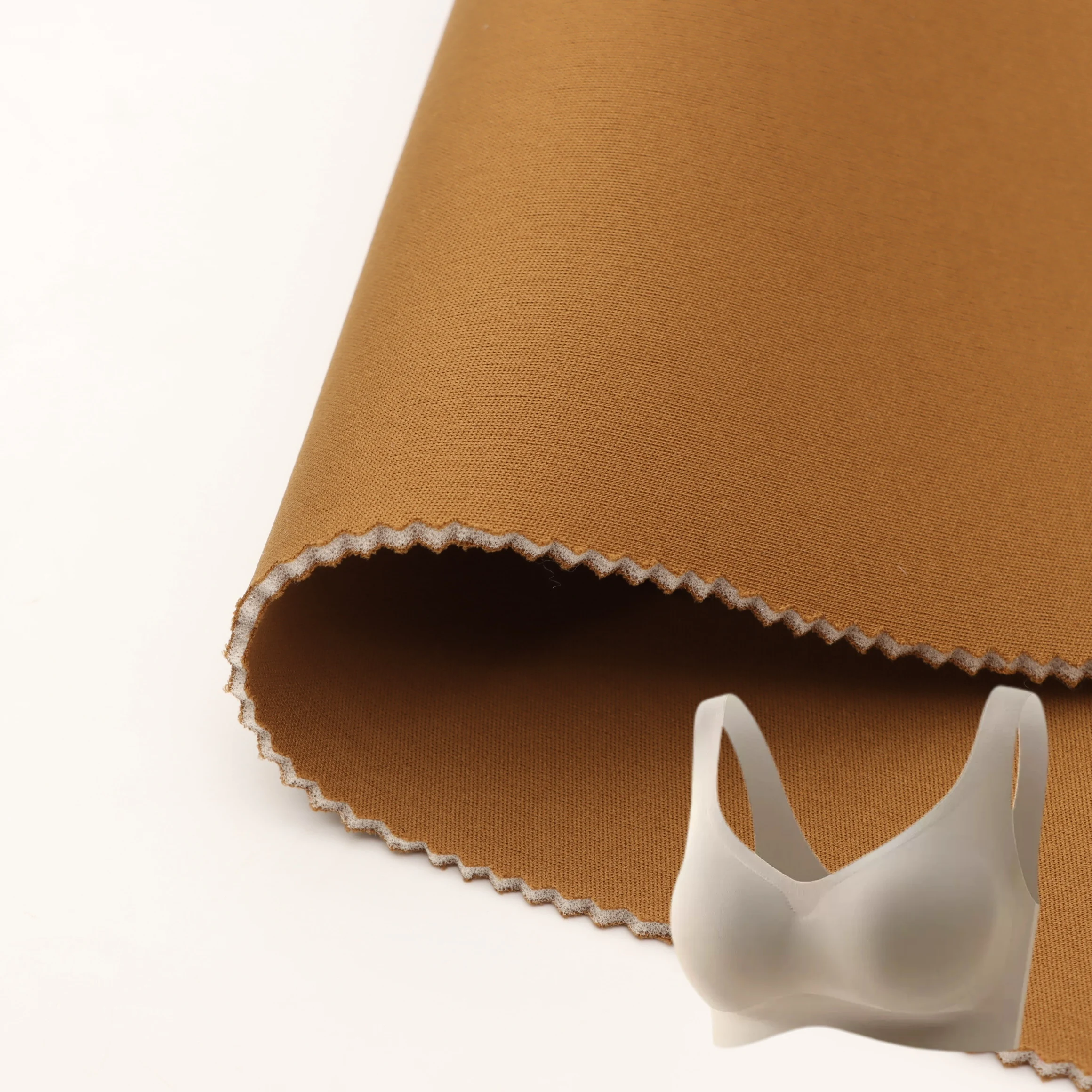
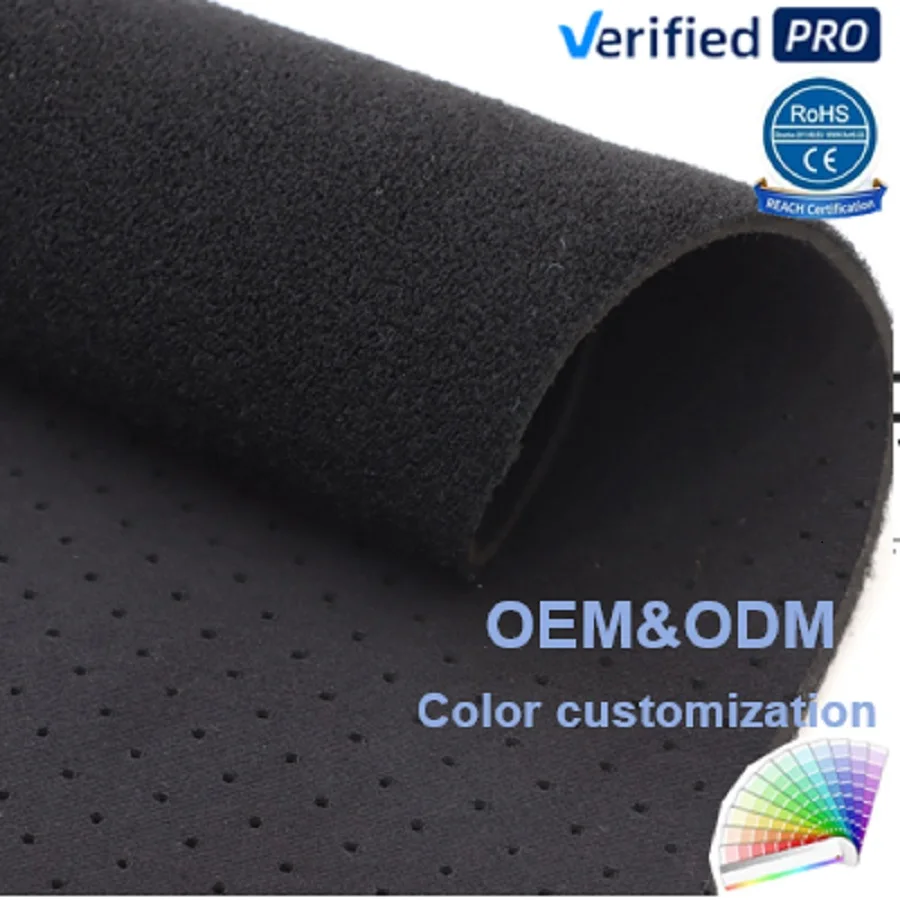
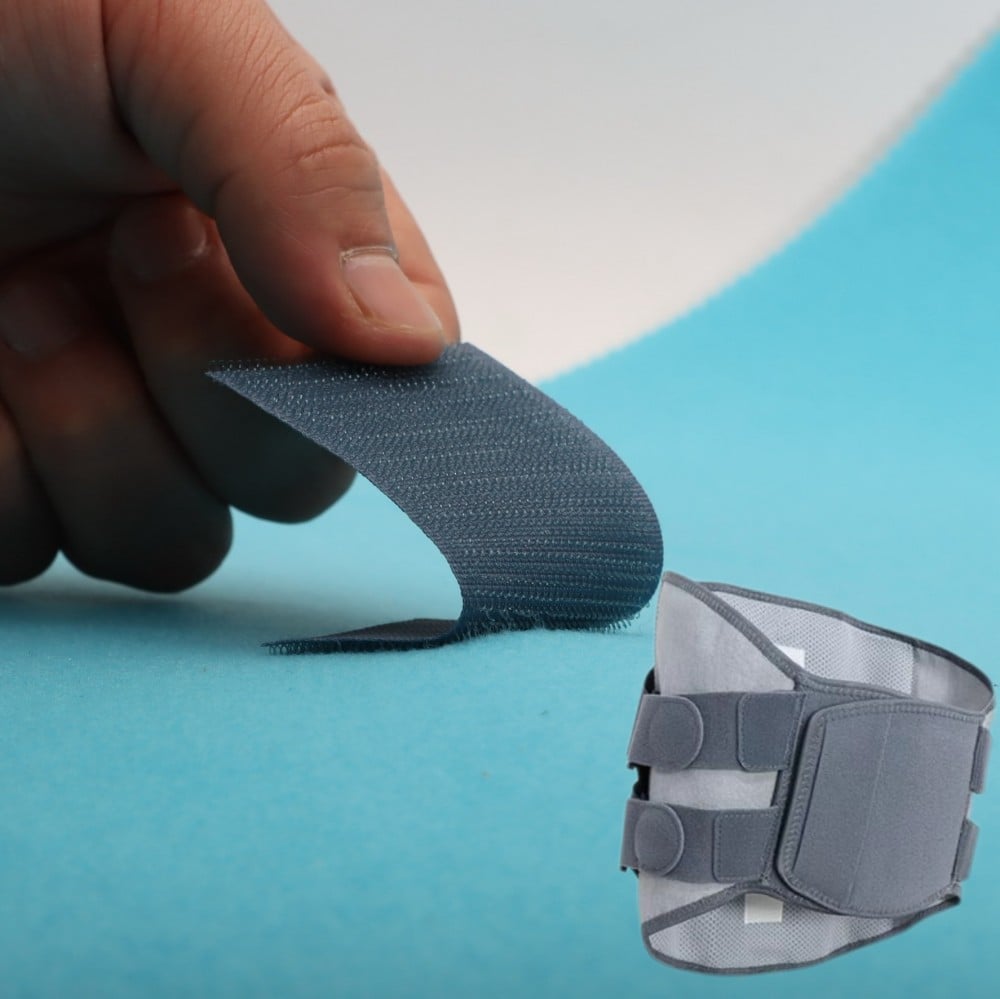
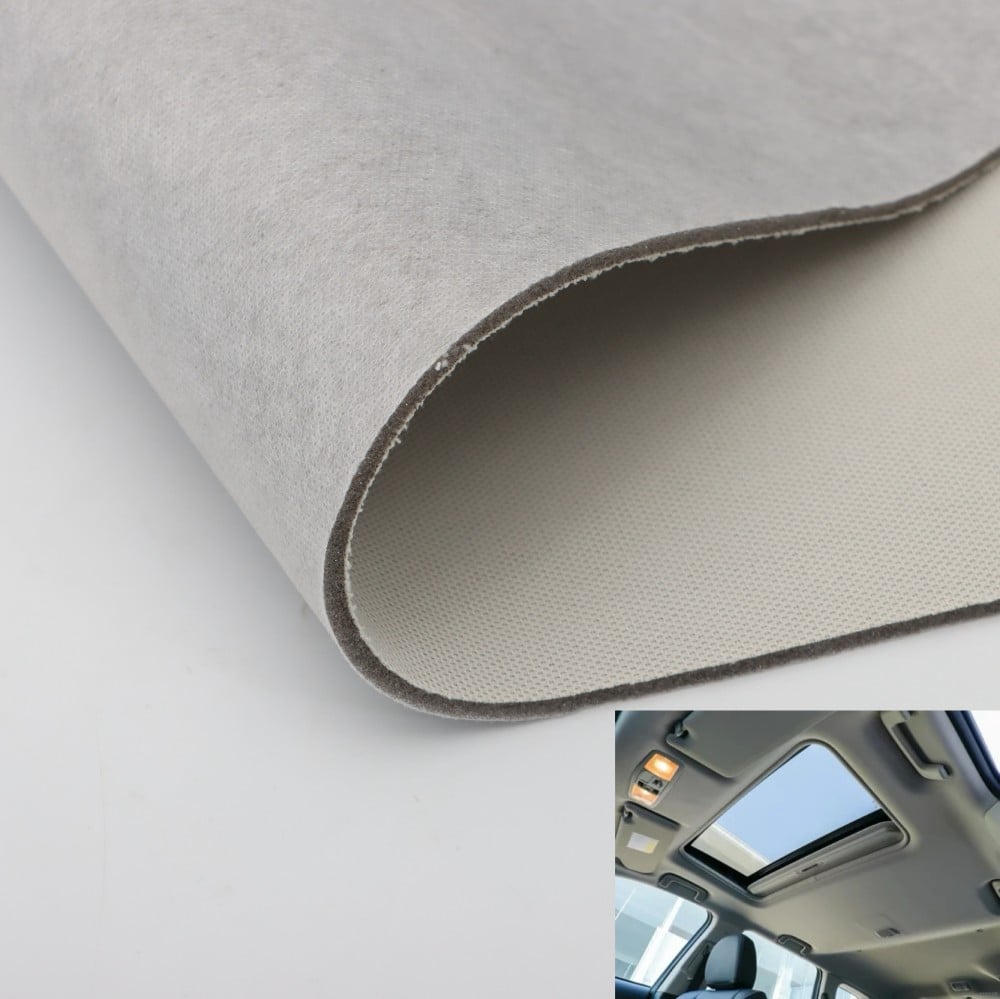
Foam laminated fabric combines surface fabric, foam, and backing material into one stable structure.
Surface fabric
Provides appearance, touch, and wear resistance.
Foam layer
Provides cushioning, support, and soft contact.
Backing material
Improves stability, bonding strength, and durability.
Together, these layers make the material suitable for:
luggage foam fabric
protective bag lining
camera bag lining
laptop bag lining
tool case lining
equipment case foam insert
It is not just a thicker fabric. It is a more functional lining solution.
4. Why camera bags need foam laminated lining
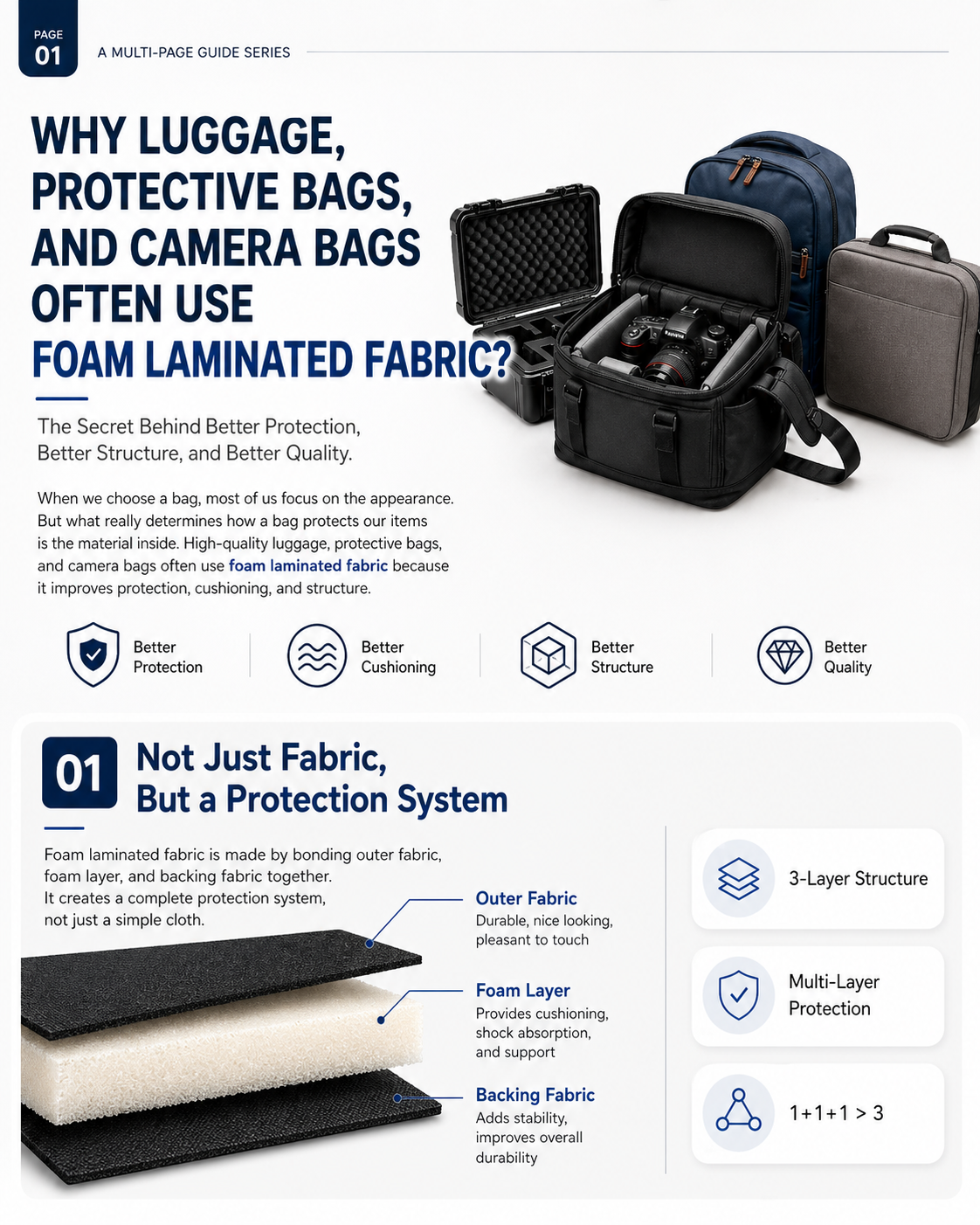
Camera bags are a perfect example.
Cameras, lenses, batteries, and stabilizers are valuable and easy to damage. They need soft contact, separation, and stable protection inside the bag.
Foam laminated lining helps:
reduce direct impact
keep equipment more stable
improve the inner touch
make the bag look more professional
A camera bag is not only selling storage space.
It is selling confidence that the equipment is well protected.
5. Protective bags and tool bags need more durability
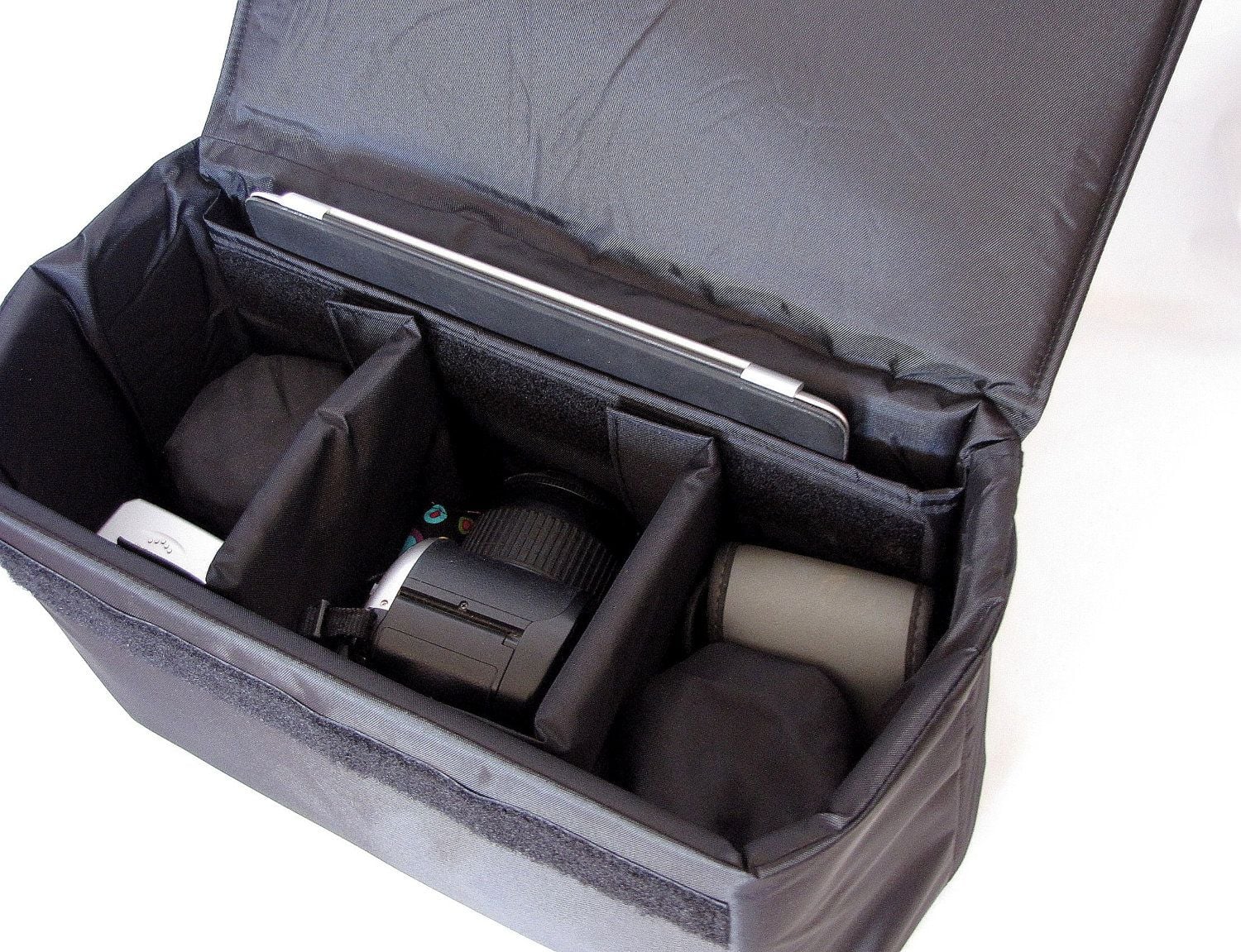
Protective bags, tool bags, and equipment bags often face rougher use. They may be carried, opened, squeezed, and moved frequently.
If the lining is too thin, tools and equipment may collide, the bag may deform, and the inner surface may wear out faster.
Foam laminated fabric adds cushioning and support without making the bag too bulky, making it suitable for protective cases, tool bags, and equipment bags.
6. Luggage and laptop bags focus on comfort and finish
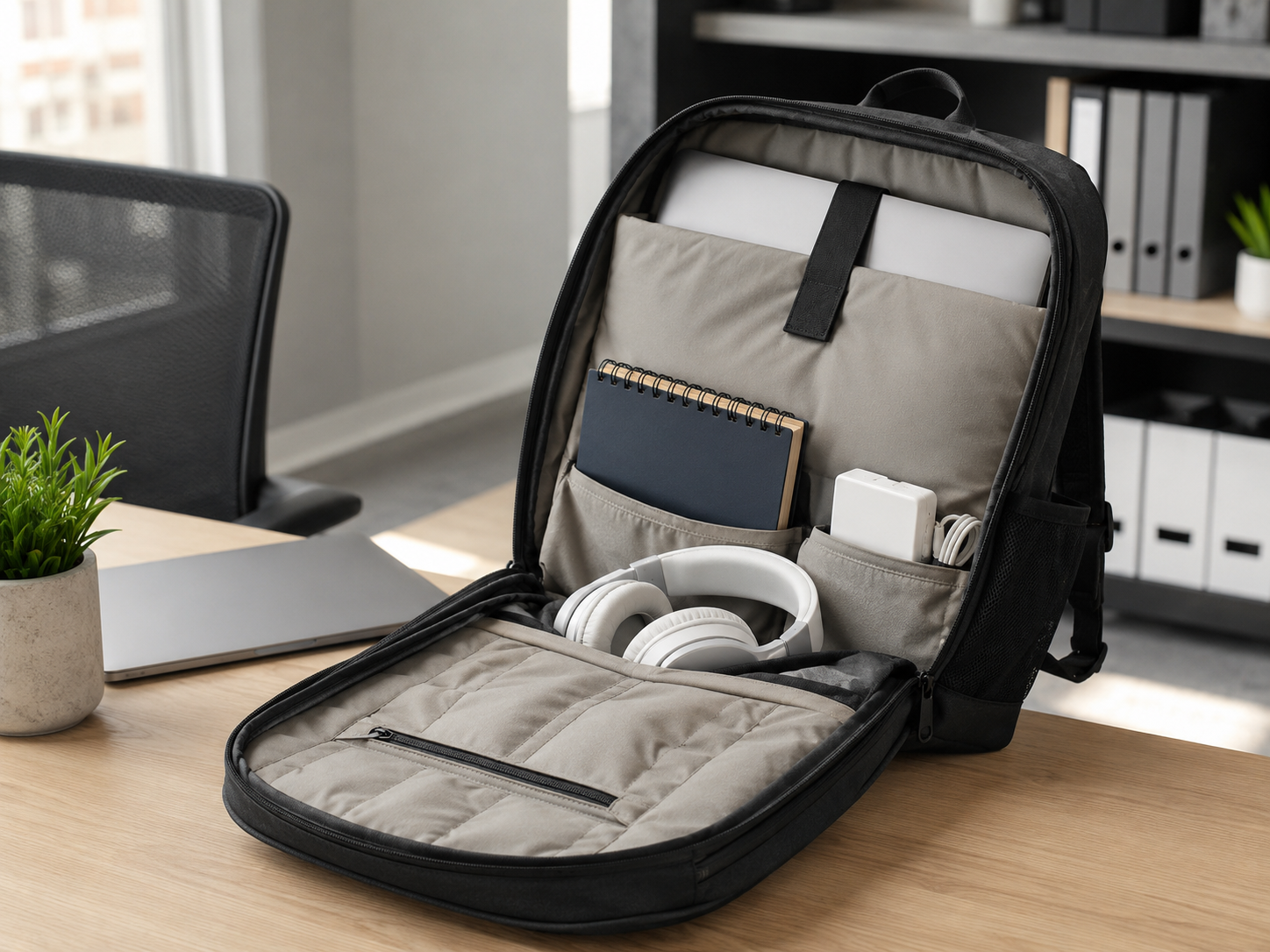
For luggage, laptop bags, and business backpacks, the inside of the bag also affects the user experience.
A clean, soft, structured lining can make the product feel more premium and practical.
For bags carrying laptops, tablets, chargers, cables, headphones, and accessories, foam laminated lining helps improve both storage and protection.
7. What do customers usually care about?
When choosing lining materials, customers often consider:
Thickness – different bags need different cushioning levels
Foam density – affects support and durability
Surface fabric – affects appearance and touch
Lamination stability – helps prevent delamination or deformation
Processing options – cutting, die-cutting, punching, and custom shapes
The right material should match the final product structure, not just look similar.
8. What can we provide?
As a material manufacturer, we provide foam laminated fabric and bag lining material solutions, including:
luggage foam fabric
protective bag lining
camera bag lining
laptop bag lining material
tool bag lining material
protective case foam insert material
roll goods supply
custom thickness and colors
foam density selection
If customers provide samples, drawings, sizes, or application details, we can recommend a more suitable laminated structure.
Conclusion
Good bags are not only attractive on the outside.
They also need reliable protection inside.
For luggage, protective bags, camera bags, laptop bags, and equipment bags, foam laminated fabric helps improve protection, cushioning, structure, and finished product quality.
If you are developing a bag that needs better internal support and protection, foam laminated fabric is a practical material choice worth considering.
 Hot News
2026-09-21
2026-09-18
2026-09-11
2026-08-26
2026-08-09
2026-07-29

Shanghai Dongyao Shoes Material Co., Ltd., established in 2002 near Shanghai Port, is a leading laminated fabric manufacturer. We specialize in high-quality composite fabrics serving medical, automotive, sports protection, and luggage industries with reliable export logistics and innovation.
 EN
EN