 ×
×
1. Neoprene - Overview
Neoprene, also known as polychloroprene, is a synthetic rubber produced by the polymerization of chloroprene monomer (2-chloro-1,3-butadiene). The chlorine atom in its polymer chain grants it a unique balance of properties, including excellent resistance to weather, ozone, oils, flames, and moderate chemicals. It is often called an "all-purpose" elastomer with good mechanical strength and flexibility over a wide temperature range.
2. Production Method
The production follows three main stages: Monomer Production → Emulsion Polymerization → Finishing.
Butadiene Chlorination Process (Monomer Production): This is the standard method today. It involves the chlorination of butadiene, followed by isomerization and dehydrochlorination to yield chloroprene monomer. It is more economical and safer.
Polymerization (Emulsion Polymerization):
The purified chloroprene is emulsified in water using surfactants. Polymerization is initiated with free-radical initiators (e.g., potassium persulfate).
Critical Control: The use of molecular weight modifiers defines the CR type.
Sulfur-modified types: Use sulfur and thiuram disulfides, leading to polymers that are easier to process but less storage-stable.
Non-sulfur-modified (Mercaptan-modified) types: Use alkyl mercaptans (e.g., dodecyl mercaptan) as chain-transfer agents. These grades offer better thermal stability and storage life.
Finishing:
The polymer latex is coagulated using salts or acids.
The crumb is washed to remove impurities, then dried using expellers, extruder-dryers, or oven belts.
The dried rubber is baled or packaged in pellets/sheets.
3. Primary Applications
Neoprene's versatility makes it suitable for demanding environments across industries.
Adhesives (Largest Application Sector):
Solvent-based and contact adhesives for shoes, furniture, automotive interiors, and construction (bonding wood, leather, foam, many plastics).
Industrial Rubber Goods:
Seals & Gaskets: Window/door seals, bridge expansion joints, O-rings, gaskets.
Belting: Conveyor belts, power transmission belts (V-belts, synchronous belts) requiring oil and heat resistance.
Hoses: Fuel/oil hoses, coolant hoses, industrial chemical hoses.
Anti-corrosion: Tank linings, protective coatings.
Wire & Cable:
Sheathing for marine cables, mining cables, automotive ignition wires, and power cables where weather, flame, and ozone resistance are critical.
Automotive:
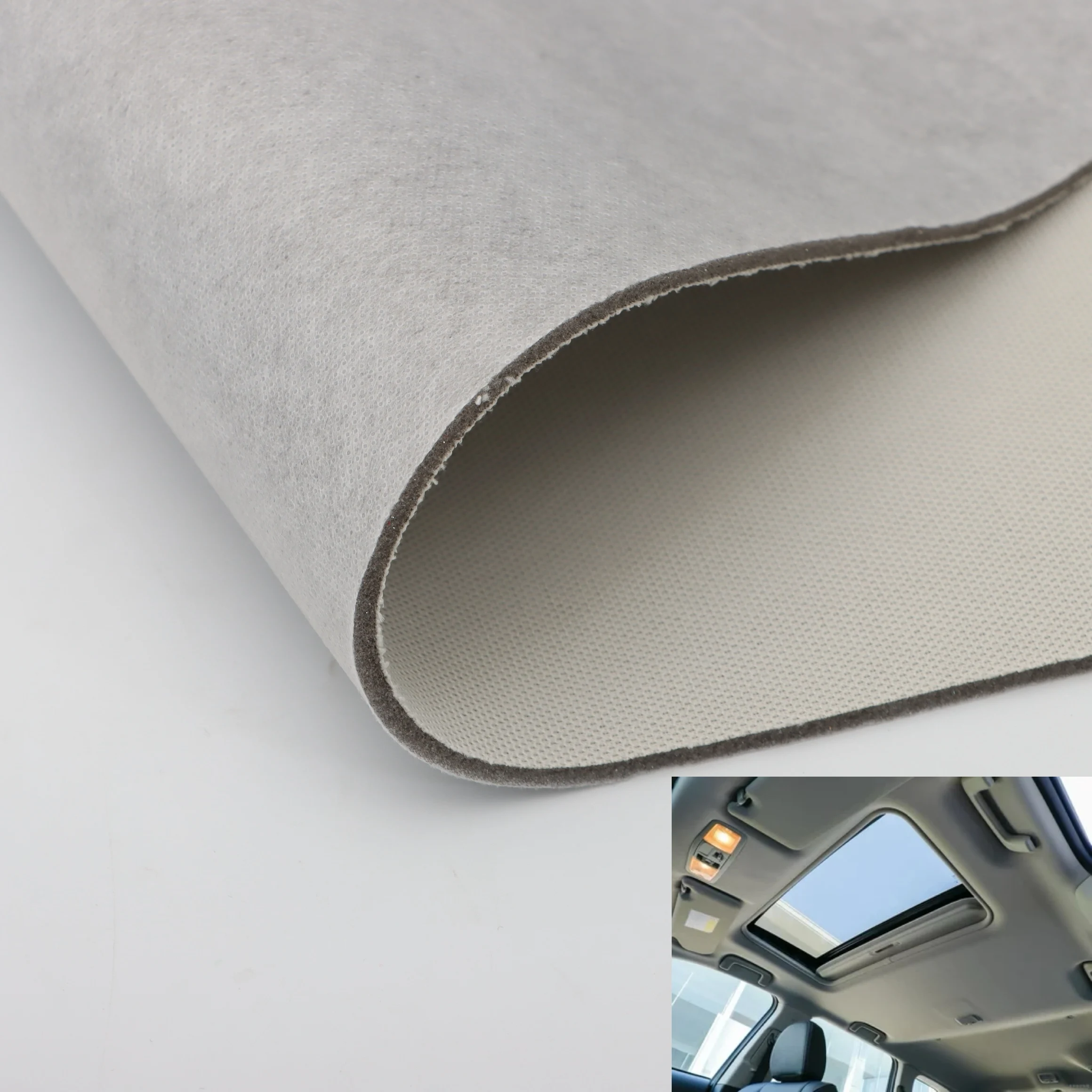
Hoses, seals, vibration damping mounts, and adhesives (e.g., for windshield bonding).
Construction & Civil Engineering:
Sealants, waterproofing membranes, bridge bearings, and pavement expansion joint fillers.
Consumer & Other Goods:
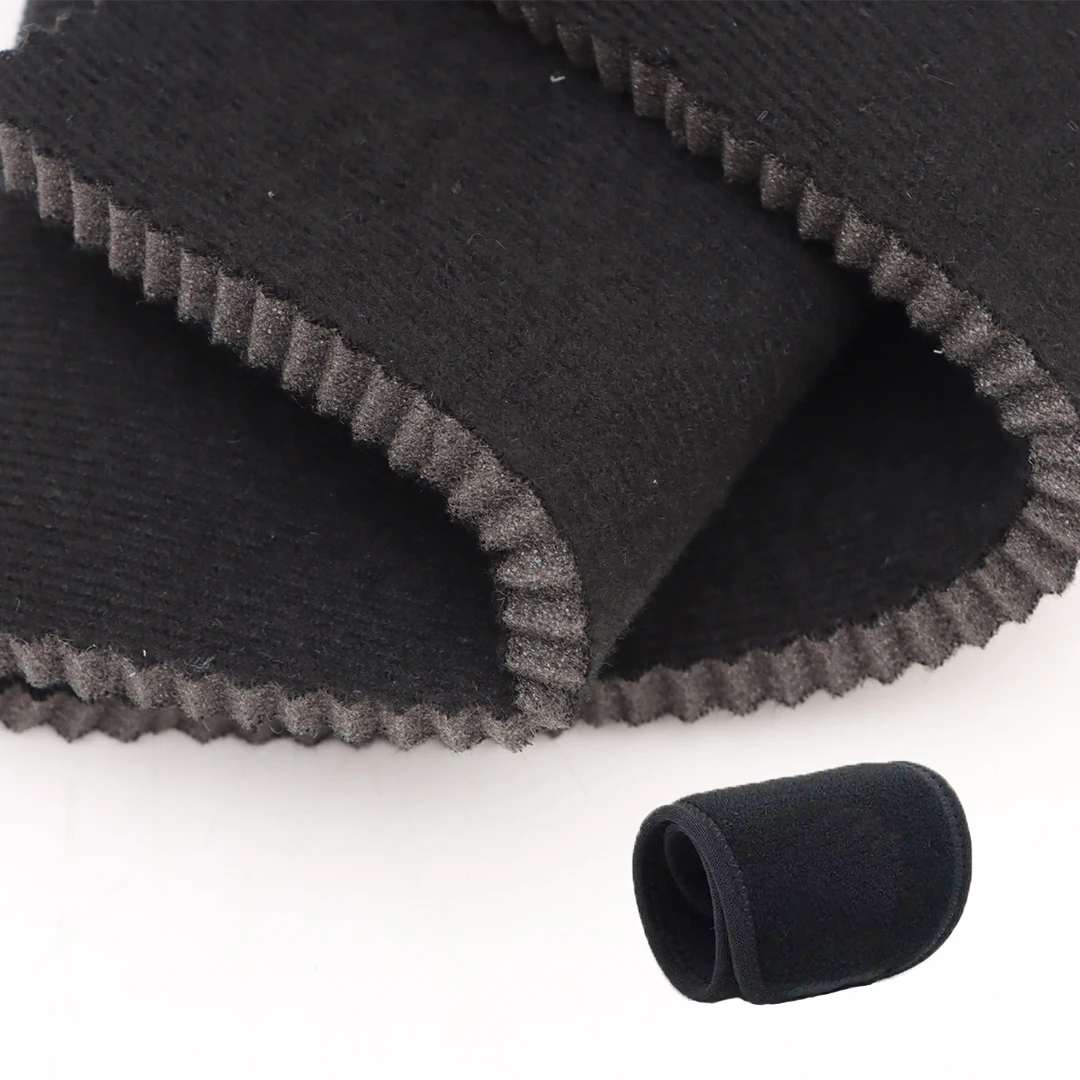
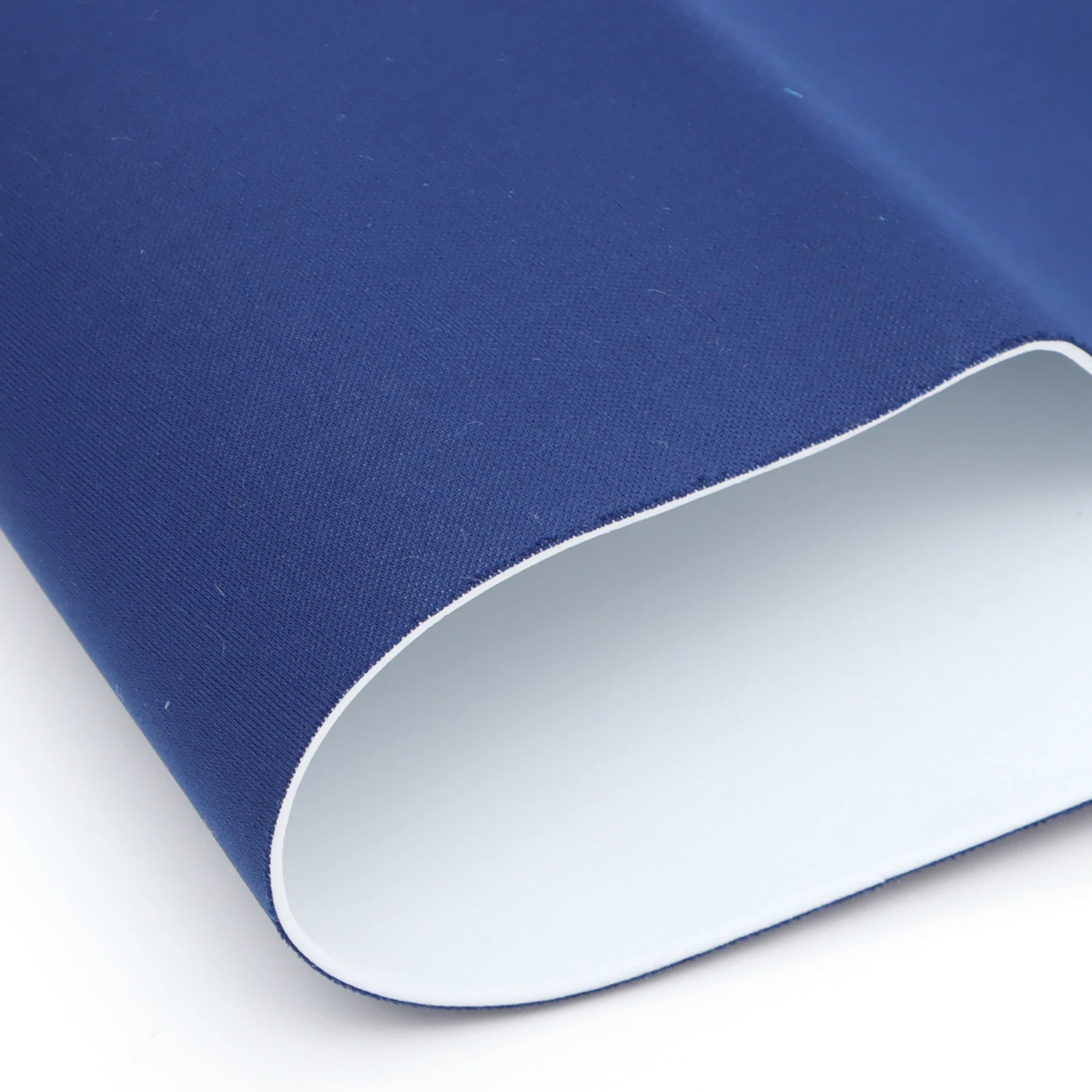
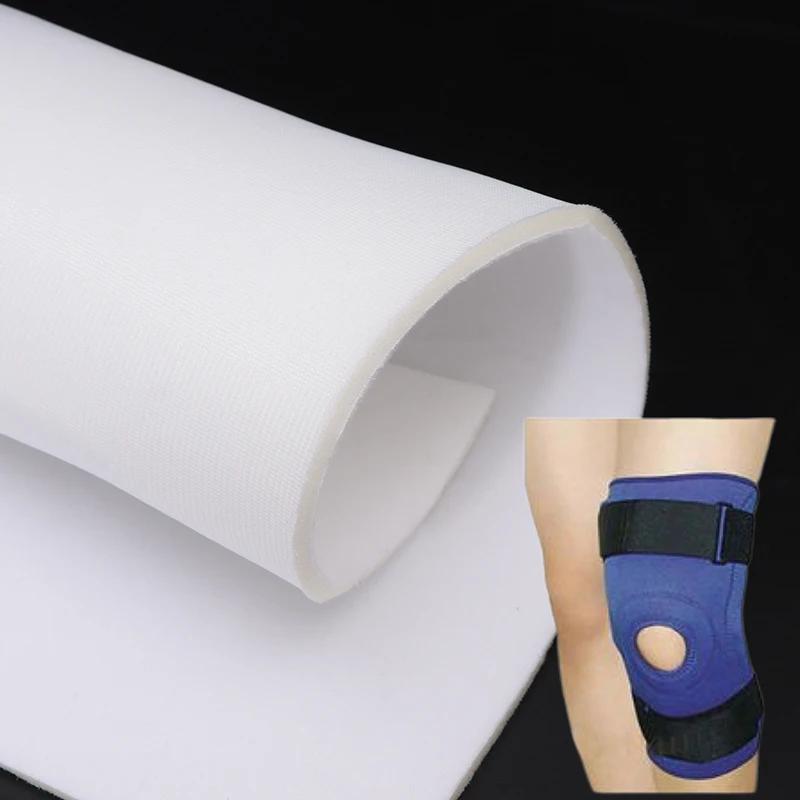
Wetsuits, protective clothing, gloves, rubber rafts, and inflatable products.
4. Main Types of Neoprene
CR is classified based on its molecular weight regulation and specific modifications.
Sulfur-Modified Types (G-Type):
ontains sulfur-based peptizers. They offer excellent tack and adhesion, easier processing, but have poorer storage stability (scorch risk). Primarily used in adhesives.
Typical Grades: G, GN, GNA
Non-Sulfur-Modified / Mercaptan-Modified Types (W-Type):
Use mercaptan chain-transfer agents. They have superior storage stability, consistent processing, and better heat resistance in cured goods. These are the general-purpose grades.
Typical Grades: W, WD
Adhesive Grades:
Often sulfur-modified or specially designed for high cohesive strength and rapid crystallization (for quick grab) in solvent-based adhesives.
Typical Grades: A, AD, AC
Specialty Grades:
Crystallization-Resistant Types: Co-polymerized with other monomers (e.g., styrene, acrylonitrile) to reduce the tendency to stiffen at low temperatures, maintaining flexibility. (e.g., WRT).
Fast-Crystallizing Types: Optimized for very high initial bond strength in adhesives.
Carboxylated CR: Contains carboxyl groups for significantly improved adhesion to metals, fabrics, and other substrates.
Gel-Containing / Pre-crosslinked CR: Provides high green strength for extrusion and calendering.
5. Expert Information & Knowledge Sources
Finding specific individual experts is less effective than identifying key institutions and companies driving CR technology.
Leading Academic & Research Institutions:
Global: Departments of Polymer Science/Chemical Engineering at major universities worldwide (e.g., University of Akron - USA, Institut für Kunststofftechnik - Germany).
China: Key centers include Sichuan University, Beijing University of Chemical Technology, and Qingdao University of Science and Technology.
Professional Associations:
ACS Rubber Division(American Chemical Society)
International Institute of Synthetic Rubber Producers (IISRP)
China Rubber Industry Association
Major Producing Companies (Source of Industrial Expertise):
Global Leader: LANXESS (Germany) - The world's largest producer following its acquisition of DuPont's neoprene business.
Other Key Players: Denka (Japan), Tosoh (Japan), Shanxi Synthetic Rubber Group (China), Chongqing Changshou Chemical (China).
How to Access Expertise:
1.Research Databases: Search for recent publications and patents on Scopus, SciFinder, or Google Scholar using keywords like "polychloroprene," "chloroprene rubber," "neoprene adhesive." The authors and inventors are the experts.
2.Technical Conferences: Attend events organized by the ACS Rubber Division, RubberCon, or industry-specific expos.
3.Corporate Technical Literature: Leading producers like LANXESS publish extensive product guides, safety data sheets, and application notes that represent consolidated technical expertise.
 Hot News
2026-09-21
2026-09-18
2026-09-11
2026-08-26
2026-08-09
2026-07-29
Shanghai Dongyao Shoes Material Co., Ltd., established in 2002 near Shanghai Port, is a leading laminated fabric manufacturer. We specialize in high-quality composite fabrics serving medical, automotive, sports protection, and luggage industries with reliable export logistics and innovation.
 EN
EN