 ×
×
Open Cell Foam, Closed Cell Foam, PU Foam, Foam Structure, Foam Cell Structure, Breathable Foam, Waterproof Foam, Cushioning Foam, Industrial Foam, Foam Applications
When choosing foam materials, many buyers ask the same questions:
Why is some foam soft, breathable, and easy to compress?
Why is some foam waterproof, firm, and more supportive?
The answer usually starts inside the foam.
Foam is not only about color, thickness, or surface appearance.
The real difference often comes from its internal cell structure.
There are two common structures:
They may look similar from the outside, but their performance, applications, and cost can be very different.
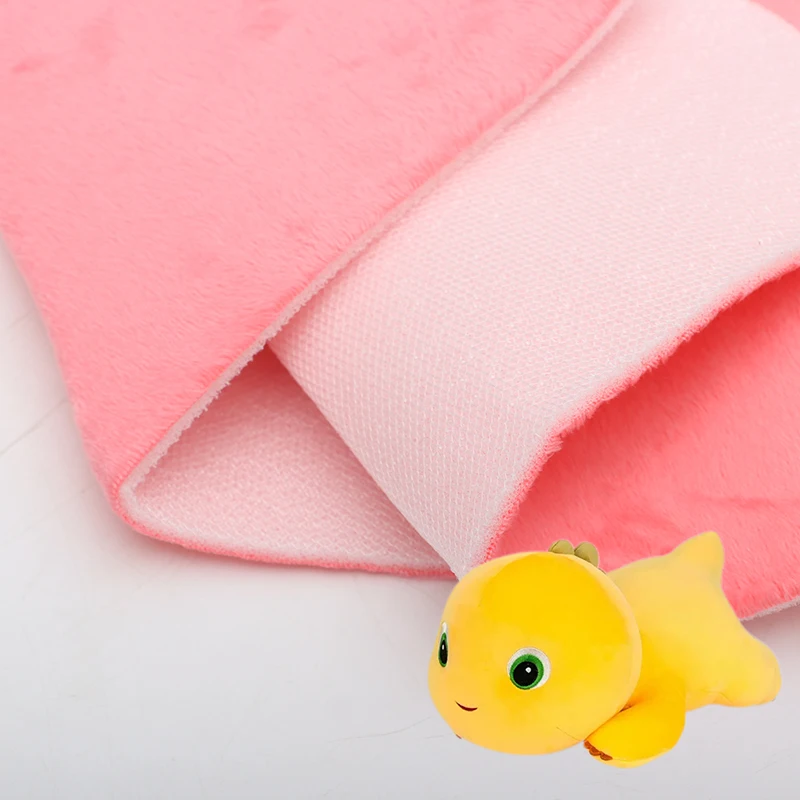
Open cell foam has a sponge-like internal structure.
Its cells are connected, which means air can move through the foam, and moisture can also enter the material.
This structure usually gives open cell foam:
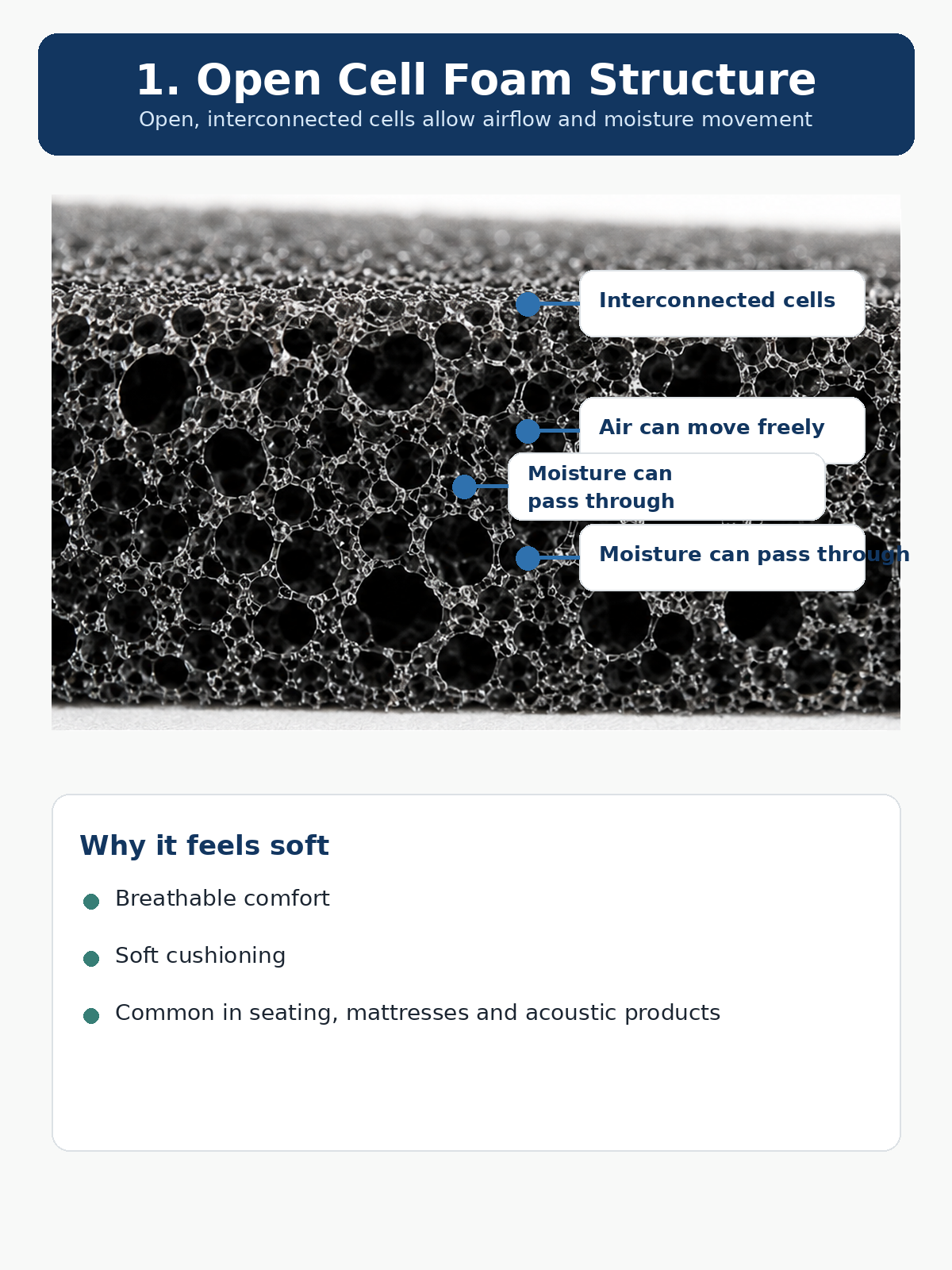
Open cell foam is commonly used in products that require softness, comfort, and airflow, such as:
In simple words:
Open cell foam is soft, breathable, and comfortable, but it absorbs water more easily.
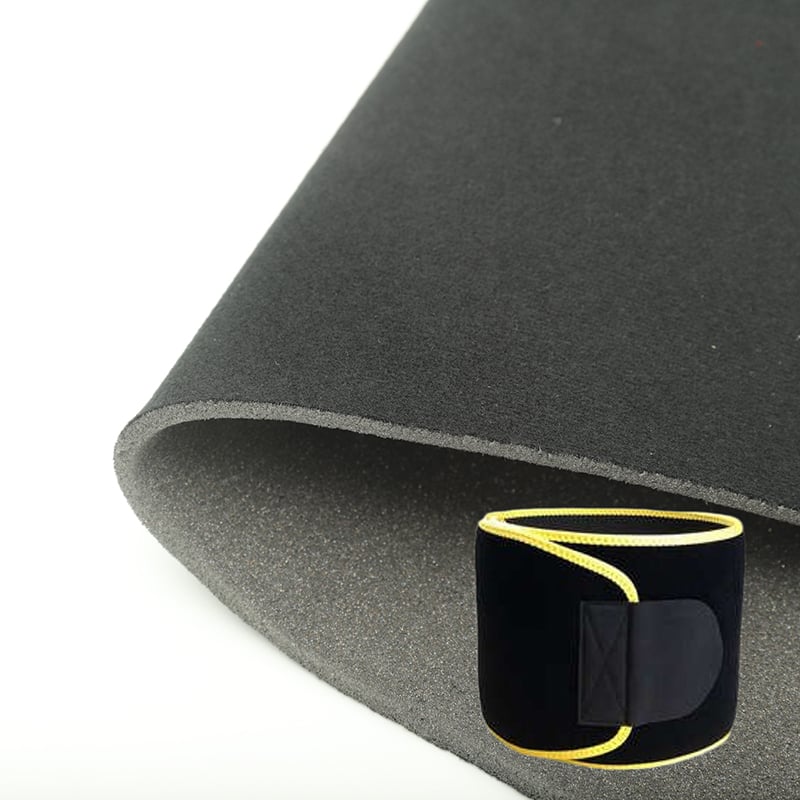
Closed cell foam has a more sealed internal structure.
The cells are less connected, so air and moisture cannot easily pass through.
This structure usually gives closed cell foam:
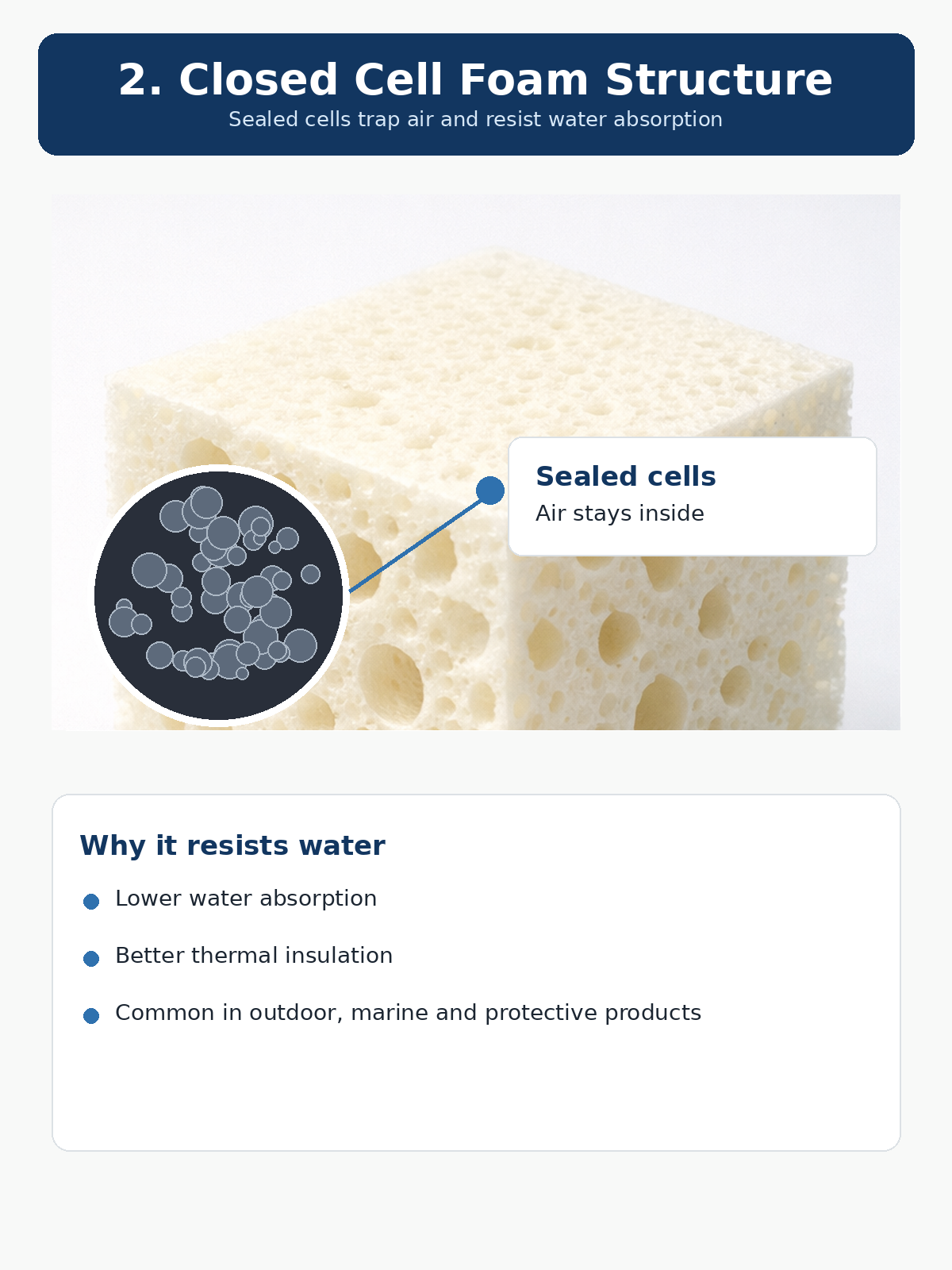
Closed cell foam is often used in outdoor, waterproof, insulation, and support-related products, such as:
In simple words:
Closed cell foam is more water-resistant, supportive, and durable, but less breathable.
The easiest way to understand the difference is to compare their performance.
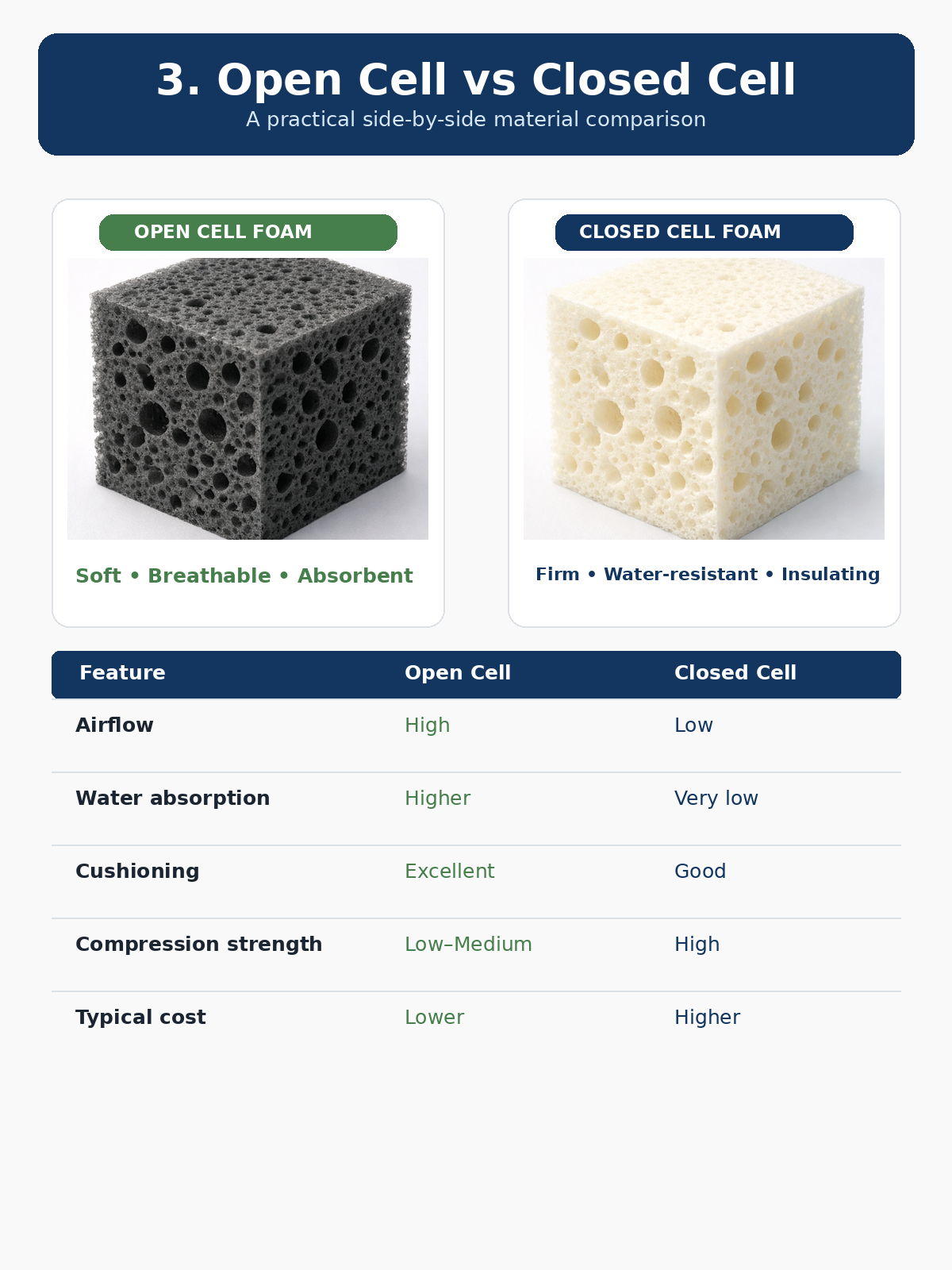
Feature |
Open Cell Foam |
Closed Cell Foam |
Cell Structure |
Interconnected cells |
Sealed cells |
Breathability |
Excellent |
Poor |
Water Absorption |
High |
Very low |
Water Resistance |
Low |
High |
Softness |
Usually softer |
Usually firmer |
Cushioning |
Excellent |
Good |
Support |
Medium |
Strong |
Thermal Insulation |
Lower |
Higher |
Cost |
Lower |
Higher |
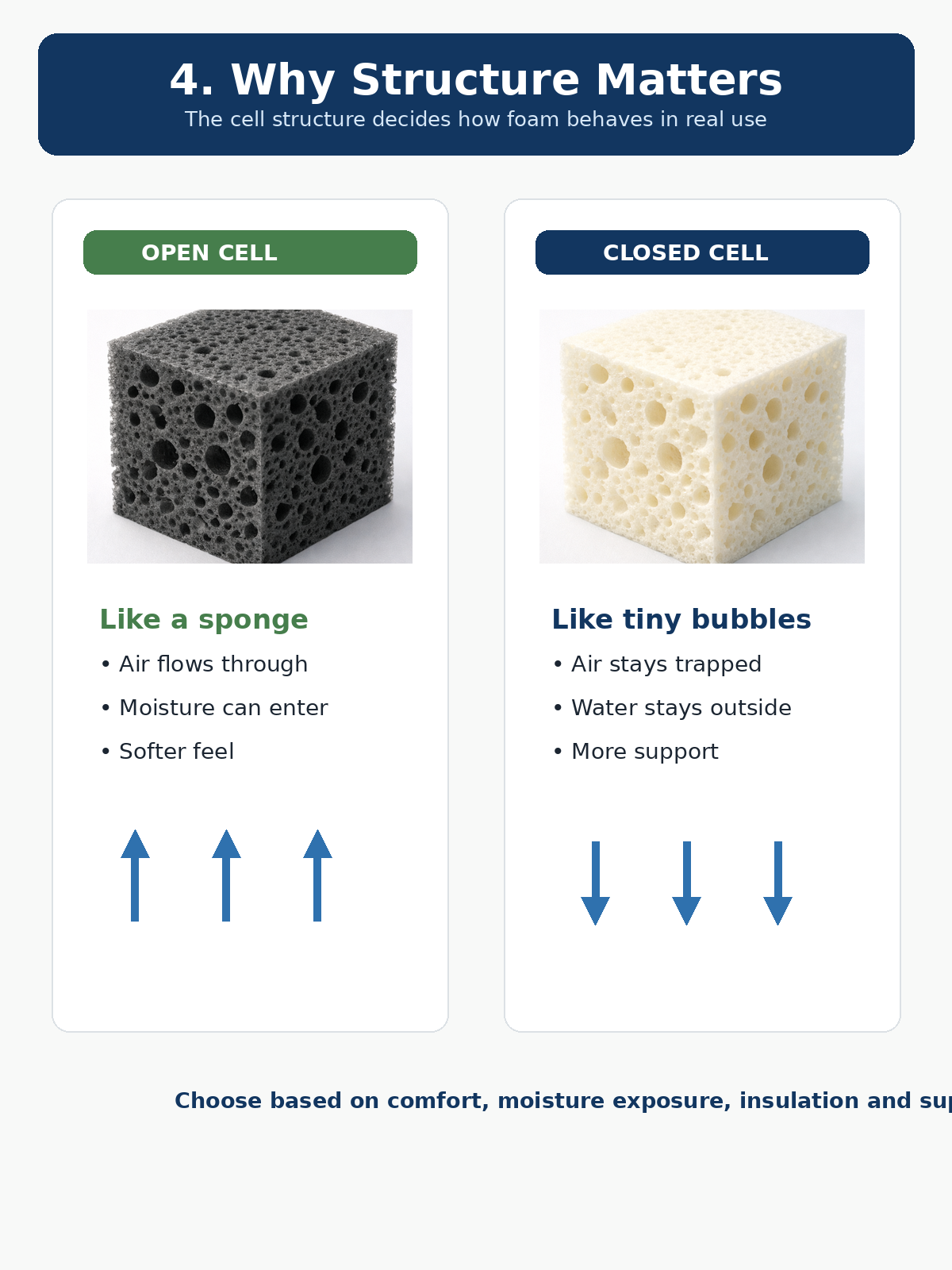
Foam cell structure affects many important properties, including:
Air can enter.
Water can enter.
The foam feels soft and comfortable.
That makes it suitable for:
Air stays trapped inside.
Water stays outside.
The foam becomes more supportive and water-resistant.
That makes it suitable for:
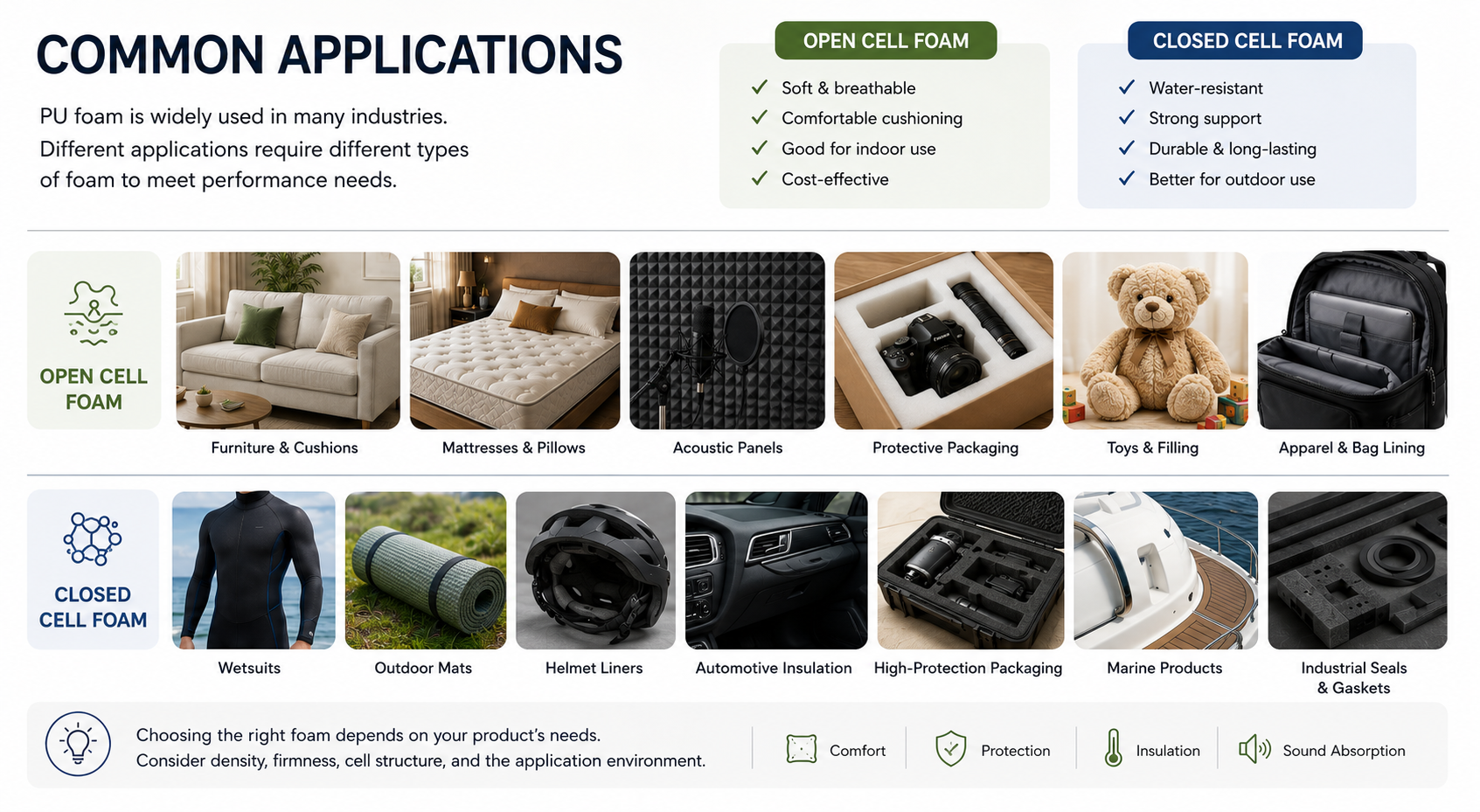
Before choosing between open cell and closed cell foam, buyers should ask:
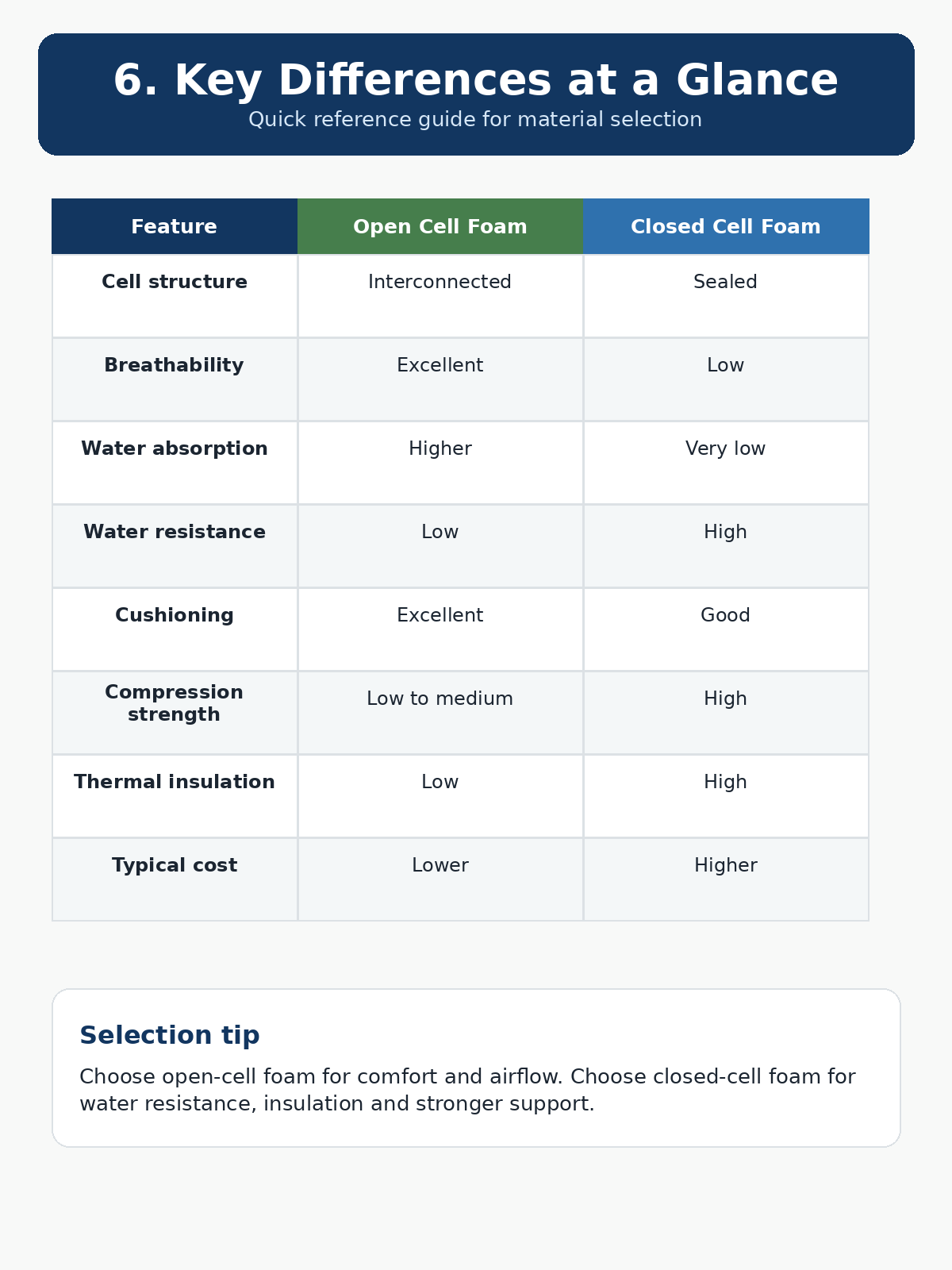
Open cell foam and closed cell foam are not simply “good” or “bad.”
The better choice depends on the final product.
Open cell foam is better for soft, breathable, comfortable, and acoustic applications.
Closed cell foam is better for waterproof, supportive, outdoor, and industrial applications.
From the outside, both may look like foam.
But inside, their structures are completely different.
When selecting foam, do not only check color and thickness.
It is more important to consider:
Once these details are clear, choosing the right foam becomes much easier.
 Hot News
2026-09-21
2026-09-18
2026-09-11
2026-08-26
2026-08-09
2026-07-29

Shanghai Dongyao Shoes Material Co., Ltd., established in 2002 near Shanghai Port, is a leading laminated fabric manufacturer. We specialize in high-quality composite fabrics serving medical, automotive, sports protection, and luggage industries with reliable export logistics and innovation.
 EN
EN