 ×
×

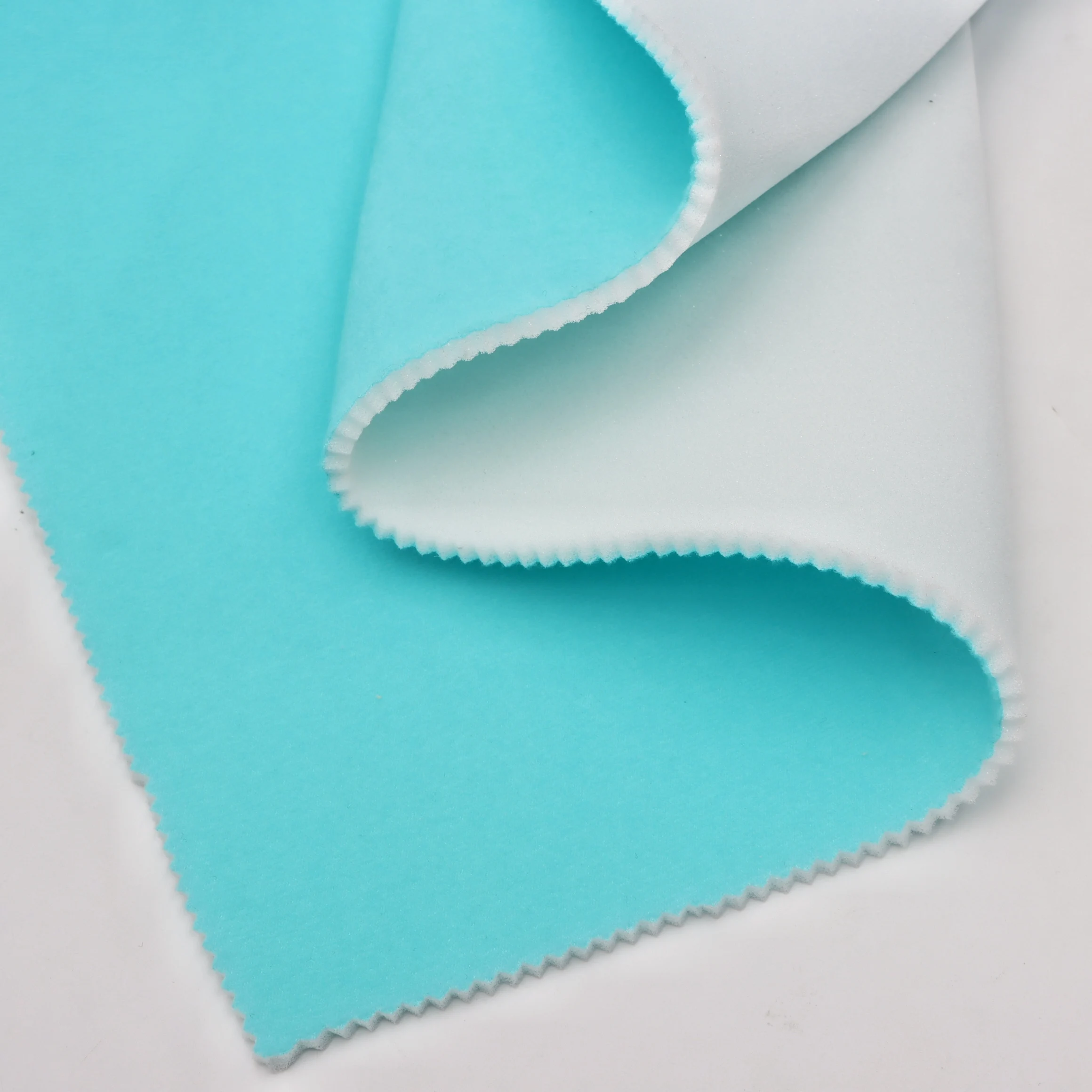
A real custom case of short plush + 4mm foam + mesh backing When developing materials for plush toys, customers usually need more than “just a soft fabric.” The material needs to look good, feel comfortable, have enough thickness, and sta...
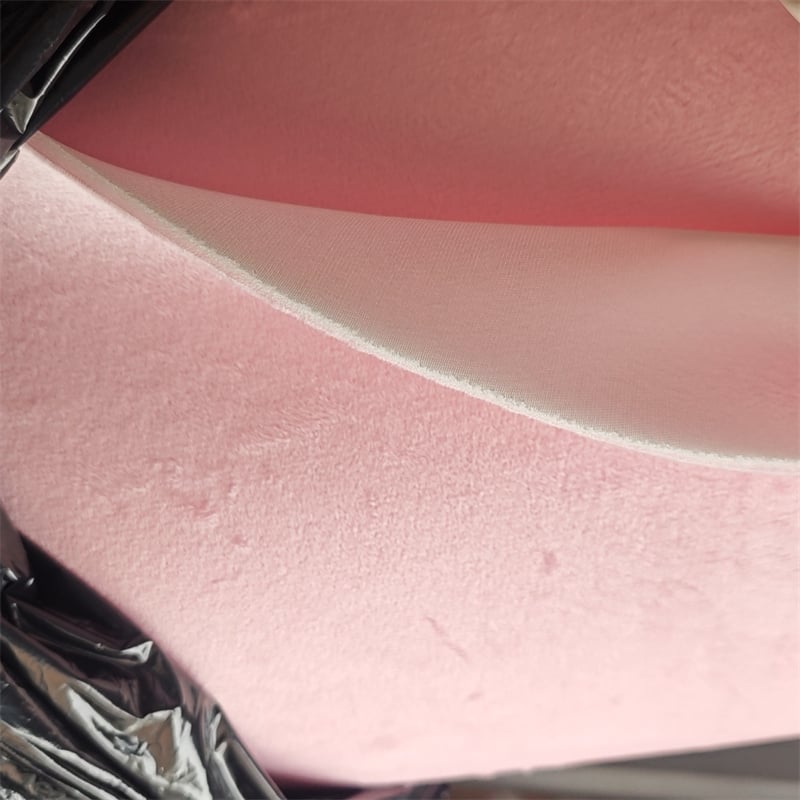
When developing materials for plush toys, customers usually need more than “just a soft fabric.”
The material needs to look good, feel comfortable, have enough thickness, and stay stable during cutting and sewing.
In other words, it should be soft — but not behave like a sleepy cloud with no structure.
This case came from an Indonesian customer who first contacted us through Alibaba International Station.
On May 20, 2026, the customer added our WeChat. To make communication clearer, we created a WeChat group with the customer and his colleague, so every detail could be discussed and recorded in one place.
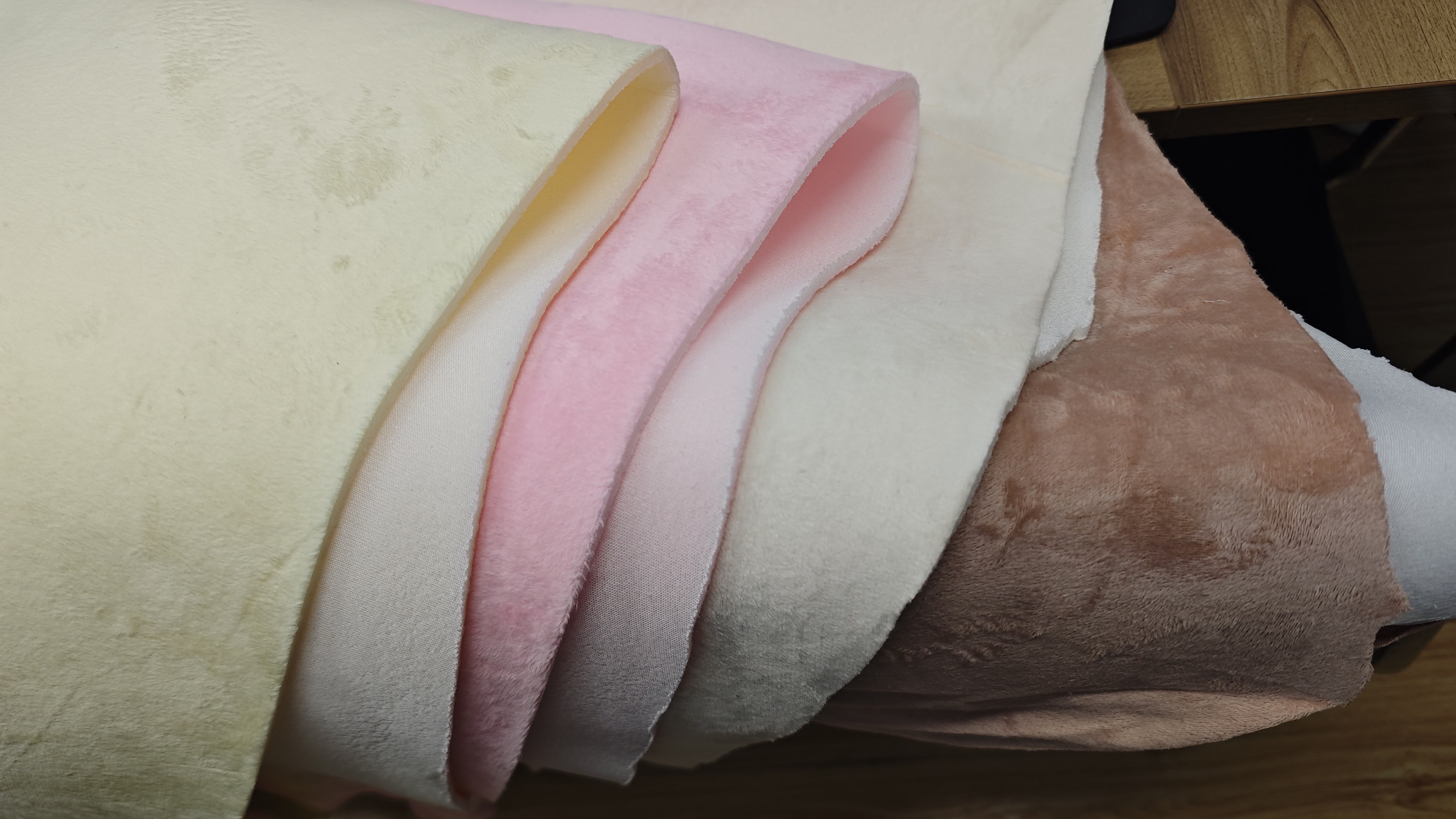
The final material structure confirmed for this project was:
Short plush fabric + 4mm foam + mesh backing
The material was mainly developed for plush toys and doll products.
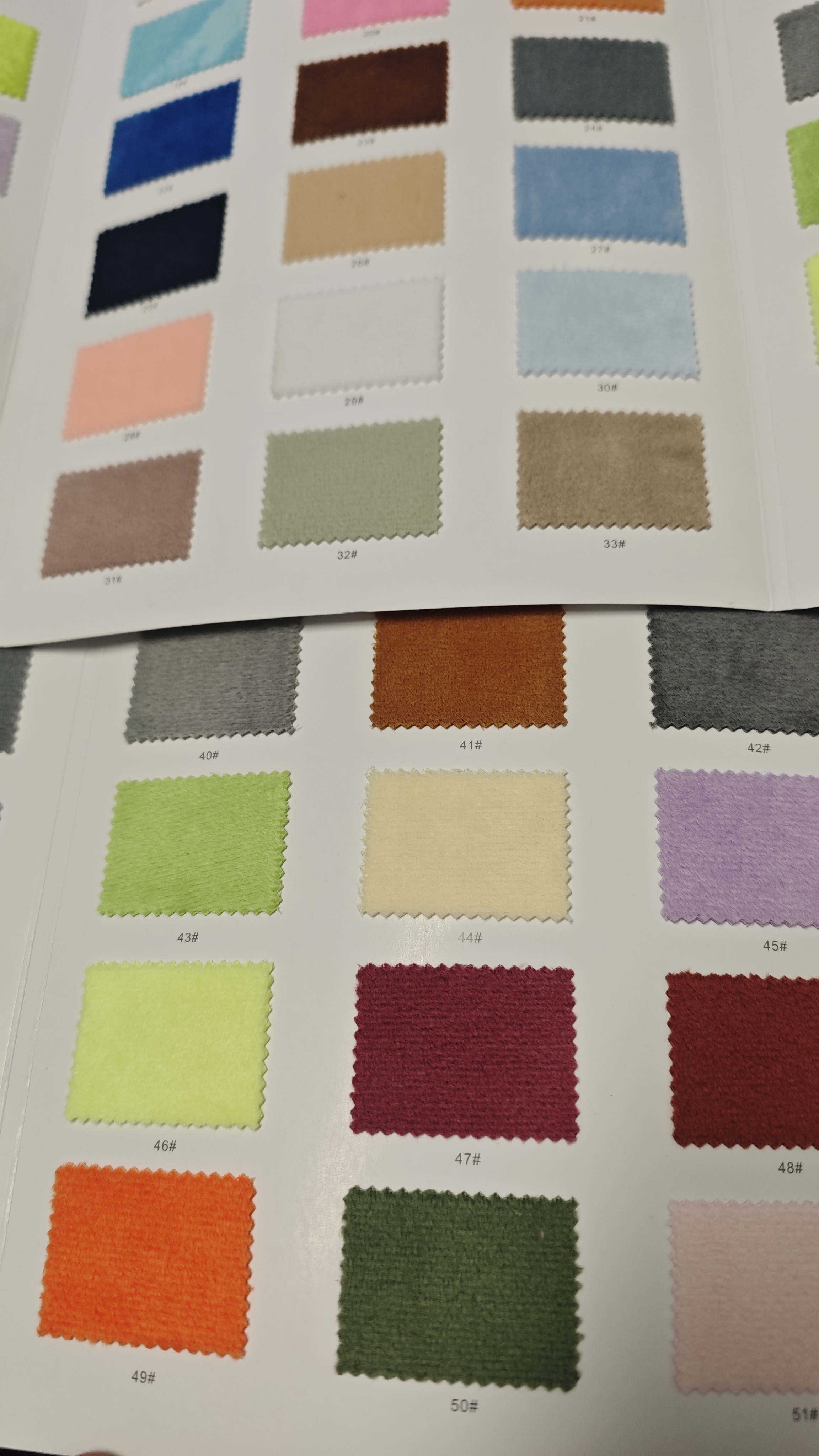
At the beginning of the project, the customer first needed to choose the color of the short plush fabric.
For plush toys, color is not a small detail.
It directly affects the product’s appearance, style, and market appeal.
To help the customer make a better decision, we sent digital color options for comparison. After checking different colors, the customer selected the shade that matched his product direction.
Once the color was confirmed, we moved forward with sample preparation.
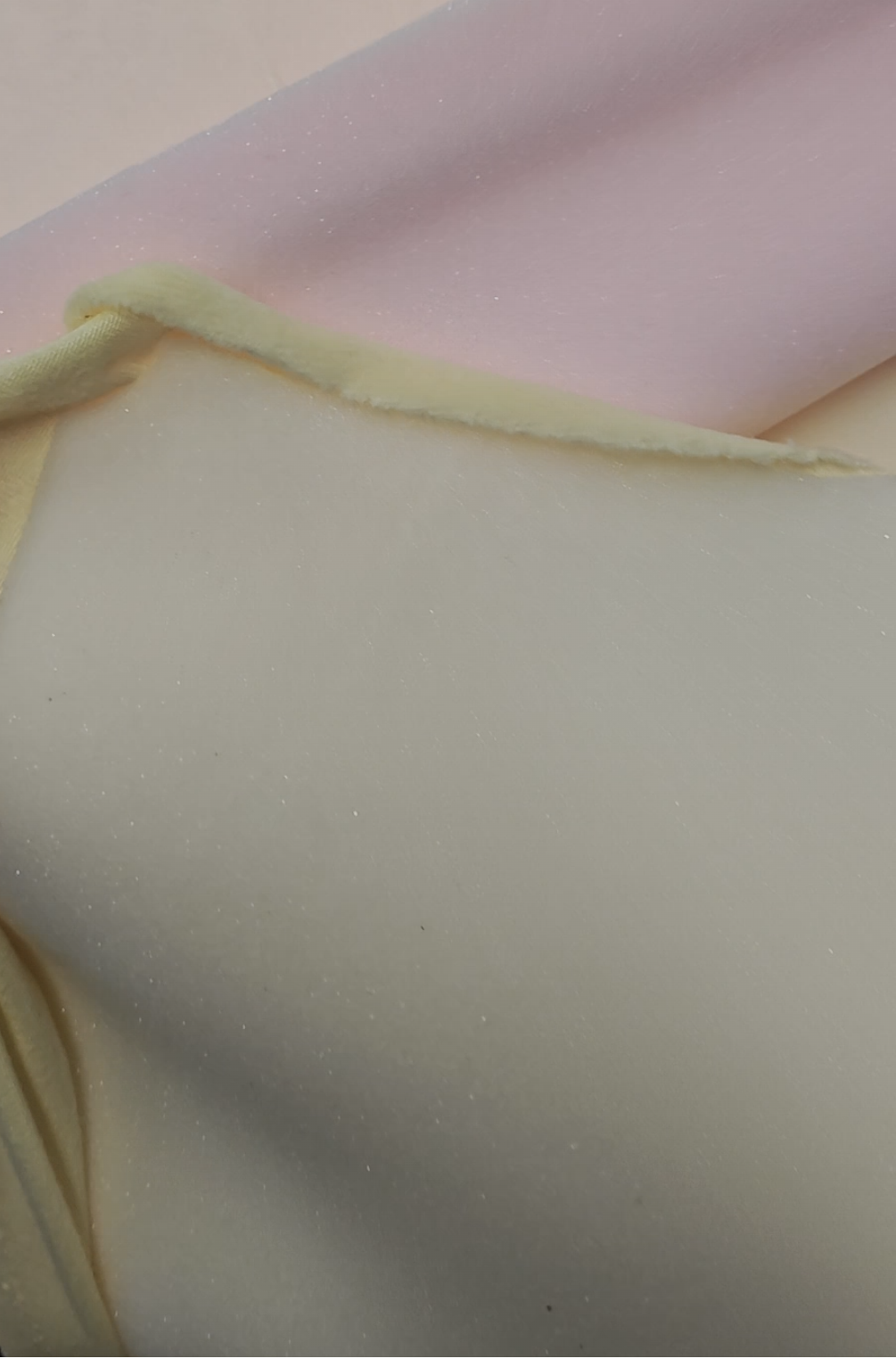
The customer’s initial request was:
Short plush fabric + 4mm foam
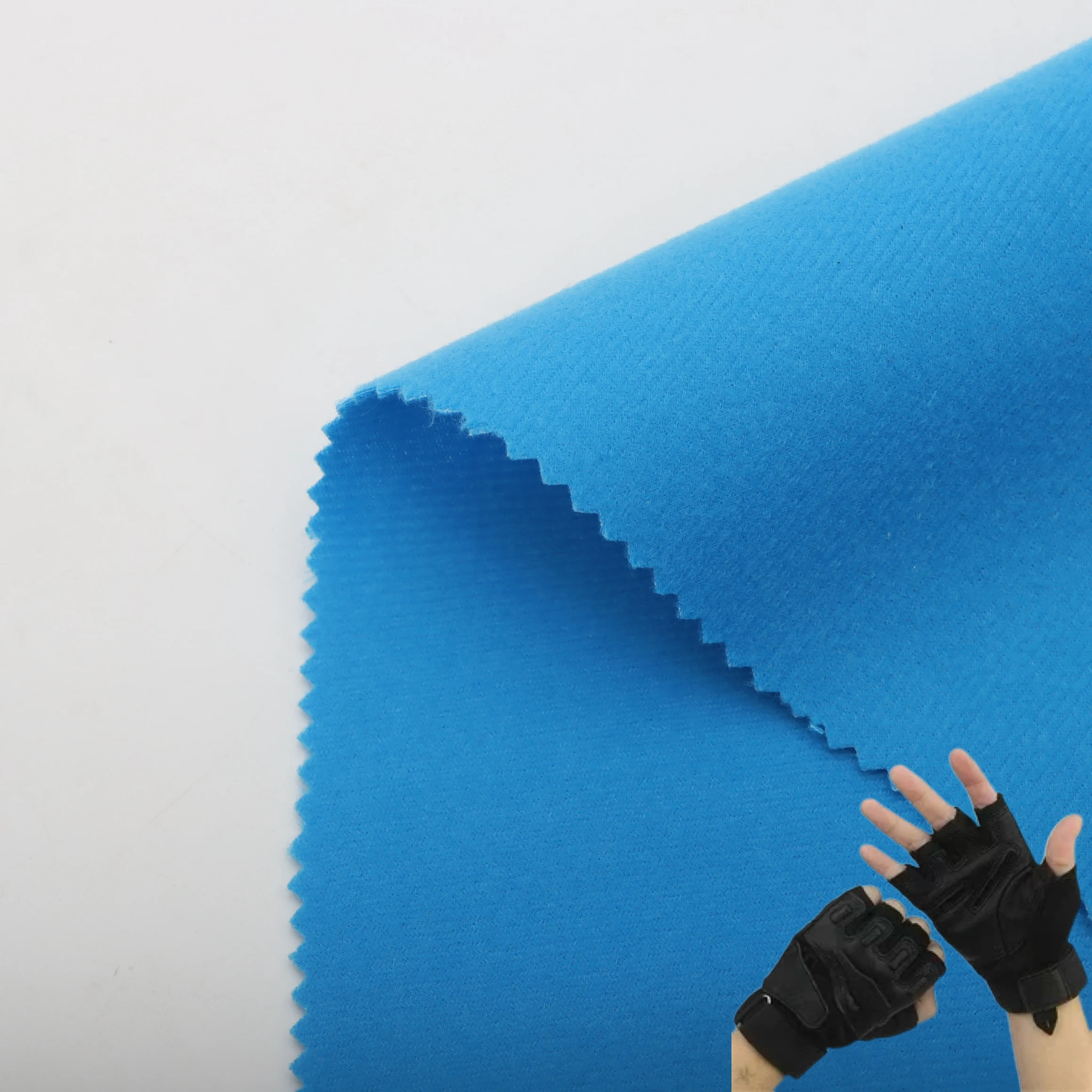
The short plush surface provides a soft and clean hand feel.
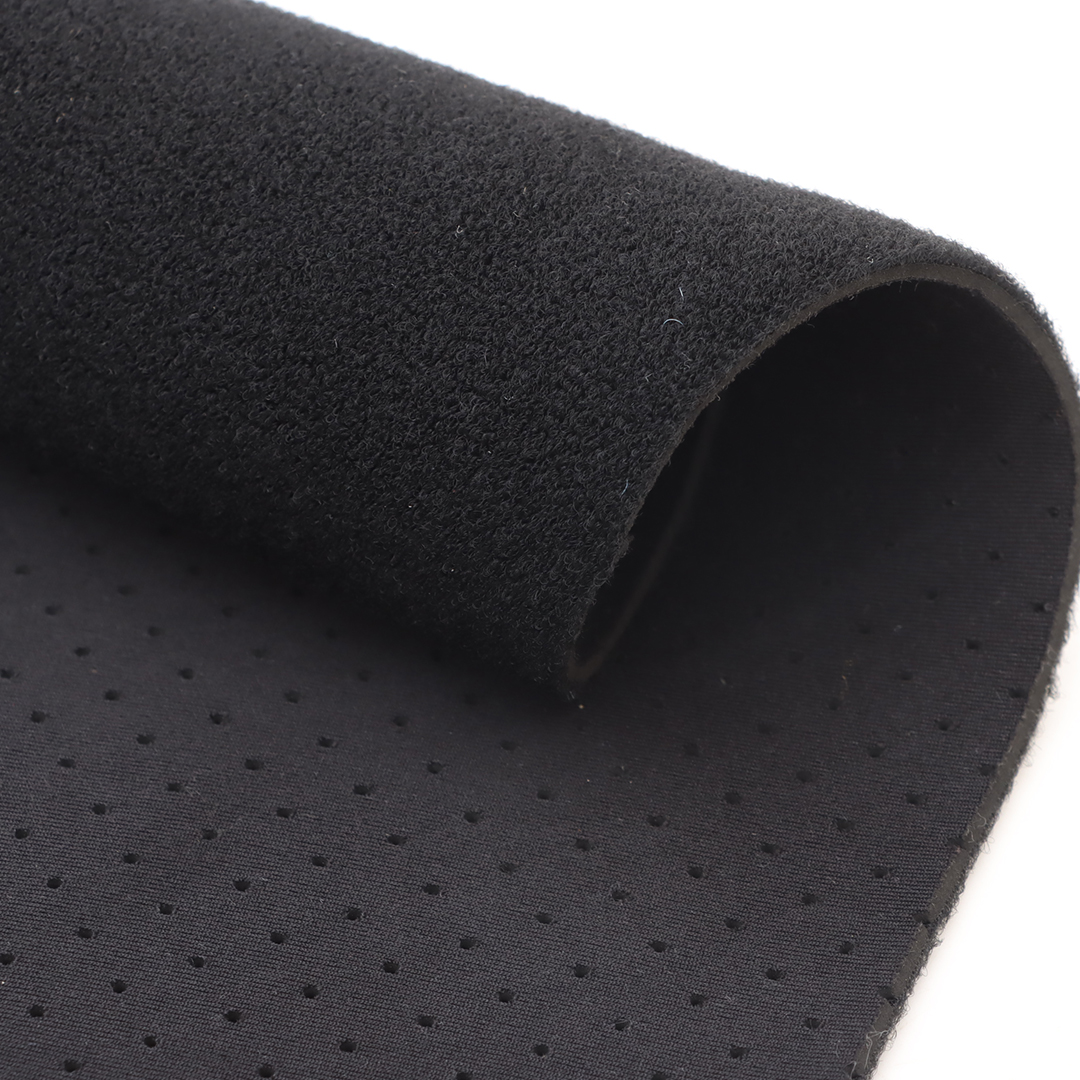
The 4mm foam adds thickness, cushioning, and a fuller structure, which is important for plush toy development.
After the first sample was finished, we did not simply say, “The sample is ready.”
Instead, we took clear photos and videos from different angles, including:
Since the customer was in Indonesia and could not touch the sample immediately, photos and videos became his “remote eyes.”
The clearer we showed the material, the easier it was for him to judge the result.
During sample confirmation, the customer adjusted the structure based on his plush toy production needs.
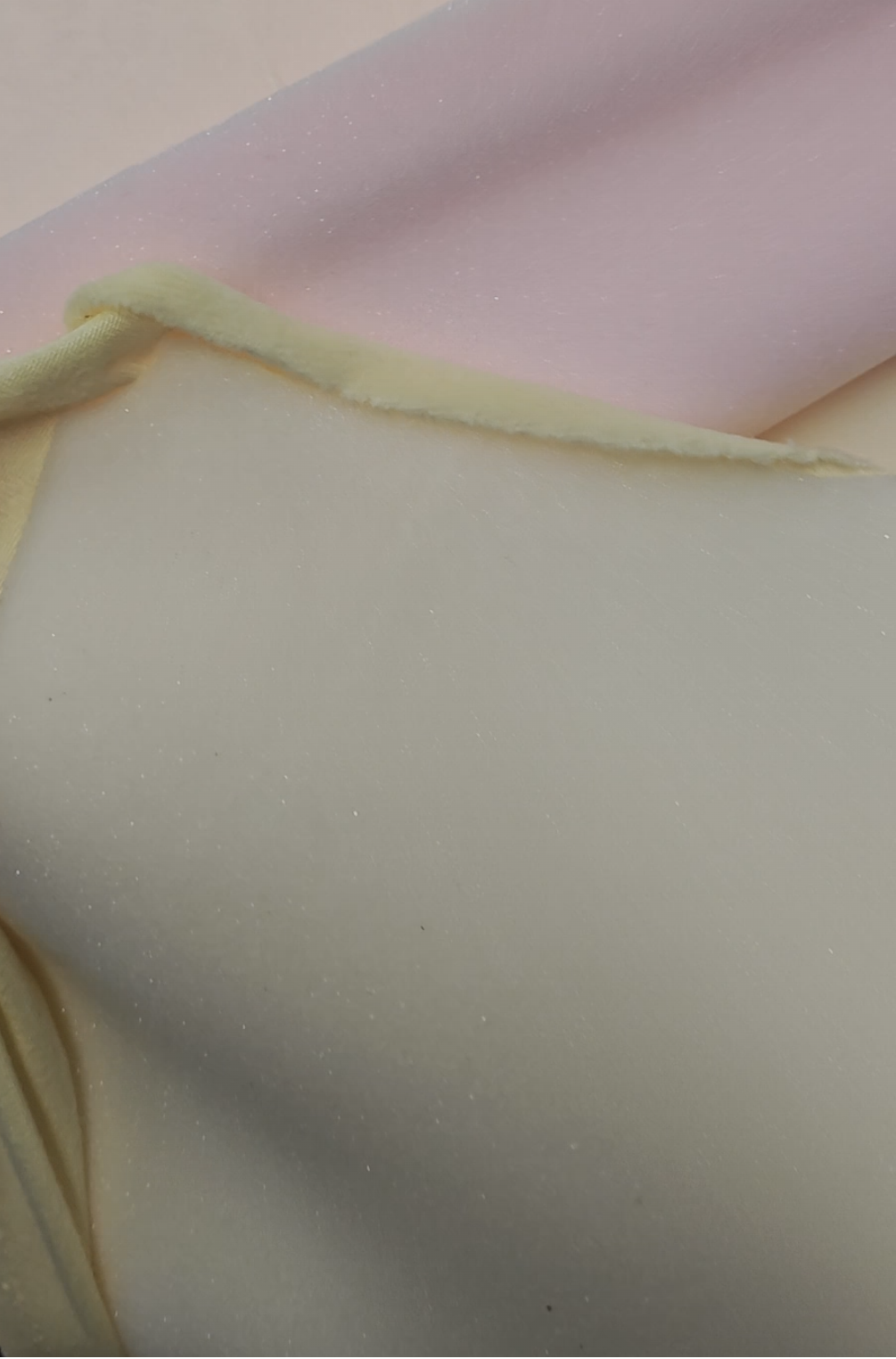
He asked to add one more layer of mesh backing.
The original structure was:
Short plush fabric + 4mm foam
The updated structure became:
Short plush fabric + 4mm foam + mesh backing
This kind of adjustment is very common in custom material projects.
Customers are not “changing their mind for fun.” They are improving the material step by step as the product becomes clearer.
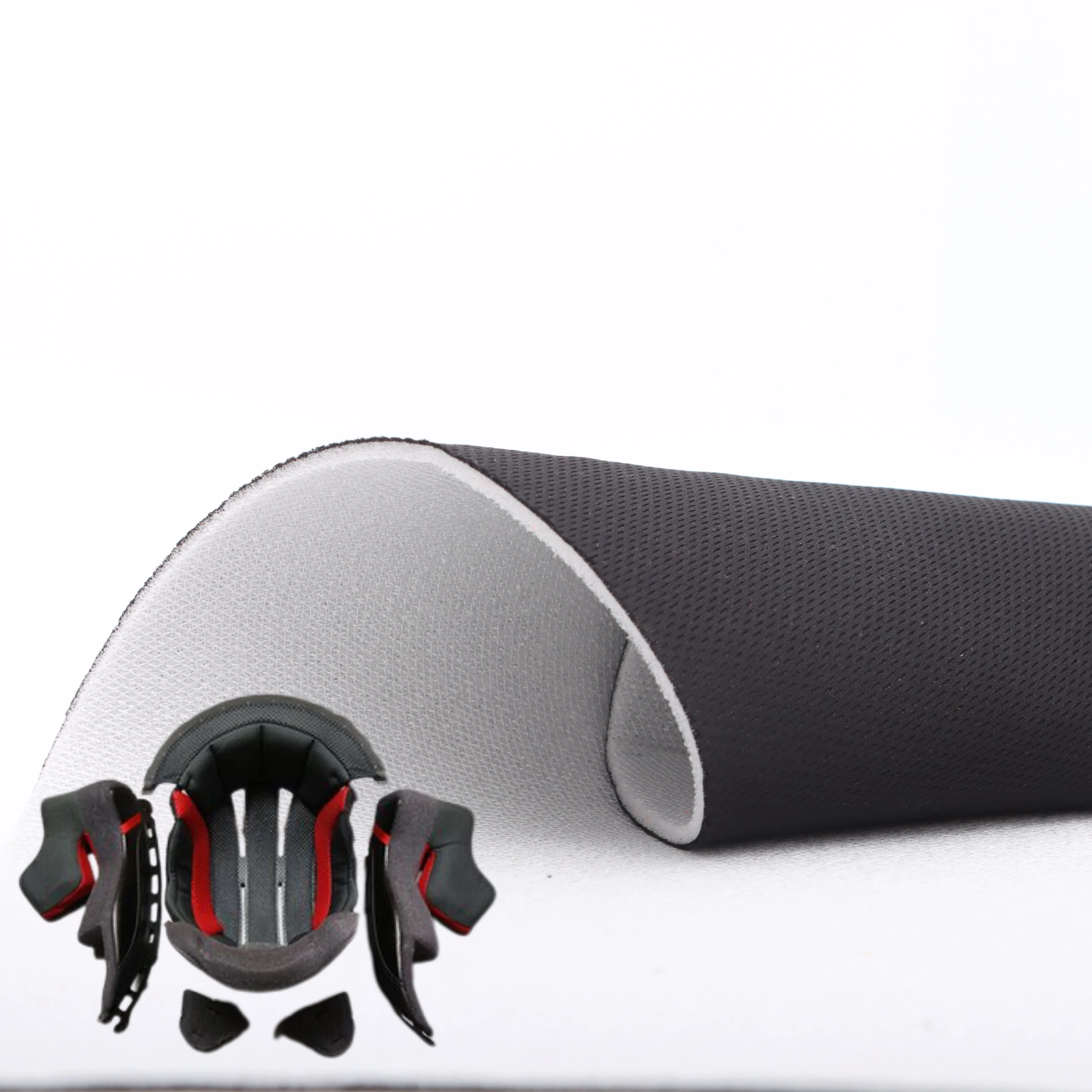
After adding mesh backing, the material became more stable on the back side and more suitable for cutting, sewing, and further processing.
So we prepared the materials again and arranged a new sample.
For the second sample, we focused on the complete three-layer structure.
We checked:
After the sample was finished, we again took photos and videos from different angles: front side, back side, side thickness, and overall view.
This helped the customer clearly see that the new structure was more complete and more practical for his plush toy project.
After the final structure was confirmed, we prepared the quotation and invoice based on the updated material solution.
For custom laminated fabrics, the price is affected by several factors, such as:
Once everything was confirmed, we started production.
During production, we kept updating the WeChat group with real photos, including raw materials, workshop production, laminated fabric, and roll condition.
These were not “pretty showroom photos.”
They were real production records, so the customer could clearly see his order was moving forward — not being magically produced in the chat box.
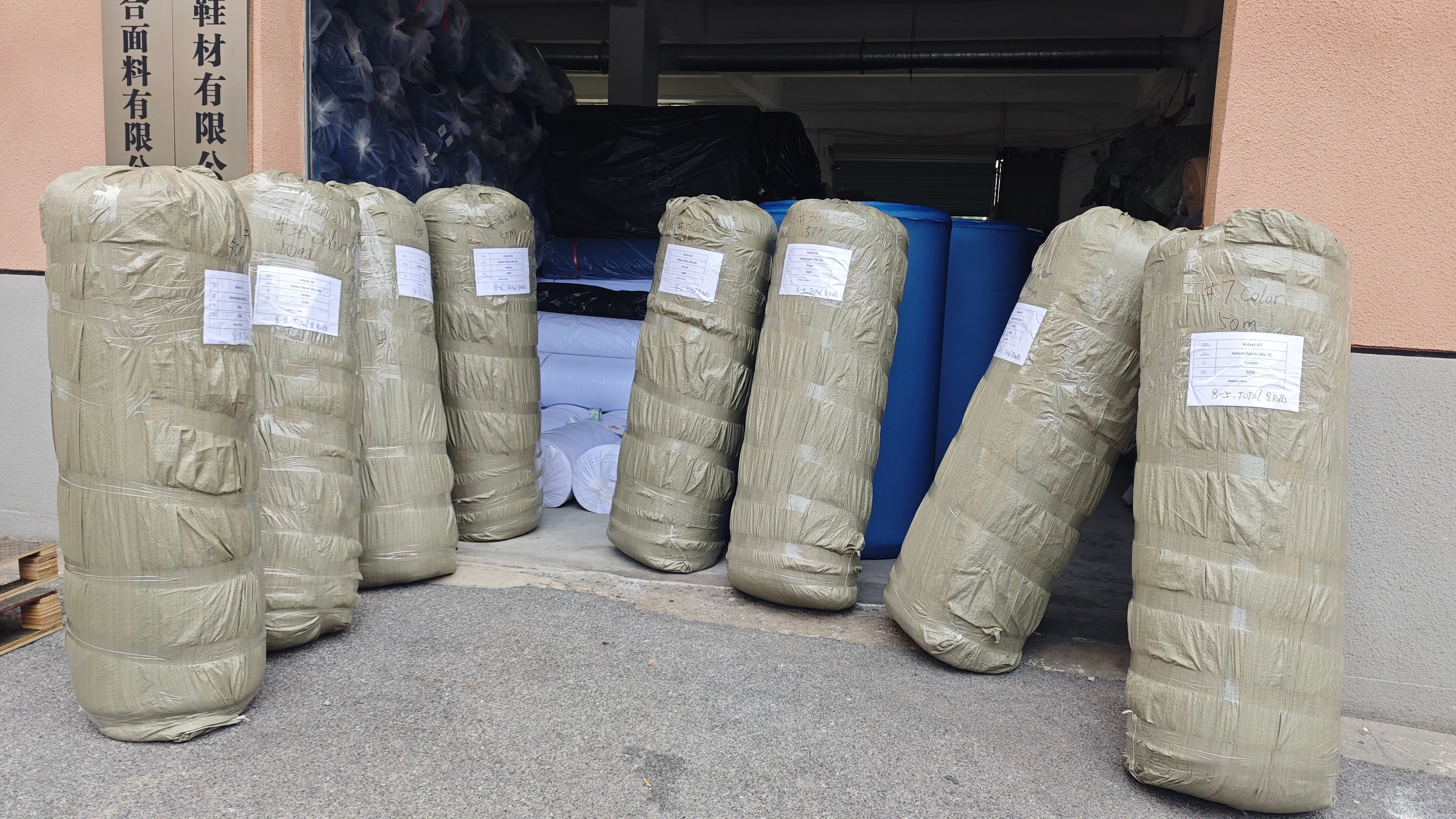
After production was completed, we packed the goods with two layers of protection to help protect the plush surface and roll condition during transportation.
At first, the customer considered using pallets. We also prepared a pallet option for him.
Later, the customer decided not to use pallets, so we followed his final packaging requirement.
According to the customer’s arrangement, the goods needed to be delivered first to his appointed freight forwarder in Yiwu, China, and then shipped to Indonesia by his forwarder.
We contacted domestic logistics and arranged truck delivery.
During the delivery process, we also kept in touch with the customer’s freight forwarder to confirm the address, vehicle arrangement, and delivery details.
After the goods arrived at the appointed Yiwu address, we took photos and updated the customer immediately.
For us, production is not the end of the project.
The project is only complete when the goods are safely delivered to the customer’s appointed location.
In this project, we helped the customer with more than just fabric production.
We helped him complete:
After the goods were delivered, the customer thanked us for our support and looked forward to future cooperation.
We do not just sell laminated fabric.
We help customers turn material ideas into real, workable products.
Shanghai Dongyao Shoes Material Co., Ltd., established in 2002 near Shanghai Port, is a leading laminated fabric manufacturer. We specialize in high-quality composite fabrics serving medical, automotive, sports protection, and luggage industries with reliable export logistics and innovation.
 EN
EN