 ×
×
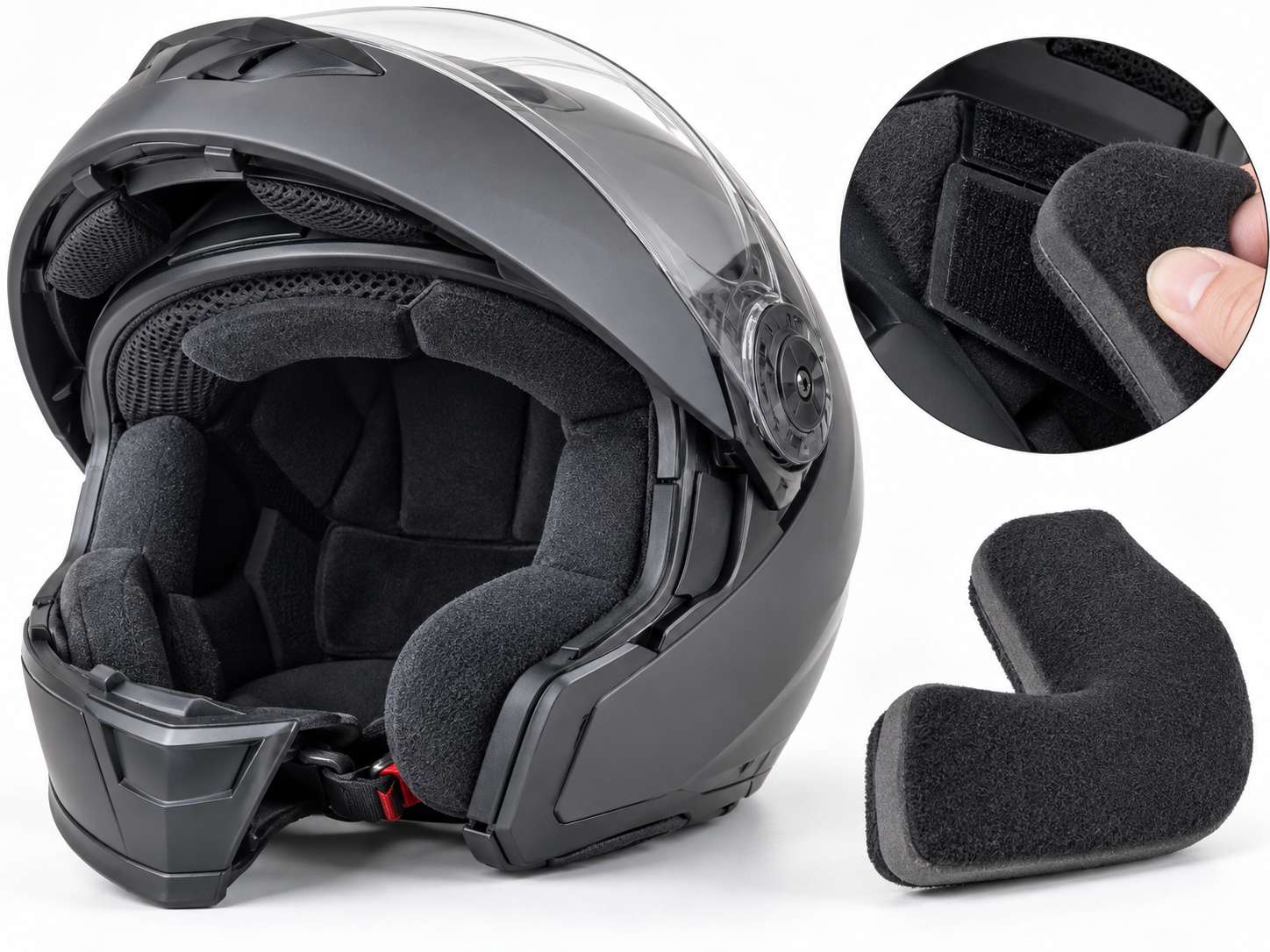
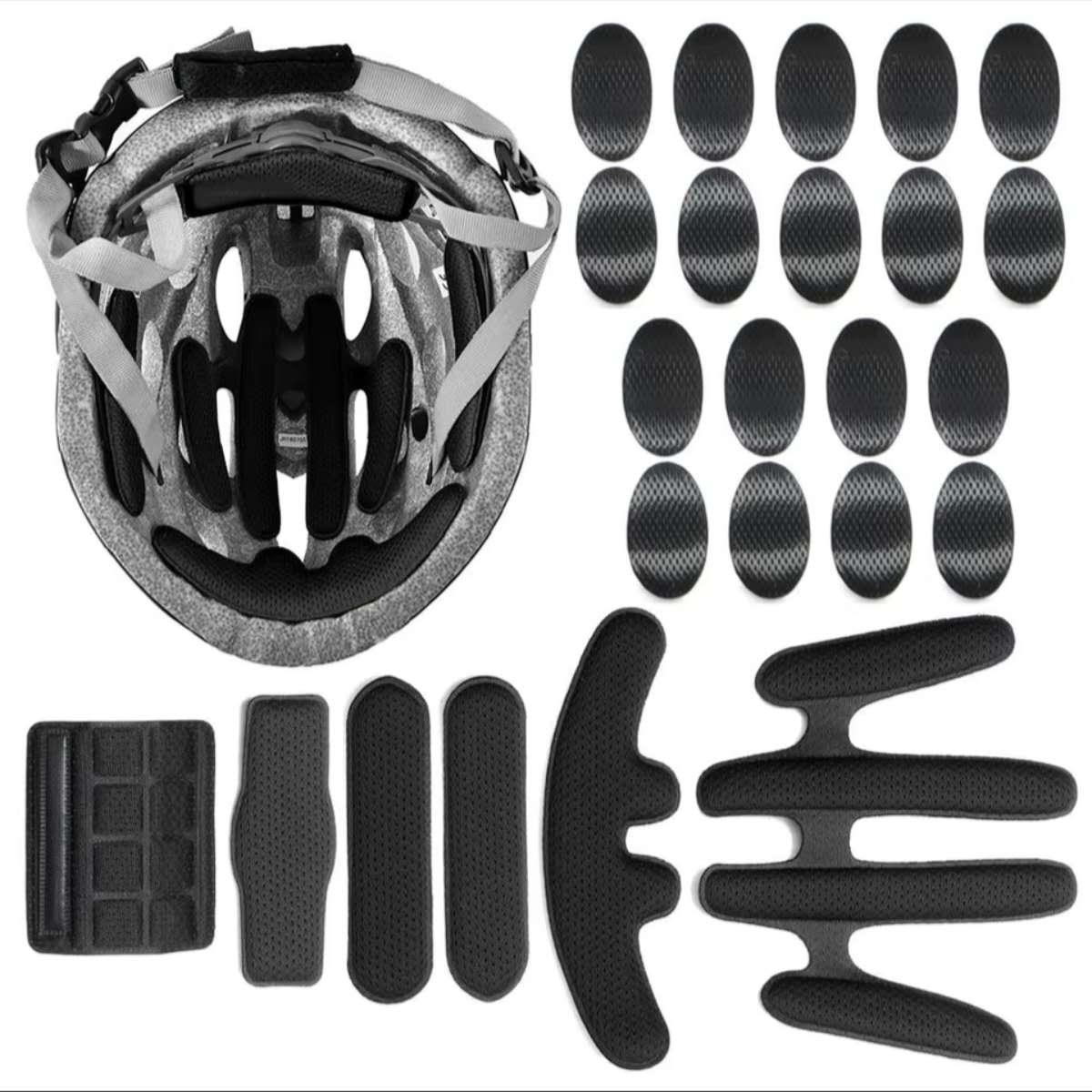
Helmet liners are commonly used around the top, sides, and other areas that come into contact with the head, including top padding, side pads, cushioning pads, and removable liner components.
Different areas inside a helmet may require different material properties. Some parts need better breathability, some require softer cushioning and a closer fit, while removable liner pads may also need a convenient way to attach, remove, or adjust.
For this reason, different laminated fabric structures are often used for different parts of the helmet.
Common structures include:
Loop Fabric + PU FOAM
Loop Fabric + PU FOAM + Fabric
Sandwich Mesh Fabric + PU FOAM
Bird-Eye Fabric + PU FOAM
Knitted Fabric / Knitted Mesh + PU FOAM
Fabric + PU FOAM + Fabric
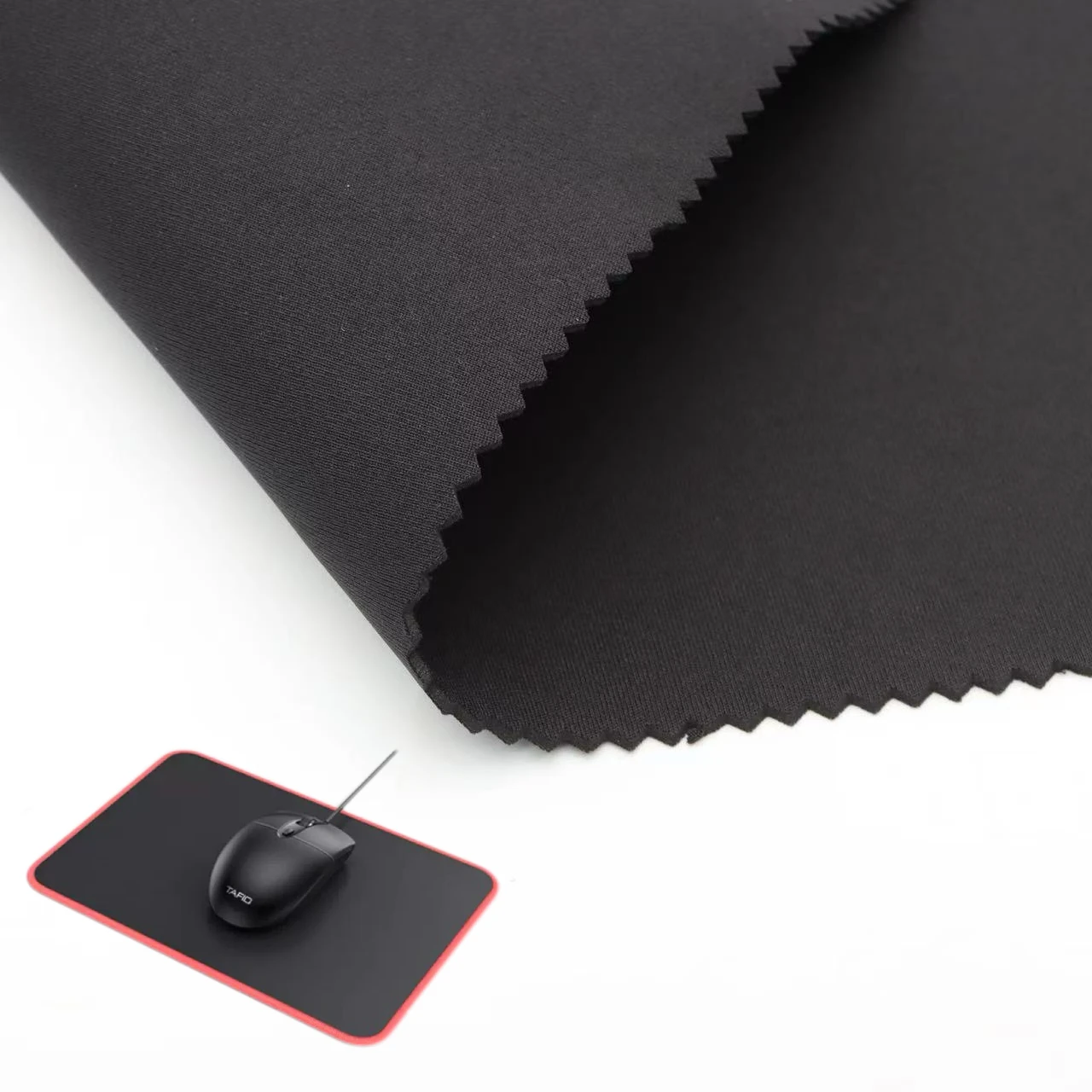
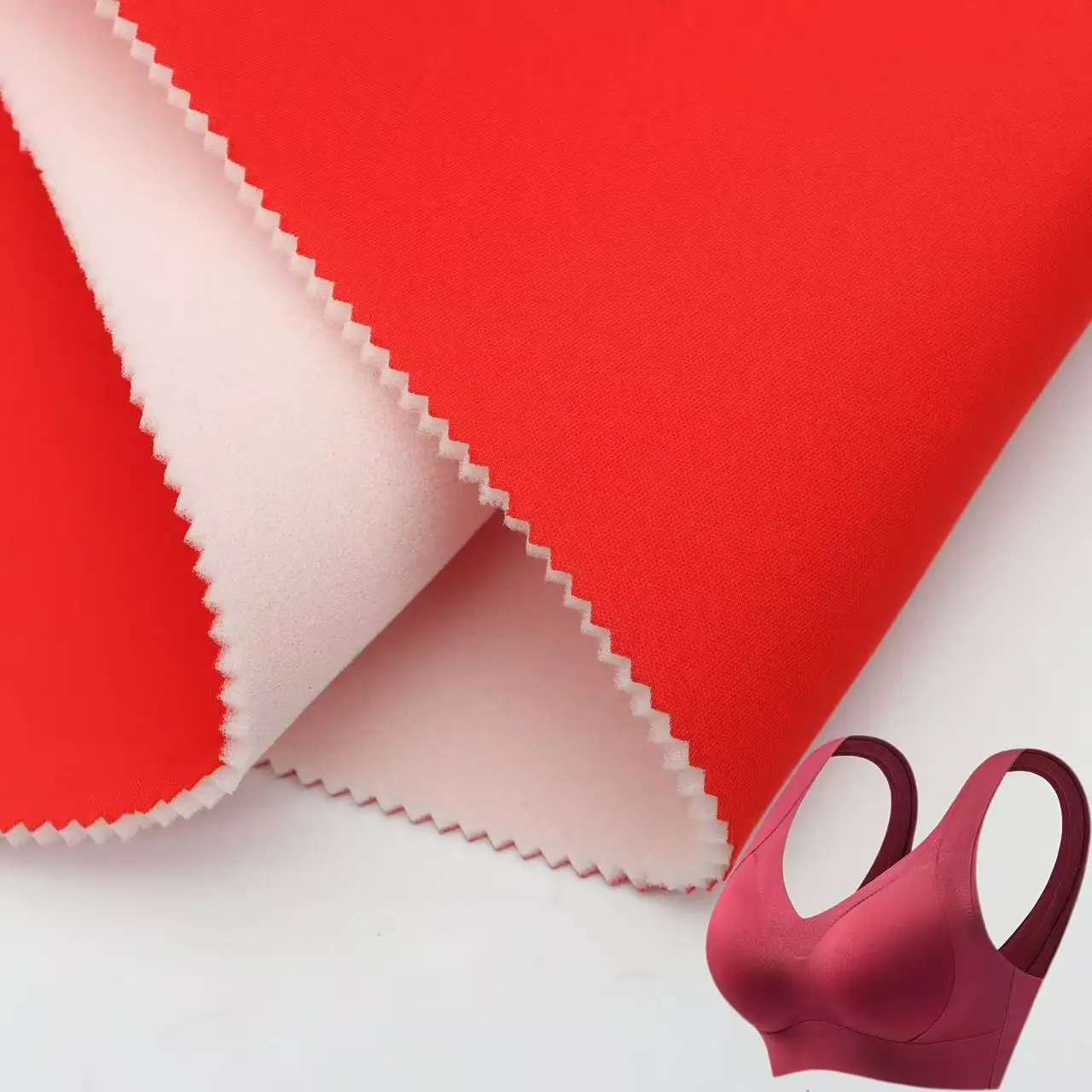
Different surface fabrics provide different hand feels, breathable structures, and attachment functions, while the PU FOAM layer mainly provides thickness, cushioning, filling, and support.
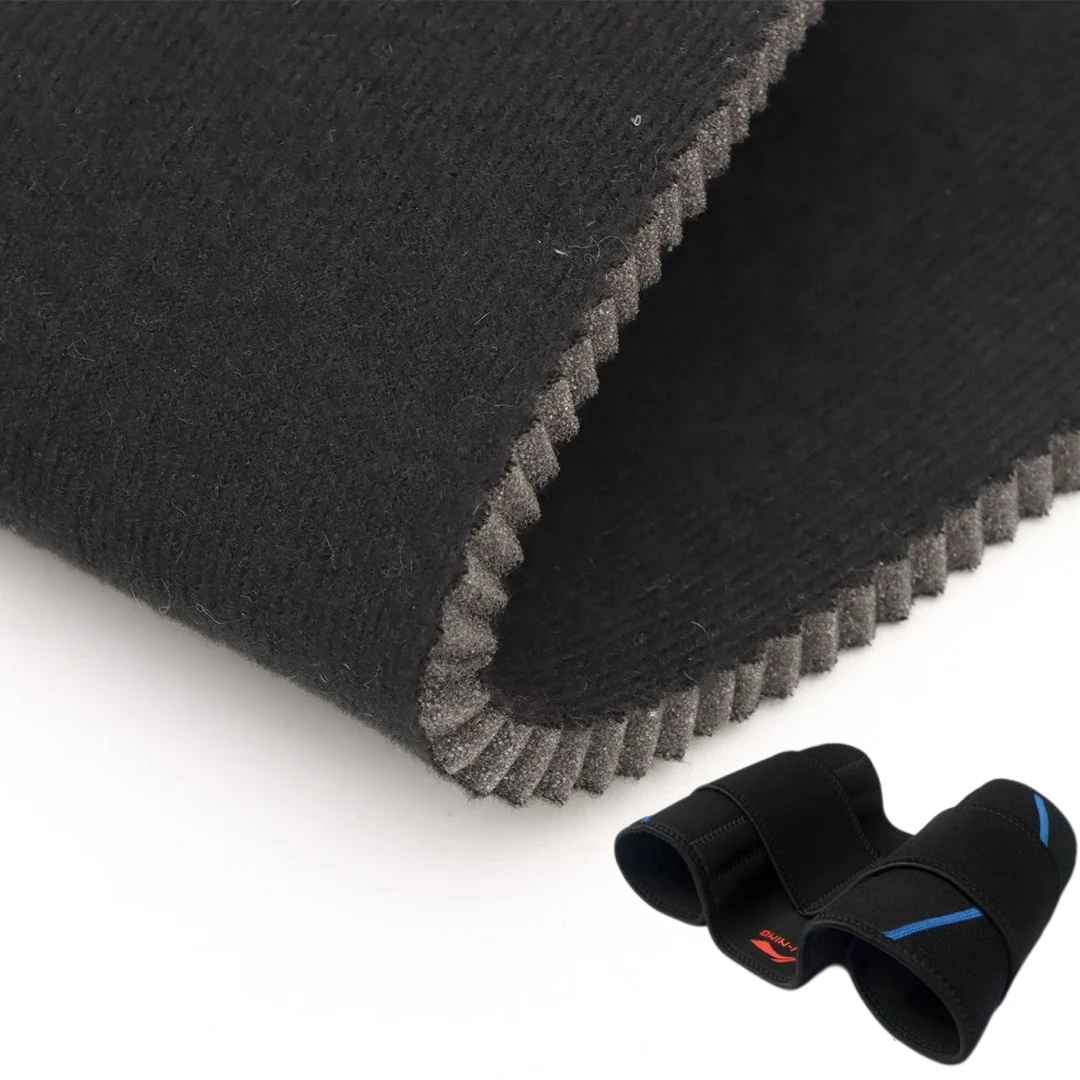
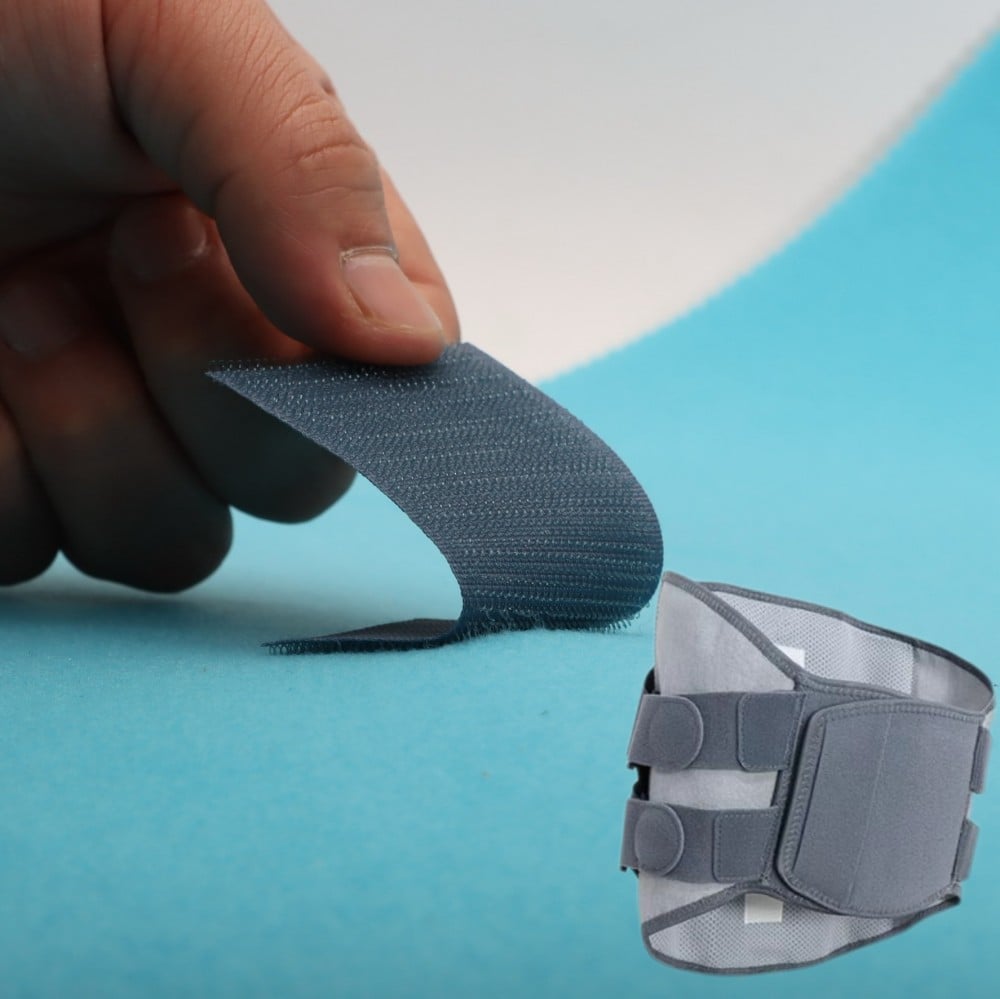
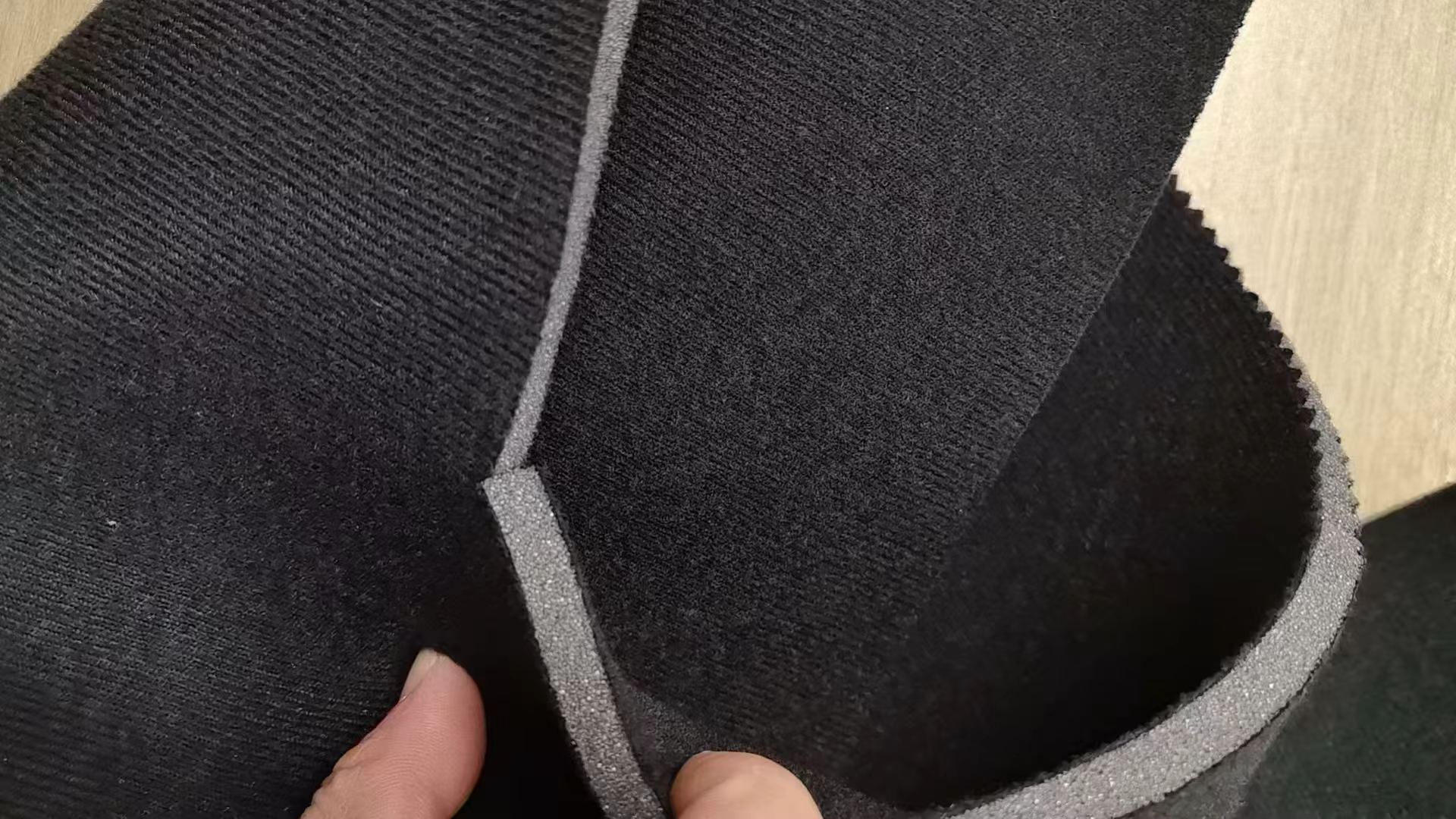
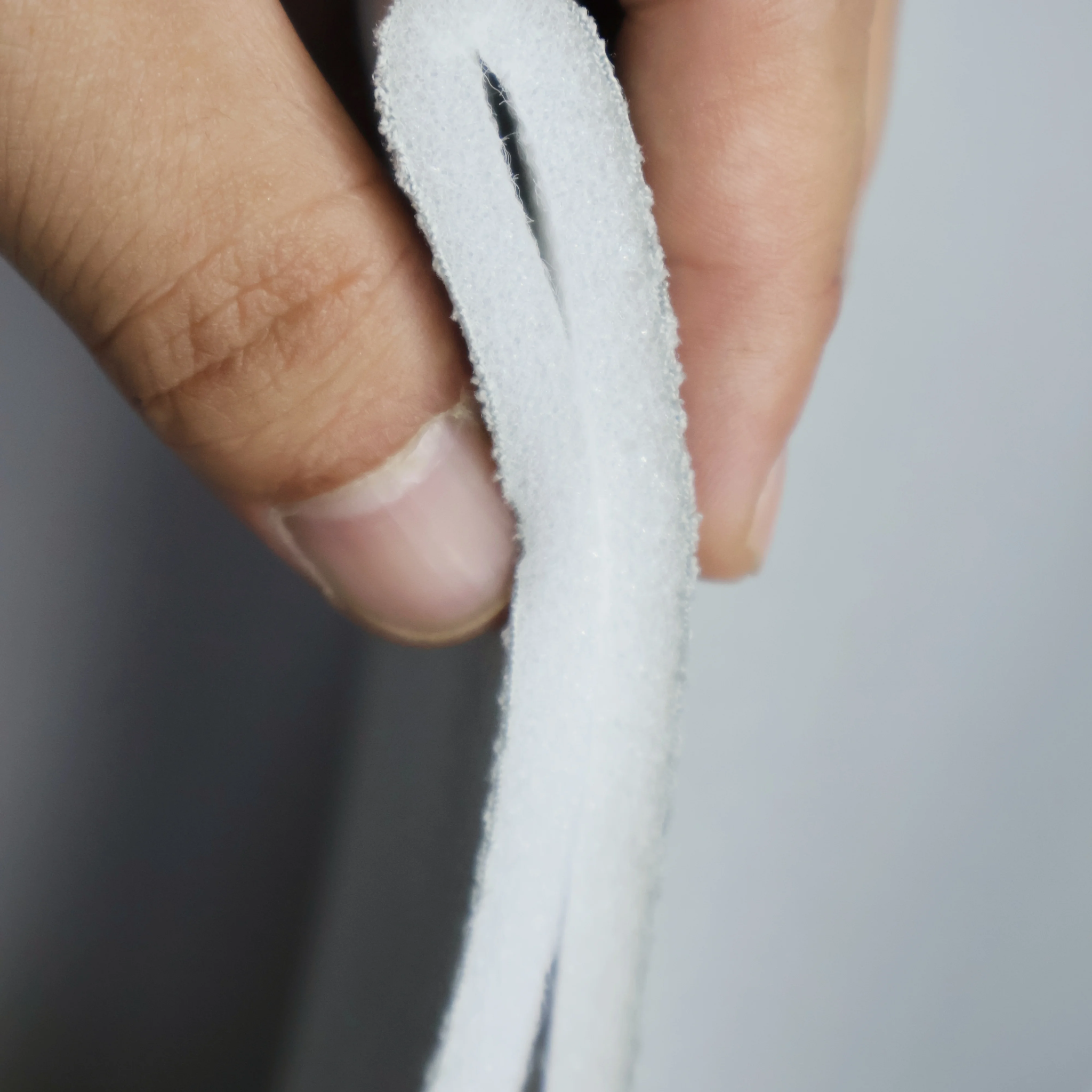
Loop fabric laminated with PU FOAM is a commonly used structure for helmet liners.
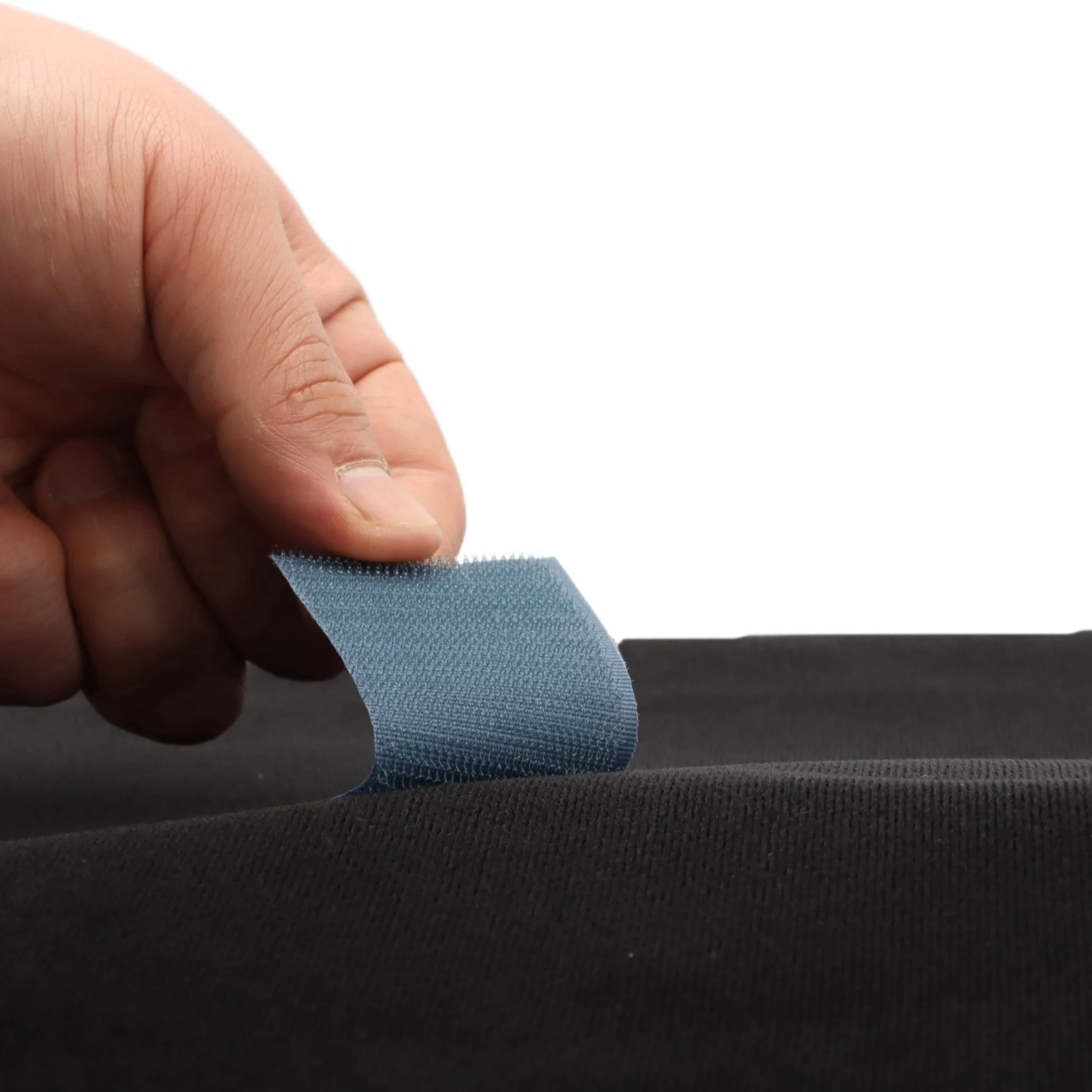
The loop surface is soft and hook-compatible, so it can be used not only as a comfortable surface layer but also to help attach liner pads inside the helmet.
Common structures include:
Loop Fabric + PU FOAM
and
Loop Fabric + PU FOAM + Fabric
This structure offers several practical features:
For removable, adjustable, or replaceable helmet padding, this type of laminated material is a practical option.
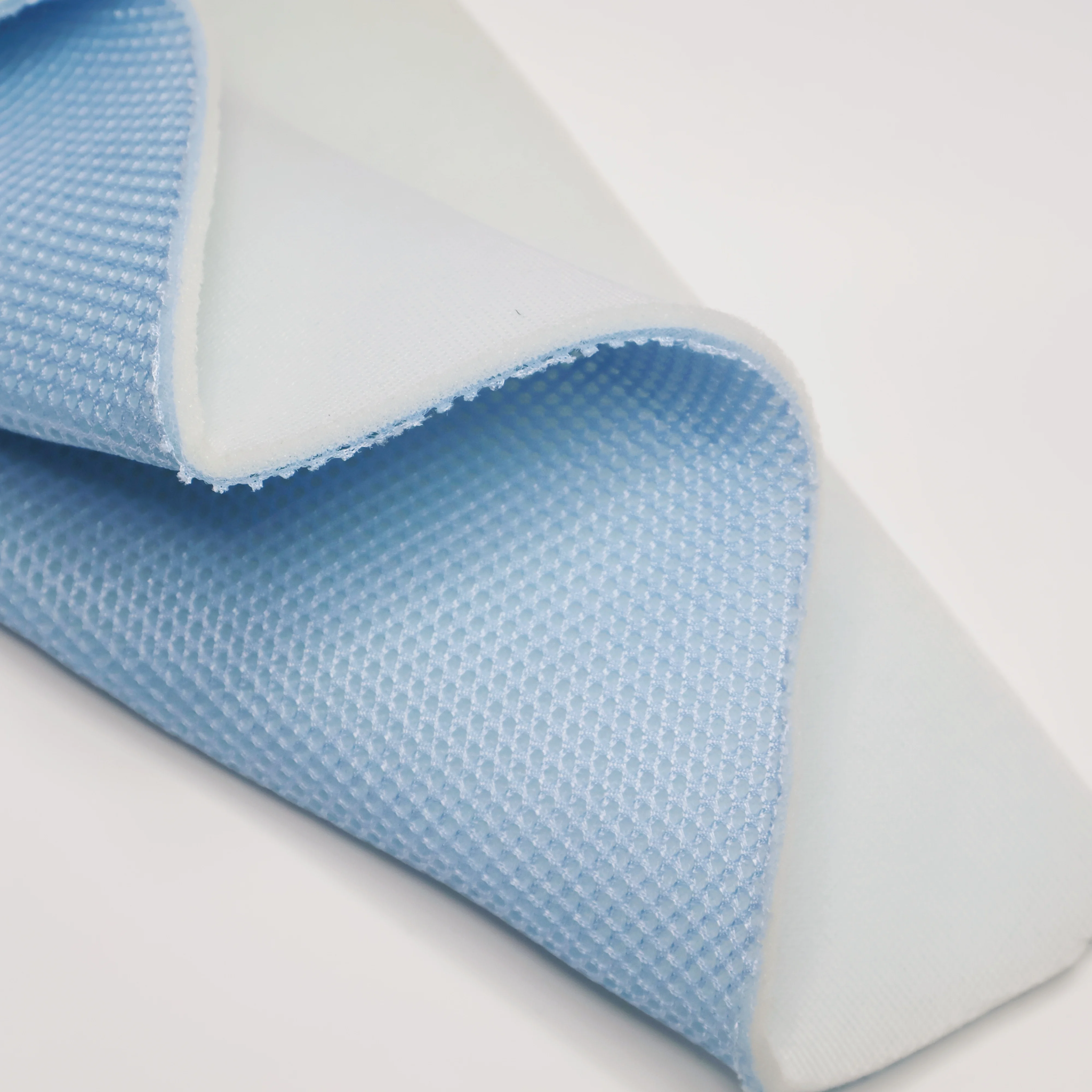
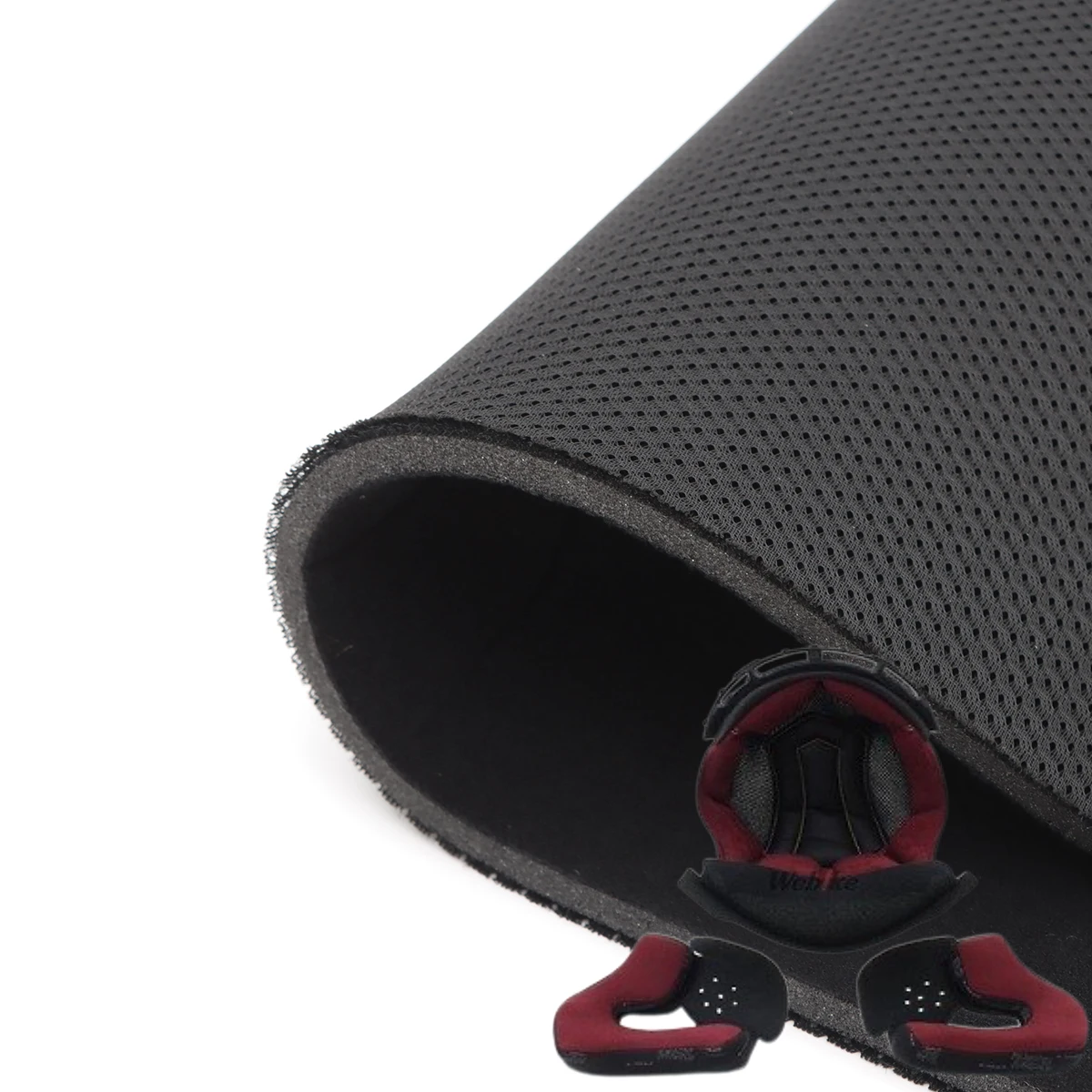
Sandwich mesh has a three-dimensional mesh structure and is suitable for helmet liner areas that require a combination of breathability, softness, and cushioning.
After lamination with PU FOAM, the mesh surface keeps its open structure while the FOAM adds thickness and cushioning.
Common structure:
Sandwich Mesh Fabric + PU FOAM
Typical applications include:
The mesh pattern, color, thickness, and PU FOAM specification can also be adjusted according to the product design.
Bird-eye fabric and knitted mesh also have breathable surface structures, but they are generally lighter and finer than three-dimensional sandwich mesh.
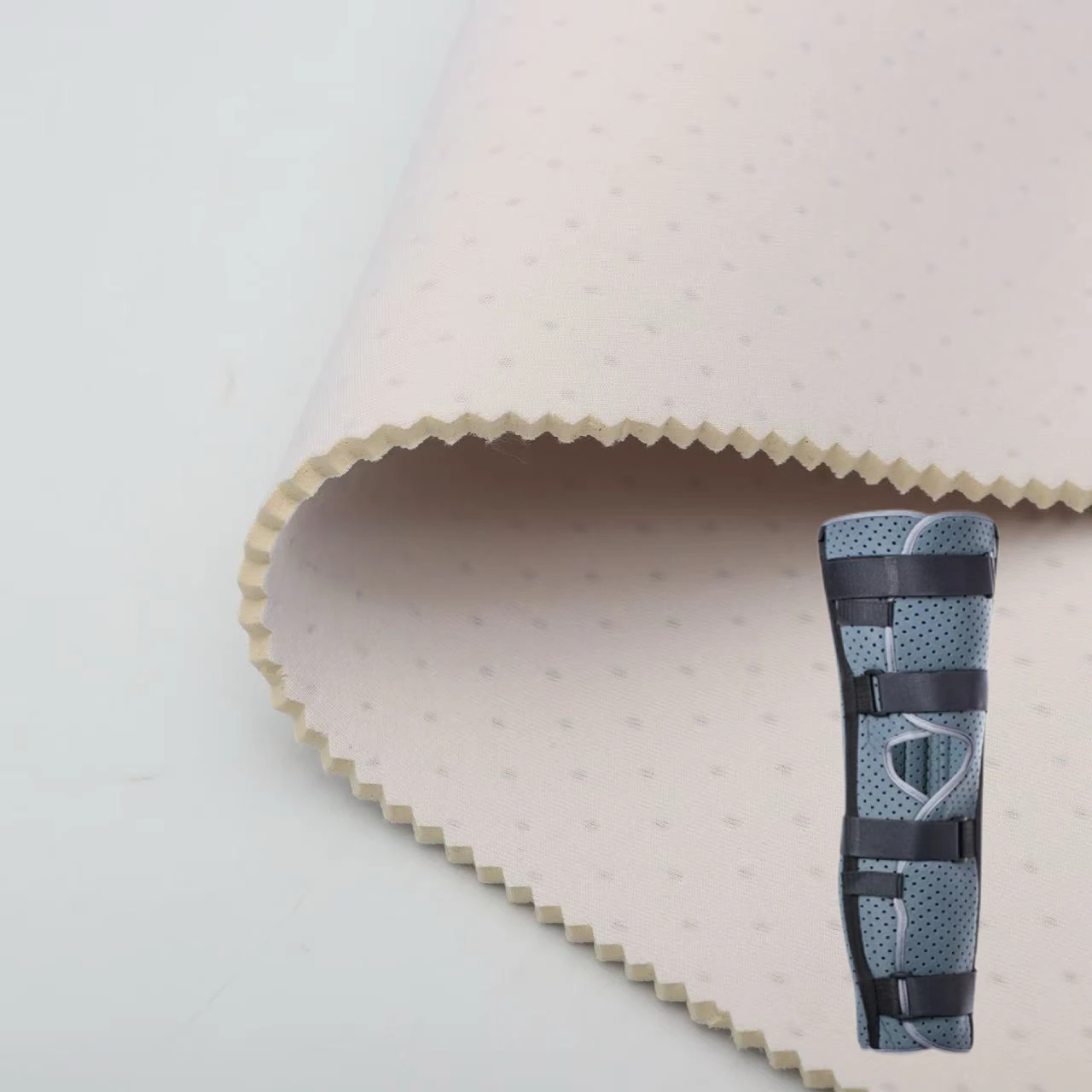
Bird-eye fabric features small and evenly distributed mesh openings. When laminated with PU FOAM, it keeps a soft surface while adding cushioning and filling.
Common structures include:
Bird-Eye Fabric + PU FOAM
Knitted Mesh Fabric + PU FOAM
Regular knitted fabric can also be laminated with PU FOAM for liner areas where a smoother and softer surface is preferred.
These materials are suitable for further processing such as cutting, sewing, die cutting, and shaping into different liner components.
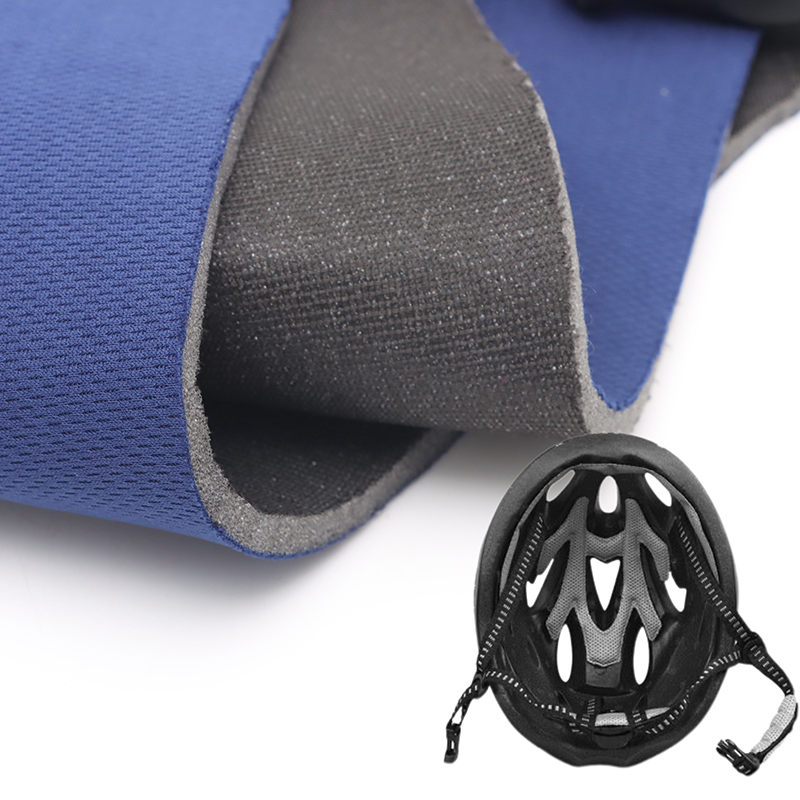
Helmet liner materials can be produced with either single-sided or double-sided lamination, depending on the product structure.
Fabric + PU FOAM
Fabric is laminated on one side, while the other side remains FOAM.
This structure is relatively simple and can be easily combined with other liner components.
Fabric + PU FOAM + Fabric
PU FOAM is placed in the middle, with fabric laminated on both sides.
For example:
Loop Fabric + PU FOAM + Knitted Fabric
Loop Fabric + PU FOAM + Mesh Fabric
The two surface fabrics do not need to be the same.
One side can use Loop Fabric for attachment, while the other side can use a softer knitted fabric or breathable mesh as the contact surface.
PU FOAM is an important layer in these laminated structures.
It mainly affects:
Different areas inside a helmet can use different FOAM specifications.
Thinner FOAM is suitable for lightweight or compact liner areas, while thicker FOAM can provide more noticeable cushioning and filling.
FOAM density and firmness can also be adjusted according to the project.
This means that even when the same Loop Fabric, Sandwich Mesh, or Bird-Eye Fabric is used, changing the PU FOAM specification can create a different thickness, hand feel, and overall structure.
The same helmet does not necessarily need to use one laminated material throughout.
For example:
For areas requiring attachment, removal, or adjustment
Loop Fabric + PU FOAM can be used.
For areas where breathability is more important
Sandwich Mesh Fabric + PU FOAM is a suitable option.
For lighter and softer liner sections
Bird-Eye Fabric / Knitted Mesh + PU FOAM can be used.
For components requiring a complete two-sided structure
Fabric + PU FOAM + Fabric can be selected.
These laminated materials can be cut, sewn, die-cut, or shaped into different forms for:
These materials are mainly used for the comfort, cushioning, filling, and fitting layers inside a helmet. The main impact-protection structure of the helmet should still be designed and tested according to the complete helmet construction and applicable safety standards.
As a direct laminated fabric manufacturer, we can adjust the material structure according to different helmet projects, including:
If you already have an existing material sample, helmet liner photo, dimensional drawing, or structural drawing, you can send it to us for reference.
Our team can review your actual product structure and application requirements, then help match the surface fabric, PU FOAM, and lamination method to provide a more suitable material solution for your project.
 Hot News
2026-09-18
2026-09-11
2026-08-26
2026-08-09
2026-07-29
2026-06-30

Shanghai Dongyao Shoes Material Co., Ltd., established in 2002 near Shanghai Port, is a leading laminated fabric manufacturer. We specialize in high-quality composite fabrics serving medical, automotive, sports protection, and luggage industries with reliable export logistics and innovation.
 EN
EN