EN
EN



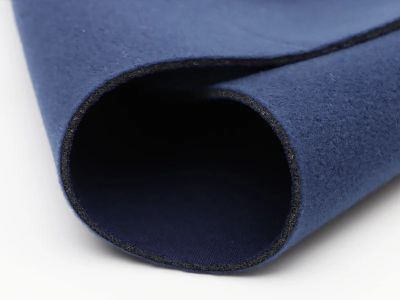
Sponge fabric lamination is a special way to make materials soft and strong. This process involves sticking a layer of sponge fabric to another material. The sponge fabric is known for being cushy and comfortable, which is why it's often used in things like cushions, mattresses, and even some clothing. When you laminate sponge fabric, it helps to improve the overall feel and quality of the product. At Dongyao, we understand how important cushioning is for our customers. By using sponge fabric lamination, we can create products that not only feel great but also last a long time.
How Sponge Fabric Lamination Enhances Product Quality and Durability?
Sponge fabric lamination does a lot more than just make things soft. It also makes products better and longer-lasting. When we laminate sponge onto another material, it adds a protective layer. This helps keep the underlying material safe from wear and tear. For example, if you have a cushion that sits on a chair, the sponge layer absorbs shocks and pressure. This means the cushion doesn't get worn out as quickly. People can sit comfortably without worrying about damaging the cushion. In addition, the lamination process helps to prevent water and dirt from getting into the materials. This is especially useful for outdoor furniture or car seats, where spills and stains can happen. When water hits the laminated sponge, it beads up and rolls off instead of soaking in. This keeps the product looking new for a longer time. The soft nature of the sponge fabric is also great for comfort. When you sit or lie on a laminated sponge surface, it feels like you are sitting on a cloud. This is important for items like mattresses, where a good night's sleep is crucial. At Dongyao, our laminated products are designed to make sure users feel relaxed and supported. The combination of softness and support can help reduce pressure points on the body. This means less discomfort after sitting for a long time. Furthermore, laminated sponge products can be used in many different ways. They can be used in sports gear, medical supplies, and even toys. For example, a laminated sponge mat can be used for yoga, providing both cushioning and stability. This versatility shows how useful sponge fabric lamination is in improving product quality.
Understanding the Cost Factors of Sponge Fabric Lamination
When it comes to sponge fabric lamination, understanding the costs is important. Many people think that adding a layer of sponge will make products too expensive, but that’s not always true. At Dongyao, we focus on making the process efficient. The cost of lamination can depend on several factors like the type of materials used and the thickness of the sponge. Thicker sponges usually provide better cushioning but can increase costs. However, this extra cost often pays off in the long run because products last longer. Another factor is the equipment needed for lamination. High-quality machines can make the process faster and more effective, but they might come with a higher price tag. Fortunately, investing in good equipment means we can produce better products. This can help lower costs over time as production becomes more efficient. Labor costs are also a big part of the overall expense. Skilled workers are needed to operate machinery and ensure lamination is done correctly. At Dongyao, we train our staff well to make sure they know how to handle the materials. Well-trained workers can help reduce mistakes, saving money in the long run. Lastly, the market demand for laminated sponge products can influence costs. If there is a high demand, prices might go up. On the other hand, if fewer people want these products, prices could drop. It's all about finding the right balance. When you think about the cost factors, it’s clear that sponge fabric lamination is a smart choice. The benefits of comfort, durability, and versatility often outweigh the extra costs, making it a worthy investment for many products.
Key Specifications to Consider When Selecting Sponge Fabrics
When choosing sponge fabrics, it’s important to think about some key features that can help you find the right one. First, look at the thickness of the sponge. Thicker sponge fabrics often provide better cushioning and support. This is especially useful for things like seating cushions or mattress toppers. You also want to check the density of the sponge. Density tells you how much material is packed into the fabric. A denser sponge can give you more support, while a less dense one might feel softer. The softness or firmness of the sponge fabric is another thing to consider. Softer fabrics can feel nice and cozy, while firmer ones can help support your body better. Next, think about the type of material used in the sponge fabric. Some materials are more durable and can last longer, while others may wear out quickly. For example, Dongyao offers sponge fabrics made from high-quality materials that can withstand regular use. You should also consider the fabric’s ability to breathe. Breathable fabrics allow air to flow through, which can help keep you cool and comfortable. This is especially important if you are using the fabric for things like car seats or sports equipment. Another specification to think about is how easy it is to clean the Composite foam fabric. Some fabrics can be easily wiped down or machine washed, which makes them easier to take care of. Finally, don’t forget to check if the sponge fabric is safe and non-toxic. This is really important if the fabric will be used by children or pets. By keeping these key specifications in mind, you can choose the best sponge fabric for your needs and ensure that it will provide great cushioning and comfort.
Installation Guidance for Optimal Performance of Laminated Fabrics
Installing laminated fabrics properly is key to making sure they work well and last a long time. First, before you start the installation, make sure you have all the tools and materials you need. You might need scissors, adhesive, and a straight edge. It's also helpful to clean the surface where you will be installing the sponge fabric. A clean surface will help the adhesive stick better. Next, measure the area where you want to apply the laminated sponge fabric. It’s important to get the right measurements so you can cut the fabric to fit perfectly. When you are cutting the fabric, be careful to make straight cuts. If the edges are uneven, the fabric may not fit well in its place. Once you have cut the fabric, apply the adhesive evenly on the surface. Avoid using too much glue, as this can make a mess and may not hold the fabric properly.
After applying the adhesive, gently press the Foam Fabric onto the surface. Make sure there are no air bubbles trapped underneath, as this can affect the cushioning and comfort. If you notice any bubbles, you can use a flat tool to push them out. Once the fabric is in place, give it some time to dry according to the adhesive instructions. This step is important because it ensures that the fabric stays securely in place. Finally, check the edges of the fabric after it has dried to make sure everything looks neat and tidy. Following these installation steps will help you get the best performance from your laminated sponge fabrics.
Applications of Sponge Fabric Lamination in Various Industries
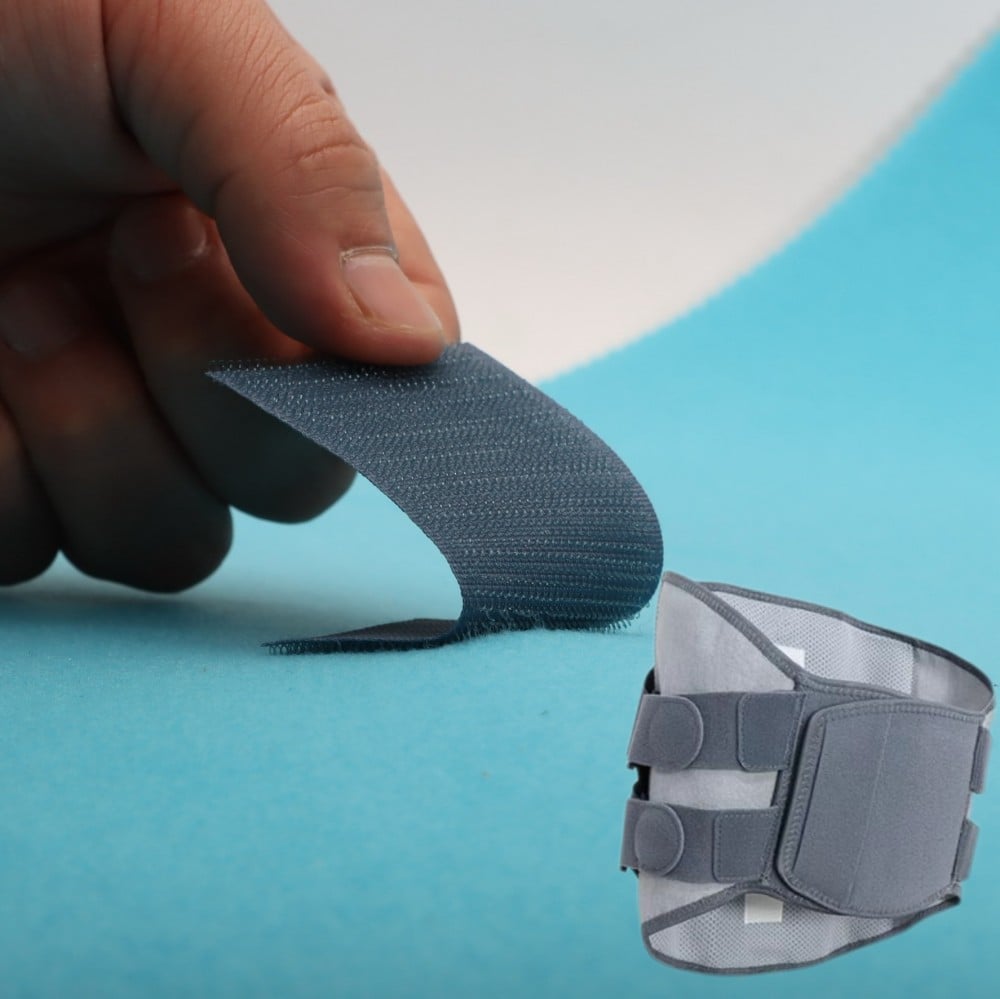
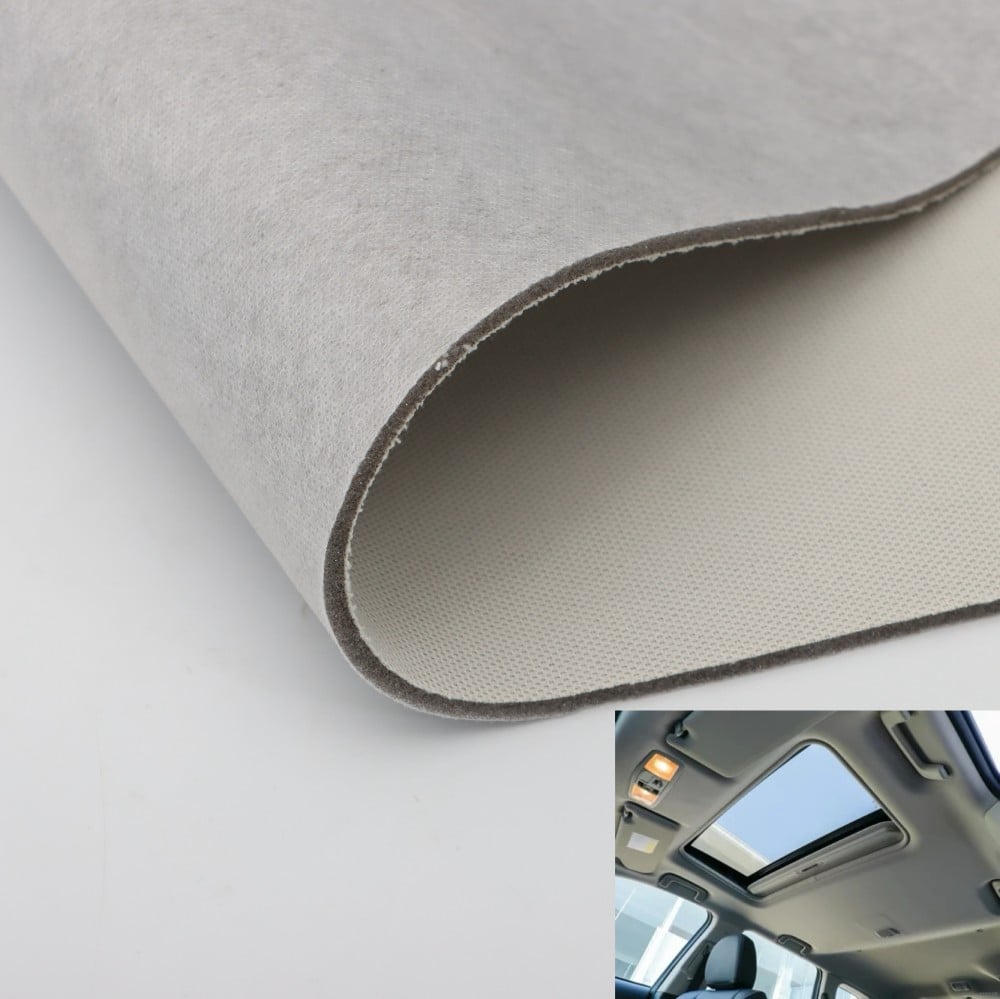
Sponge fabric lamination is used in many industries, and it helps improve the quality of products in different ways. One of the most common uses is in the furniture industry. Designers use laminated sponge fabrics to make comfortable couches, chairs, and cushions. The soft cushioning provides a cozy place to sit, making homes and offices feel more welcoming. Plus, the laminated fabric adds durability, so the furniture lasts longer. Another important industry that uses sponge fabric lamination is the automotive sector. Car manufacturers often use laminated sponge fabrics in seats and interiors to provide comfort for drivers and passengers. The cushioning helps absorb shocks from bumps on the road, making the ride smoother. It also adds a layer of insulation, keeping the interior warm or cool, depending on the weather. In the medical field, Industry Foam Fabric lamination is used in products like hospital beds and wheelchairs. The cushioning helps support patients, making them more comfortable during long stays. Additionally, laminated sponge fabrics can be found in sports equipment, like mats and protective gear. They help absorb impact and protect athletes from injuries.
Table of Contents
- How Sponge Fabric Lamination Enhances Product Quality and Durability?
- Understanding the Cost Factors of Sponge Fabric Lamination
- Key Specifications to Consider When Selecting Sponge Fabrics
- Installation Guidance for Optimal Performance of Laminated Fabrics
- Applications of Sponge Fabric Lamination in Various Industries