EN
EN


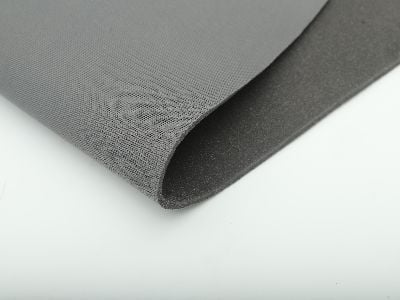
When it comes to packaging, picking the right foam is very important. Dongyao knows that using the right foam can keep your items safe during shipping. Foam helps protect fragile items like glass or electronics from breaking. There are different types of foam, and each type has a different density. Density is how heavy or light the foam is for its size. Choosing the right foam means understanding how much protection your items need. Too little foam might not protect your items well, while too much foam can take up space and cost more money. Let’s dive into how to choose the right foam density and how to check if the foam is good for your packaging needs.
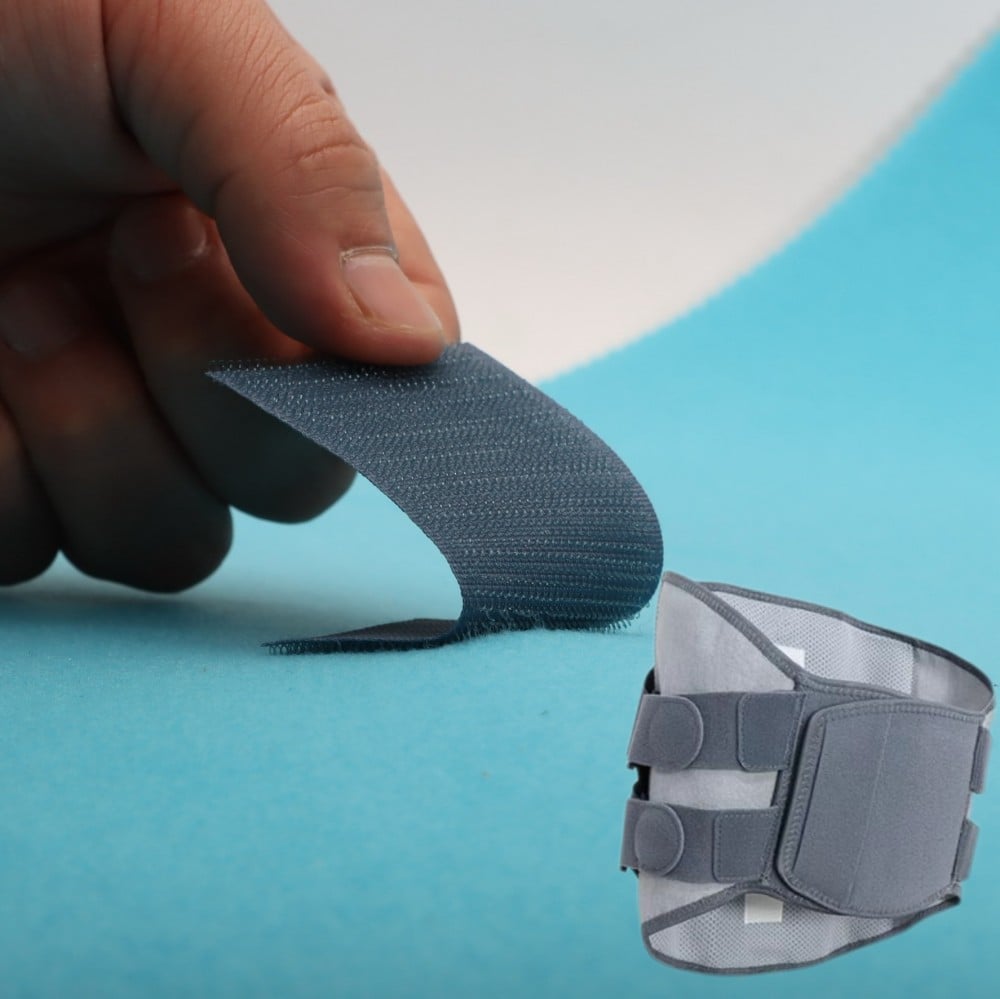
Choosing the right foam density for effective packaging solutions is all about knowing what you are packing. Different items require different levels of protection. For example, if you are shipping something delicate like a ceramic vase, you need a foam that is softer and has a lower density. This type of foam can absorb shocks better and provide a gentle cushion. On the other hand, if you are packaging something heavier, like a metal tool, you might need a denser foam. Denser foams are tougher and can handle more weight without compressing too much. It's important to find a balance. You don't want to use soft Foam Fabric for heavy items because it won't protect them well, and you don't want to use dense foam for light items because it can be more expensive and unnecessary. Dongyao offers a range of foam options, so you can find the perfect fit for whatever you are shipping. Think about the size, weight, and fragility of your items when choosing foam. This way, you’ll ensure your packages arrive safely and in good condition.
How to evaluate foam density for reliable packaging applications?
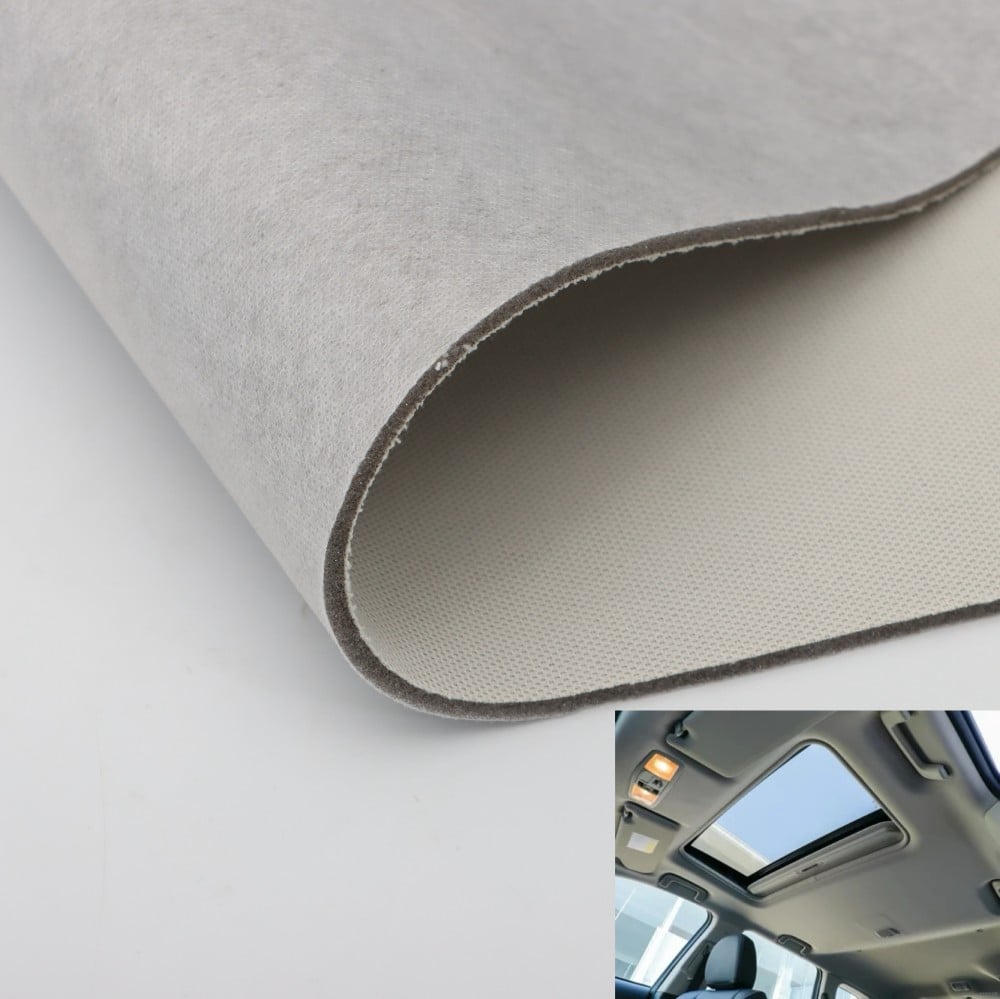
First, you can look at the foam's specifications. Each type of foam will come with information about its density. You can often find this on the packaging or from the manufacturer's website. Comparing densities helps you decide which foam is best for your needs. Another way to evaluate foam is to test it. You can press down on the Composite foam fabric and see how it responds. If it bounces back quickly, it’s usually a good sign that it will protect your items well. If it flattens out and doesn't return to its original shape, it might not be the best choice. Also, consider how the foam fits into your package. It should fill the space around your items without being too tight. If the foam is too tight, it can damage the items, but if it is too loose, items can move around and get damaged during shipping. Dongyao is here to help you find the right foam density for all your packaging needs. With the right foam, you can ship with confidence knowing your items are safe.
Key Specifications for Selecting Density Industry Foam for Packaging
When choosing foam for packaging, it’s important to think about density. Density means how much weight is packed into a certain space. In foam, this can affect how well it protects items. There are two main types of density: low-density and high-density Industry Foam Fabric. Low-density foam is lighter and softer. It can be good for lighter items that don’t need a lot of protection. On the other hand, high-density foam is heavier and firmer. This type is better for heavy or fragile items because it provides more support and protection during shipping.
Another important specification is the thickness of the foam. Thicker foam can absorb more shock, which is great for fragile items. If you are sending something that can break easily, like glass or electronics, thicker foam is usually the best choice. However, if you are packaging something that is not as fragile, like toys or clothes, thinner foam might be enough and can save space and money.
The shape of the foam is also important. Some foam comes in sheets, while others come in custom shapes. Custom-shaped foam can fit around your items perfectly, which helps to keep them safe during transport. Dongyao offers various options for foam shapes to meet the needs of different products. Lastly, consider the foam’s resistance to temperature and moisture. Some foams can handle heat and cold better than others. This can be important if your items are sensitive to temperature changes. Always choose foam that fits your specific needs to ensure safe packaging.
What Buyers Should Know?
Buyers should understand a few key things before purchasing foam for packaging. First, know what you are shipping. Different items have different needs. For example, electronics need more protection than books. Understanding your items will help you choose the right foam density. Dongyao has a team that can help you understand the best options for your products.
Another thing to consider is the cost. While it might be tempting to buy the cheapest foam, it’s important to think about quality. Buying low-quality foam can lead to damaged items, which can end up costing you more in the long run. Make sure to balance cost with the quality of the foam you choose. It’s often better to pay a little more for a product that will keep your items safe.
Buyers should also think about the environment. Some foams are made from materials that are better for the planet, and choosing these options can help reduce waste. Dongyao offers eco-friendly foam options that are both safe for your items and good for the environment. Lastly, always ask questions. If you’re unsure about which foam to choose, don’t hesitate to reach out for help. It’s better to ask than to make a mistake that could lead to damaged products.
Common Problems with Foam Density and Their Effective Solutions
Even with the right density, foam can sometimes cause problems. One common issue is that low-density foam might not provide enough support for heavier items. If this happens, the items can shift during shipping and may get damaged. A good solution is to use a combination of low-density and high-density foam. Use low-density foam around lighter items and high-density foam for the heavier parts. This way, you get the best protection for all your products.
Another problem is that some foam can break down over time, especially if it is exposed to heat or moisture. This can lead to the foam losing its shape and support. To solve this issue, make sure to choose foam that is designed to resist these elements. Dongyao offers durable foam options that can withstand different conditions, ensuring your items stay safe.
Sometimes, buyers might find that the foam does not fit their items perfectly. This can happen if the foam is not cut to the right shape. The best solution here is to use custom-cut foam. Dongyao provides custom solutions that can ensure a perfect fit for your products. This not only protects your items better but also makes your packaging look more professional. Finally, if you ever suspect that the foam is not working as it should, it’s important to test it. Try sending a few items using the foam to see if they arrive safely. This can help you catch any issues before they affect your business.