EN
EN


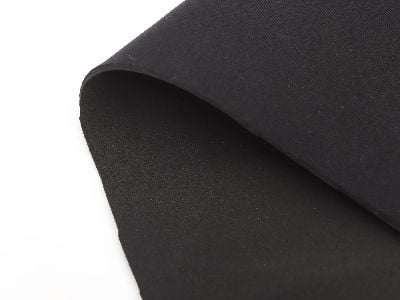
Choosing the right neoprene fabric thickness is important when you want to make things like wetsuits, bags, or other items. Neoprene is a special material that is flexible and strong. It is used in many products because it helps keep things warm and dry. When picking the thickness, you need to think about what you will use it for. Thicker neoprene is better for cold water, while thinner neoprene is good for warm weather. Dongyao knows a lot about neoprene, and we can help you find the right thickness for your needs.
How to Choose the Right Neoprene Fabric Thickness for Wholesale Orders?
When you're buying neoprene fabric in large amounts, you have to think about what your customers need. If they want something warm, like for surfing in cold water, then you should pick a thicker neoprene. Usually, 5mm to 7mm thick neoprene is best for this. On the other hand, if your customers want something for hot weather, like a light diving suit, then a thickness of 2mm to 3mm could be perfect. It’s also important to consider how the neoprene will be used. For example, if you are making bags or covers that need to be sturdy, a thickness of 4mm might be just right. You can also ask your suppliers like Dongyao for samples to test. This way, you can feel the material and see if it meets your standards. You also want to look at the price when ordering in bulk. Sometimes, thicker neoprene can cost more, so you need to balance quality and cost. Talk to your team and decide what is best for your customers.
Key Specifications for Neoprene Fabric Thickness in Your Projects
When working on projects that use neoprene, knowing the specifics can help a lot. One of the main things to consider is insulation. Thicker neoprene usually provides better insulation. This means it can keep warmth in and cold out, which is really important in cold water activities. The flexibility of the neoprene is another big factor. Thinner neoprene is usually more flexible, which is great for activities that need a lot of movement. For example, if you are making a wetsuit for surfers, using 3mm neoprene might be best because it allows them to move easily. Another thing to keep in mind is durability. Thicker neoprene can be more durable, but it can also be heavier. This is something to think about when you are designing your product. Dongyao offers a range of neoprene thicknesses, so you can find the right fit for your project. Always remember to test your materials before finalizing your design. This ensures that they will work well for your customers.
Choosing the Right Thickness
When you want to buy neoprene fabric, one of the most important things to think about is how thick the fabric should be. Neoprene comes in different thicknesses, usually measured in millimeters. The thickness you choose can make a big difference in how the fabric works for your project. If you need neoprene for something like a wetsuit, you might want a thicker fabric. Thicker neoprene helps keep you warm in cold water. On the other hand, if you need neoprene for a small project, like a phone case or a pad for your desk, a thinner neoprene might be better. Thinner neoprene is lighter and easier to work with. It’s important to think about what you will use the neoprene for. If it’s for something that needs to stretch a lot, like a sleeve or a cover, a thinner neoprene will work well. However, if you need the neoprene to be strong and sturdy, thicker neoprene is the way to go. When choosing the right thickness, also consider your comfort. If you are wearing something made from Composite fabric manufacturer, like a wetsuit, you want it to fit well and not be too heavy. Dongyao offers a variety of neoprene thicknesses, so you can find the perfect fit for your needs. Remember to think about both your project and your comfort when making your choice.
Evaluating Cost Factors for Different Neoprene Fabric Thicknesses
When shopping for neoprene fabric, it’s important to think about how much money you want to spend. Different thicknesses of neoprene can cost different amounts. Generally, thicker neoprene is more expensive than thinner neoprene. This is because thicker fabric uses more material, which raises the price. If you are working with a tight budget, it might be tempting to choose the cheapest option. However, you should also think about the quality you need. For example, if you need neoprene for a wetsuit that you will use often, spending a little more on thicker, high-quality neoprene can be a smart choice. You want it to last and keep you warm. On the other hand, if you are making something that won’t get much use, like a one-time project, a thinner and cheaper neoprene from Dongyao might be the best option. Don’t forget to consider how much Composite foam fabric you need for your project. Buying a larger amount of thicker neoprene can increase costs, while buying a small piece of thinner neoprene might fit your budget better. Always check the price per meter or yard and compare different options. This way, you can find the best neoprene for your money. By looking at both thickness and cost, you can make a good decision that fits your needs.
Common Problems with Neoprene Fabric Thickness and Their Solutions
Sometimes, when using neoprene fabric, people face problems related to its thickness. One common issue is that thicker neoprene can be hard to cut and sew. If you are using a sewing machine or scissors, thick neoprene might get stuck or be difficult to work with. A good solution is to use special tools designed for thick fabrics. For example, using heavy-duty scissors or a rotary cutter can make cutting easier. Another problem is that thick neoprene can feel heavy and hot to wear. If you are making clothing, like a wetsuit, you might want to consider using a thinner neoprene in areas where you need more flexibility, like the arms and legs. This way, you can stay comfortable while still having the warmth you need. On the other hand, using too thin of a neoprene can result in a lack of support for projects that need strength. If your laminated fabrics is too thin, it might tear easily. A good trick is to double up the layers. For instance, sewing two layers of thinner neoprene together can give you the strength of thicker neoprene while keeping it lightweight. If you experience stretching issues, consider using a neoprene with just the right thickness for your project. Dongyao offers a range of thicknesses and can help you find the right fabric for your needs, helping you to avoid these common problems. By knowing these issues and their solutions, you can enjoy working with neoprene fabric without any trouble.