 ×
×
In our factory, a batch of laminated fabric goes through several steps before it leaves the factory, including production, packing, order preparation, and loading.
Different orders may use different fabrics, FOAM materials, thicknesses, colors, and lamination structures. However, the overall production and shipment process usually follows a similar workflow.
This article does not focus on one specific product. Instead, it shows our real factory routine and how laminated fabric moves from the production line to final loading.
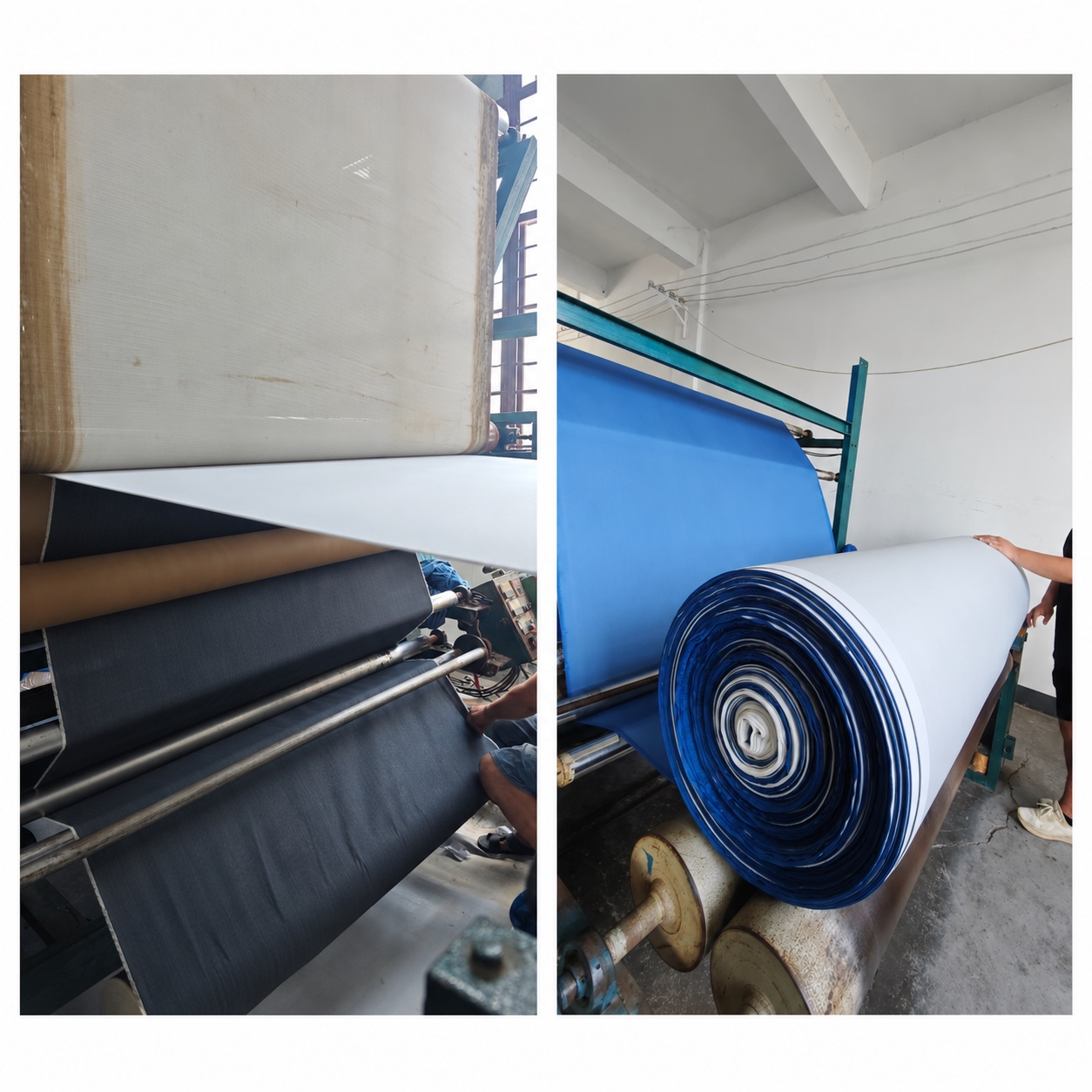
Laminated Fabric Production
The process starts on the lamination line.
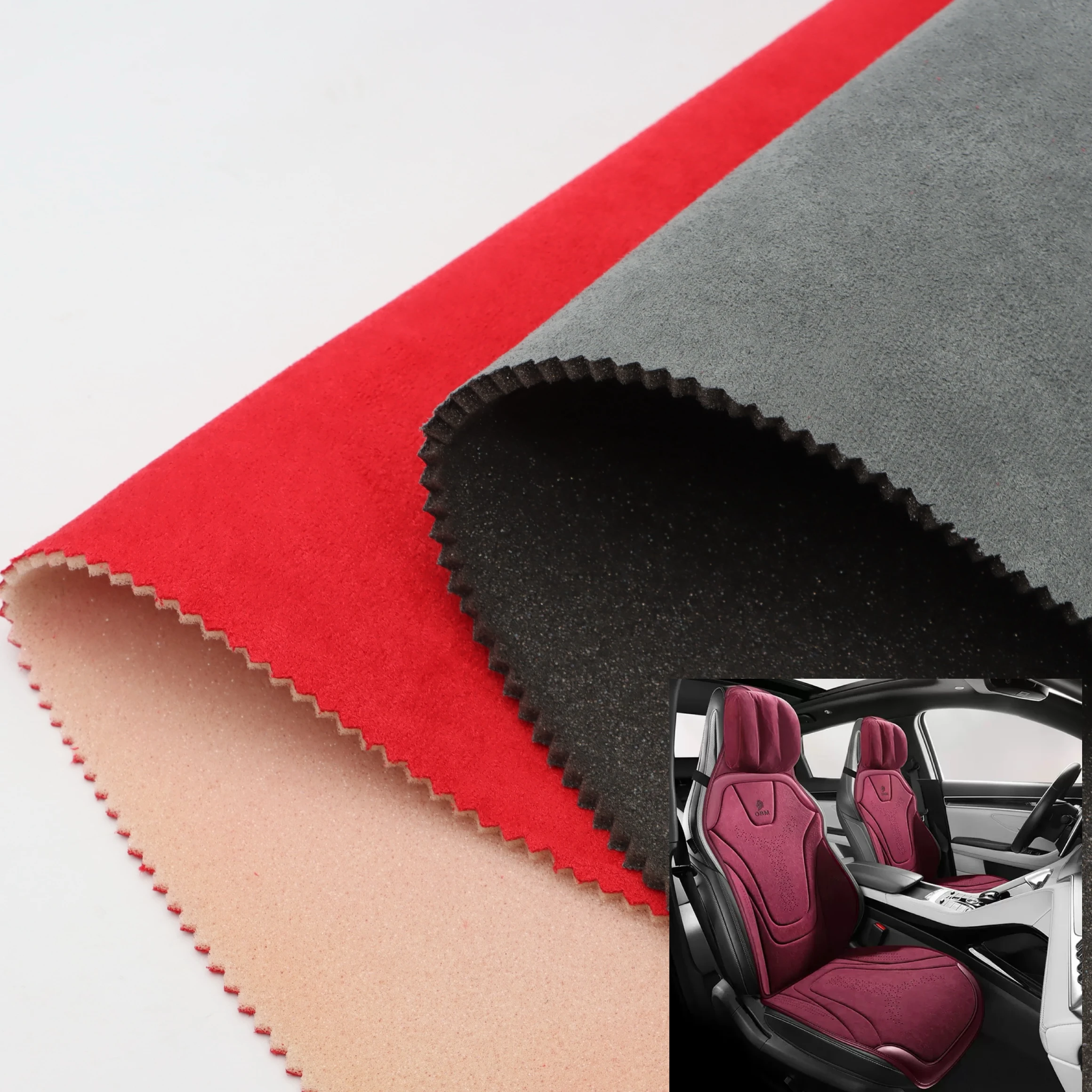
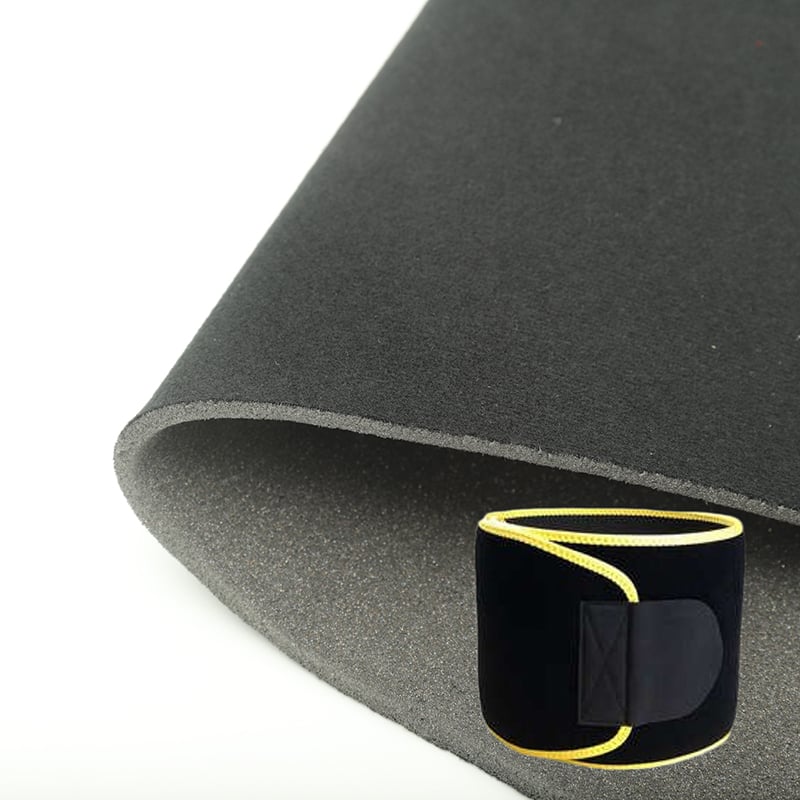
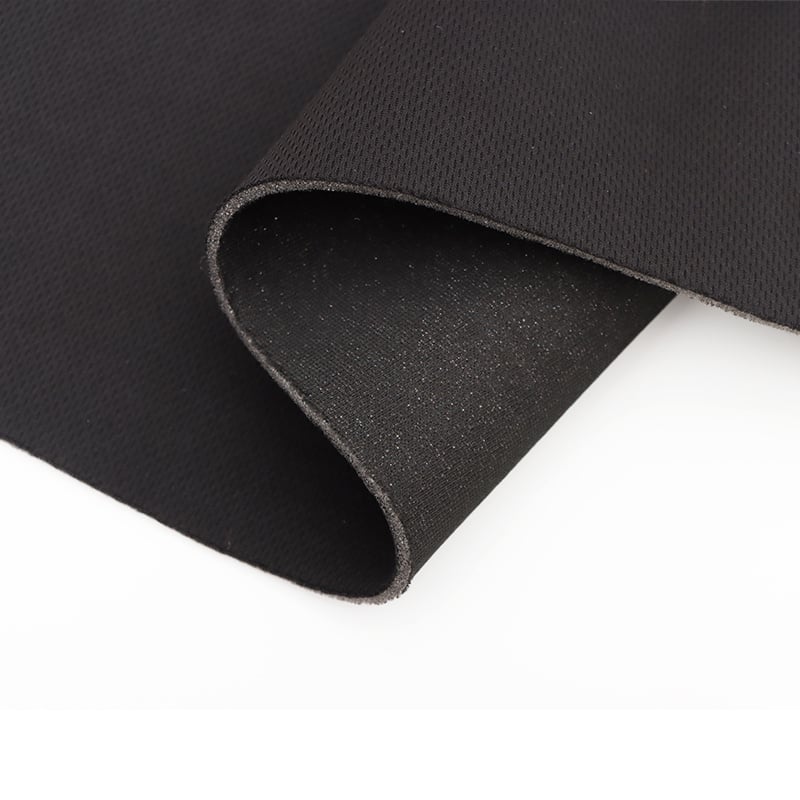
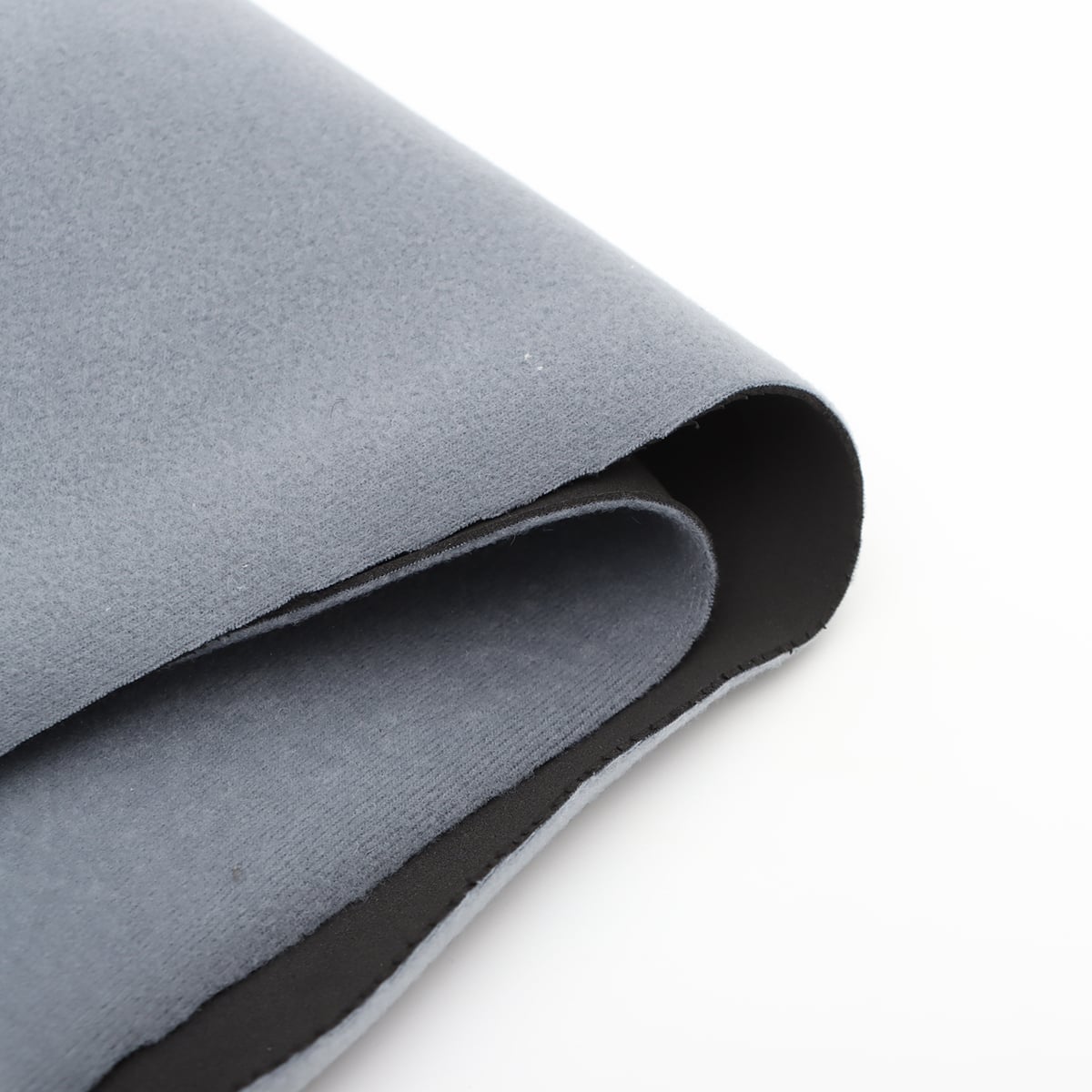
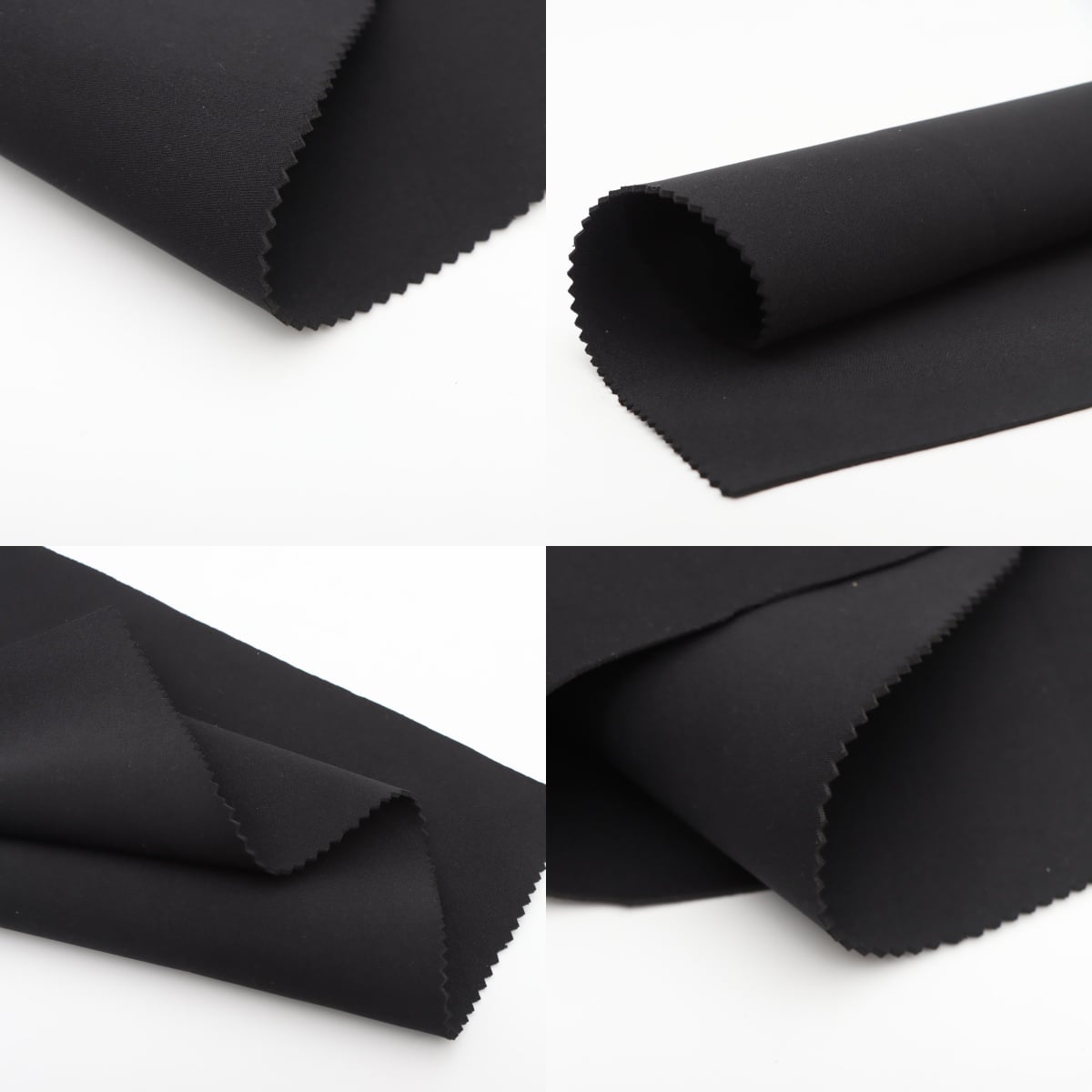
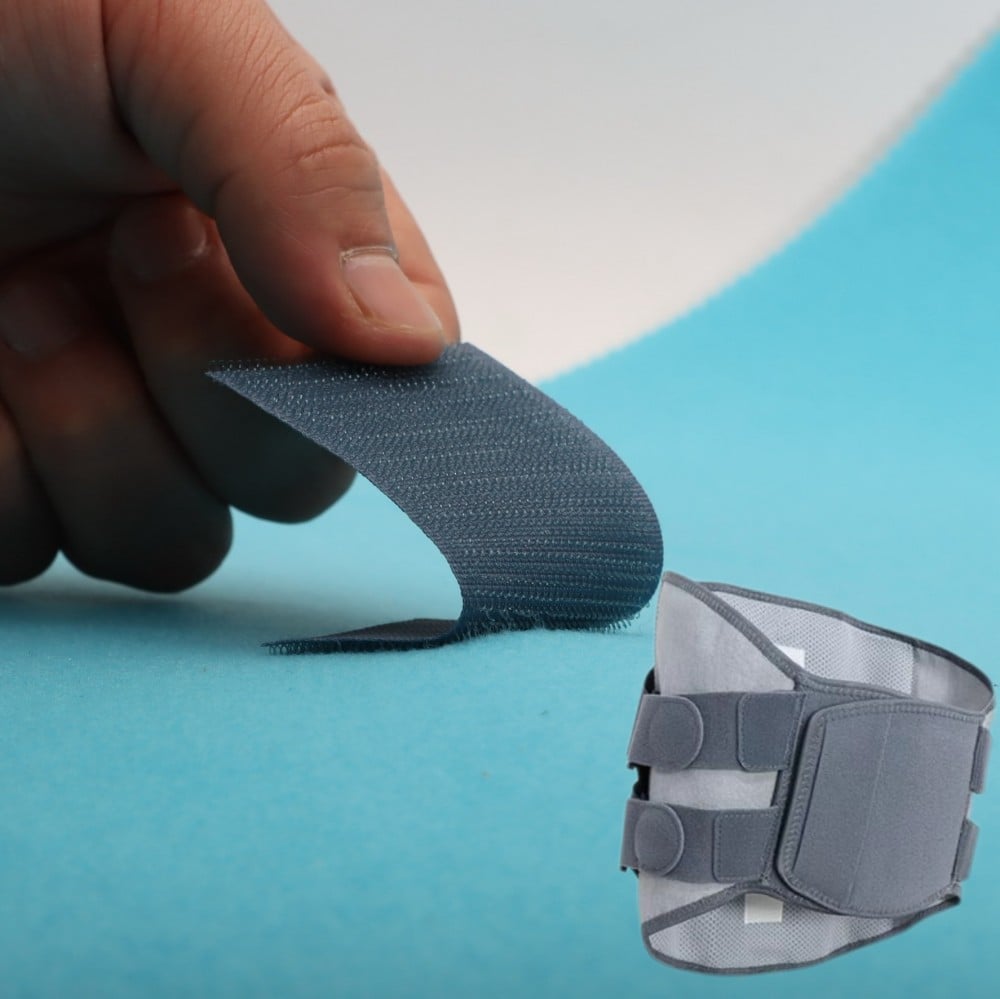
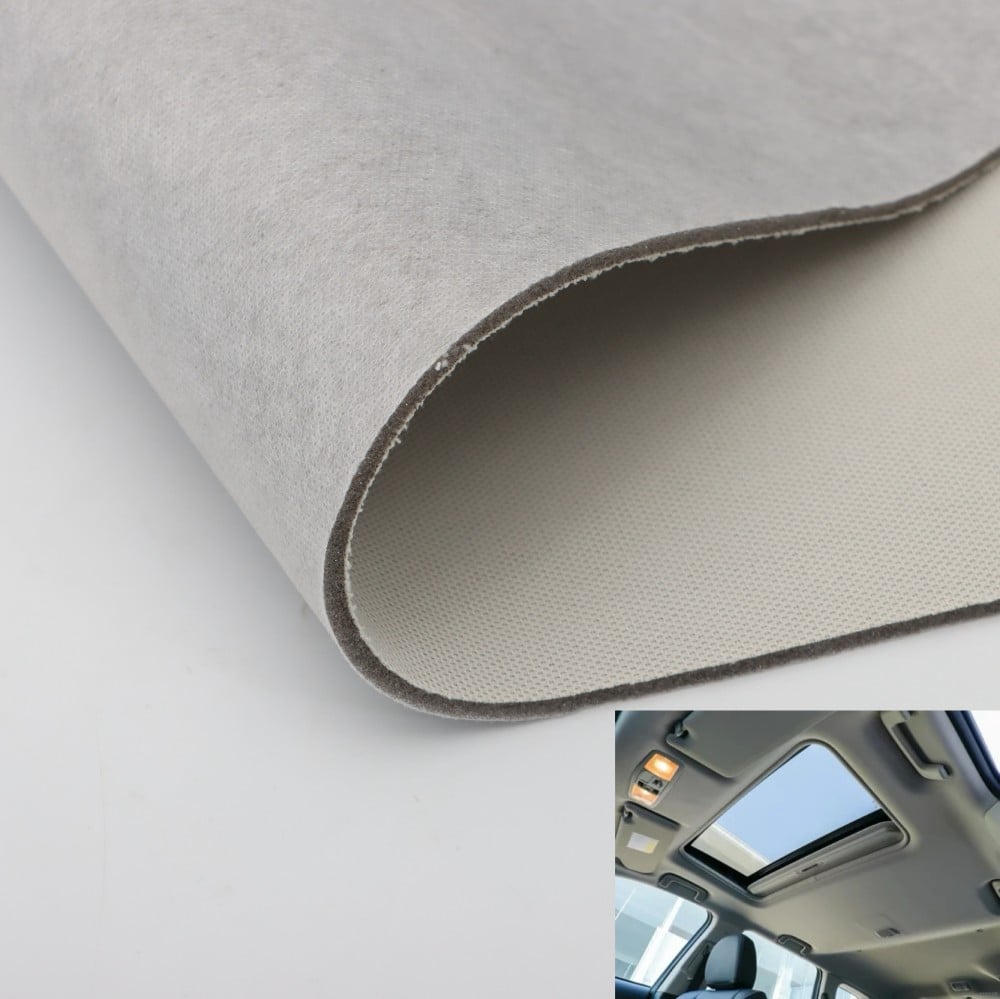
Depending on the product structure, we laminate different fabrics such as knitted fabric, mesh fabric, and loop fabric with PU FOAM, EVA, or other materials.
The materials run continuously through the production equipment and are laminated according to the order requirements, including single-sided, double-sided, or multi-layer structures.
Different materials vary in thickness, firmness, surface structure, and width, so the production process is adjusted according to the actual product requirements.
After lamination is completed, the material is organized and rolled for the next packing and shipment steps.
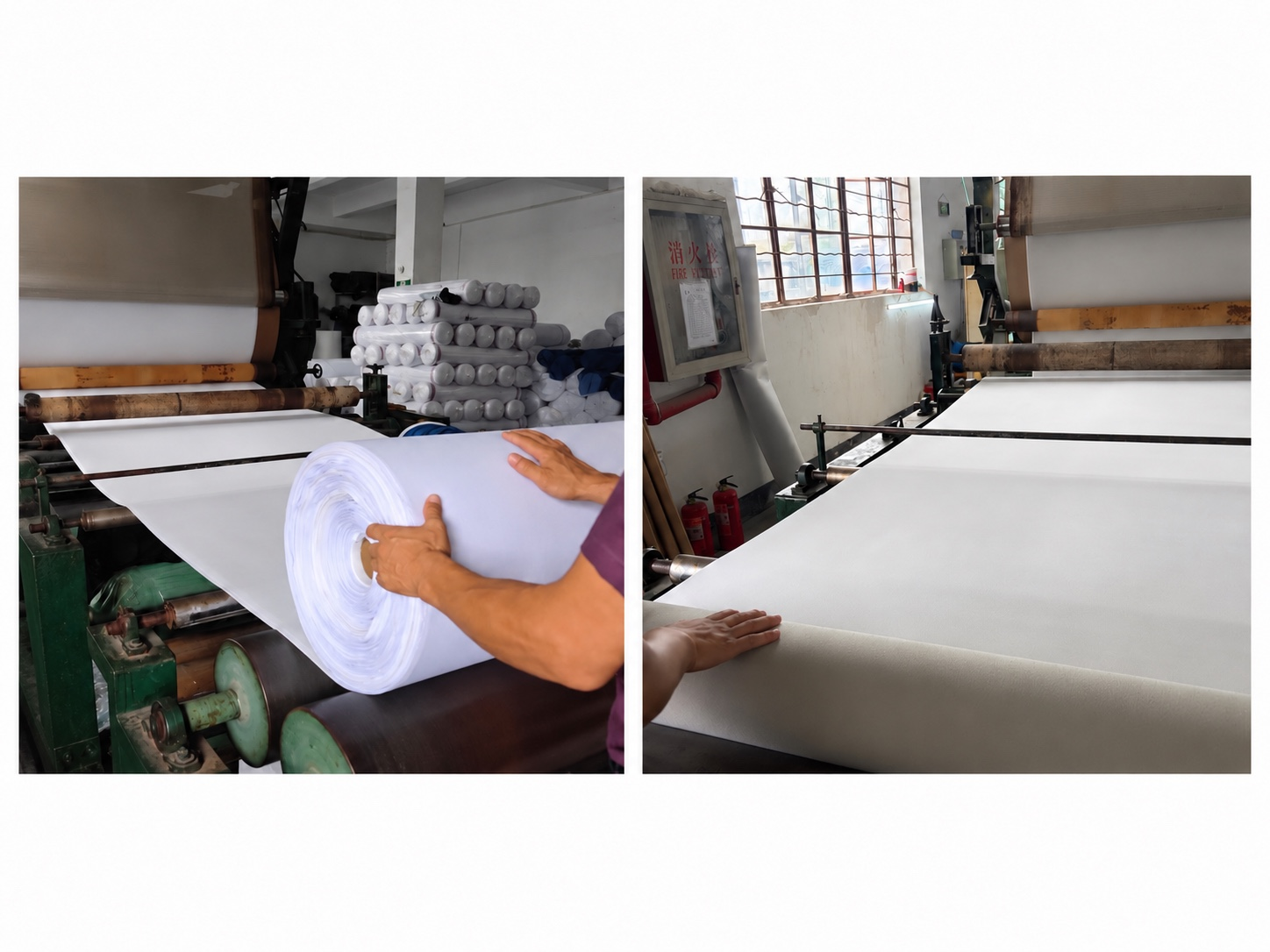
Large Rolls Move to the Packing Stage
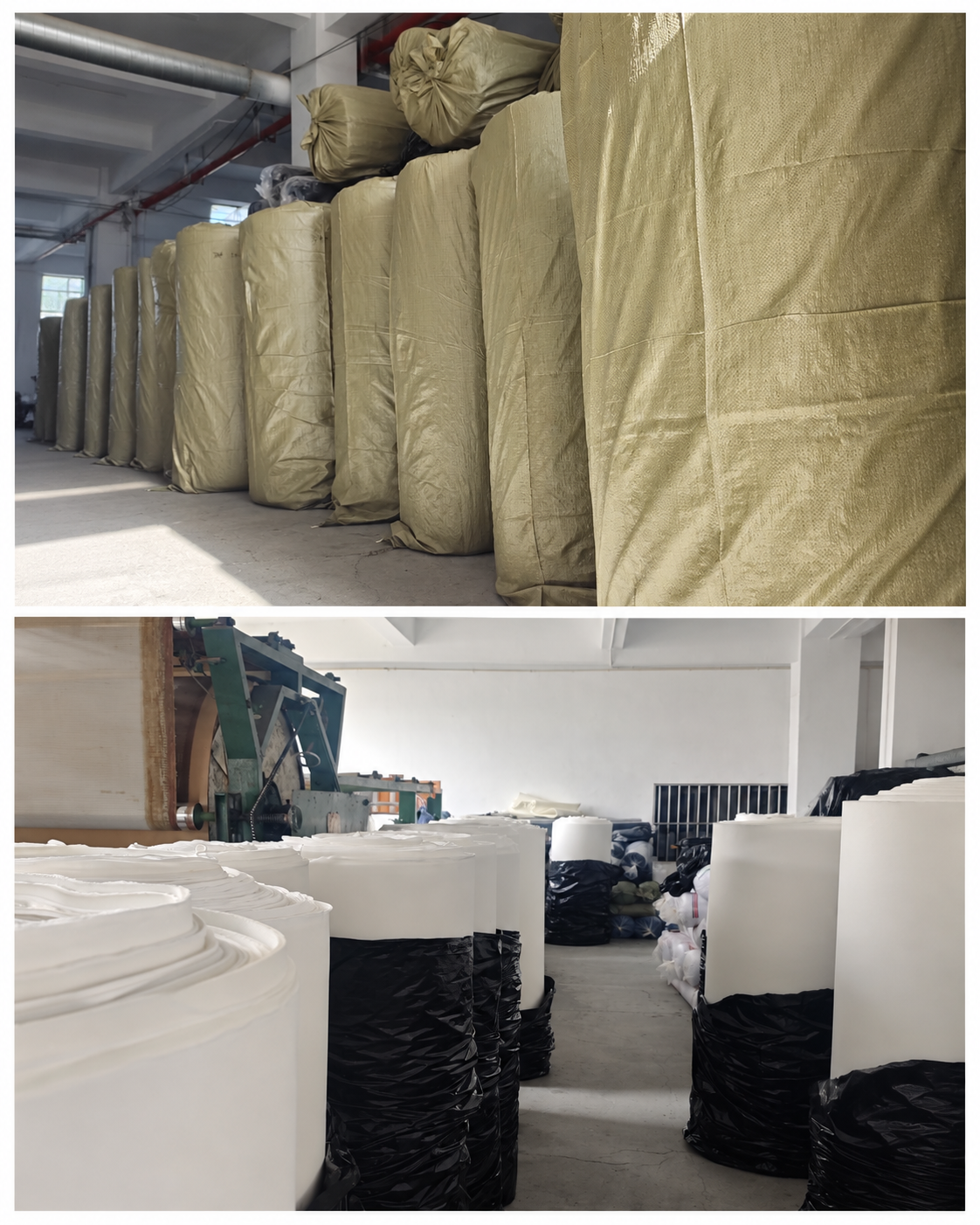
After production is completed, the finished rolls enter the packing stage.
Laminated fabrics are usually shipped in rolls, and some thicker FOAM laminated materials can be quite large in volume. For this reason, proper packing is an important part of the shipment process.
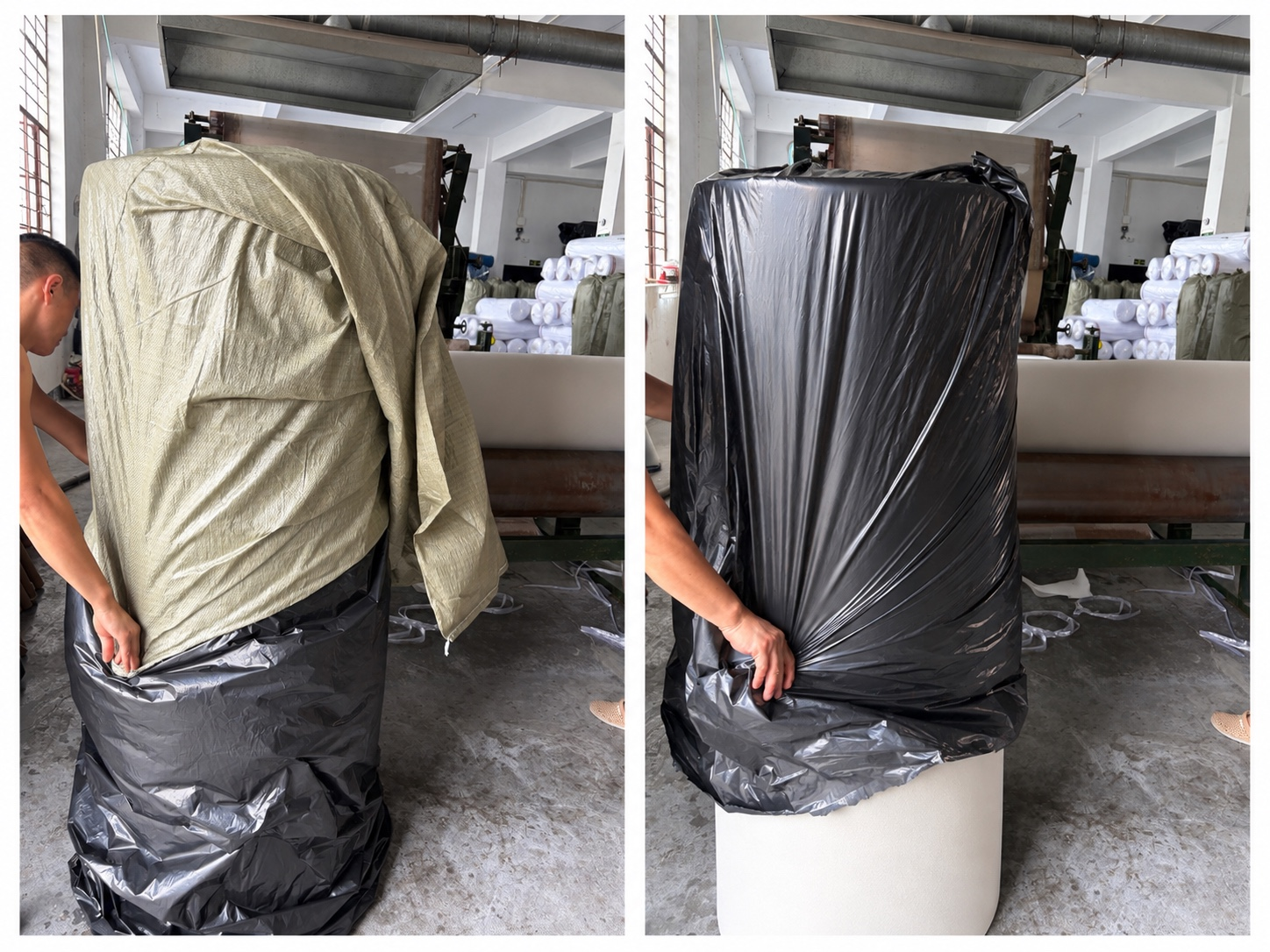
Our common packing methods include:
● Black protective bags
● Outer woven bags
● Additional protective layers depending on the material and shipment requirements
The main purpose of packing is to make handling, storage, and loading more convenient, while also helping protect the material from dust, friction, and surface damage during transportation.
The final packing method can also be adjusted according to roll size, material thickness, and shipping method.
Finished Goods Are Organized for Shipment
After packing is completed, the rolls are grouped and stored while waiting for shipment.
As shown in our factory, different orders may have different roll sizes and packing methods.
Some materials are packed as large-width rolls, while others may use different roll lengths or packing methods according to the order requirements.
Before loading, the finished goods are organized and separated so that different specifications and orders can be clearly identified.
Once the full batch is completed and packed, it moves into the final shipment preparation stage.
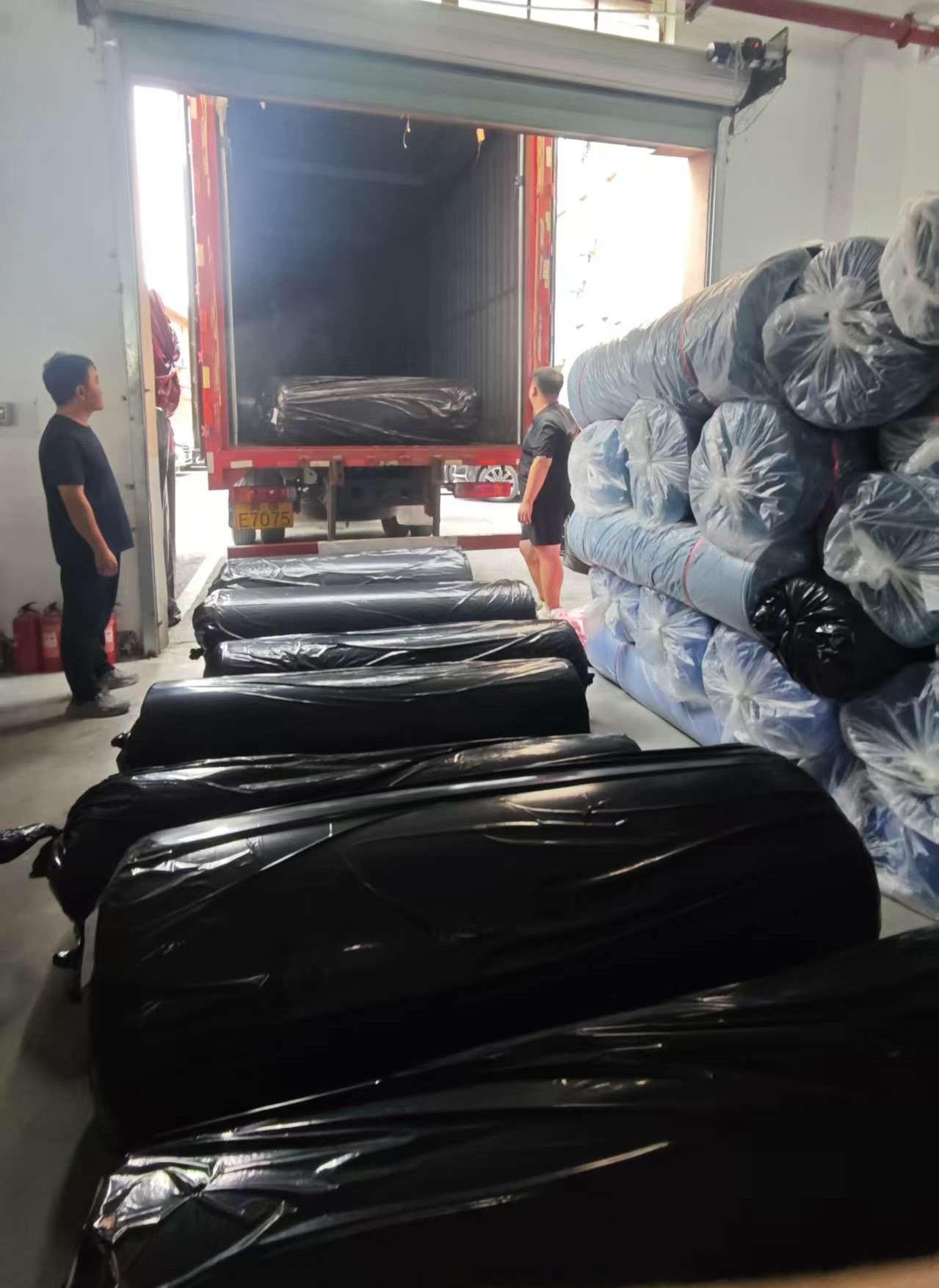
Preparing for Loading
Laminated fabric rolls can take up a large amount of space, so loading needs to be arranged according to both the roll size and the available vehicle space.
The packed goods are moved to the loading area and then loaded according to the actual shipment plan.
For large rolls, loading is not only about quantity. The available space inside the vehicle also needs to be used properly for easier and more stable transportation.
From materials on the production line to fully packed finished rolls, this stage marks the transition from production to shipment.
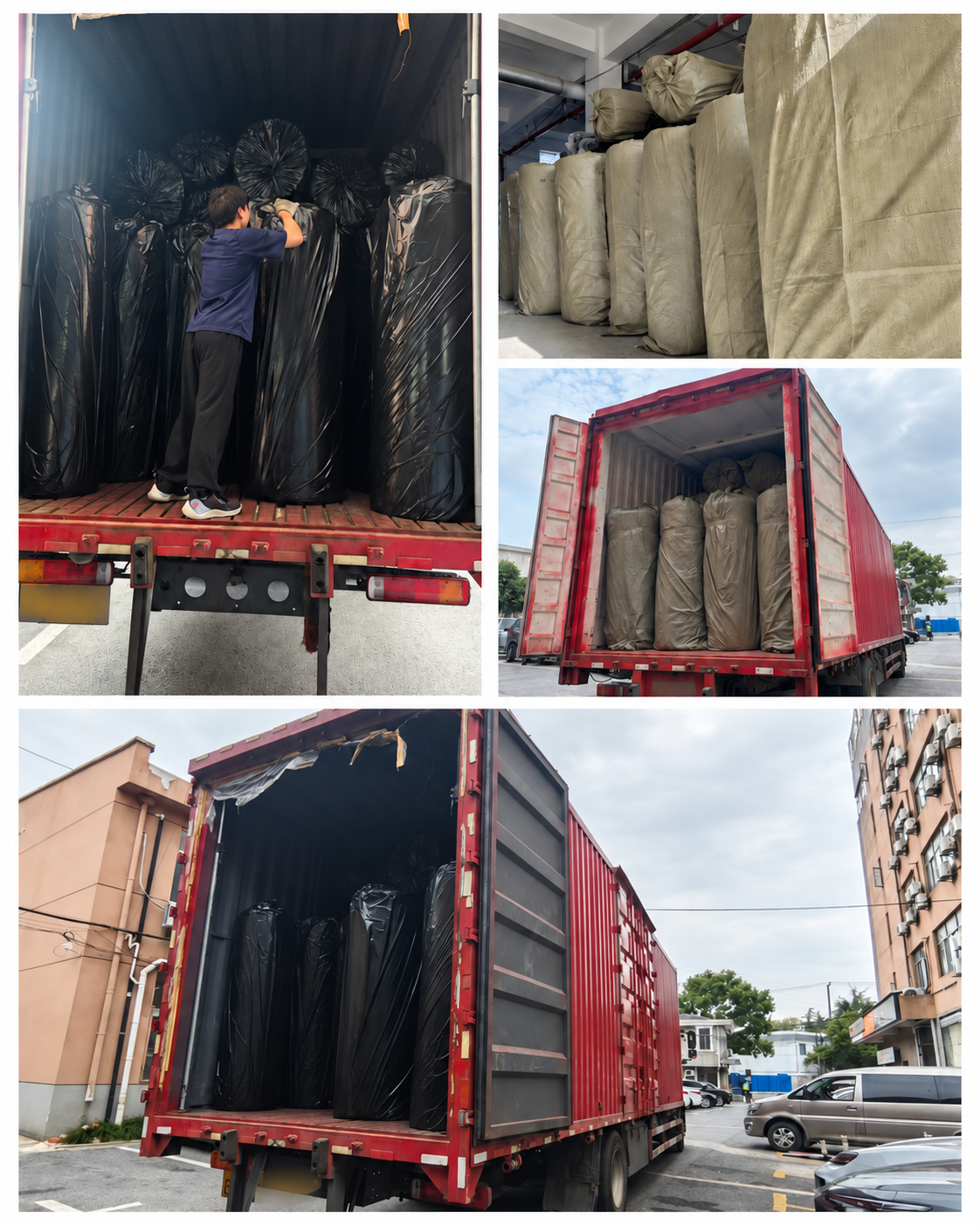
Loading and Shipment
Once the goods are ready, loading begins.
The packed rolls are loaded into the vehicle and arranged according to the available space.
After loading is completed, the goods enter the next transportation stage according to the logistics arrangement.
From material lamination and production, to packing, shipment preparation, and final loading, this is the daily process behind many of our laminated fabric orders.
From Production Line to Loading — Part of Our Daily Work
Production, packing, shipment preparation, and loading may look like simple steps, but every bulk order needs to move through these stages one by one.
For us, finishing the material is only part of the job. Proper packing, organization, and shipment preparation are also important parts of the complete order process.
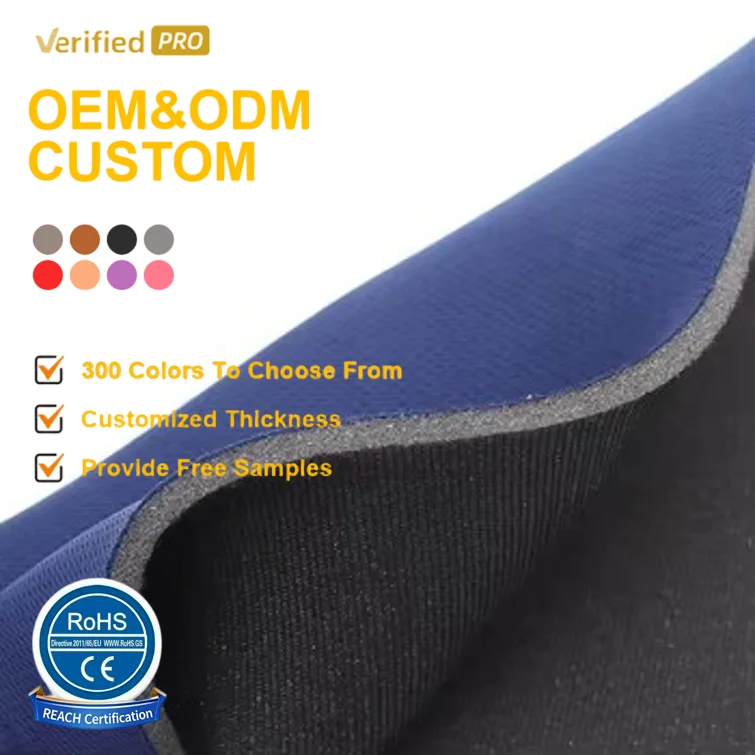
As a direct laminated fabric manufacturer, we can adjust the material according to different project requirements, including:
● Fabric type
● PU FOAM / EVA and other middle-layer materials
● Material thickness
● FOAM density and firmness
● Material width
● Fabric color
● Single-sided or double-sided lamination
● Fabric + Foam + Fabric multi-layer structures
● Roll length and packing method
Different customers have different product applications and processing requirements, so the laminated material structure can be adjusted according to the actual project.
If you already have an existing material sample, product photo, or specific material structure, you can send it to us for reference.
Our team can review your product and project requirements, then help confirm a suitable fabric, FOAM, lamination structure, and production method.
 Hot News
2026-09-21
2026-09-18
2026-09-11
2026-08-26
2026-08-09
2026-07-29

Shanghai Dongyao Shoes Material Co., Ltd., established in 2002 near Shanghai Port, is a leading laminated fabric manufacturer. We specialize in high-quality composite fabrics serving medical, automotive, sports protection, and luggage industries with reliable export logistics and innovation.
 EN
EN