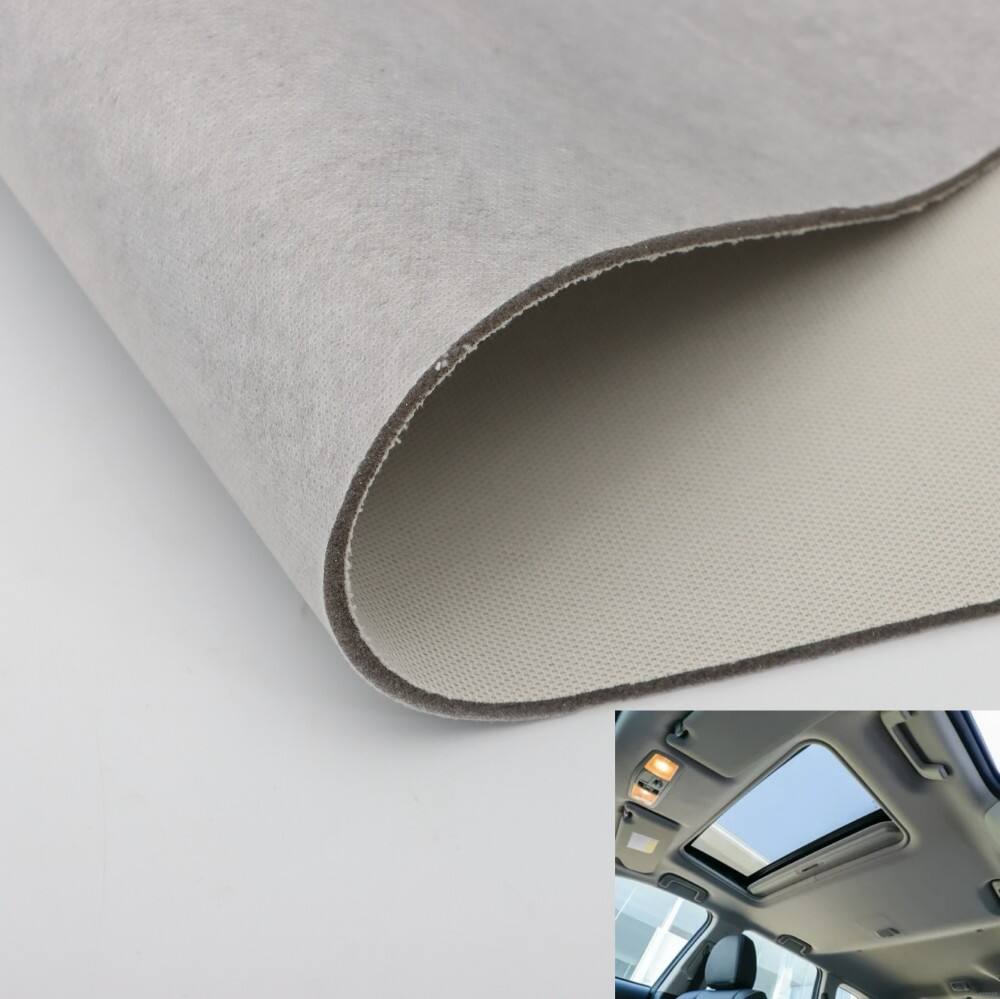
Custom Bonded Fabric: Advanced Performance Through Innovative Textile Engineering

Get a Free Quote

Our representative will contact you soon.
Email
Name
Company Name
WhatsApp/Mobile
Products
Please select your interested products
Message
0/1000

custom bonded fabric

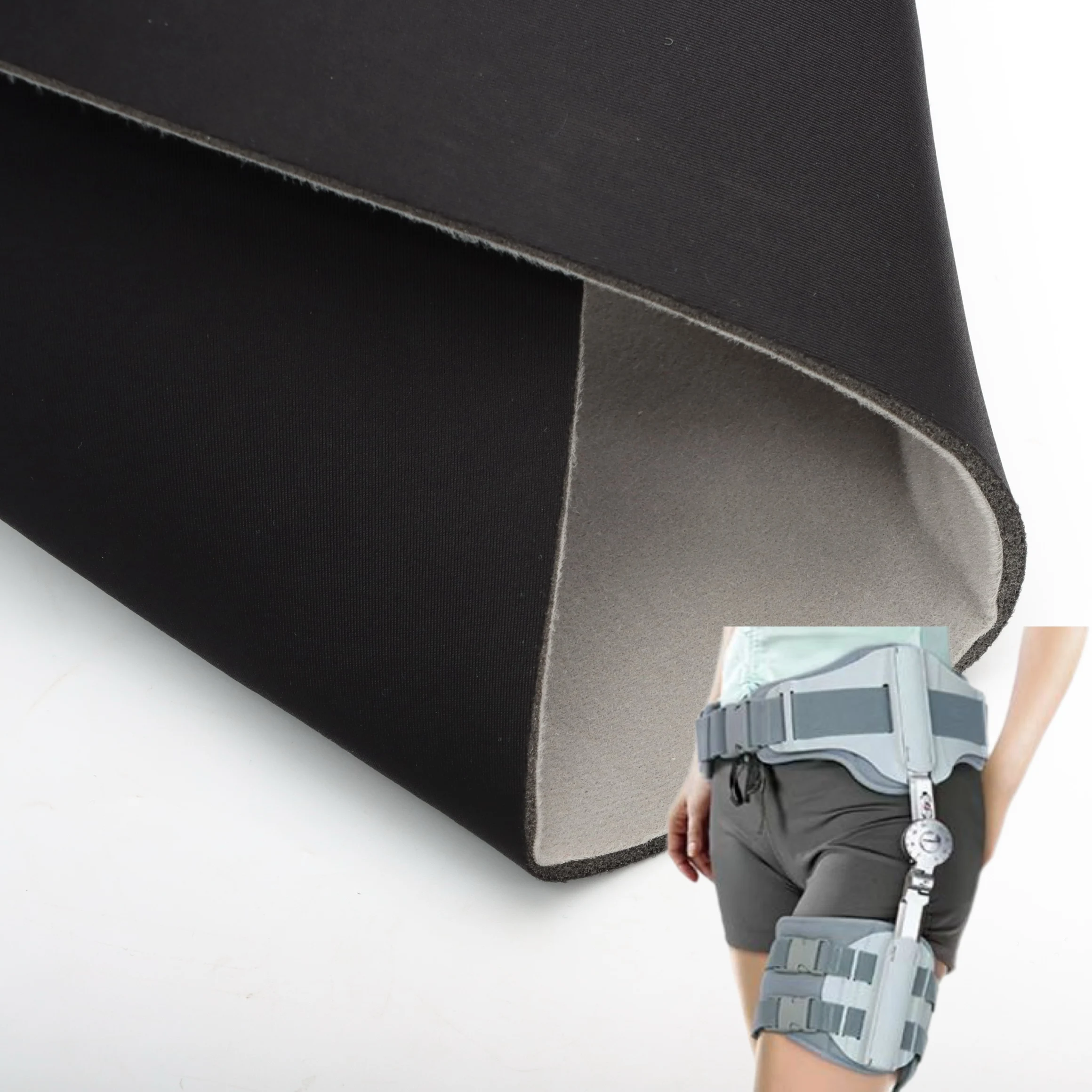
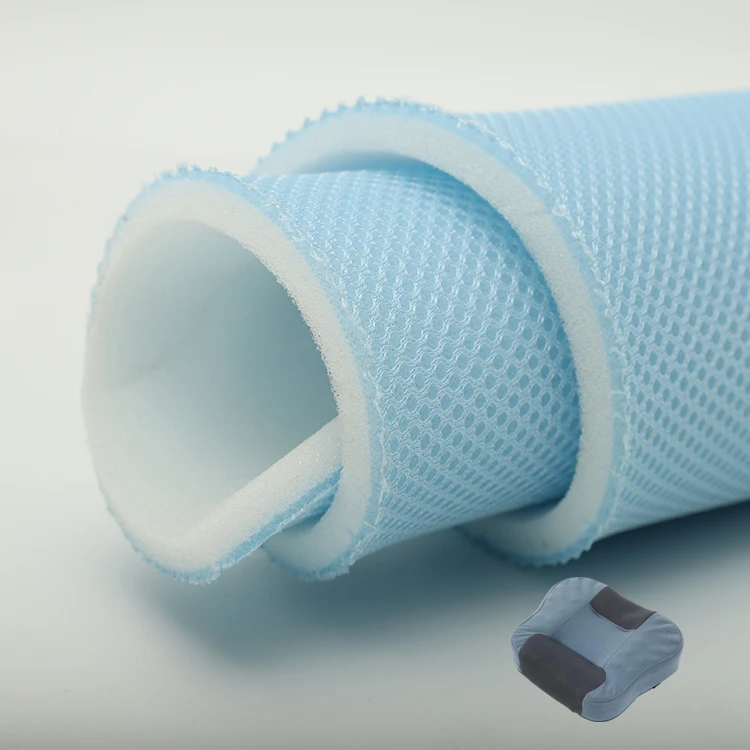
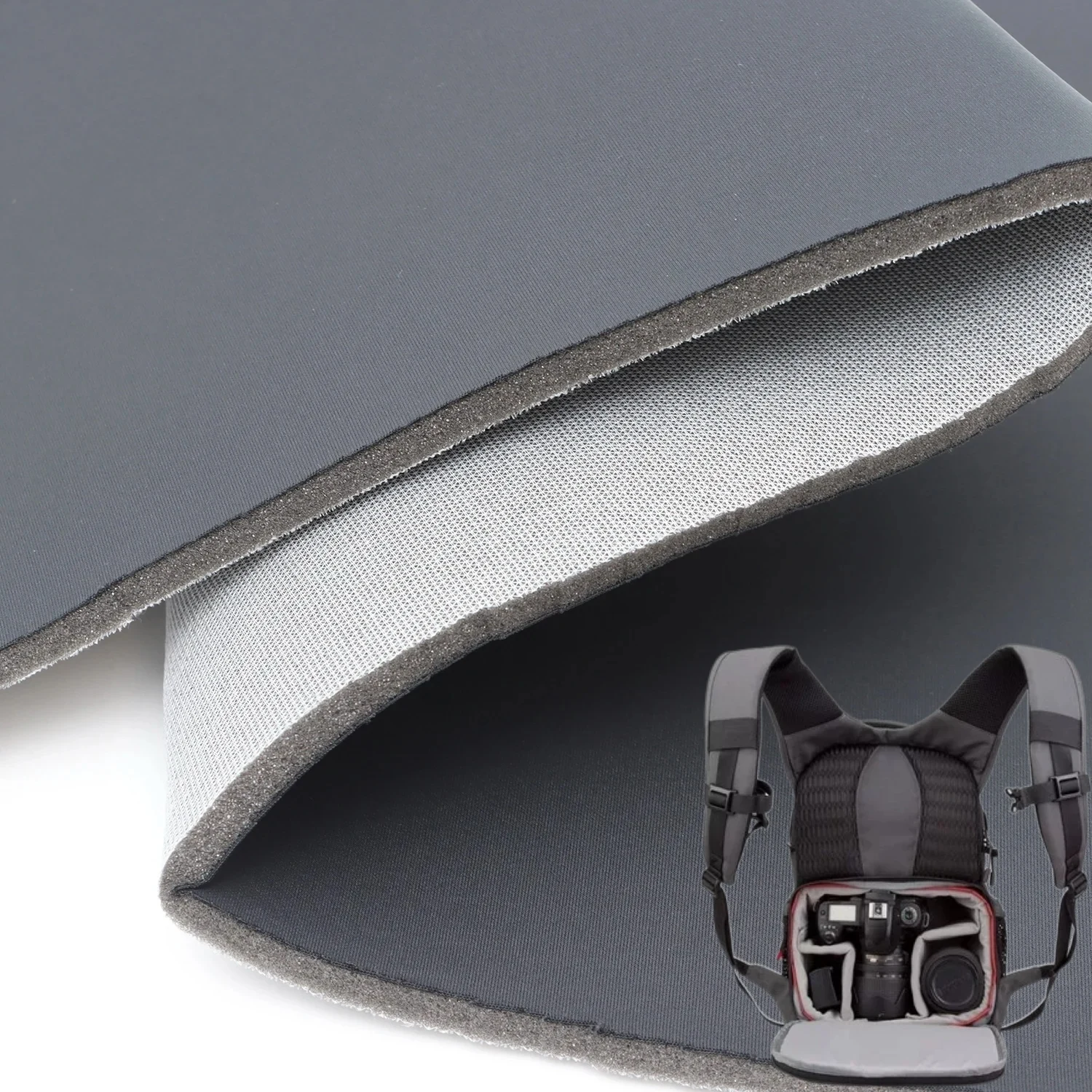
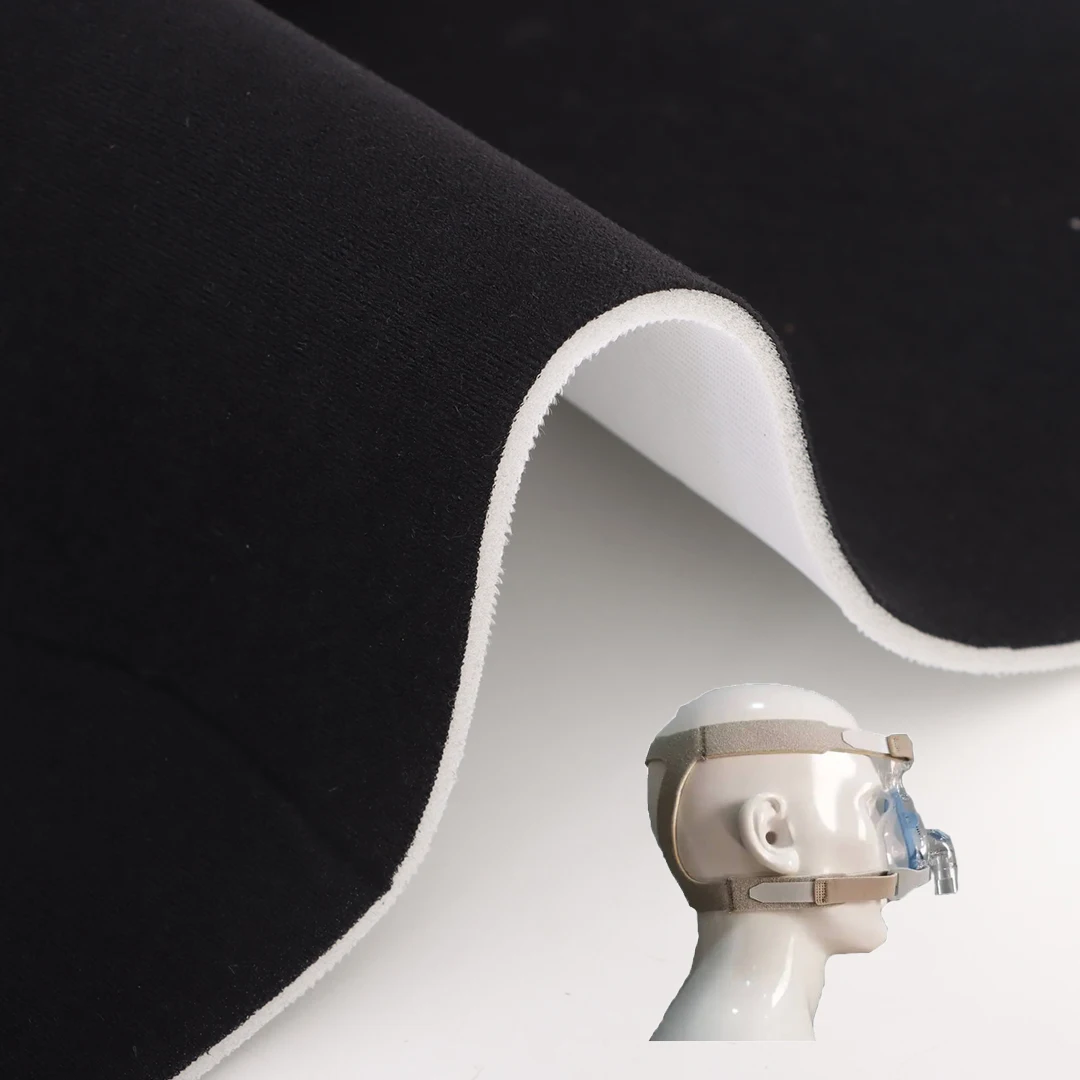
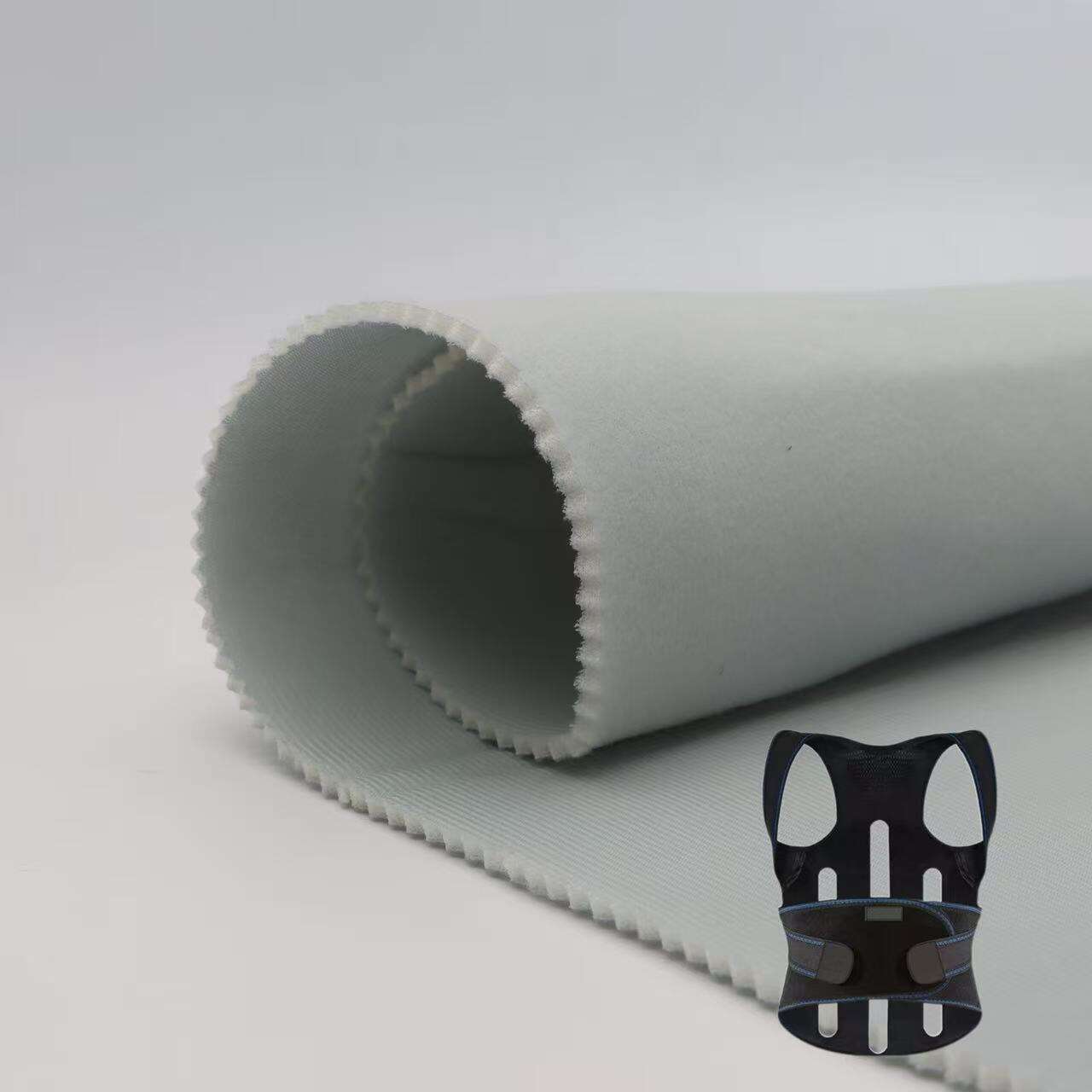
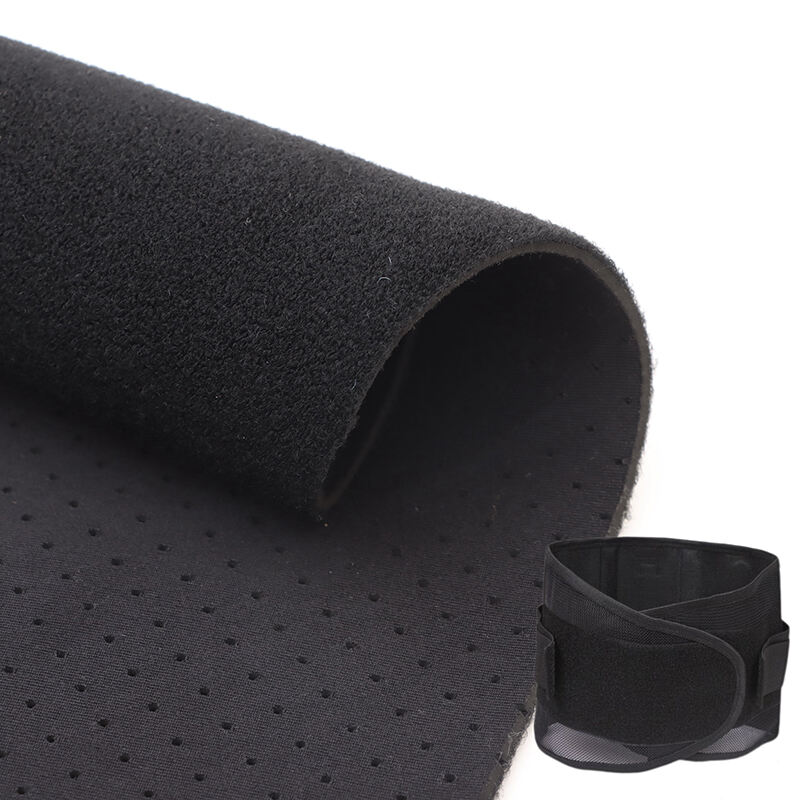
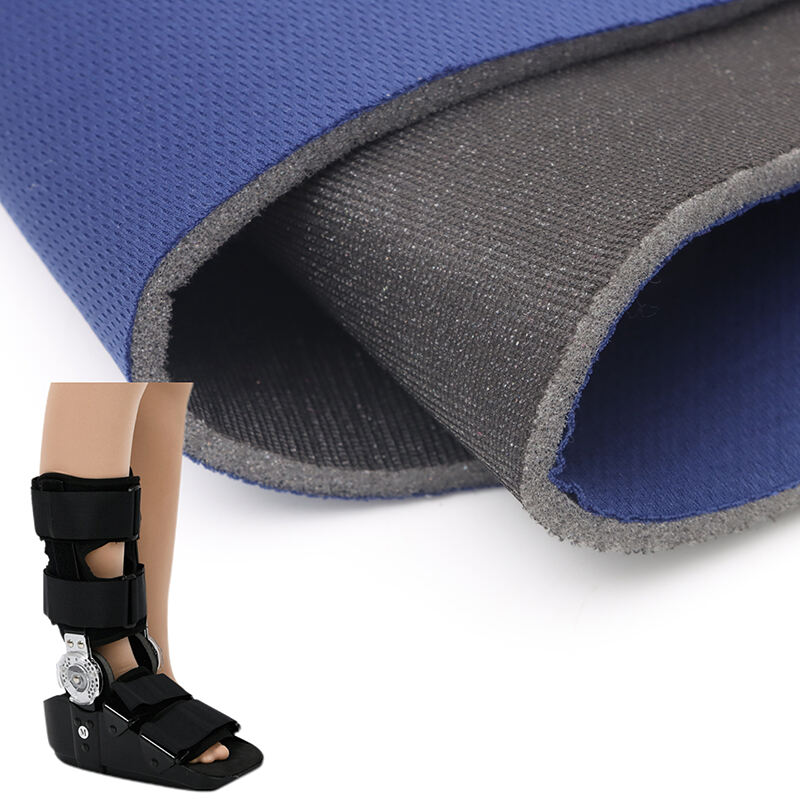
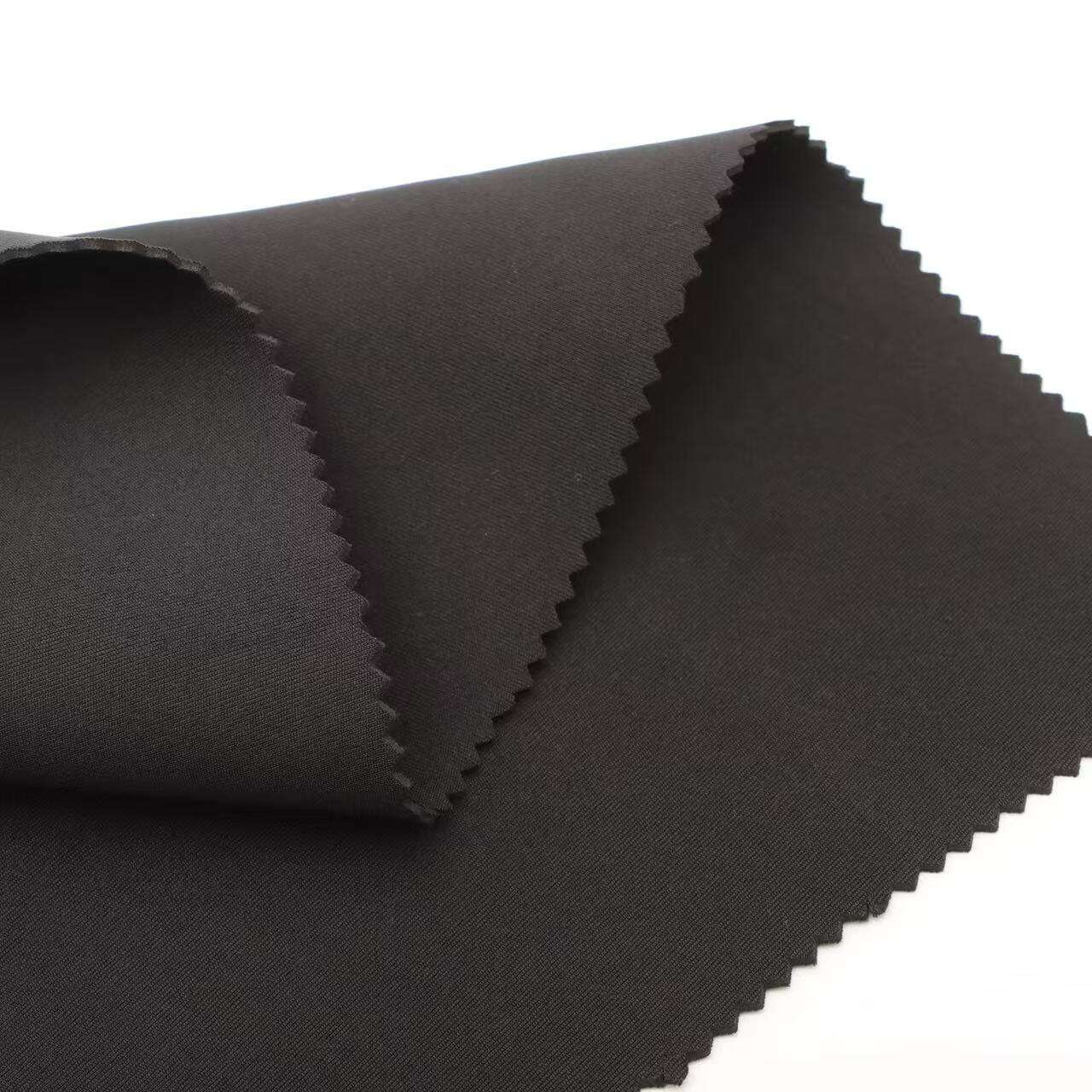
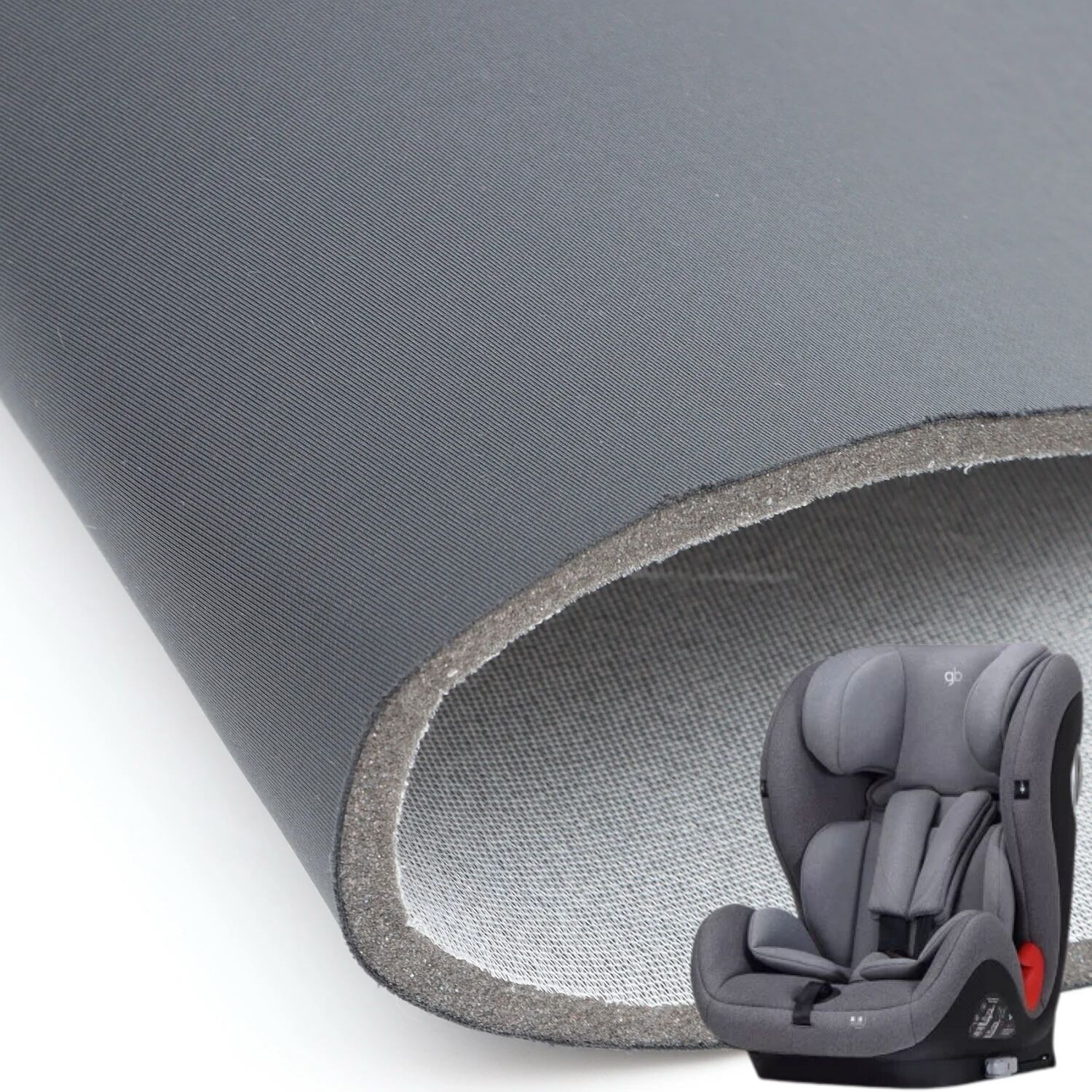
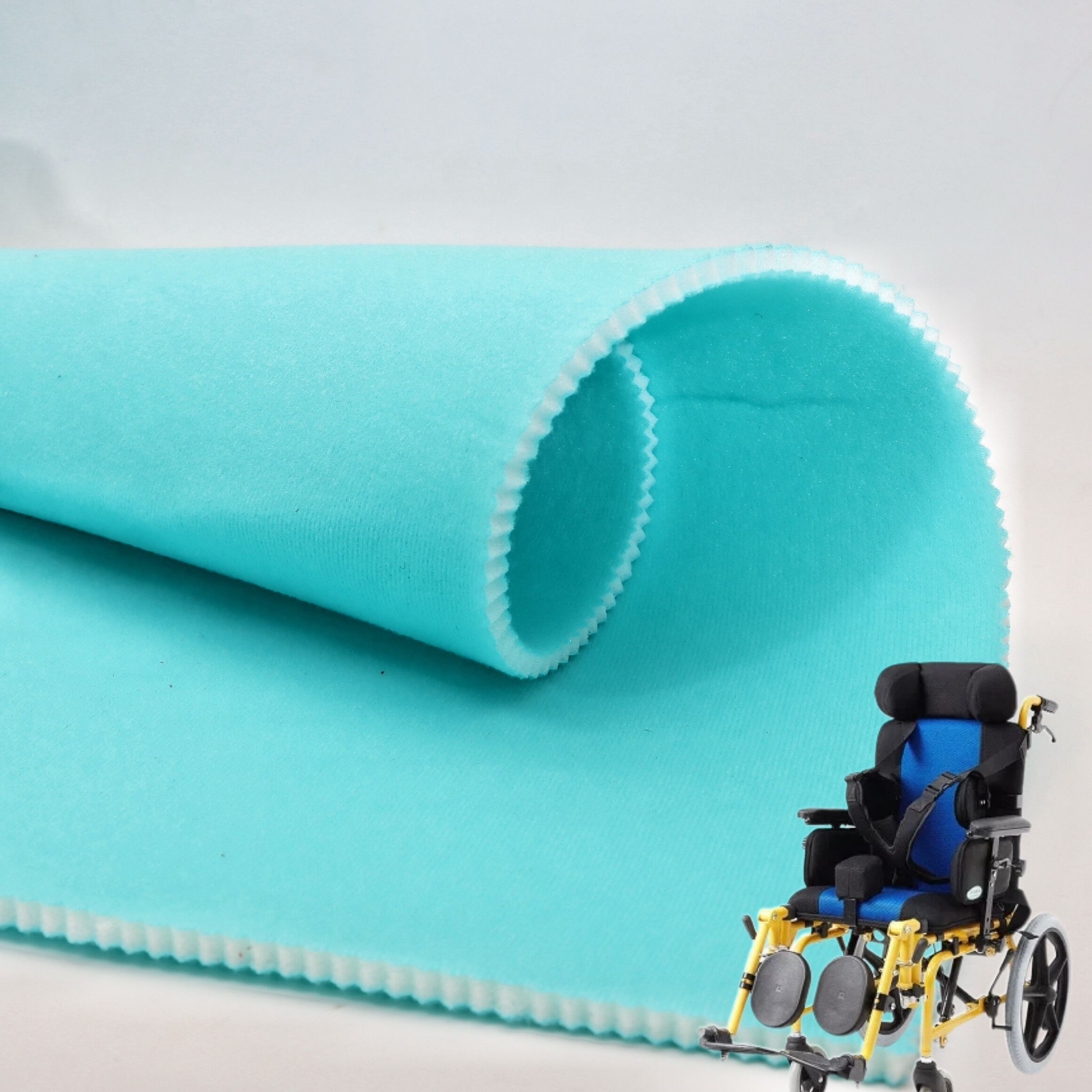
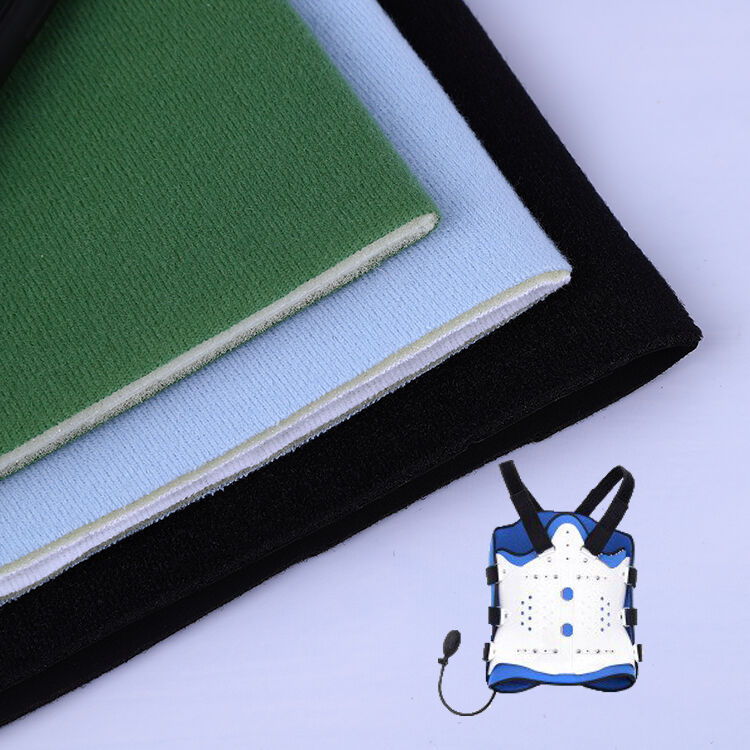
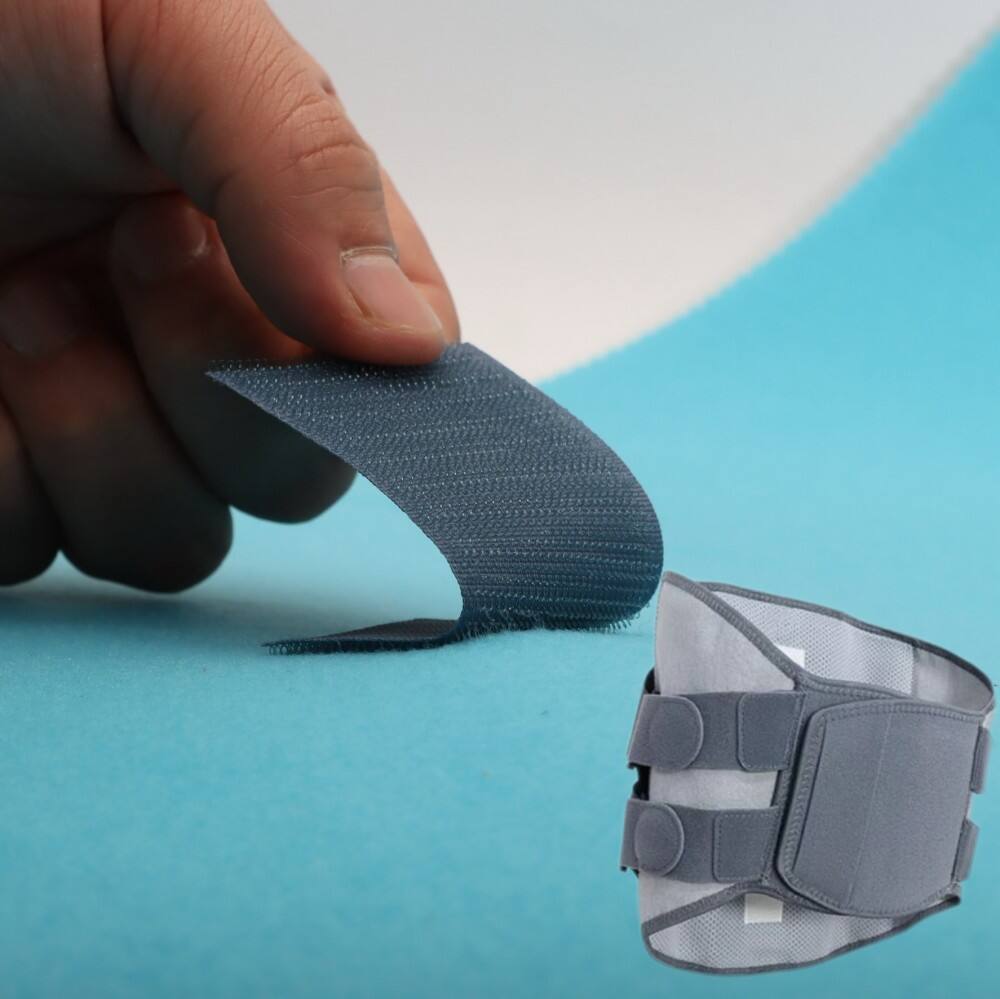
Custom bonded fabric represents a revolutionary advancement in textile engineering, combining multiple layers of materials through specialized bonding processes to create versatile and high-performance materials. This innovative textile solution involves joining two or more fabric layers using advanced adhesive technologies or thermal bonding methods, resulting in a composite material that maximizes the benefits of each component. The process allows for customization in terms of thickness, flexibility, and functionality, making it suitable for diverse applications across multiple industries. The fabric's construction typically involves a face fabric, which provides aesthetic appeal and primary functionality, bonded to backing materials that enhance performance characteristics such as durability, water resistance, or thermal insulation. These materials undergo rigorous quality control measures to ensure consistent bonding strength and overall performance. The versatility of custom bonded fabrics enables manufacturers to create products with specific characteristics tailored to end-user requirements, whether it's for outdoor gear, automotive interiors, medical supplies, or fashion applications. The bonding process can incorporate various technologies, including hot-melt adhesives, flame lamination, or ultrasonic bonding, each chosen based on the specific requirements of the final product.


New Product Recommendations

Custom bonded fabric offers numerous compelling advantages that make it an excellent choice for various applications. First and foremost, the ability to combine different material properties creates enhanced functionality that single-layer fabrics cannot achieve. This multi-layer construction allows for superior moisture management, improved durability, and better thermal regulation. The customization potential is particularly valuable, as manufacturers can precisely control characteristics such as thickness, weight, flexibility, and performance properties to meet specific end-use requirements. The bonding process also eliminates the need for traditional stitching in many applications, reducing bulk and potential weak points while creating a smoother, more aesthetically pleasing finish. From a practical standpoint, custom bonded fabrics often demonstrate improved dimensional stability and reduced risk of delamination compared to traditional layered materials. The technology allows for the integration of specialized features such as waterproofing, breathability, or antimicrobial properties while maintaining the desired aesthetic appearance. These fabrics typically exhibit excellent wash durability and color fastness, ensuring long-term performance and appearance retention. Additionally, the manufacturing process can be more cost-effective than traditional methods, particularly for complex multi-layer constructions, while also offering environmental benefits through reduced material waste and the potential use of recycled components.

Practical Tips

What Types of Foam Fabric Are Best for Medical Belts and Wraps?

25

Aug

What Types of Foam Fabric Are Best for Medical Belts and Wraps?

What Types of Foam Fabric Are Best for Medical Belts and Wraps Medical belts and wraps play a critical role in providing support, stabilization, and comfort for patients recovering from injuries or managing chronic conditions. The effectiveness of th...
View More
Why Choose Fabric Foam Composite for Advanced Medical Protective Wear

04

Sep

Why Choose Fabric Foam Composite for Advanced Medical Protective Wear

Advancing Healthcare Protection Through Innovative Materials The healthcare industry continually evolves, and with it, the materials used in medical protective wear must adapt to meet increasingly demanding requirements. Fabric foam composite has eme...
View More
What Is Mesh Foam Fabric and Where Is It Used

20

Oct

What Is Mesh Foam Fabric and Where Is It Used

Understanding the Revolutionary Material Transforming Modern Textiles Mesh foam fabric represents a groundbreaking innovation in textile engineering that combines the breathability of mesh with the cushioning properties of foam. This unique material ...
View More
How Is Neoprene Fabric Used in Medical and Sports Industries

20

Oct

How Is Neoprene Fabric Used in Medical and Sports Industries

Understanding the Versatile Applications of Neoprene in Healthcare and Athletics In the evolving landscape of technical textiles, neoprene fabric stands out as a remarkable material that has revolutionized both medical devices and sports equipment. T...
View More

Get a Free Quote

Our representative will contact you soon.
Email
Name
Company Name
WhatsApp/Mobile
Products
Please select your interested products
Message
0/1000

custom bonded fabric

Superior Performance Through Advanced Bonding Technology

Superior Performance Through Advanced Bonding Technology

The advanced bonding technology employed in custom bonded fabrics represents a significant leap forward in textile engineering. This sophisticated process utilizes precision-controlled parameters including temperature, pressure, and adhesive chemistry to create permanent, high-strength bonds between layers. The technology enables the creation of fabrics with exceptional dimensional stability and durability, far surpassing what's possible with traditional construction methods. The bonding process is carefully optimized for each specific combination of materials, ensuring maximum adhesion strength while maintaining the desired flexibility and drape characteristics. This precise control over the bonding process allows for the creation of fabrics with consistent performance properties across their entire surface area, eliminating the variability often found in conventionally constructed materials.
Versatile Customization Options

Versatile Customization Options

One of the most significant advantages of custom bonded fabrics lies in their unprecedented level of customization potential. Manufacturers can select from an extensive range of face fabrics, backing materials, and bonding agents to create products that precisely meet specific performance requirements. This flexibility extends to physical properties such as thickness, weight, and stretch characteristics, as well as functional properties including moisture management, thermal regulation, and chemical resistance. The customization options also encompass aesthetic considerations, allowing for the creation of fabrics with specific surface textures, patterns, and finishes. This versatility makes custom bonded fabrics ideal for applications ranging from high-performance outdoor gear to luxury fashion items, each tailored to exact specifications.
Enhanced Sustainability and Cost Efficiency

Enhanced Sustainability and Cost Efficiency

Custom bonded fabrics represent a more sustainable and cost-efficient approach to textile manufacturing. The bonding process typically generates less waste compared to traditional cutting and sewing methods, as it eliminates the need for multiple seams and reduces material trimming requirements. The ability to combine different materials in precise layers also allows for more efficient use of expensive performance fabrics, as they can be bonded to more economical backing materials without compromising functionality. Additionally, the technology enables the incorporation of recycled materials and environmentally friendly adhesives, contributing to reduced environmental impact. The improved durability and performance of bonded fabrics often result in longer-lasting products, reducing the need for frequent replacements and ultimately leading to less textile waste in landfills.

Get a Free Quote

Our representative will contact you soon.
Email
Name
Company Name
WhatsApp/Mobile
Products
Please select your interested products
Message
0/1000