Advanced Composite Foam Technology: Revolutionary Protection for Sports Helmets

Get a Free Quote

Our representative will contact you soon.
Email
Name
Company Name
WhatsApp/Mobile
Products
Please select your interested products
Message
0/1000

composite foam for sports helmets

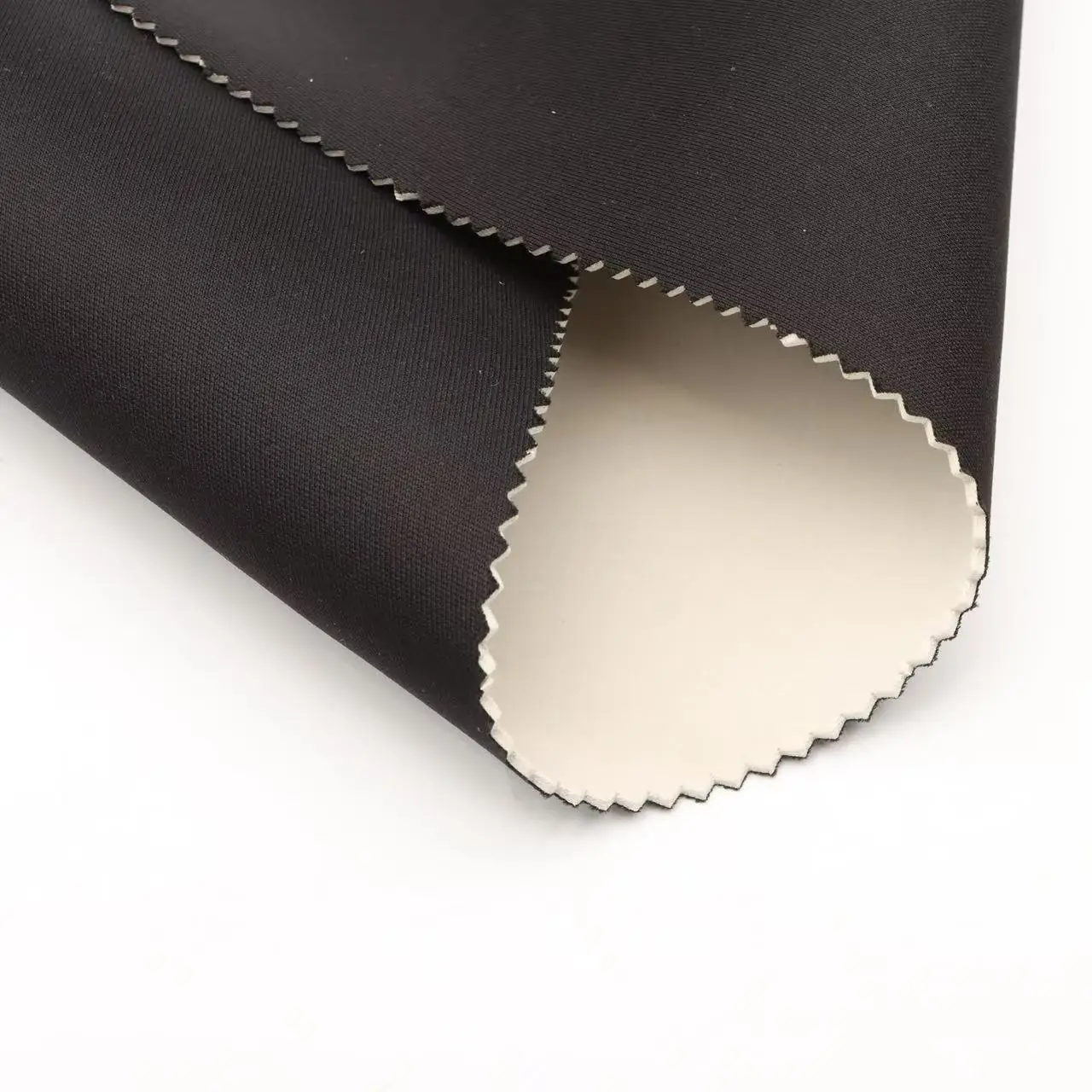
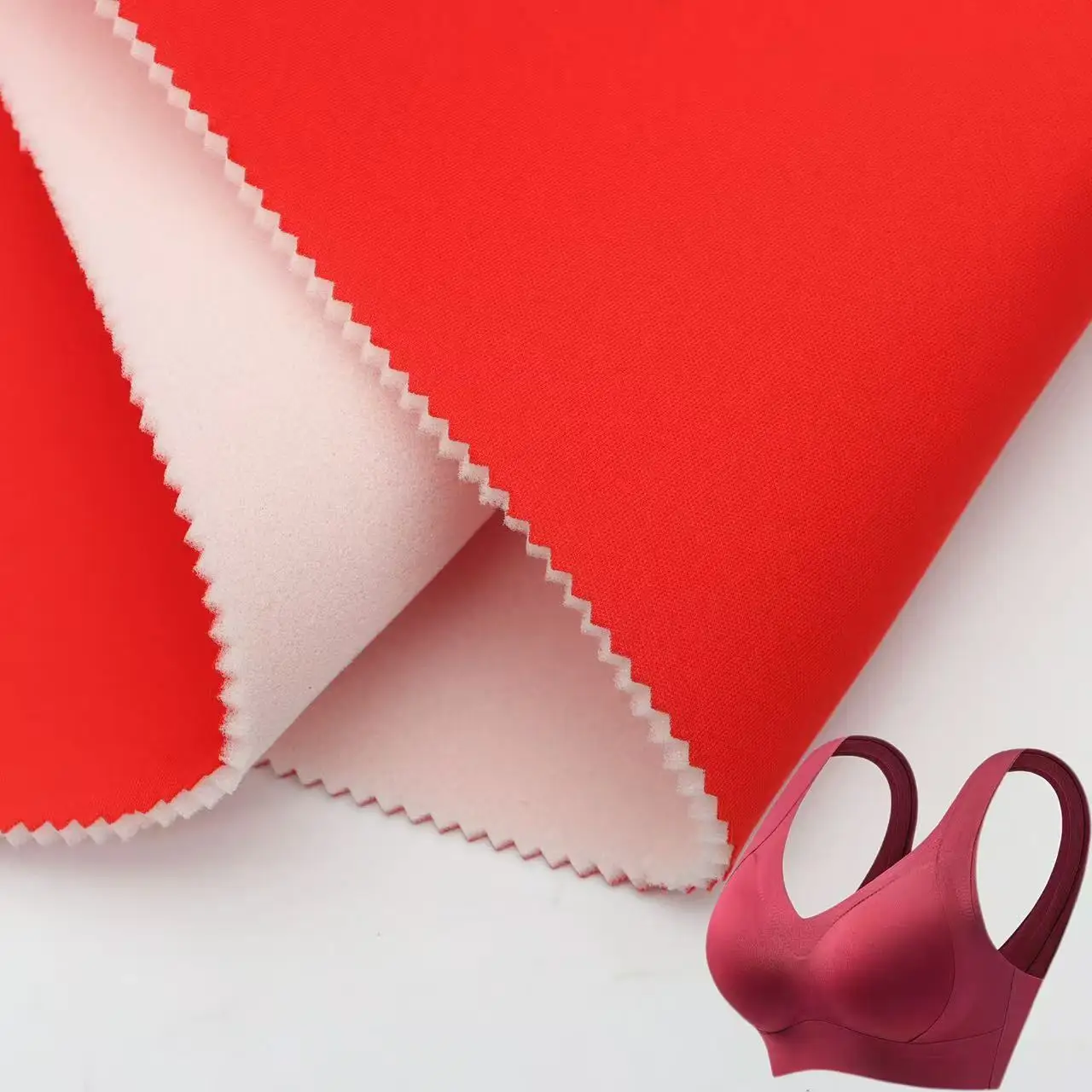
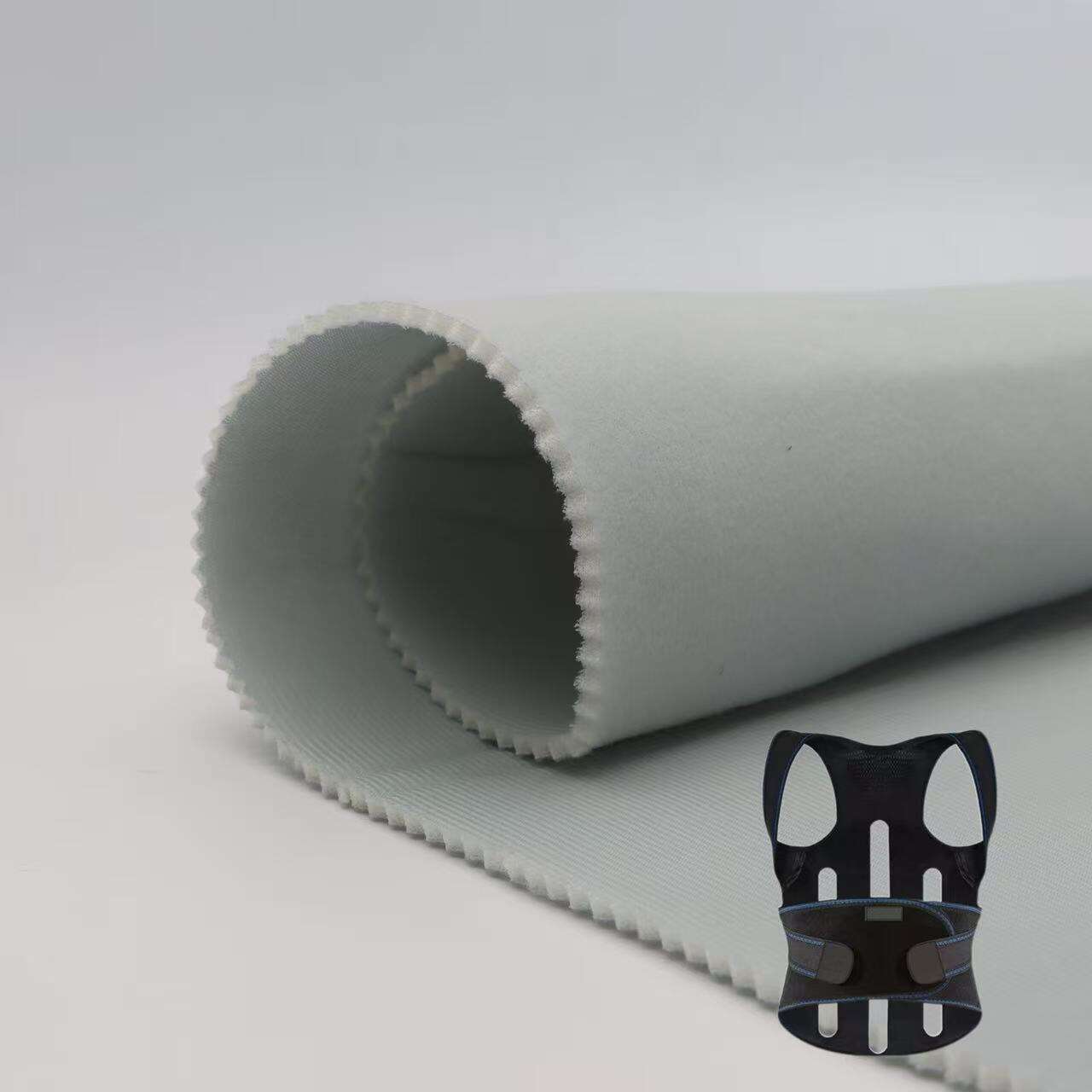
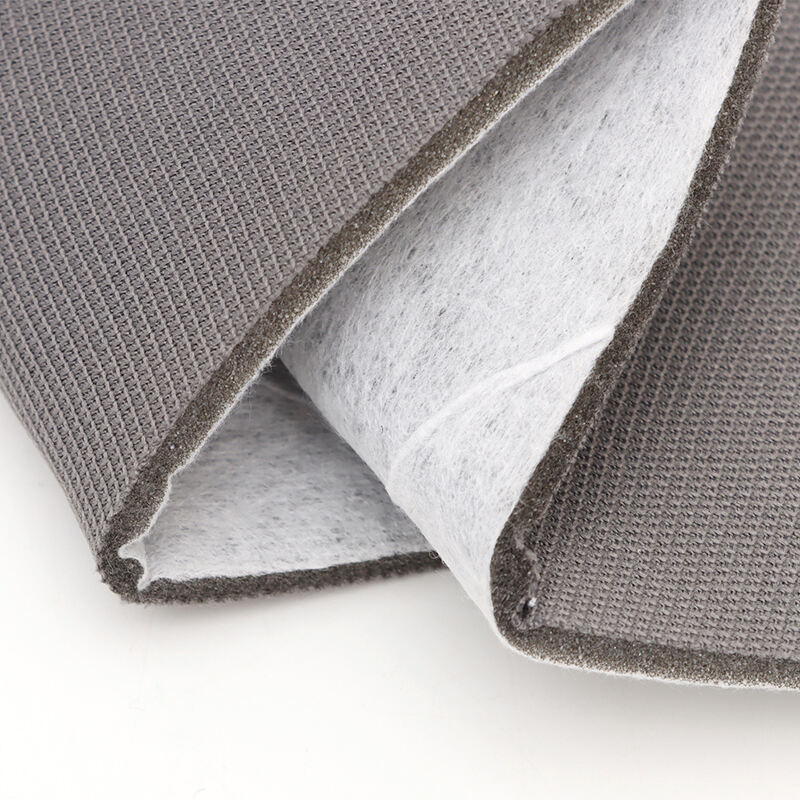
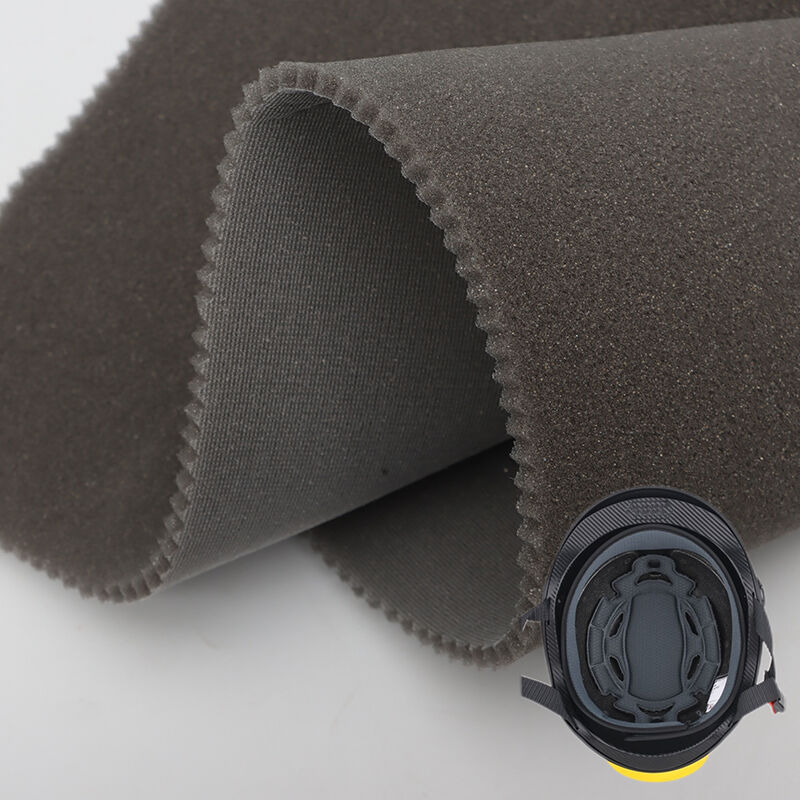
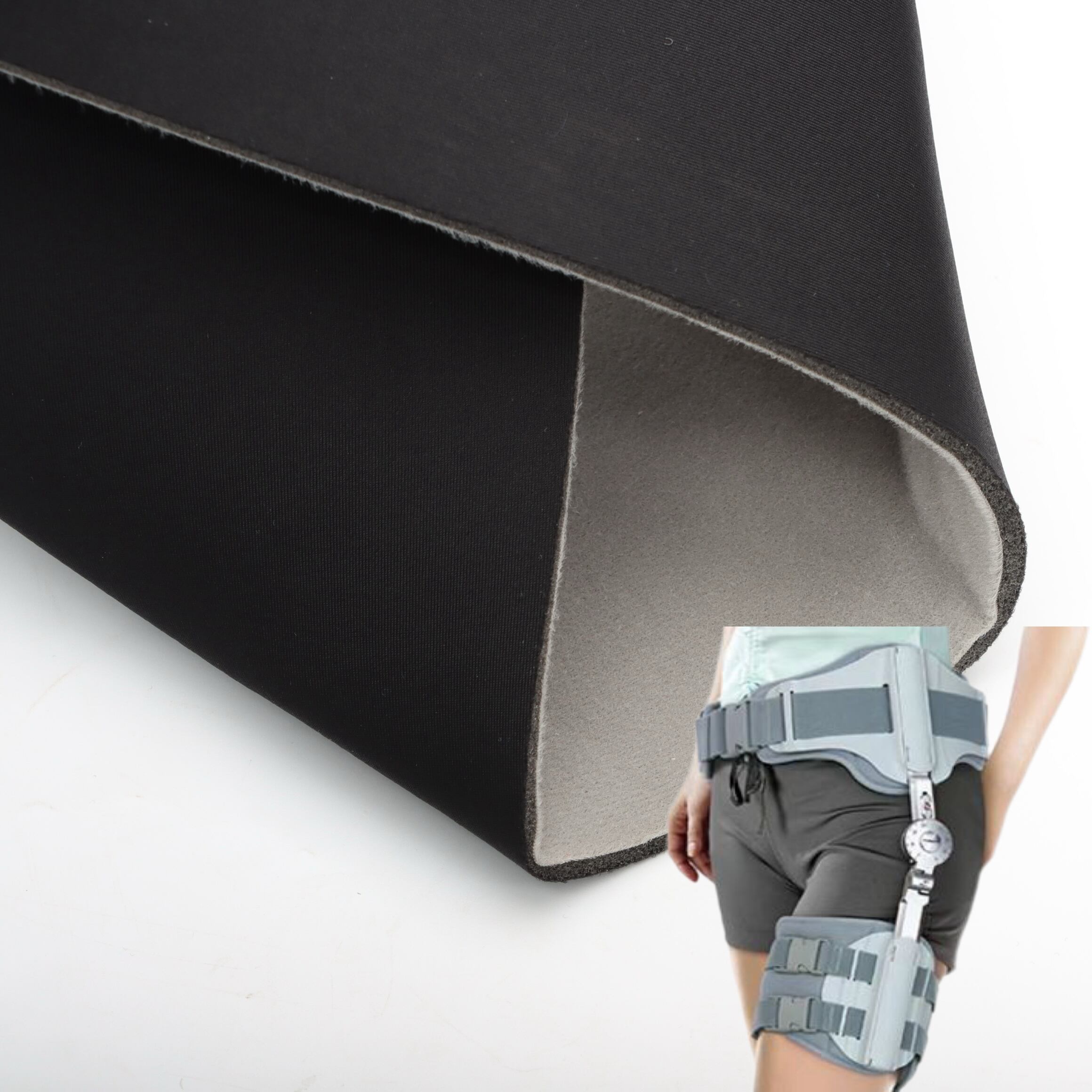
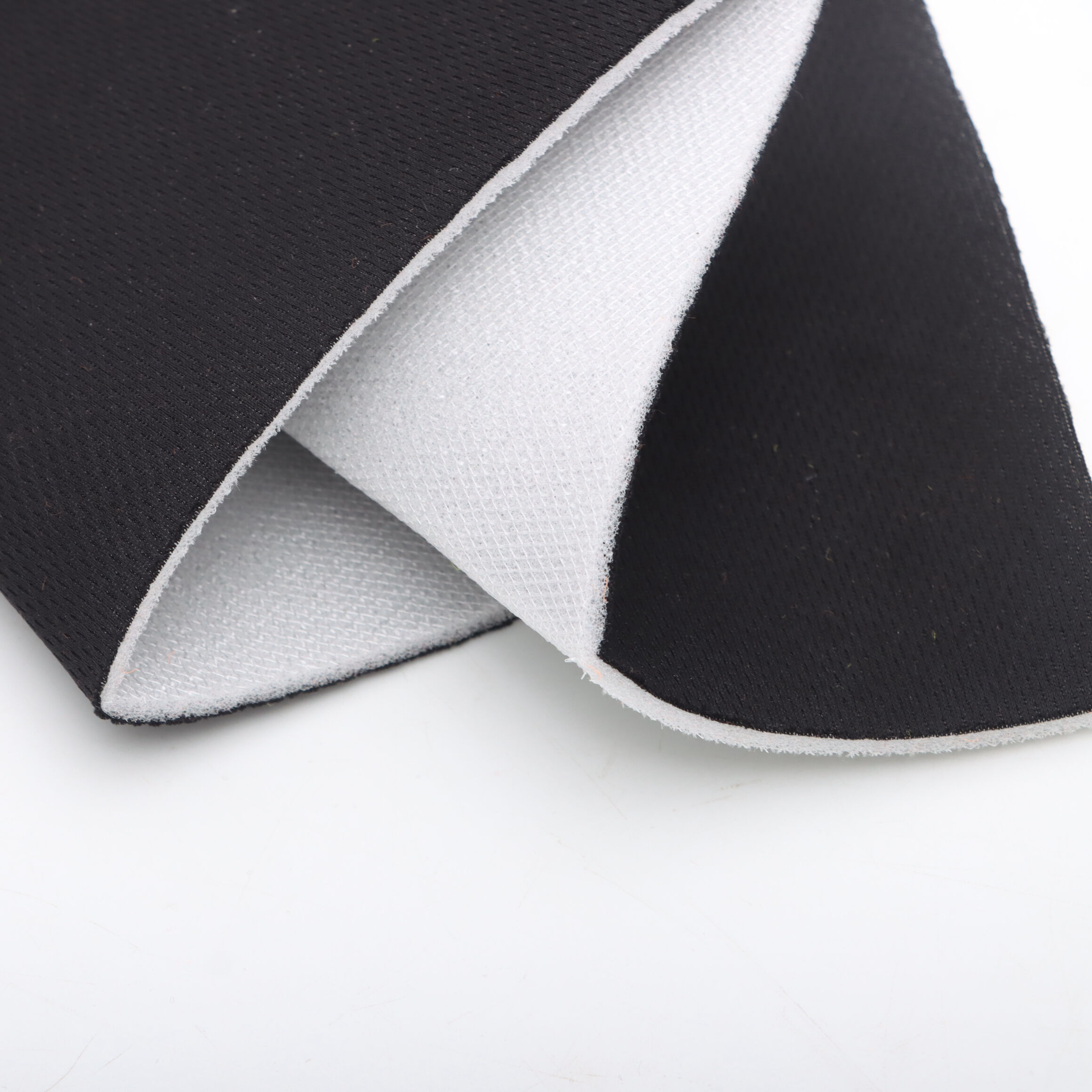
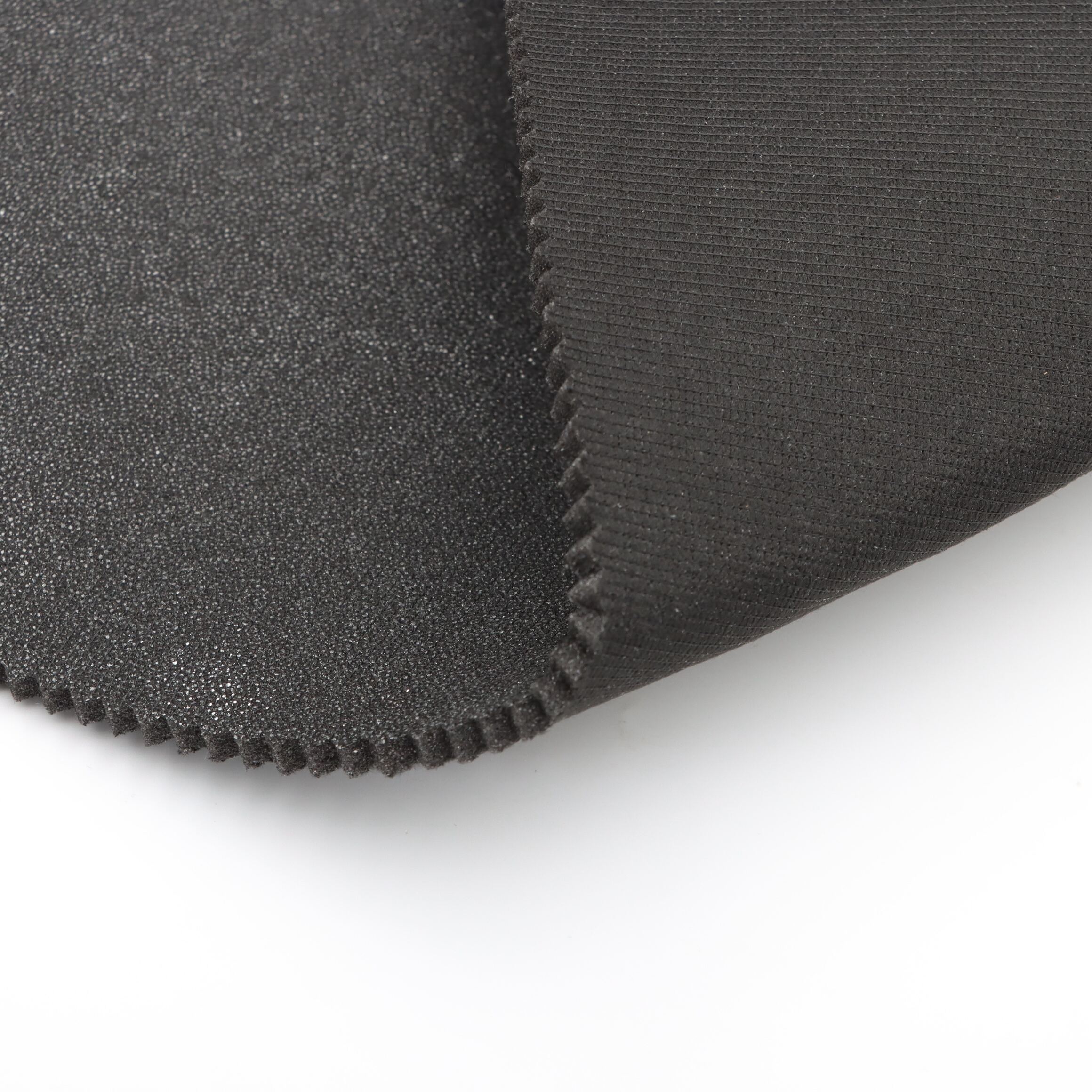
Composite foam for sports helmets represents a revolutionary advancement in athletic safety equipment, combining multiple layers of specialized materials to provide superior protection against impacts. This innovative material utilizes a unique combination of expanded polypropylene (EPP), expanded polystyrene (EPS), and advanced polymer compounds, creating a sophisticated energy absorption system. The foam's structure features microscopic cells that compress upon impact, effectively dispersing force across a wider area to reduce the risk of head injuries. The material's adaptive properties allow it to respond differently to various impact intensities, providing optimal protection in both high and low-velocity collisions. These helmets incorporate multiple density zones, strategically placed to protect specific areas of the head based on impact probability and severity. The composite foam maintains its protective properties across a wide temperature range and throughout multiple impacts, unlike traditional single-density foams. Additionally, the material's lightweight nature doesn't compromise mobility while offering enhanced ventilation through engineered channels. This technology has been extensively tested in laboratory conditions and real-world applications, meeting or exceeding safety standards established by organizations such as ASTM International and the Consumer Product Safety Commission. The composite foam's versatility makes it suitable for various sports applications, including football, hockey, cycling, and skateboarding, where head protection is crucial.


New Products

The composite foam technology in sports helmets offers numerous compelling advantages that set it apart from conventional protective materials. First and foremost, its multi-layer construction provides superior impact absorption capabilities, reducing the risk of concussions and other traumatic brain injuries by up to 40% compared to traditional helmet foams. The material's adaptive response system automatically adjusts to different impact velocities, offering optimal protection whether the collision is high or low impact. This intelligent energy management system ensures that athletes receive comprehensive protection across various scenarios. The lightweight nature of the composite foam significantly reduces neck fatigue during extended wear, enabling athletes to maintain peak performance throughout their activities. Despite its robust protective capabilities, the material maintains excellent breathability through its engineered ventilation channels, helping regulate temperature and enhance comfort during intense physical activity. The foam's durability is particularly noteworthy, as it maintains its protective properties even after multiple impacts, providing consistent protection throughout the helmet's lifespan. This extended durability translates to better value for users, as the helmet maintains its effectiveness longer than traditional options. The material's temperature stability ensures consistent performance across various weather conditions, making it reliable year-round. Additionally, the composite foam's manufacturing process allows for customization of density zones, enabling manufacturers to optimize protection based on sport-specific impact patterns and requirements. The material's excellent strength-to-weight ratio means athletes don't have to compromise between protection and comfort, while its moisture-wicking properties help maintain comfort during intense activities.

Latest News

What Types of Foam Fabric Are Best for Medical Belts and Wraps?

25

Aug

What Types of Foam Fabric Are Best for Medical Belts and Wraps?

What Types of Foam Fabric Are Best for Medical Belts and Wraps Medical belts and wraps play a critical role in providing support, stabilization, and comfort for patients recovering from injuries or managing chronic conditions. The effectiveness of th...
View More
 Why Is Bonded Fabric Ideal for Durable Medical Protective Equipment

04

Sep

Why Is Bonded Fabric Ideal for Durable Medical Protective Equipment

The Evolution of Medical Protection Through Advanced Textiles In the ever-evolving landscape of medical protective equipment, bonded fabric has emerged as a game-changing material that sets new standards for durability and safety. This innovative tex...
View More
How Is Nylon Hook and Loop with OK Fabric Used in Medical Braces

20

Oct

How Is Nylon Hook and Loop with OK Fabric Used in Medical Braces

Understanding Medical-Grade Fastening Solutions for Orthopedic Support The healthcare industry demands reliable, comfortable, and adjustable fastening solutions for medical braces and orthopedic supports. Nylon hook and loop fasteners have revolution...
View More
How to Choose Flame-Retardant Car Headliner Fabric

05

Nov

How to Choose Flame-Retardant Car Headliner Fabric

The Critical Role of Fire Safety in Automotive Interiors The automotive industry has witnessed remarkable advancements in safety features over the decades, and one crucial yet often overlooked component is flame-retardant car headliner fabric. This e...
View More

Get a Free Quote

Our representative will contact you soon.
Email
Name
Company Name
WhatsApp/Mobile
Products
Please select your interested products
Message
0/1000

composite foam for sports helmets

Advanced Impact Energy Distribution System

Advanced Impact Energy Distribution System

The composite foam's revolutionary impact energy distribution system represents a significant leap forward in protective gear technology. This sophisticated system utilizes a network of interconnected cells that work in concert to dissipate impact forces across a broader surface area, significantly reducing the concentration of force at any single point. The foam's variable density structure creates multiple layers of protection, each optimized to handle different types of impacts. When a collision occurs, the outer layer provides initial shock absorption, while deeper layers progressively engage to manage remaining energy, creating a comprehensive protection system. This multi-stage energy management approach significantly reduces the likelihood of traumatic brain injuries by ensuring that impact forces are properly attenuated before reaching the skull. The system's ability to respond differently to various impact velocities makes it particularly effective in real-world sporting scenarios where collision types can be unpredictable.
Temperature-Resistant Protective Properties

Temperature-Resistant Protective Properties

One of the most remarkable features of the composite foam is its ability to maintain consistent protective properties across a wide range of temperatures. Unlike traditional foam materials that can become rigid in cold conditions or too soft in high temperatures, this advanced composite maintains its optimal protective characteristics from -20°F to 120°F. This temperature stability is achieved through a proprietary blend of materials and manufacturing processes that create a stable cellular structure resistant to temperature-induced changes. This feature is particularly crucial for sports played in varying weather conditions, ensuring athletes receive the same level of protection regardless of environmental conditions. The foam's thermal stability also contributes to its longevity, as it resists degradation from repeated temperature cycles, maintaining its protective properties throughout multiple seasons of use.
Multi-Impact Durability Technology

Multi-Impact Durability Technology

The composite foam's multi-impact durability technology sets a new standard in helmet protection longevity. Unlike traditional foams that may lose their protective properties after a single significant impact, this advanced material is engineered to maintain its protective capabilities through multiple collisions. This durability is achieved through a unique molecular structure that allows the foam to recover its original shape and density after compression, ensuring consistent protection throughout the helmet's lifecycle. The technology incorporates self-healing properties at the microscopic level, where the material's cellular structure can reorganize itself after impact to maintain optimal protective characteristics. This feature not only enhances safety but also provides significant economic value, as helmets maintain their effectiveness for longer periods, reducing the frequency of replacement and overall cost of ownership for athletes and teams.

Get a Free Quote

Our representative will contact you soon.
Email
Name
Company Name
WhatsApp/Mobile
Products
Please select your interested products
Message
0/1000