EN
EN



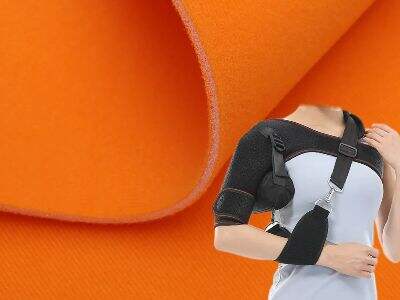
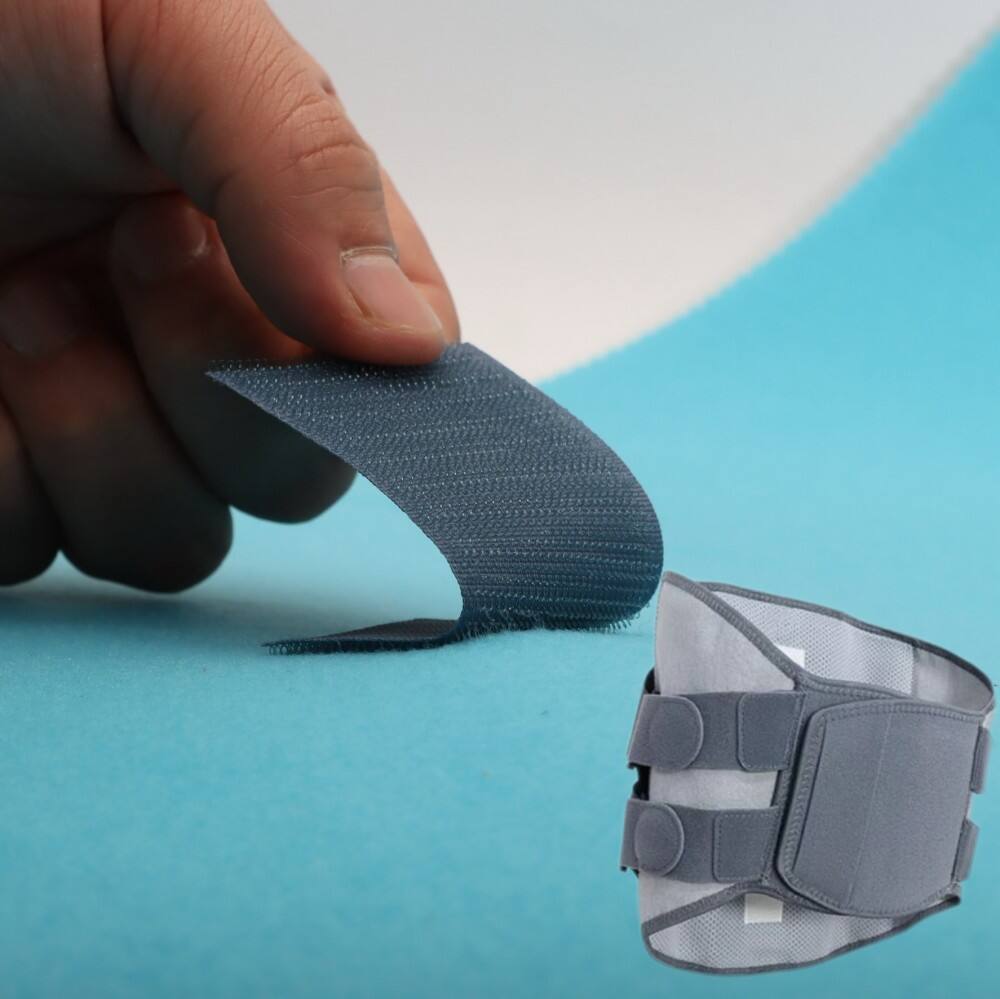
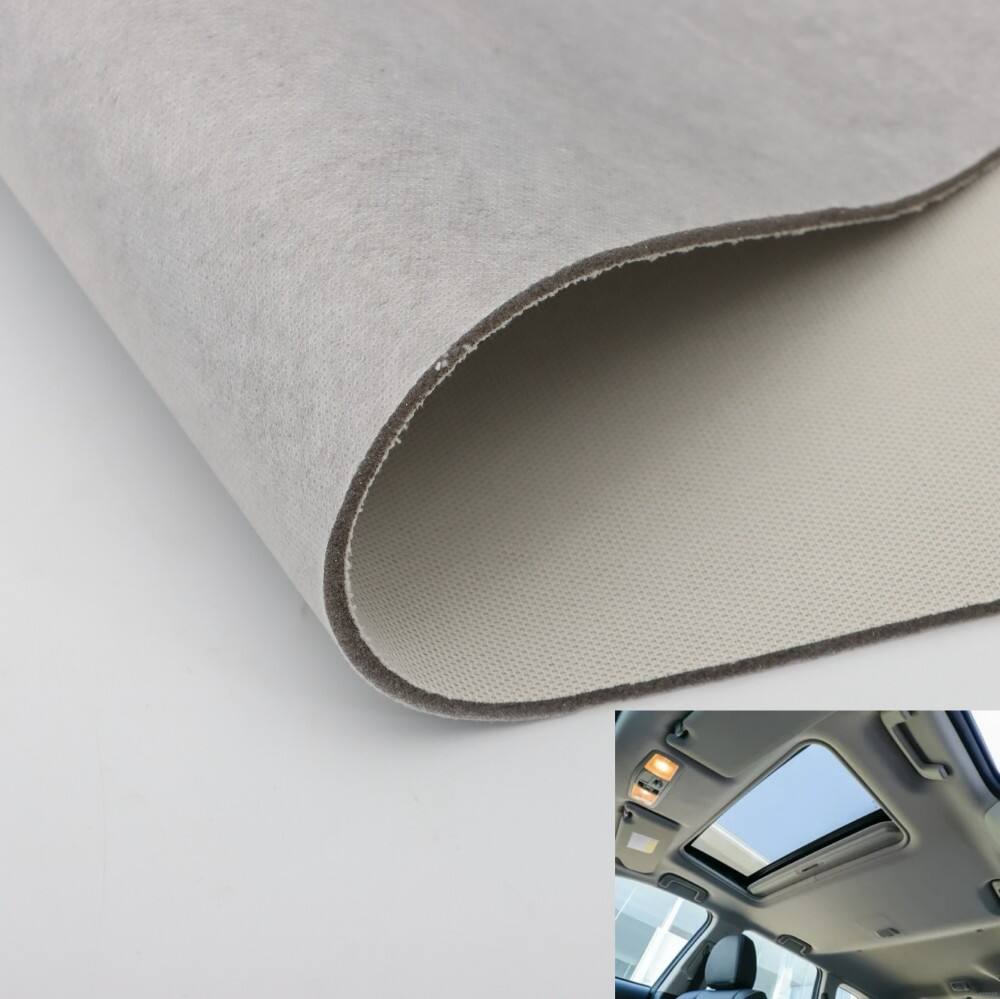
अपनी परियोजना के लिए सही फोम कपड़े का चयन करना कभी-कभी जटिल लग सकता है। फोम के कई प्रकार होते हैं, और प्रत्येक की अपनी मोटाई और घनत्व होती है। मोटाई से आशय फोम की मोटाई से है, जबकि घनत्व बताता है कि यह कितना कठोर या मुलायम महसूस होता है। यदि आप किसी परियोजना पर काम कर रहे हैं, जैसे कि तकिए बनाना या कमरे को ध्वनि-रोधी बनाना, तो सही प्रकार का चयन करना महत्वपूर्ण है। डॉन्गयाओ में, हम आपको यह समझने में सहायता के लिए यहाँ उपलब्ध हैं कि आपकी आवश्यकताओं के अनुसार सर्वोत्तम फोम का चयन कैसे करें
आराम के लिए इष्टतम फोम घनत्व का निर्धारण कैसे करें?
फोम का चयन करते समय, घनत्व सोचने की एक प्रमुख बात है। घनत्व को पाउंड प्रति घन फुट में मापा जाता है। 4 या 5 पाउंड प्रति घन फुट जैसा उच्च घनत्व वाला फोम कठोर होता है और अधिक सहारा प्रदान करता है। यह भार वहन करने वाले फर्नीचर, जैसे सोफा या कुर्सी के लिए उपयुक्त है। दूसरी ओर, 1 से 2 पाउंड के आसपास का कम घनत्व वाला फोम नरम होता है और आरामदायक लगता है। यह मैट्रेस टॉपर्स या नरम कुशन के लिए आदर्श है। अतः विचार करें कि आप फोम का उपयोग कैसे करना चाहते हैं। यदि आप इसे कुर्सी के लिए चाहते हैं, तो आपको कुछ अधिक कठोर चीज़ की आवश्यकता हो सकती है, क्योंकि यह लंबे समय तक चलता है और आपको अच्छा सहारा प्रदान करता है। यदि यह बिस्तर या आराम करने के लिए है, तो नरम फोम अधिक आरामदायक लग सकता है। ध्यान रखें, सभी लोगों की आराम की पसंद अलग-अलग होती है, इसलिए आपको अपनी पसंद के अनुसार कुछ प्रकारों का परीक्षण करना ठीक है। इसके अतिरिक्त, फोम के जीवनकाल पर भी विचार करें। उच्च घनत्व वाले फोम आमतौर पर अधिक समय तक चलते हैं, जबकि कम घनत्व वाले फोम जल्दी फीके पड़ सकते हैं। यह एक कठोर तकिये और एक नरम तकिये के बीच चयन करने के समान है। दोनों उपयोगी हैं, लेकिन यह वास्तव में आपकी नींद या बैठने की स्थिति पर निर्भर करता है। यदि संभव हो, तो फोम का परीक्षण अवश्य करें। इस पर बैठें, लेटें या दबाएं ताकि आप इसकी संवेदना को समझ सकें। आराम हमेशा प्राथमिकता होना चाहिए, और सही घनत्व के साथ, आपकी परियोजना सफल होगी।
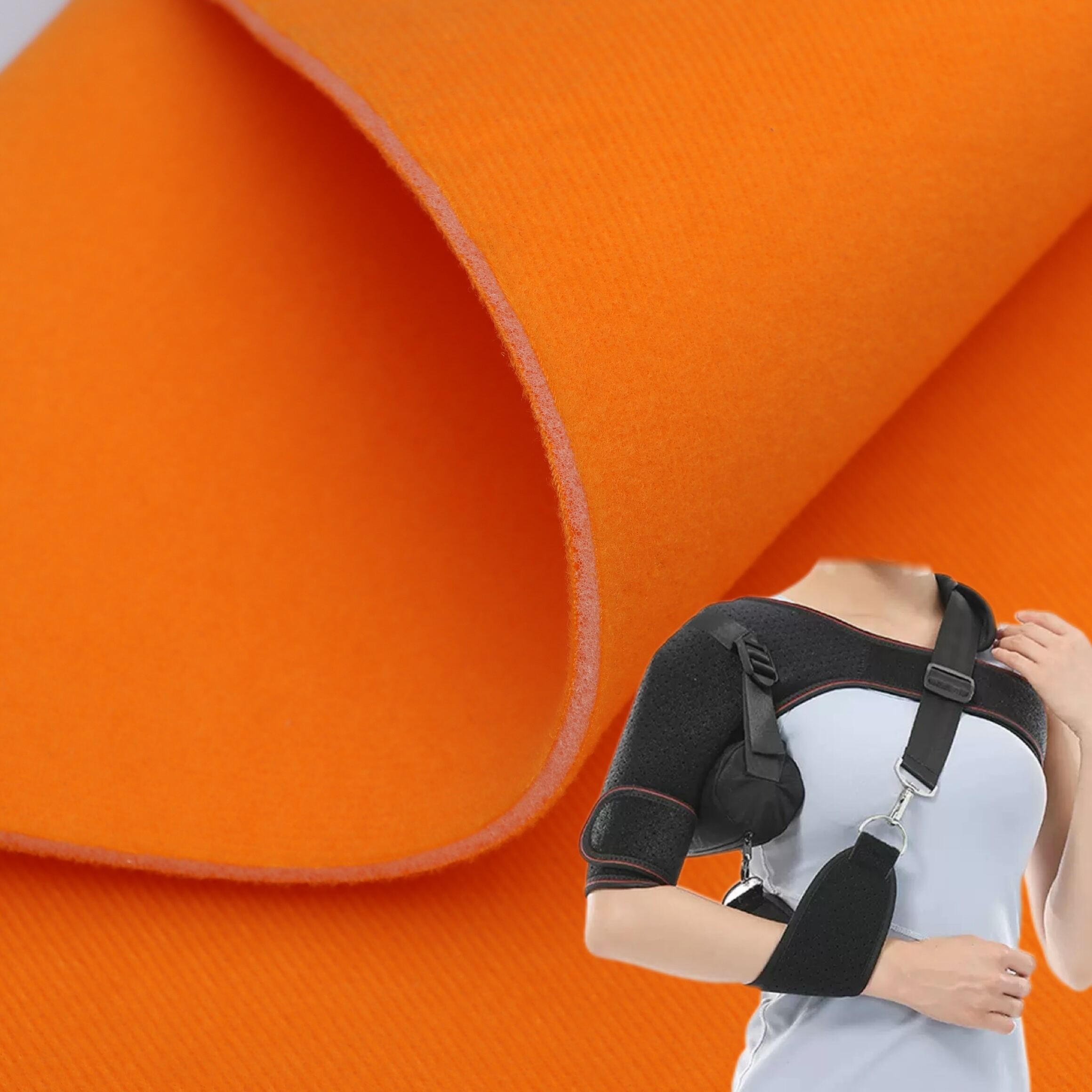
थोक खरीदारी के लिए उच्च-गुणवत्ता वाले फोम कहाँ से प्राप्त करें
अपने प्रोजेक्ट्स के लिए अच्छी गुणवत्ता वाले फोम को खोजना आसान हो सकता है, यदि आप जानते हैं कि उसे कहाँ खोजना है। एक शानदार विकल्प है फोम पर विशेषज्ञता रखने वाली दुकानों, जैसे डॉन्गयाओ की जाँच करना। हम विभिन्न प्रकार के फोम और घनत्व की विस्तृत श्रृंखला प्रदान करते हैं। थोक में खरीदारी करते समय, आप अक्सर बेहतर कीमतें प्राप्त कर सकते हैं, जो बड़े प्रोजेक्ट्स या व्यवसायों के लिए आदर्श है। आप ऑनलाइन आपूर्तिकर्ताओं की भी तलाश कर सकते हैं। कई वेबसाइटें आपको बड़ी मात्रा में फोम ऑर्डर करने की अनुमति देती हैं, और आप आमतौर पर ग्राहक समीक्षाएँ भी ढूँढ सकते हैं, जो निर्णय लेने में सहायता कर सकती हैं। उन समीक्षाओं को पढ़ना महत्वपूर्ण है, क्योंकि वे आपको उस गुणवत्ता के बारे में एक धारणा देती हैं जो आपको प्राप्त होगी। कभी-कभी स्थानीय अपहोल्स्ट्री दुकानें भी एक अच्छा संसाधन हो सकती हैं। वे फोम बेच सकती हैं या आपको उसे खरीदने के लिए उचित स्थान की ओर मार्गदर्शन कर सकती हैं। यदि आप कोई बड़ा प्रोजेक्ट शुरू करने वाले हैं, तो नमूने माँगने में संकोच न करें। कई आपूर्तिकर्ता आपको फोम का एक छोटा टुकड़ा भेज देंगे, ताकि आप बड़े ऑर्डर के पहले उसे छूकर महसूस कर सकें। इस तरह, आप यह सुनिश्चित कर सकते हैं कि वह आपकी आवश्यकताओं को पूरा करता है। जब आप कोई अच्छा आपूर्तिकर्ता ढूँढ लेते हैं, तो उनके साथ एक संबंध बनाएँ। वे आपको सुझाव दे सकते हैं और यहाँ तक कि विशेष डील्स के बारे में भी बता सकते हैं। याद रखें, गुणवत्ता सबसे महत्वपूर्ण है। अच्छा फोम आपके प्रोजेक्ट के अंतिम परिणाम को काफी हद तक प्रभावित कर सकता है, अतः सर्वोत्तम विकल्पों को खोजने के लिए अपना समय लें।
फोम का घनत्व फोम का चयन करते समय विचार करने योग्य एक अन्य महत्वपूर्ण कारक है
घनत्व से तात्पर्य है कि फोम के एक निश्चित आयतन में कितनी मात्रा में सामग्री संकुचित की गई है। उच्च घनत्व वाला फोम भारी होता है और अक्सर अधिक टिकाऊ होता है। यह प्रकार का फोम उन वस्तुओं के लिए बहुत उपयुक्त है जिन्हें लंबे समय तक चलना हो, जैसे कार्यालय की कुर्सियाँ या भारी उपयोग वाले तकिए। यदि आप उच्च घनत्व वाले फोम का चयन करते हैं, तो आप यह अपेक्षा कर सकते हैं कि यह समय के साथ अपना आकार और समर्थन बनाए रखेगा। दूसरी ओर, कम घनत्व वाला फोम हल्का होता है और शायद नरम महसूस होता है, लेकिन इसकी आयु कम हो सकती है। यह प्रकार का फोम उन वस्तुओं के लिए अच्छी तरह काम कर सकता है जिनका उपयोग बहुत अक्सर नहीं किया जाता है या जहाँ आराम सर्वोच्च प्राथमिकता नहीं है। उदाहरण के लिए, एक सजावटी तकिया कम घनत्व वाले फोम के साथ भी ठीक रह सकता है, क्योंकि इस पर रोज़ाना बैठा नहीं जाता है। डोंगयाओ में, हमारे पास फोम के घनत्व के कई विकल्प हैं, ताकि आप अपनी परियोजना के लिए सही विकल्प चुन सकें। यदि आप कुछ ऐसा चाहते हैं जो अच्छी तरह से टिके रहे और अच्छा महसूस कराए, तो मध्यम से उच्च घनत्व वाले फोम की तलाश करें। यह विकल्प आराम और टिकाऊपन के बीच सर्वोत्तम संतुलन प्रदान करेगा
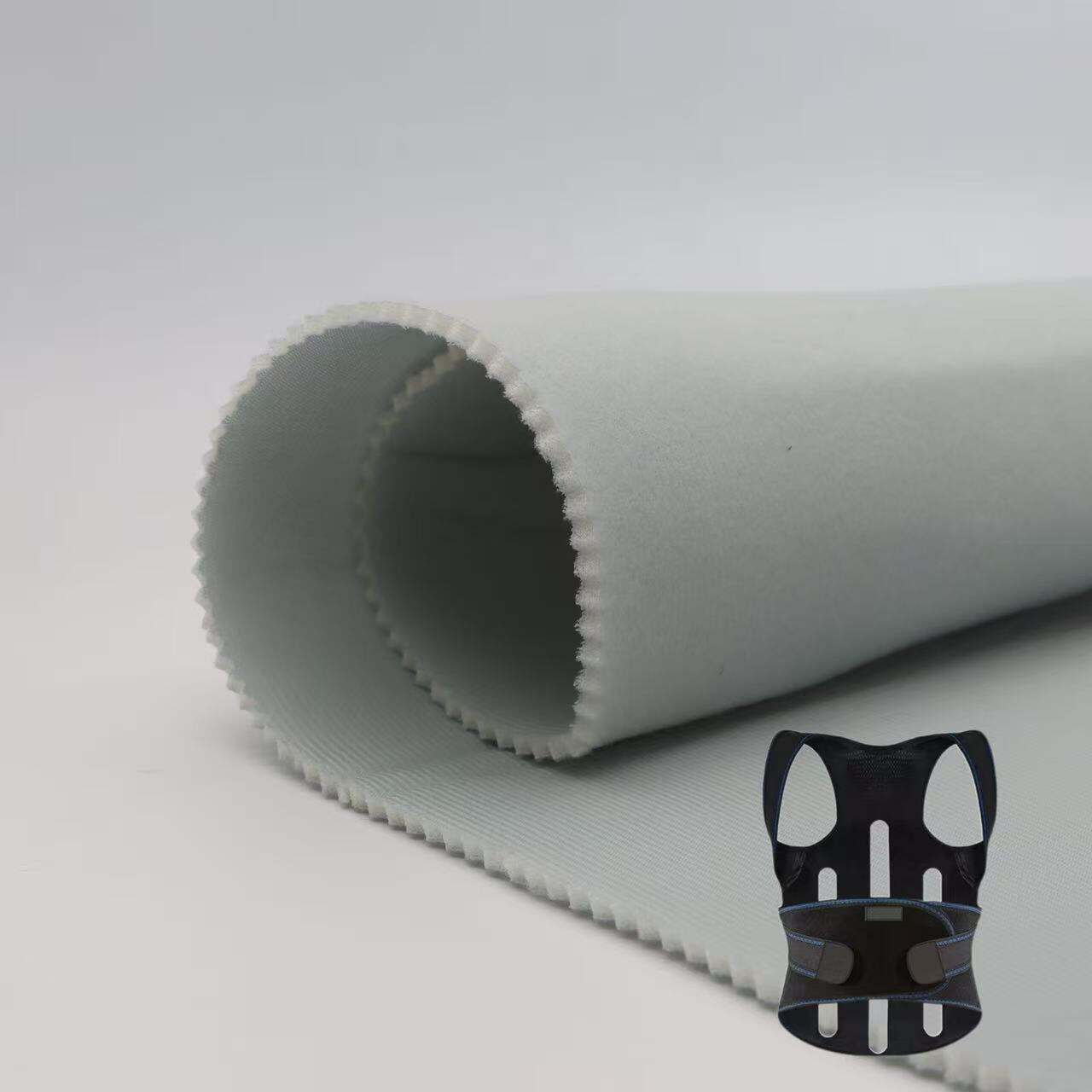
यदि आप ध्वनि रोधन के बारे में सोच रहे हैं, तो सही फोम मोटाई का चुनाव महत्वपूर्ण है
ध्वनि रोधक फोम का उद्देश्य शोर को कम करना है। मोटा फोम अधिक ध्वनि को अवशोषित कर सकता है और आमतौर पर पतले फोम की तुलना में ध्वनि रोधन के लिए बेहतर होता है। यदि आप बाहर से या अन्य कमरों से आने वाले शोर को रोकना चाहते हैं, तो कम से कम 3 इंच मोटाई वाले फोम की तलाश करें। यह मोटाई ध्वनि तरंगों को फँसाने और उन्हें इधर-उधर प्रतिबिंबित होने से रोकने में सहायता करती है। उदाहरण के लिए, यदि आप किसी रिकॉर्डिंग स्टूडियो या घरेलू थिएटर को ध्वनि रोधित करने का प्रयास कर रहे हैं, तो दीवारों पर मोटे फोम का उपयोग काफी अंतर ला सकता है। डोंगयाओ के पास विशेष ध्वनि रोधक फोम है, जो विभिन्न मोटाइयों में उपलब्ध है, जिससे आप एक शामक अंतरिक्ष बनाने में सक्षम हो सकते हैं। इसके साथ ही, यदि आपका प्रोजेक्ट किसी कमरे के अंदर प्रतिध्वनि को कम करने पर अधिक केंद्रित है, तो आप 2 इंच मोटाई वाले फोम का उपयोग कर सकते हैं। यह ध्वनि गुणवत्ता में सुधार करने में सहायता कर सकता है, बिना कि इसे अत्यधिक मोटा होने की आवश्यकता हो। ध्वनि रोधन के लिए फोम का चयन करते समय याद रखें कि जितना अधिक मोटा होगा, उतना ही बेहतर यह शोर को कम करने में कारगर होगा। अतः अपनी ध्वनि रोधन परियोजना की योजना बनाते समय फोम की मोटाई को अवश्य ध्यान में रखें।