 ×

Turning a fabric swatch into a confirmed order often takes more than one round of checking. This project came from a customer in Chile who was looking for laminated loop fabric with a self-adhesive backing. The surface color, adhesive construction, a...
Turning a fabric swatch into a confirmed order often takes more than one round of checking.
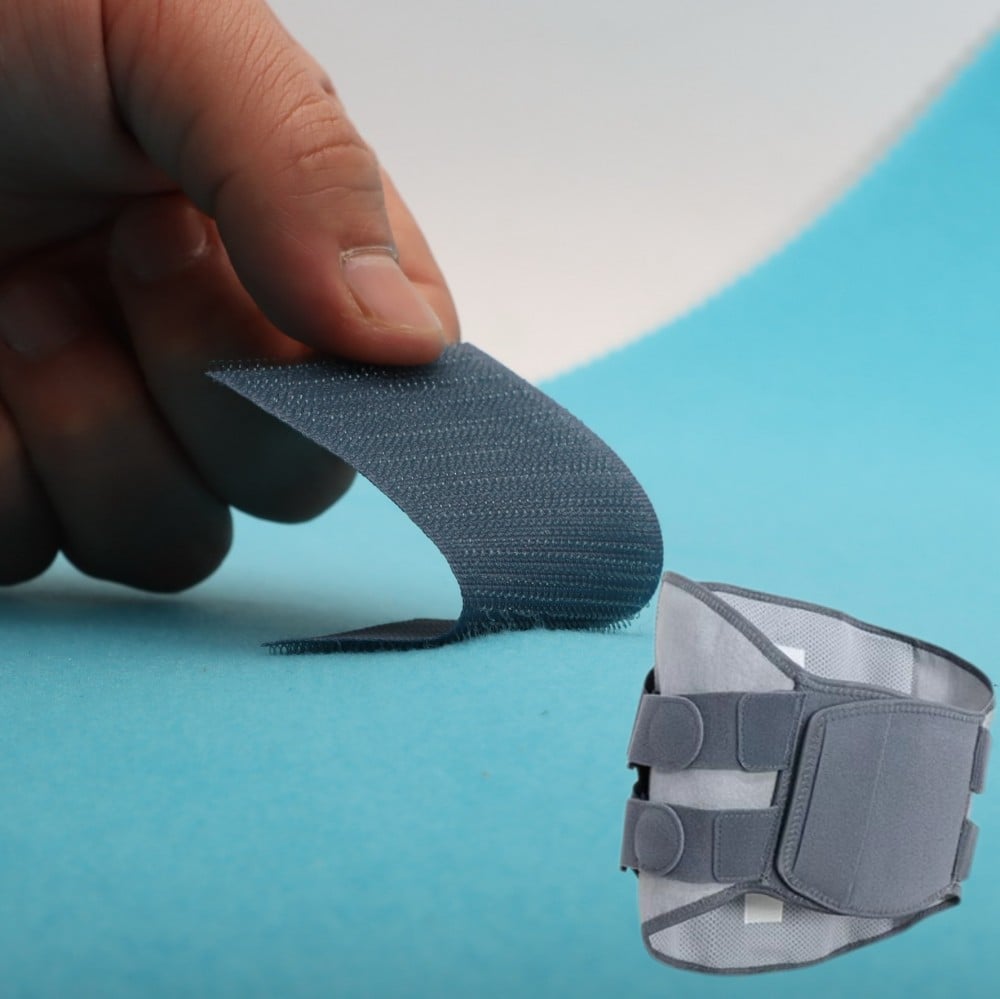
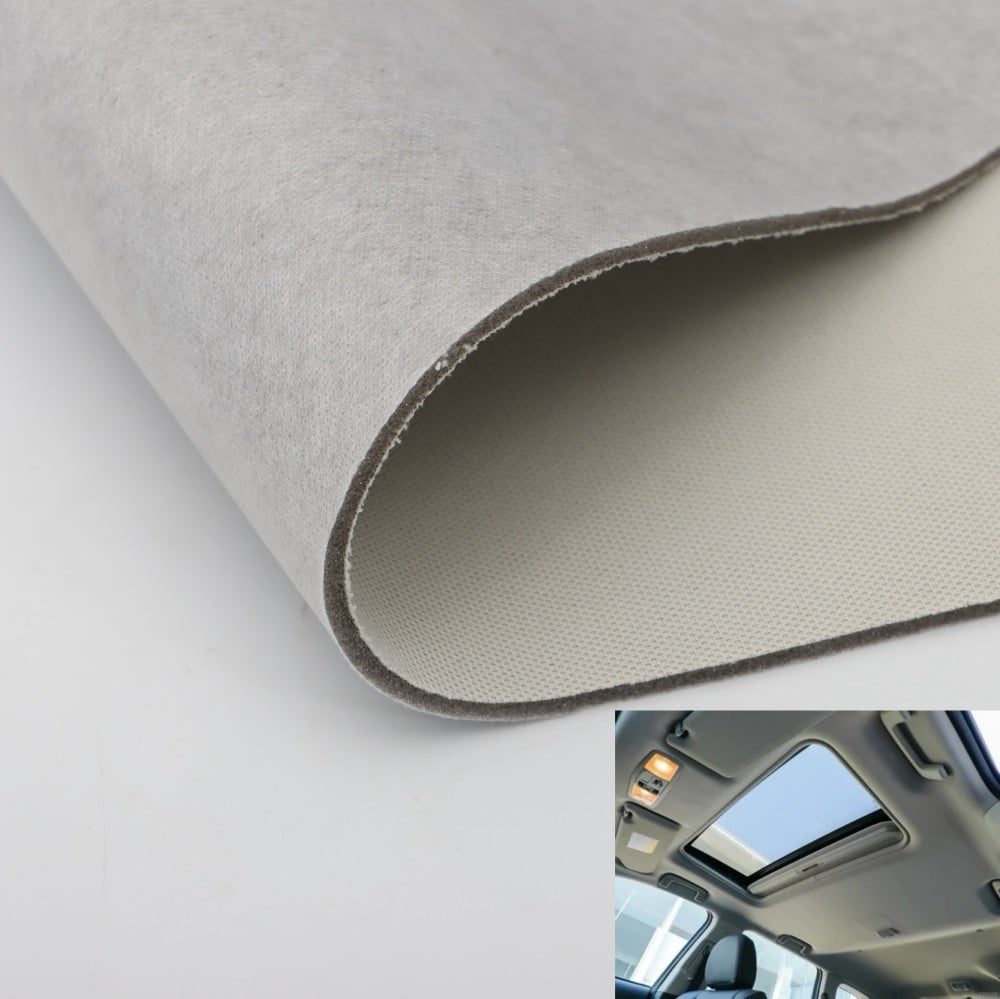
This project came from a customer in Chile who was looking for laminated loop fabric with a self-adhesive backing. The surface color, adhesive construction, and actual performance in use all needed to be confirmed before bulk production.
We began with color swatches and sample selection, then worked with the customer through sample shipment, testing, and material confirmation. Production and packing followed, and we ultimately completed delivery of eight rolls. Here is how the project progressed.
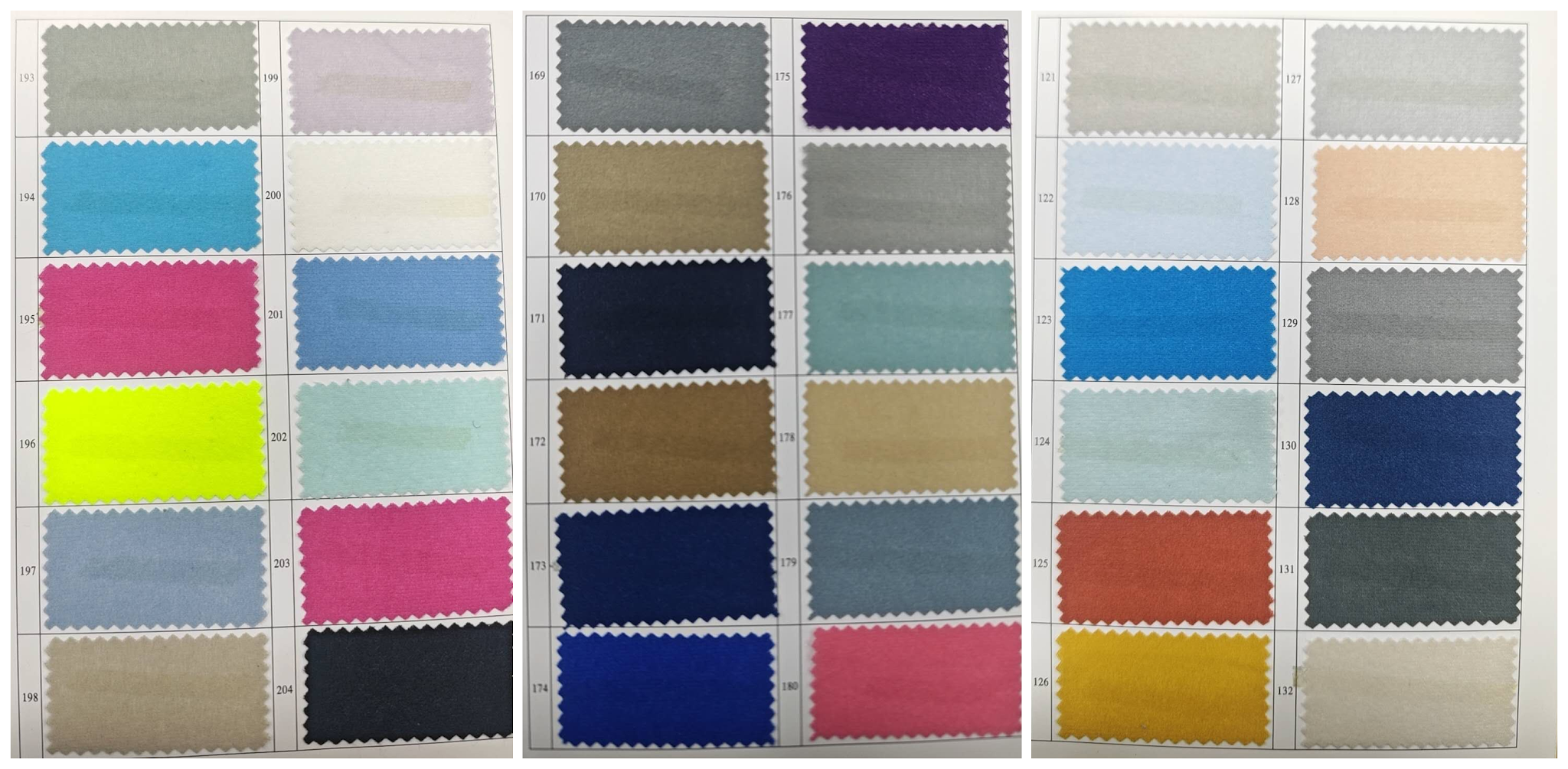
01 | Starting with the Inquiry: Finding the Right Color
When the customer first contacted us, the priority was to identify a suitable color and material for the project.
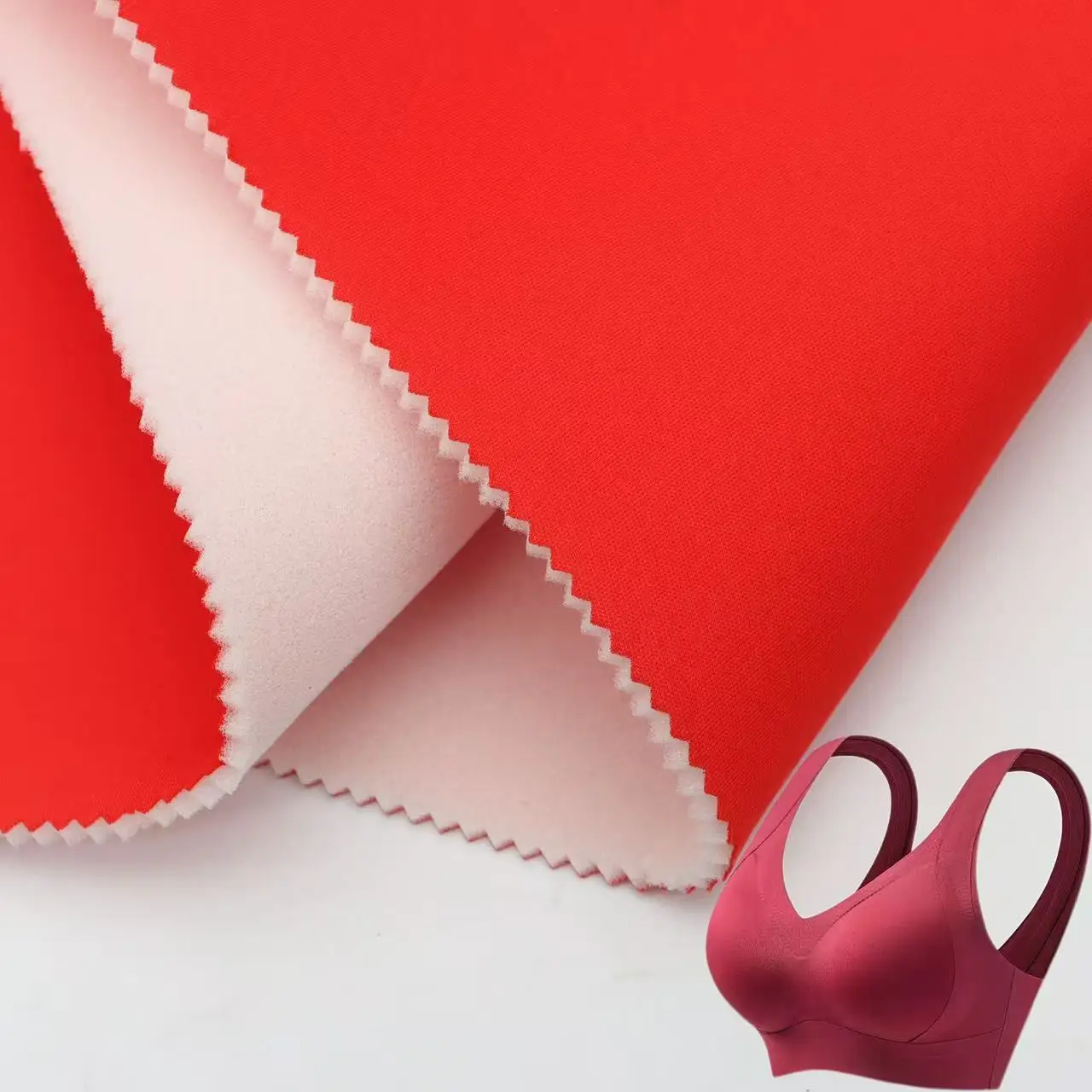
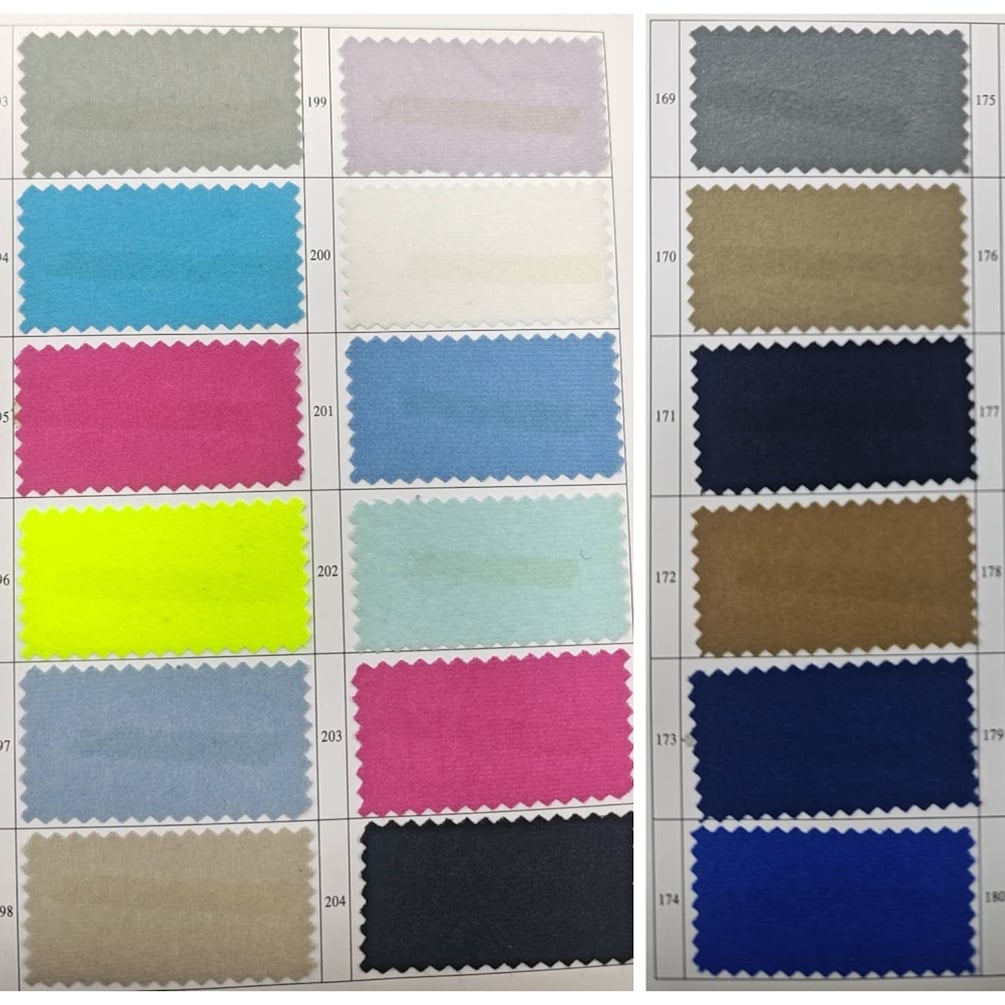
With loop fabric, it is difficult to judge color accurately from a screen alone. Differences in lighting, as well as the fabric's real texture and hand feel, can all influence the final choice.
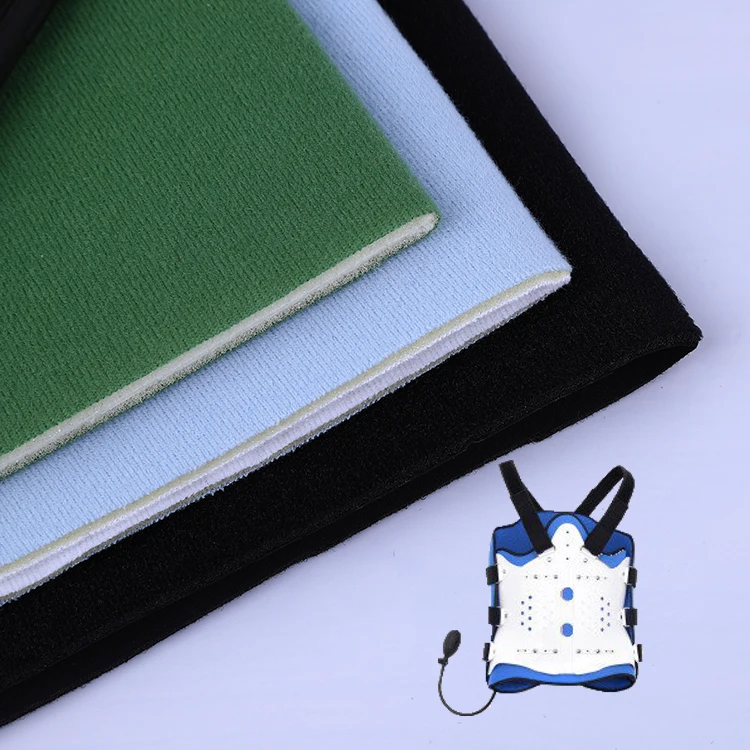
We therefore provided physical swatches in a range of colors. The customer could compare the reference numbers, shortlist preferred shades, and then decide which material samples should be sent for further evaluation.
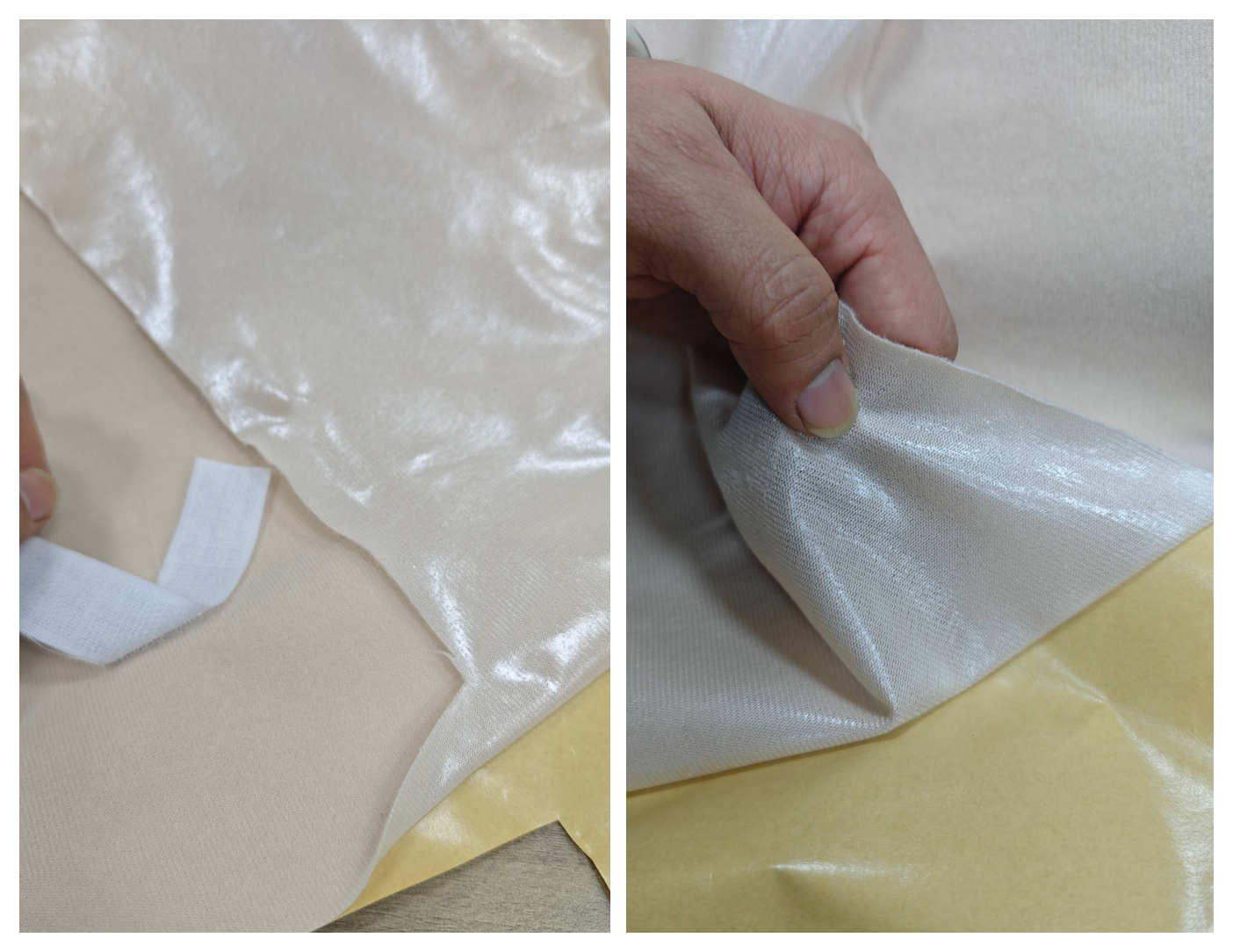
02 | Sending Samples for the Customer to Test
After narrowing down the material options, we prepared and shipped samples based on our discussions.
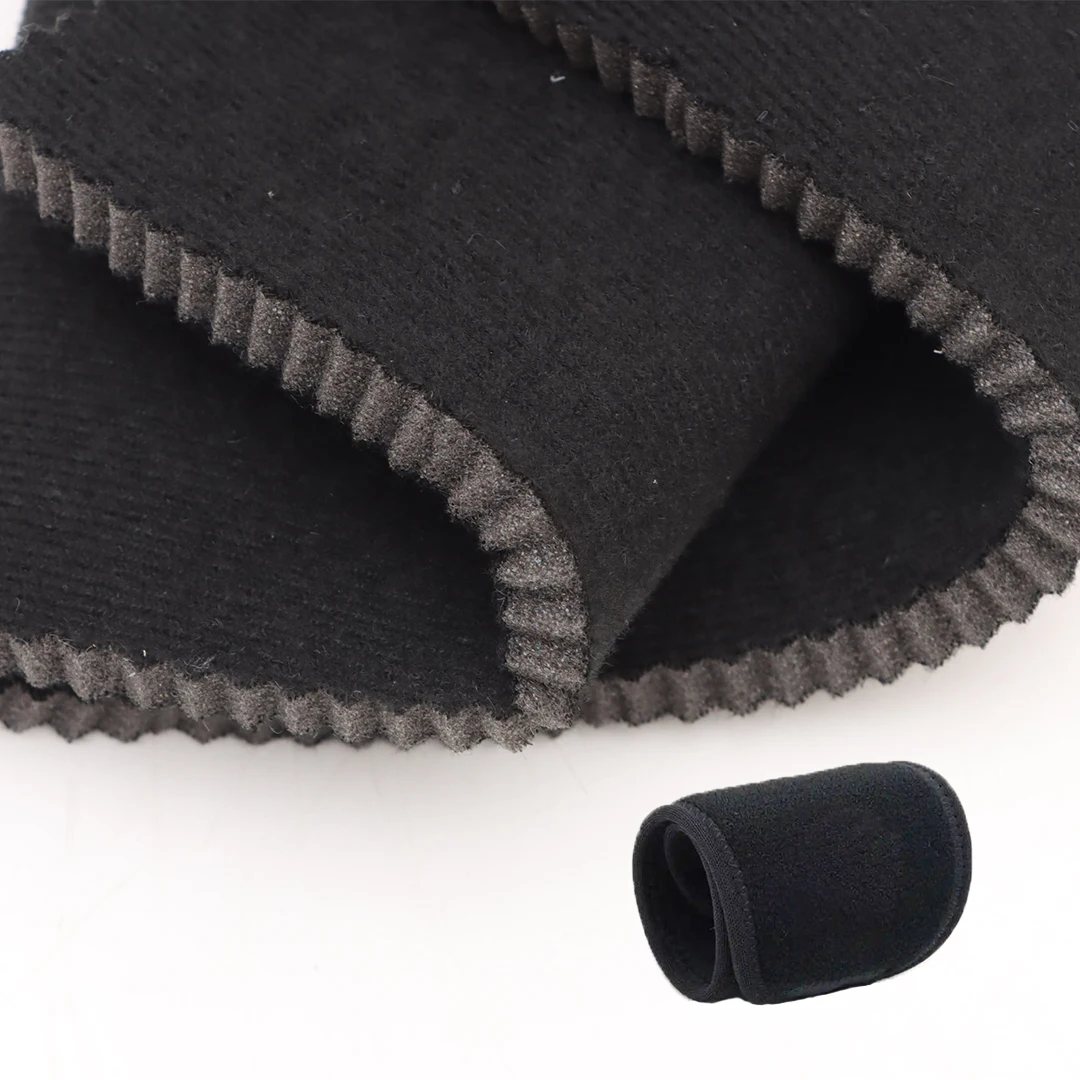
For a self-adhesive material, color and hand feel are only part of the decision. The customer also needs to check whether the adhesive backing and application method suit the intended use. With physical samples, the customer can examine the loop fabric surface, backing, and release paper, then test the material in their own product or process.
This approach is more reliable than approving a material from photographs alone. We first sent the samples, waited for practical feedback, and then continued with the remaining requirements.
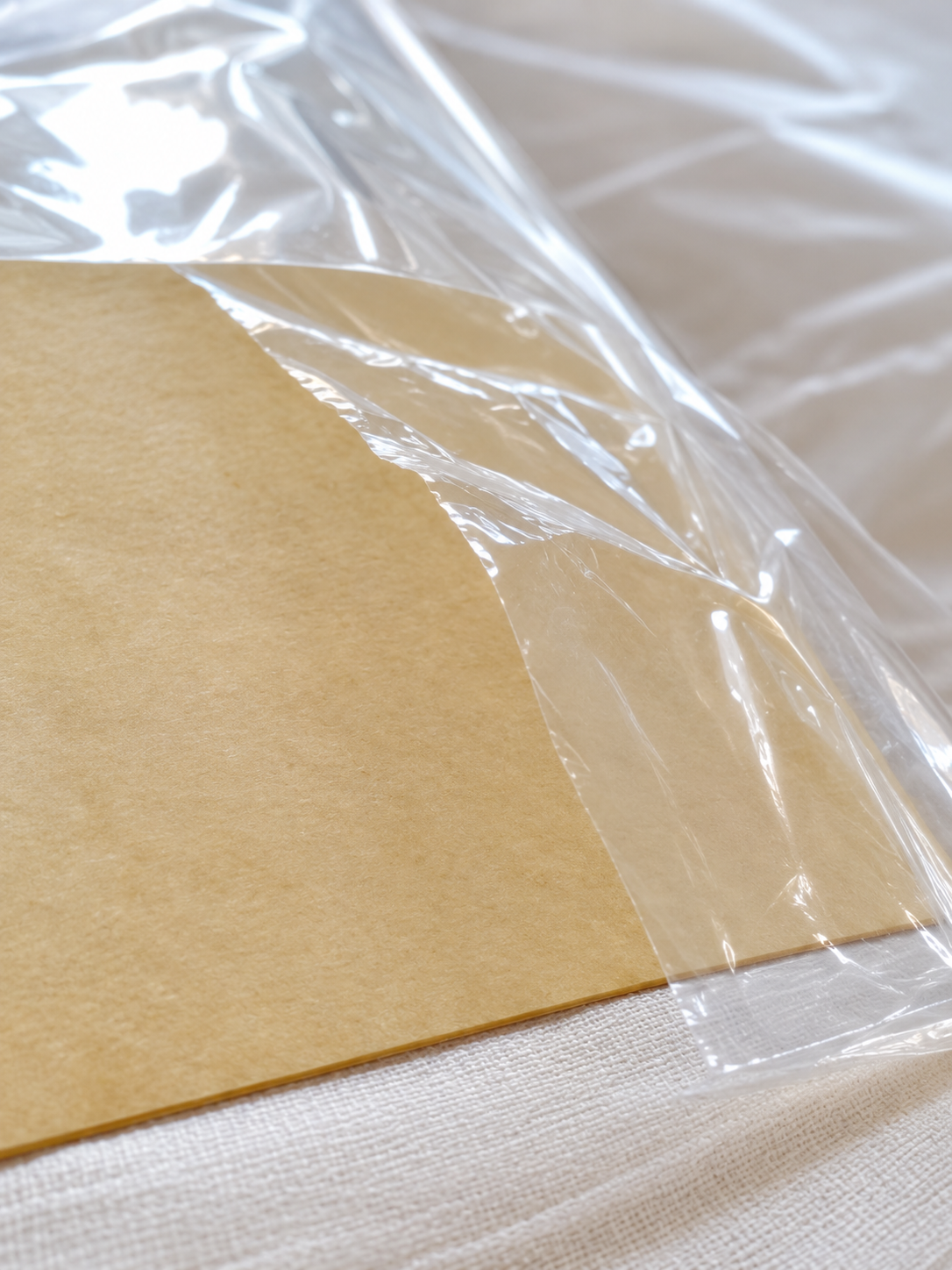
03 | Confirming the Color and Material Construction Before the Order
After the customer tested the samples, we continued discussing the final color selection and material specification.
Customizing self-adhesive loop fabric involves more than simply producing fabric in a chosen color. Depending on how the customer will process the material, it is also necessary to clarify the loop fabric surface, adhesive backing, release paper, and the specifications of the rolls to be delivered.
Once the key requirements were confirmed, the project moved into production planning. Both sides now had a clear material reference from sample approval through bulk production, reducing the likelihood of repeated changes before manufacturing.
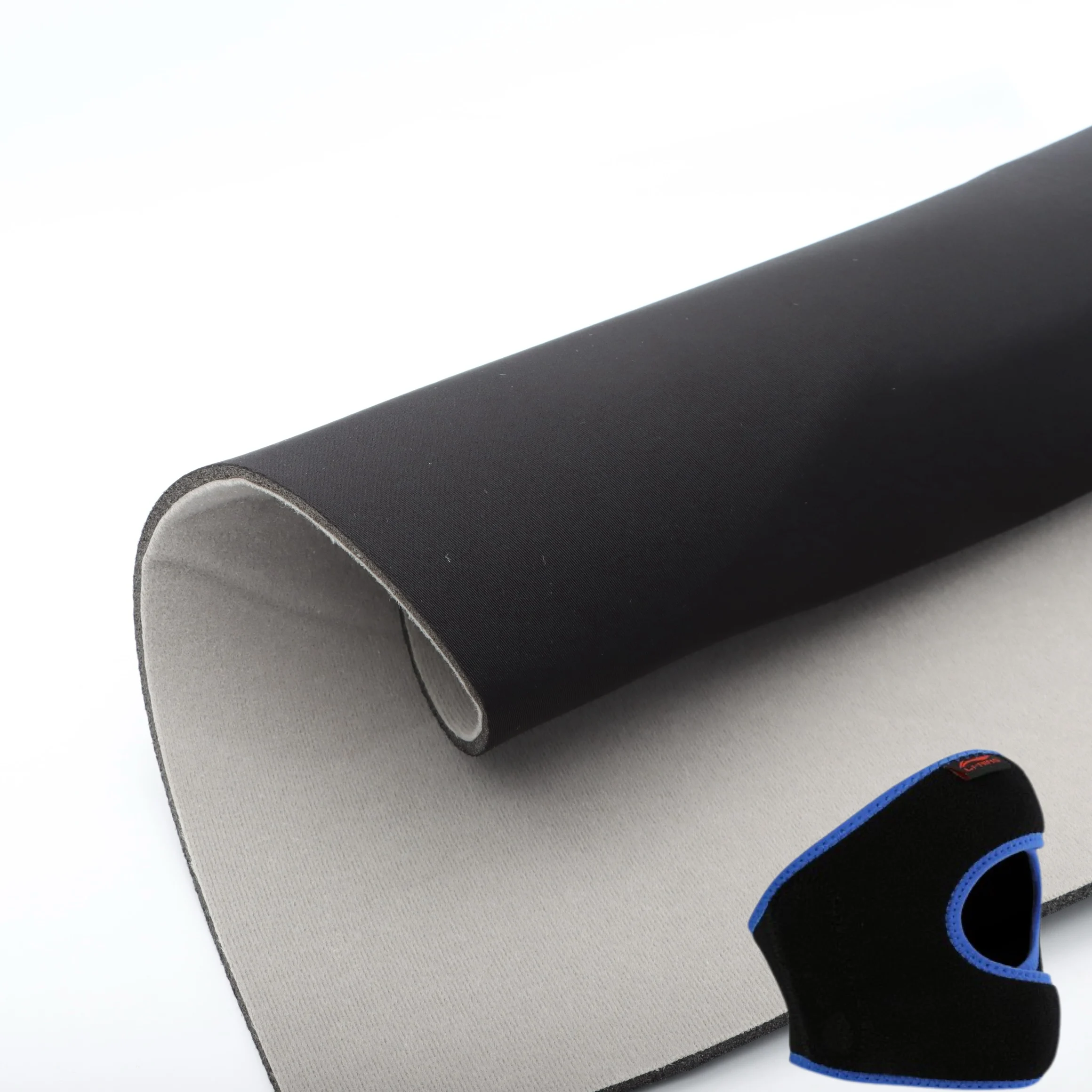
The following factory photograph shows the actual material in its packaging, providing another view of the sample and finished-material details.
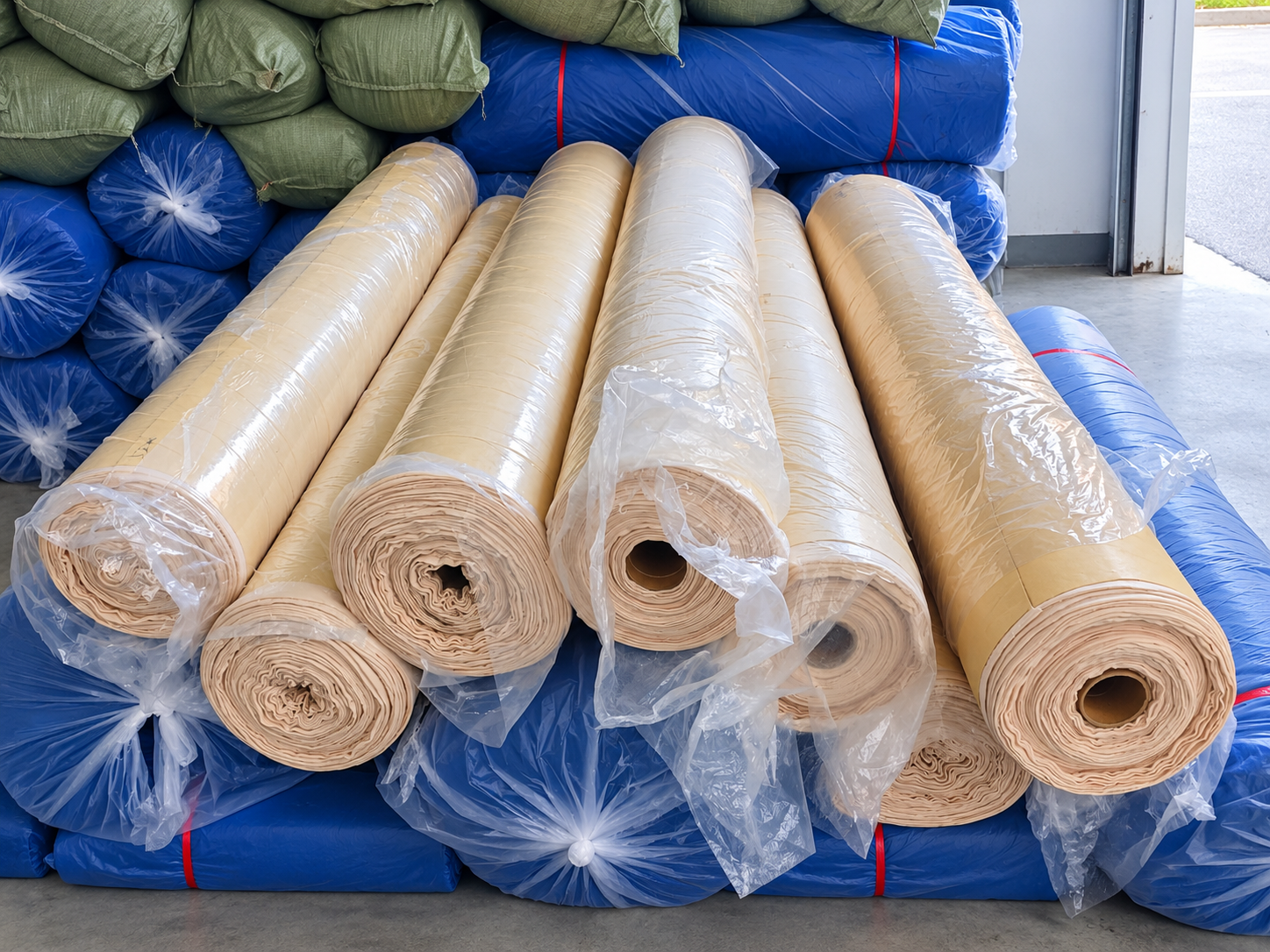
04 | Arranging Bulk Production to the Confirmed Specification
Once the materials and order requirements had been agreed upon, we arranged bulk production.
For a direct manufacturer, selecting samples is only the first step. What matters next is putting the approved requirements into practice, making sure the surface material, self-adhesive construction, and roll specifications correspond to the order.
After processing, the material is organized and rolled into larger finished rolls for subsequent packing and transport. From a small piece on a color card to full rolls of fabric, the project had moved into the bulk-production stage.
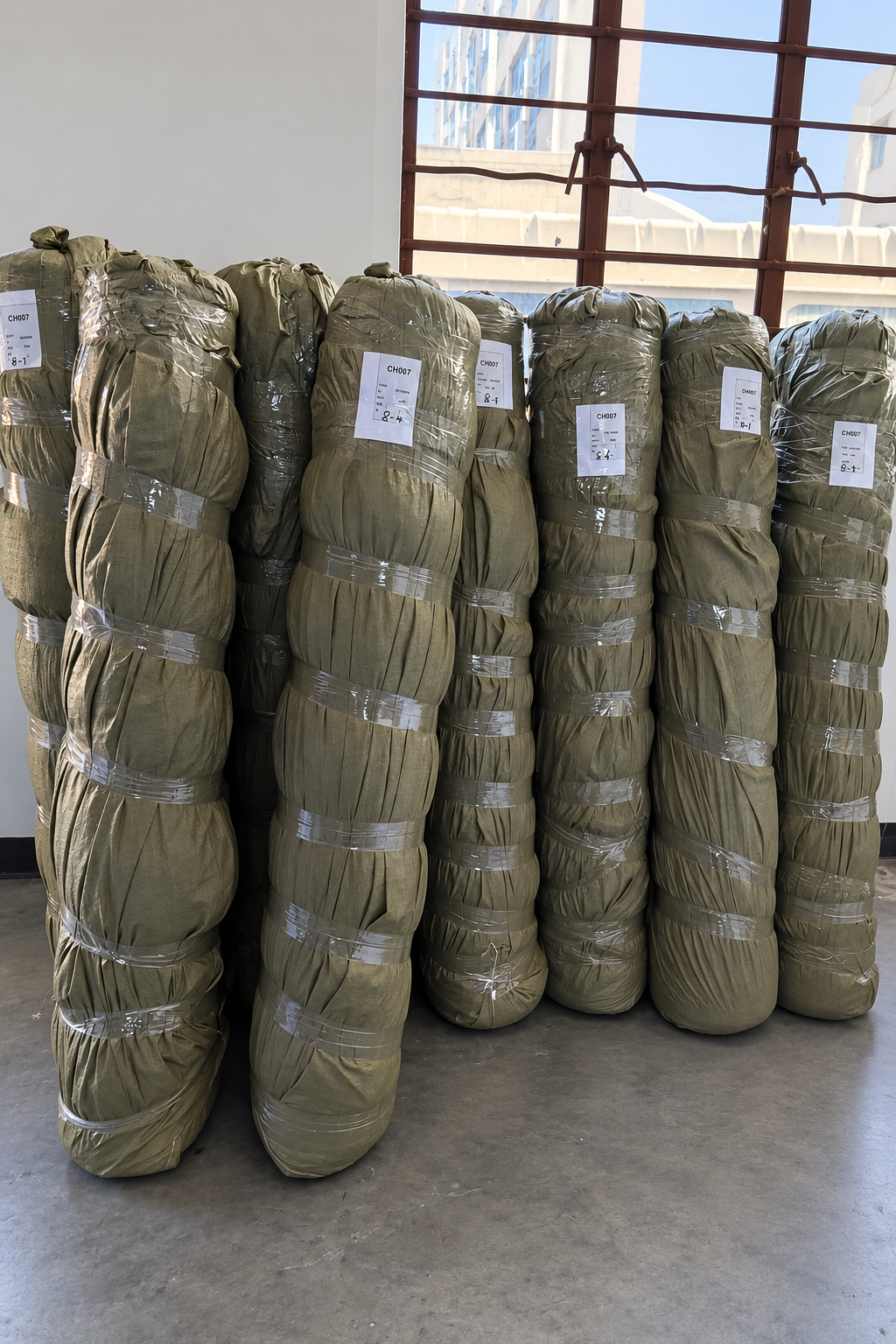
05 | Packed and Delivered: Eight Rolls Completed
After production, the finished rolls went through packing and shipment preparation.
Rolled laminated fabrics can be bulky. Outer packaging makes handling, storage, and transport easier while helping reduce exposure to dust and surface friction during storage and transportation.
This Chilean customer's order consisted of eight rolls. Following the arrangements agreed with the customer, we completed the organization, packing, and delivery of the goods.
From choosing a color and testing samples to confirming the material, producing the order, and arranging delivery, each stage of the project had a clear next step.
Custom Materials Based on Your Requirements
Different customers have different requirements for loop fabric colors, surface feel, adhesive backing, and laminated construction.
Based on your color references, existing samples, photos, or technical specifications, we can work with you to confirm the loop fabric type, color, self-adhesive backing, fabric width, and delivery format. For projects that need additional evaluation, we can begin with samples before proceeding to production.
If you are looking for self-adhesive loop fabric or other custom laminated materials, share your requirements with us. We can help you work out a suitable material option.
FAQ | Frequently Asked Questions
1. Can I choose a color before receiving samples?
Yes. We can provide color swatches to help you shortlist options, then discuss the physical samples most suitable for testing.
2. Can you customize loop fabric based on an existing sample?
Yes. You can provide an existing material, photographs, or construction requirements, and we can evaluate suitable surface fabrics and lamination methods.
3. Can the self-adhesive backing be adjusted for my application?
Tell us what surface the material will be applied to, how it will be attached, and your requirements. We can then review suitable adhesive constructions and sample options.
4. Can I test samples before confirming a bulk order?
Yes. We recommend confirming the color, hand feel, and performance in the intended application before finalizing bulk specifications.
5. Can the material be packed and delivered in rolls?
Yes. Roll length, fabric width, and packing arrangements can be confirmed according to the material and order requirements.

Shanghai Dongyao Shoes Material Co., Ltd., established in 2002 near Shanghai Port, is a leading laminated fabric manufacturer. We specialize in high-quality composite fabrics serving medical, automotive, sports protection, and luggage industries with reliable export logistics and innovation.
 EN