EN
EN


How We Support a U.S. Customer with Stable Laminated Fabric Supply
Blue Velvet Fabric + Foam + Warp-Knitted Mesh
A Real Long-Term Production and Delivery Record
Making one good protective gear material roll is not the hardest part.
The real challenge is whether the second order, the third order, and the orders placed years later can still stay close to the approved standard in color, hand feel, thickness, structure, and delivery condition.
We have worked with this U.S. customer for around five years.
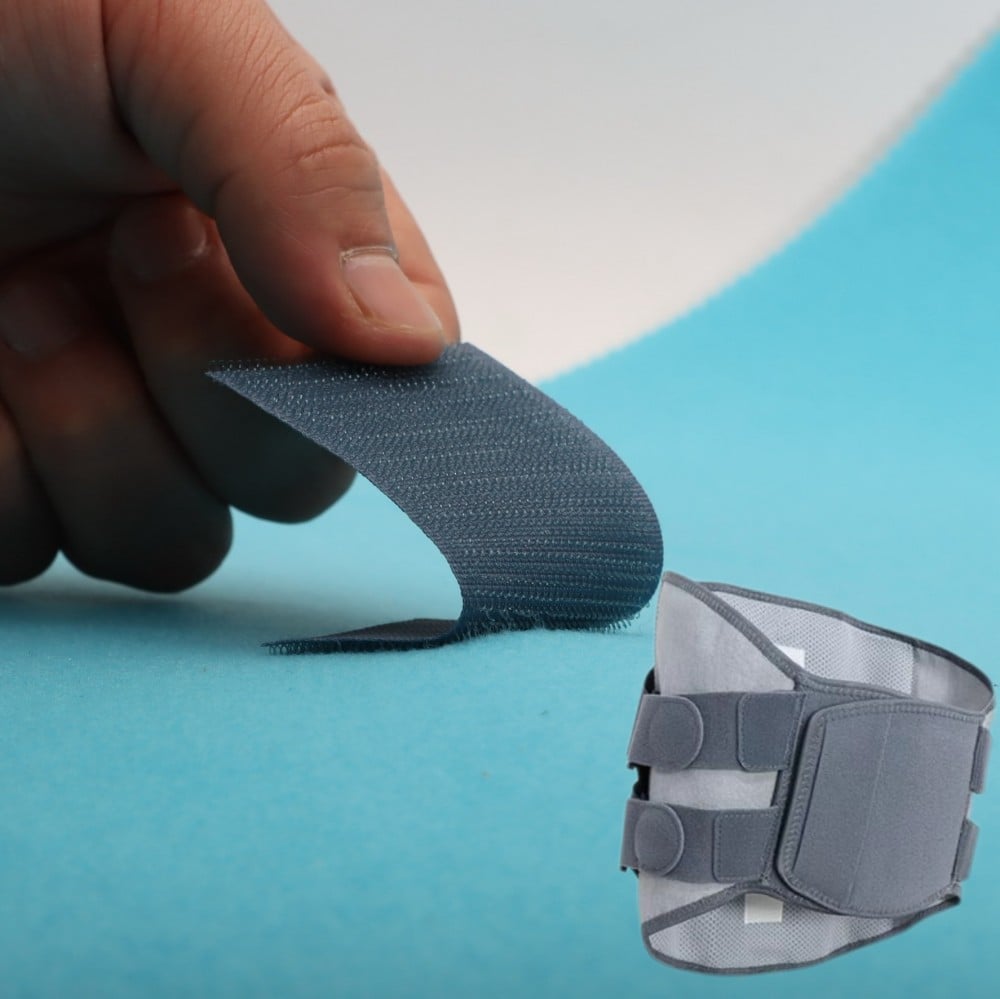
We supply laminated fabric materials, which the customer further cuts, sews, and processes into protective gear, support products, and related functional items.
The long-term material structure used in this project is:
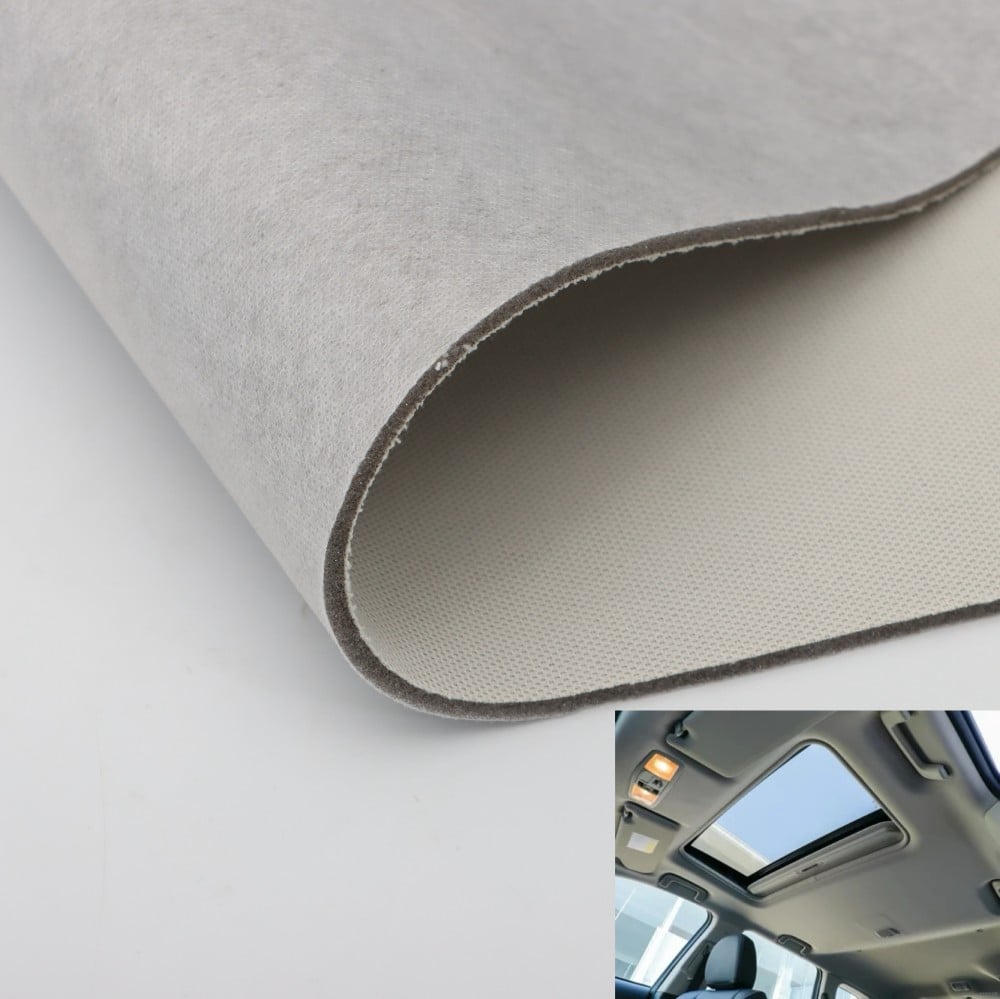
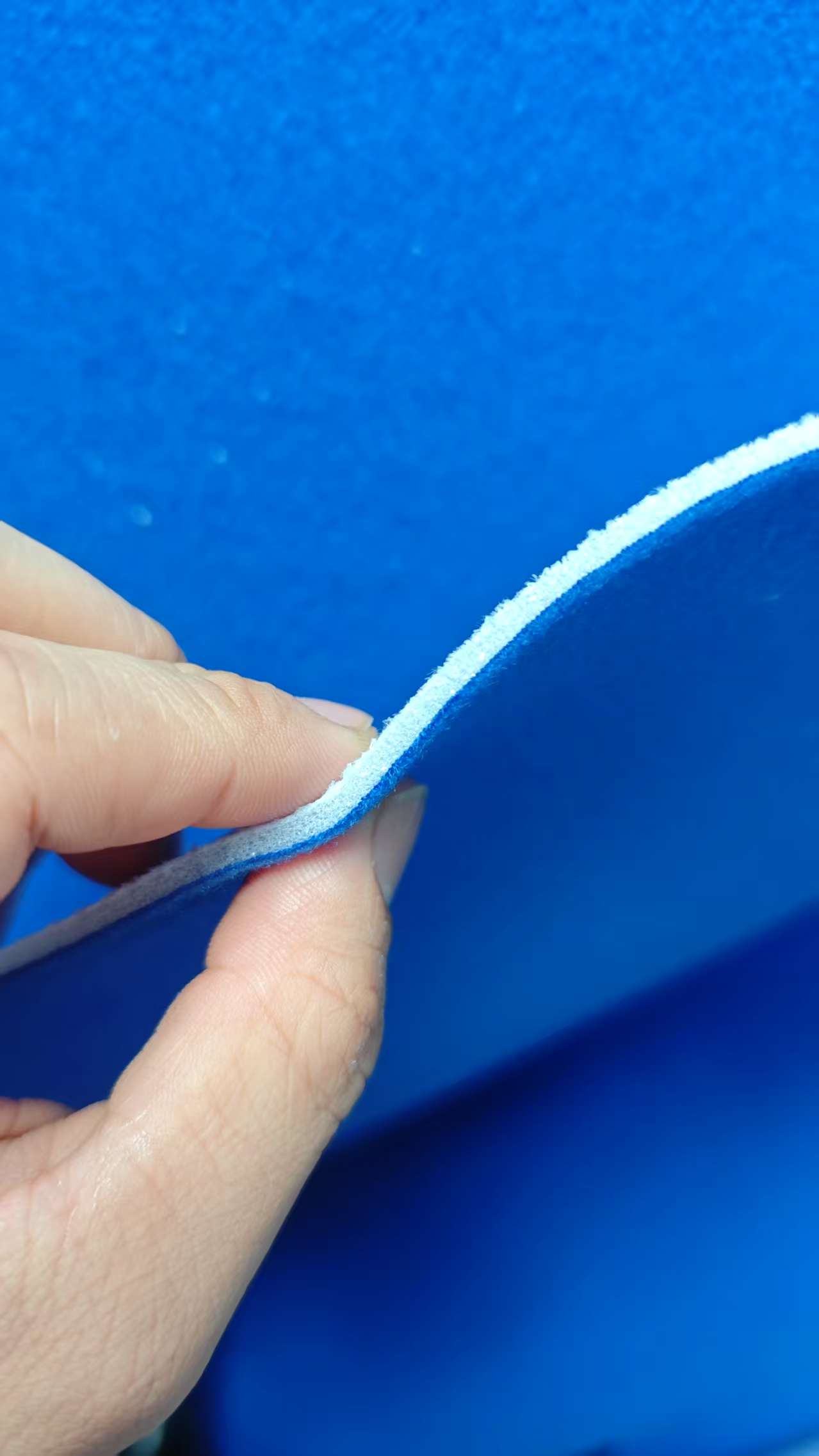
Custom Velvet fabric + foam + warp-knitted mesh
The customer is not simply buying a roll of blue fabric.
They need a material solution that feels comfortable against the body, works smoothly in later processing, and can be supplied consistently over time.
Project Snapshot
Item |
Details |
Customer Market |
United States |
Cooperation Period |
Around 5 years |
Final Application |
Protective gear, support products, and related functional items |
Material Structure |
Blue Velvet fabric + foam + warp-knitted mesh |
Main Customer Concerns |
Comfort, support, durability, and long-term consistency |
Our Scope |
Material preparation, lamination, roll handling, packaging protection, and logistics handover |
1. The Customer Needed More Than “Soft Fabric”
For protective gear, a soft surface is only the beginning.
The customer also needs to consider:
- Whether the surface feels comfortable against the body
- Whether the middle layer provides suitable cushioning and support
- Whether the backing remains stable for cutting, sewing, and later processing
- Whether color, hand feel, thickness, and overall condition can remain reasonably consistent from one order to the next
The customer’s biggest concern is not whether one roll looks good.
The bigger concern is discovering later that the hand feel has changed, the structure is less stable, cutting becomes more difficult, or different batches feel like different products.
That is why our long-term discussion is not limited to color. It is about the full material structure and how it performs in real production.
In long-term projects, no one wants every new batch to feel like a surprise box.
2. Why Velvet Fabric, Foam, and Warp-Knitted Mesh?
This material is not simply three layers placed together.
Each layer has a specific role.
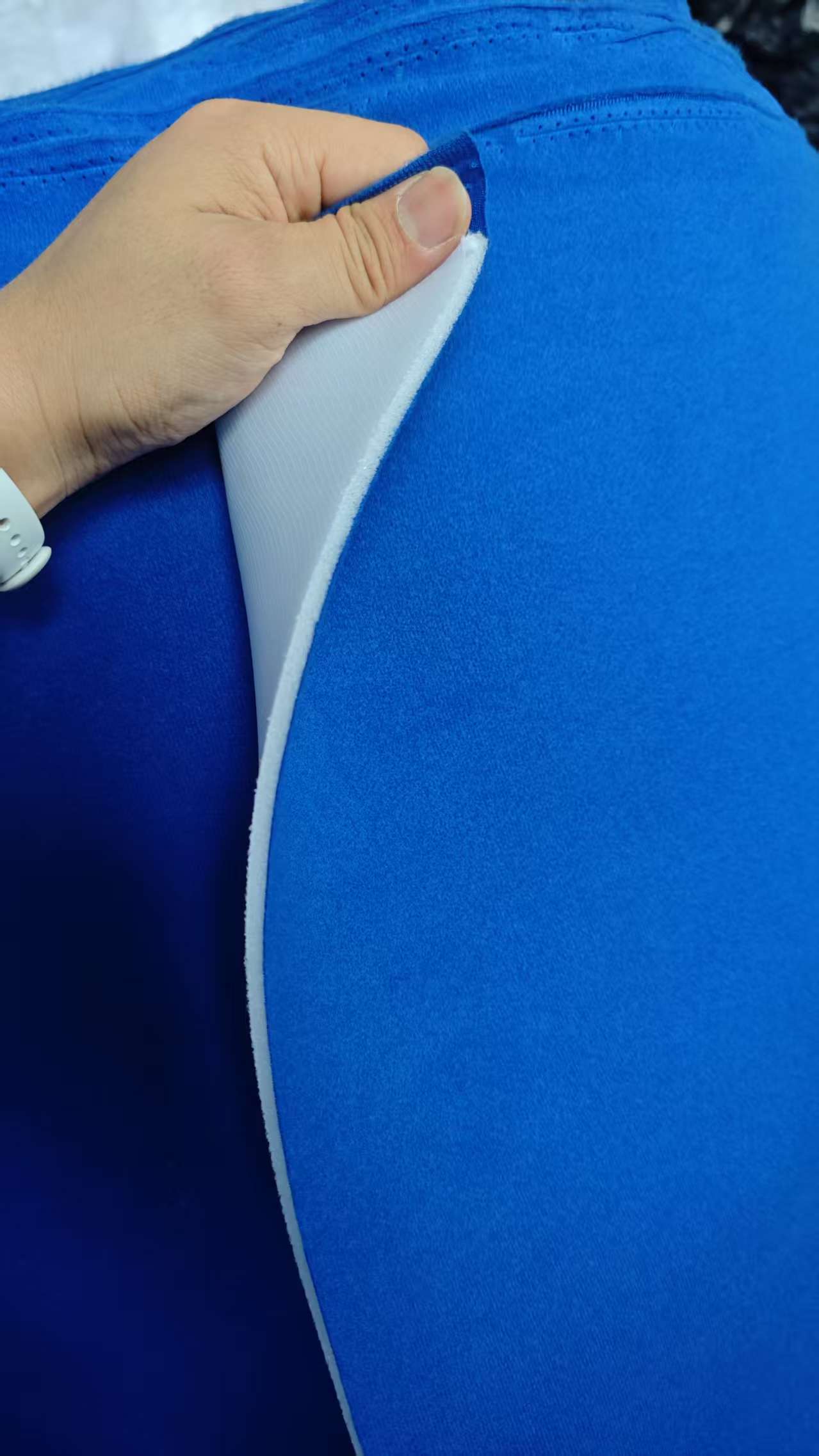
Velvet Fabric Surface
Provides a soft, comfortable touch and a clean appearance for body-contact applications.
Foam Middle Layer
Adds thickness, cushioning, and support, helping the material avoid feeling too thin or losing its structure too easily.
Warp-Knitted Mesh Backing
Helps improve backing stability and durability while making later cutting, sewing, and processing easier.
A simple way to describe the structure is:
The Velvet fabric makes it comfortable, the foam gives it support, and the mesh helps keep the structure stable.
The value of this construction is not the number of layers. It is how the layers work together during the customer’s later protective gear processing.
3. Long-Term Supply Is Not About Making the First Roll
By the fifth year of cooperation, the customer is no longer asking only:
“Can you make it this time?”
The more important question is:
“Can the next order, and the order after that, stay close to the standard we already approved?”
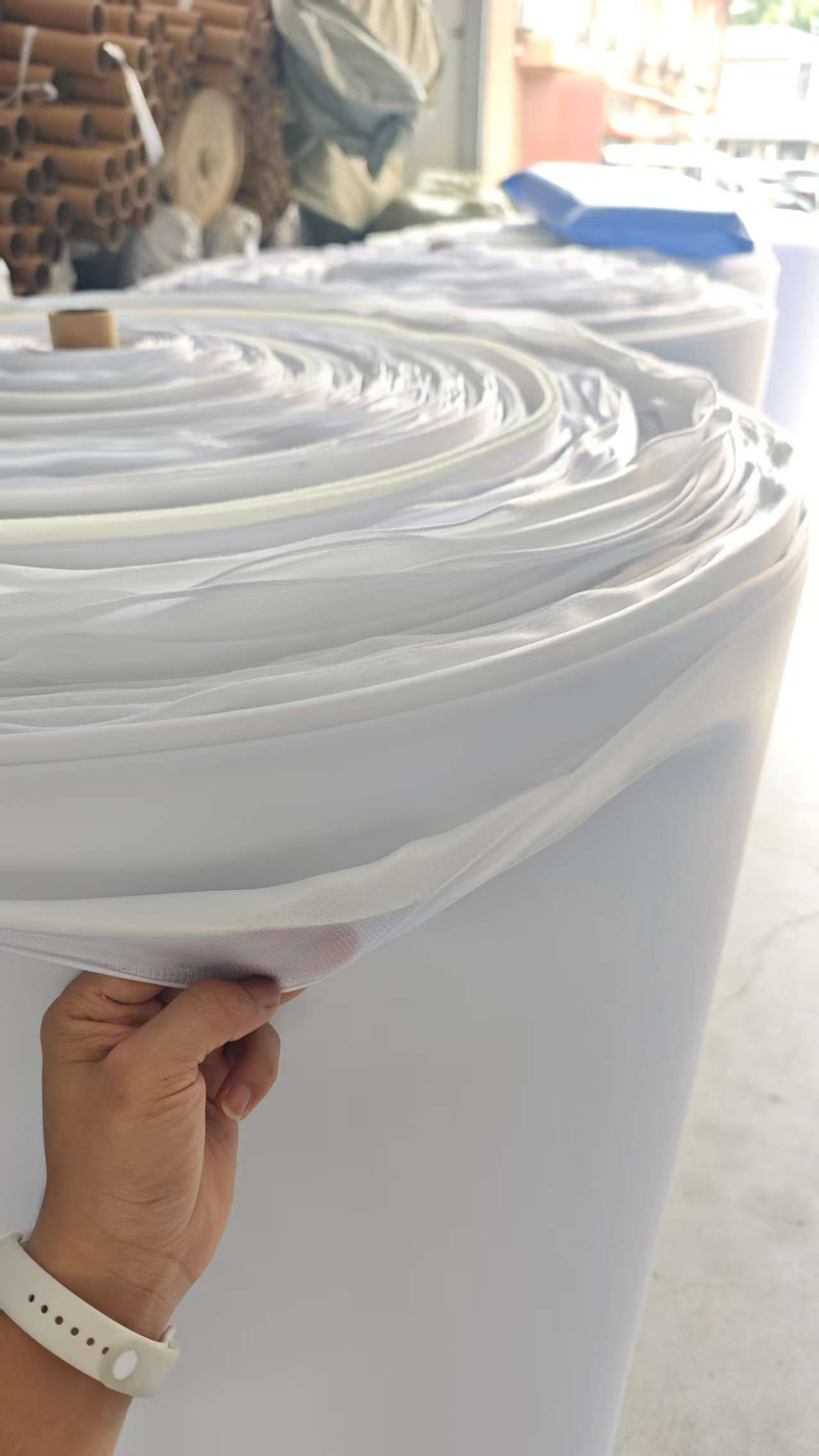
Before production, we prepare the Velvet fabric, foam, and warp-knitted mesh based on the customer’s confirmed color and material structure.
Before the materials enter the lamination process, we pay attention to surface condition, roll condition, and overall flatness so that each production run can follow the same direction as closely as possible.
Long-term cooperation is not proven by saying “stable quality.”
It is shown by repeatedly doing the basics well:
- Keeping colors reasonably consistent
- Maintaining the agreed structure
- Preserving a similar hand feel
- Helping the material move into later processing without unnecessary surprises
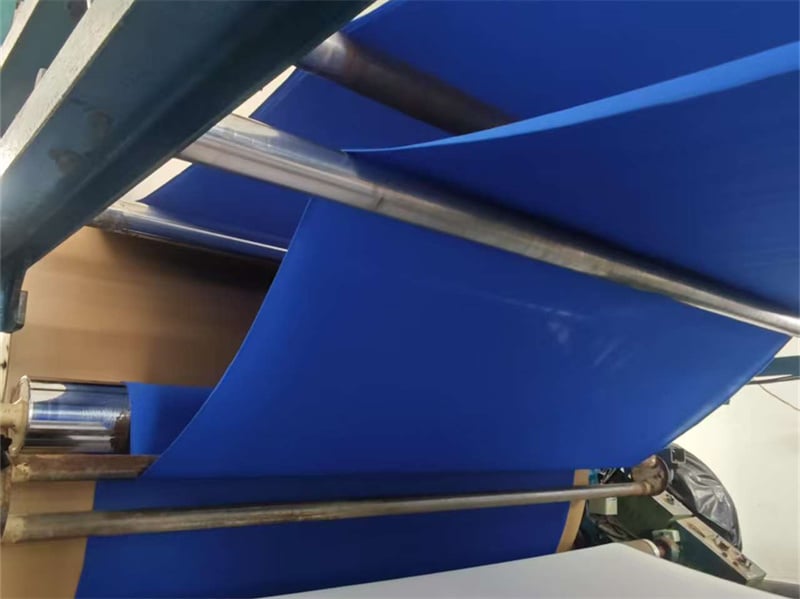
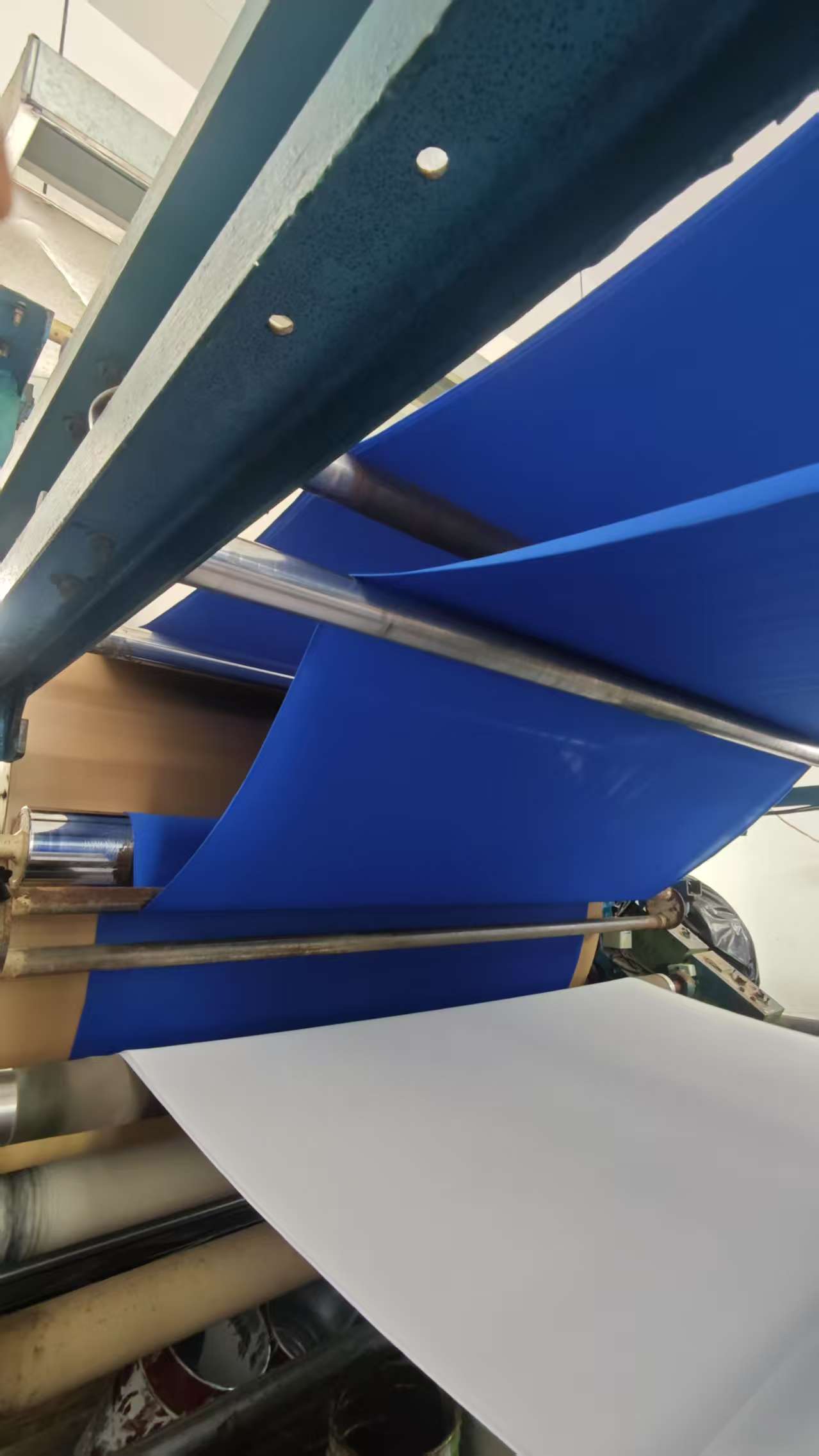
4. From Lamination to a Finished Roll
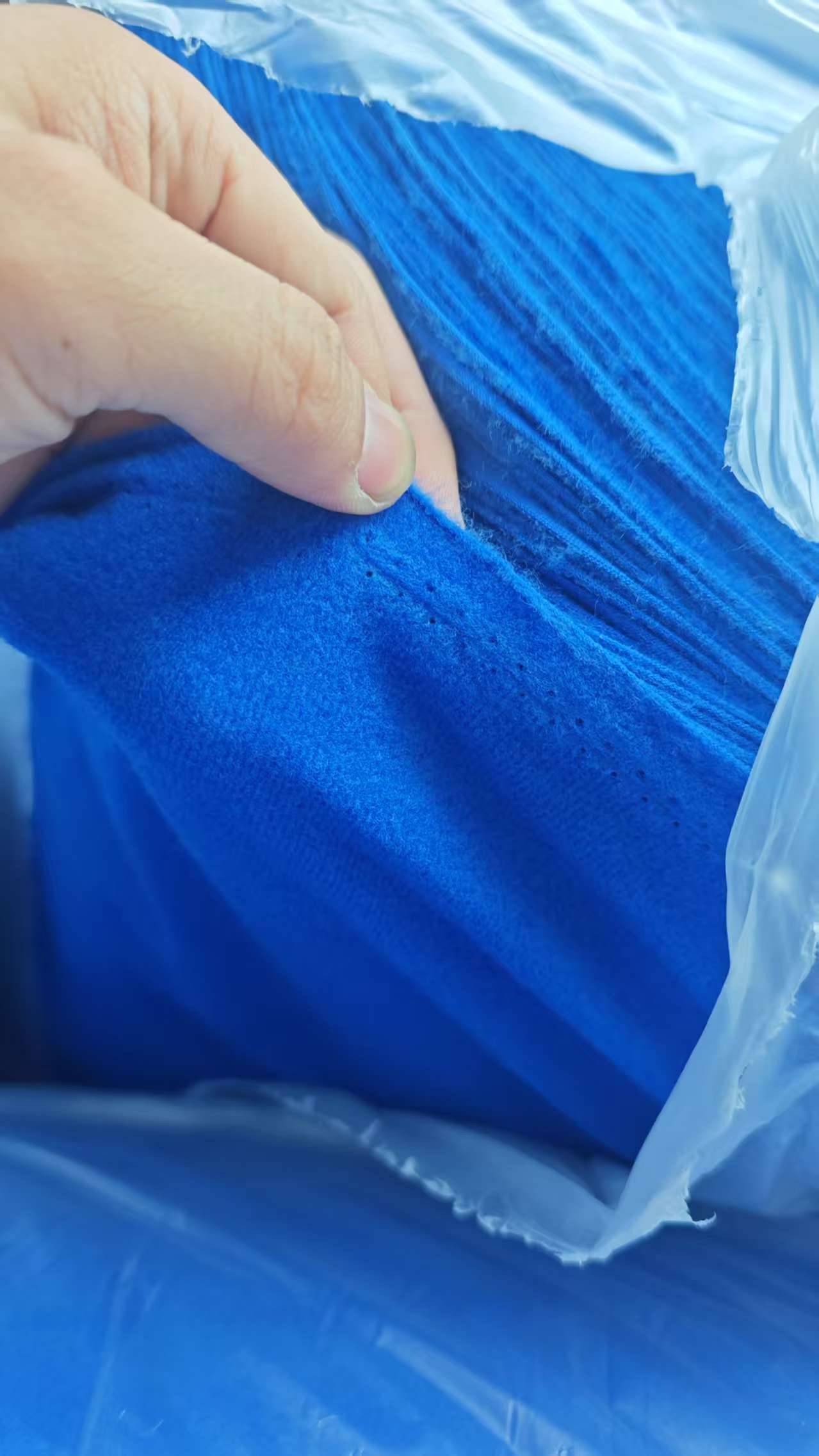
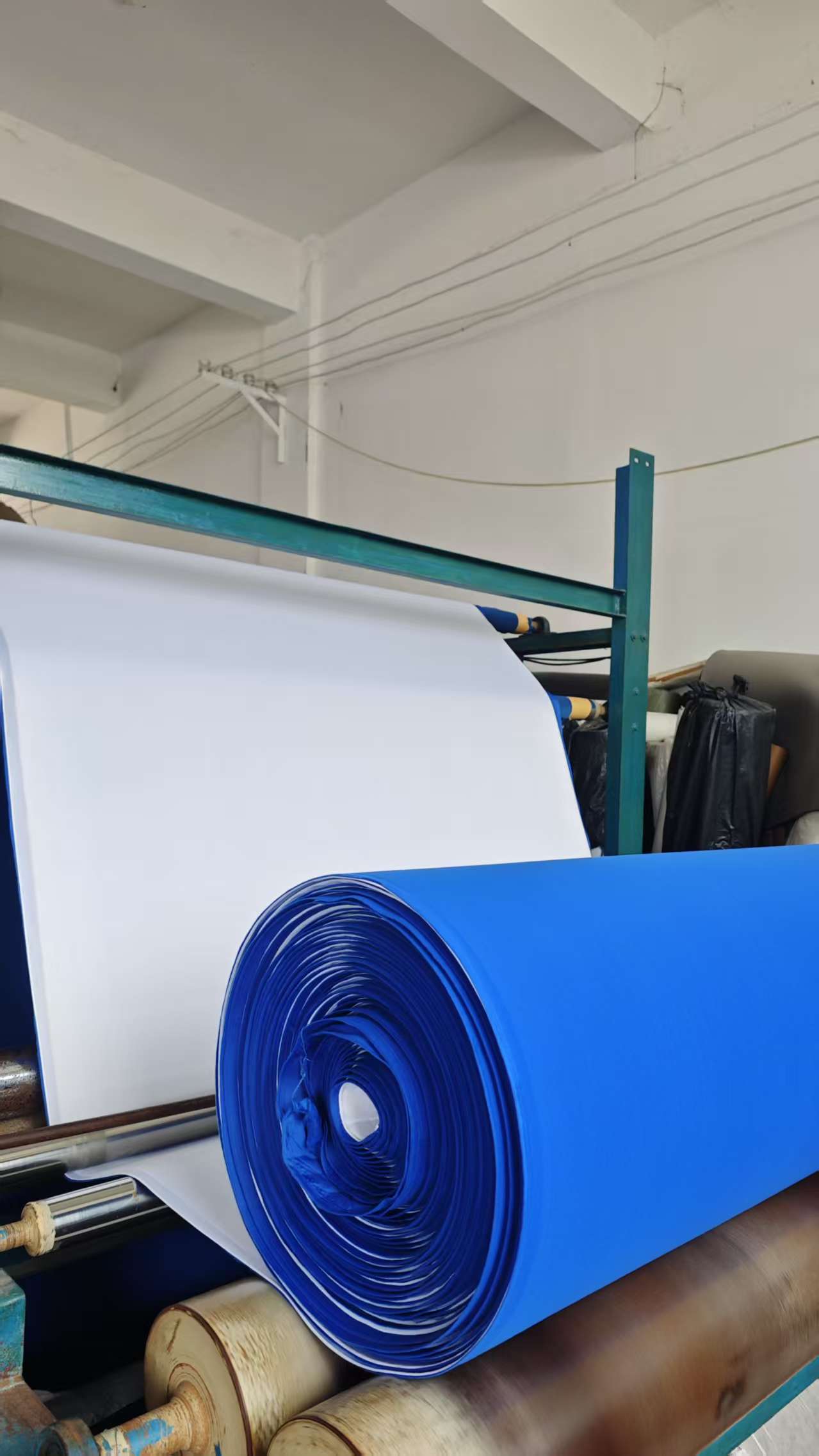
Once the Velvet fabric, foam, and warp-knitted mesh enter the production line, the goal is not simply to bond the layers together.
During lamination, we focus on:
- Whether the Velvet surface remains flat
- Whether the foam keeps suitable cushioning and support
- Whether the mesh backing bonds steadily
- Whether the overall hand feel remains balanced
- Whether the roll edges and roll condition are suitable for later processing
The value of a material is not only how it looks on the machine.
What matters more is whether it can move smoothly through the customer’s cutting, sewing, and protective gear production steps afterward.
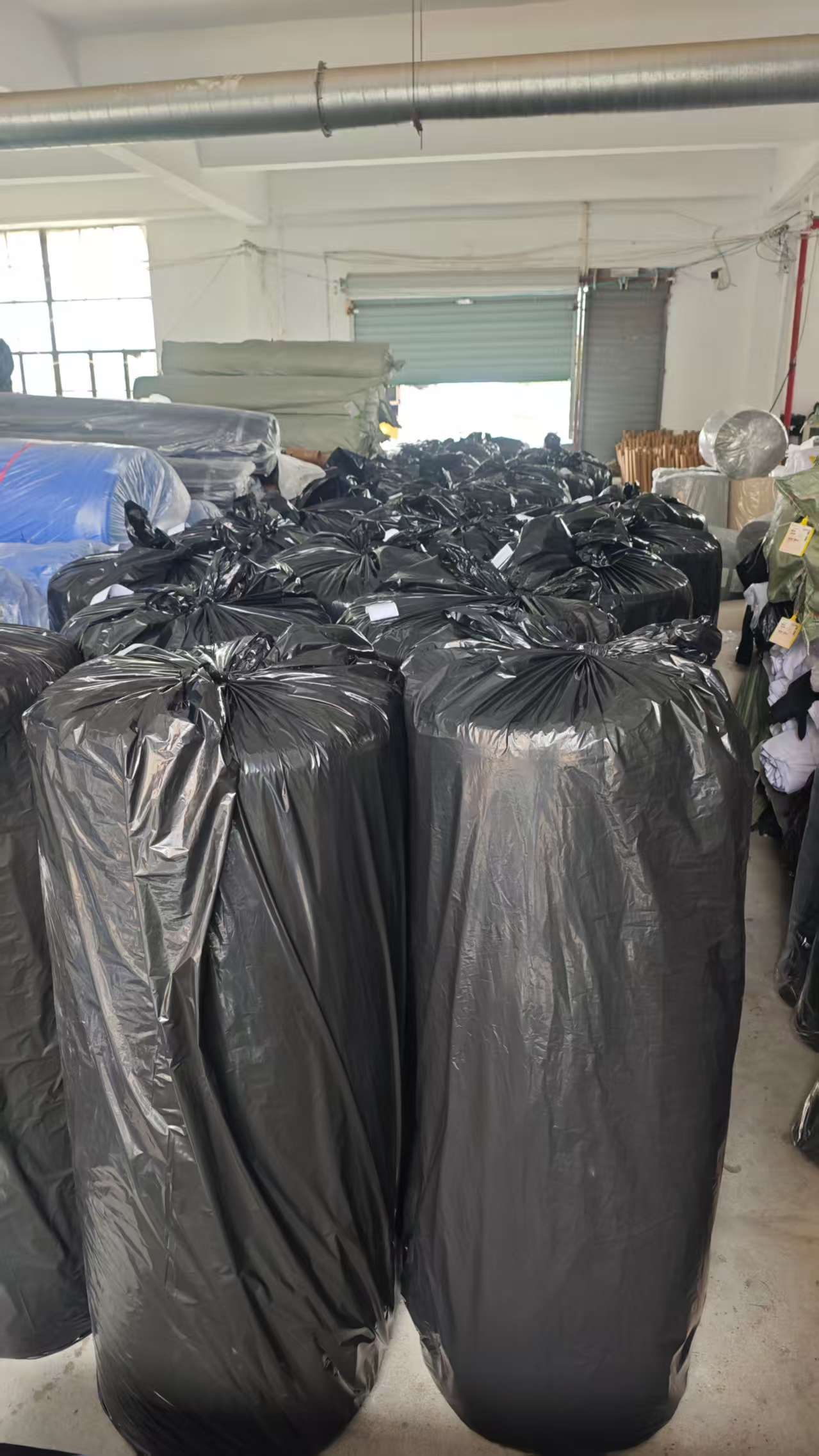
5. Finished Rolls and Packaging Protection
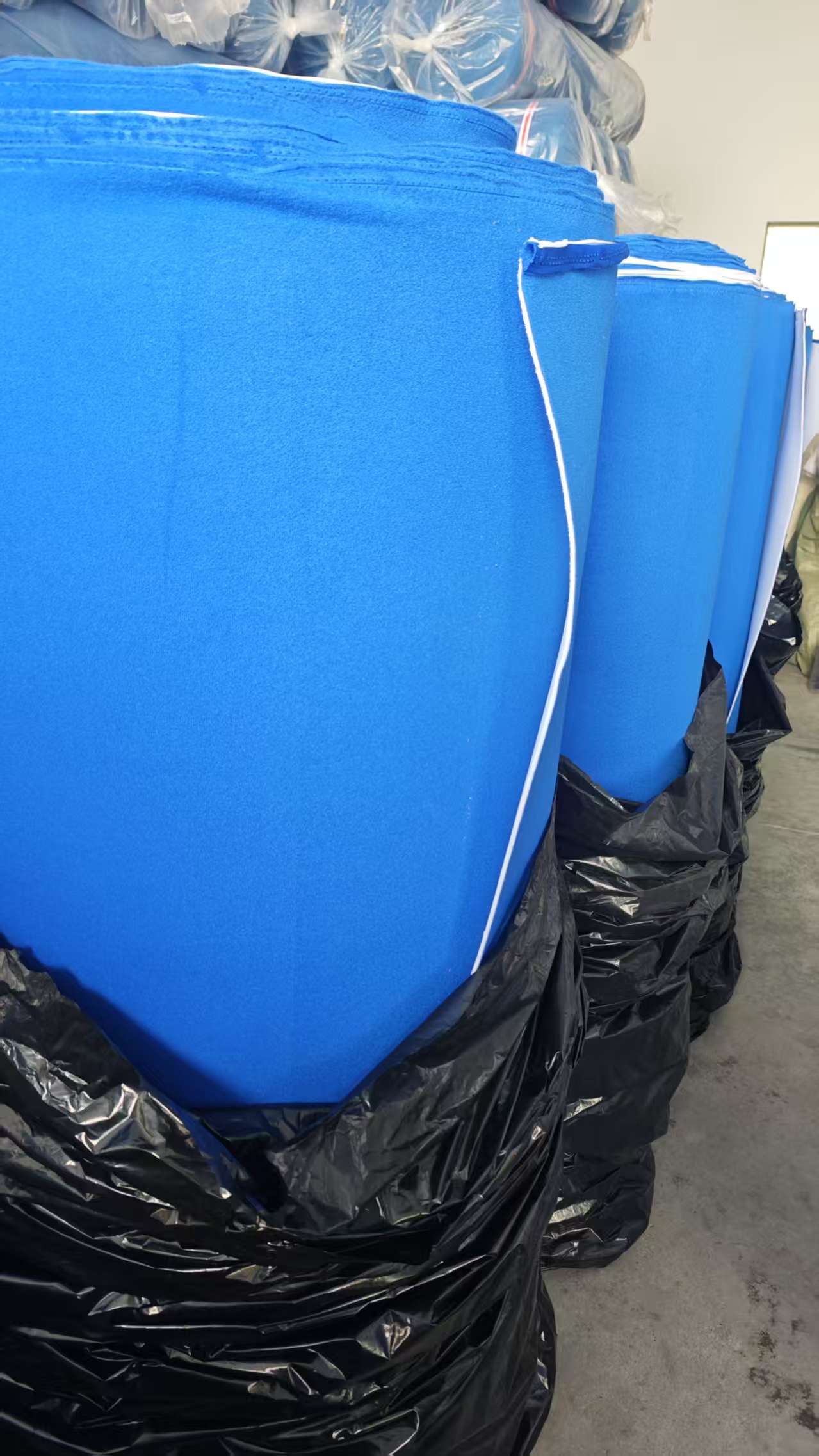
After lamination, the material is organized into finished rolls.
At this stage, we check roll condition, surface appearance, and overall presentation before the goods move into packaging and transportation.
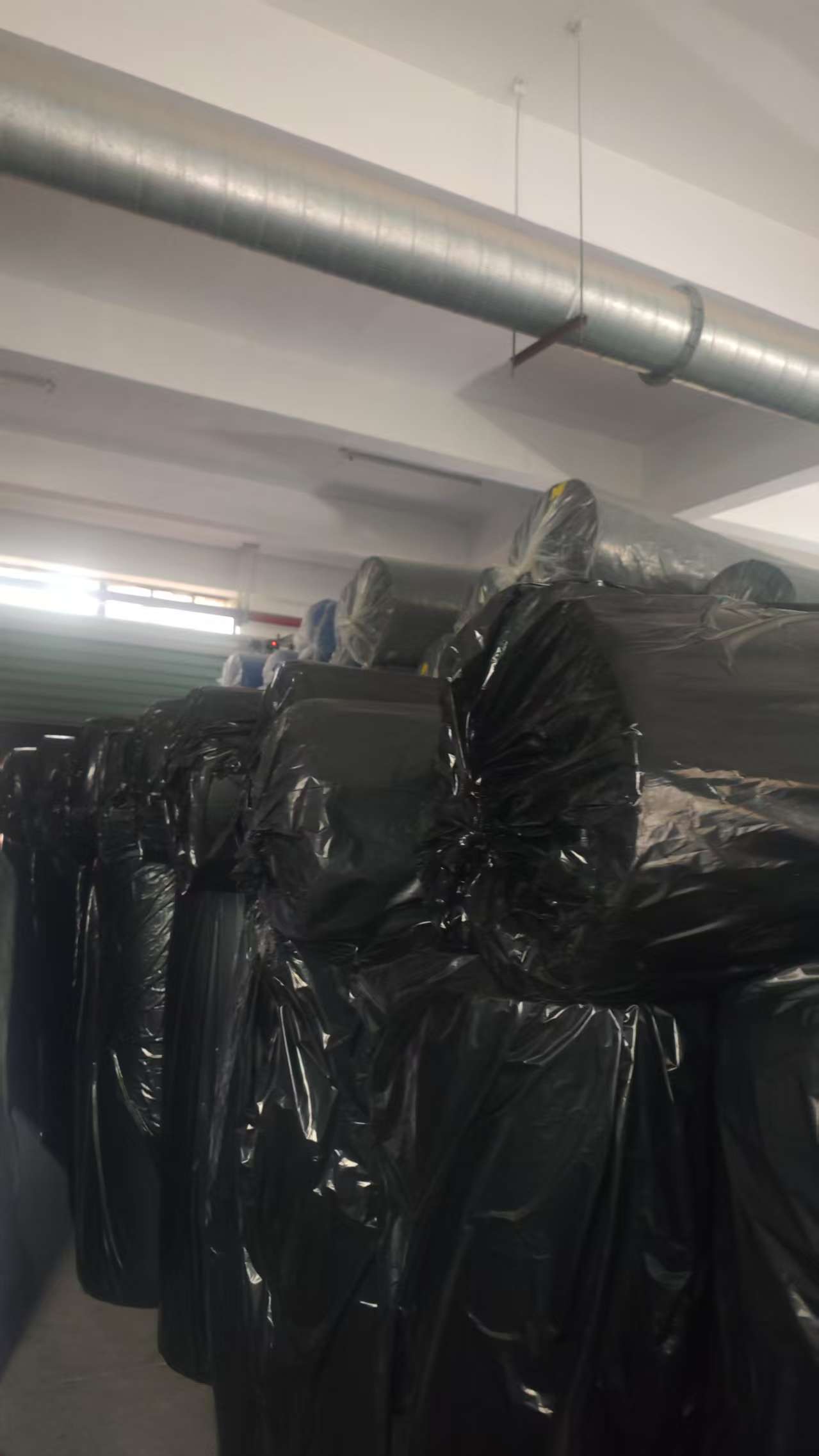
For foam laminated materials, packaging is more than simply putting a bag around a roll.
It is part of protecting the surface, foam structure, and roll condition from dust, friction, pressure, and outer-package damage during the next stage of logistics.
6. From the Workshop to the Logistics Chain
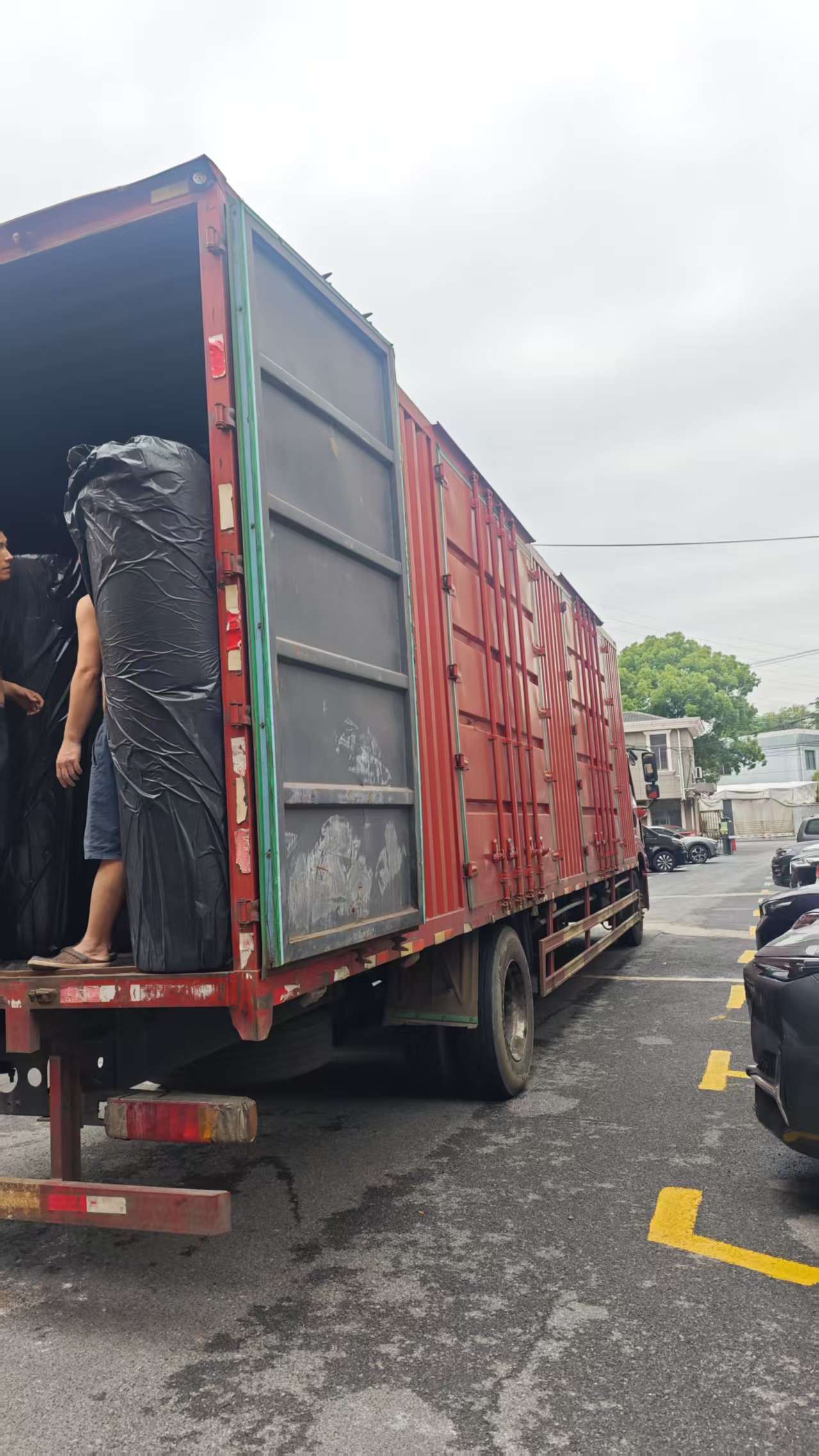
After packaging, the finished rolls move into loading and dispatch.
We coordinate with the logistics channel arranged by the customer, complete on-site loading and handover records, and ensure the goods enter the customer’s logistics and subsequent export transportation process.
For us, production is only one part of the project.
The delivery step is not truly complete until the materials have safely entered the logistics route arranged by the customer.
7. Why Has This Customer Continued Working with Us for Five Years?
A five-year partnership does not happen because one batch happened to turn out well.
It continues because the customer needs a supplier that understands the material structure, follows the agreed production direction, supports later processing, and completes delivery consistently.
Over the years, the work has been simple in principle, but important in practice:
- Prepare materials according to the confirmed structure
- Complete lamination in line with the agreed direction
- Organize finished rolls properly
- Apply protective packaging
- Hand over the materials to the customer’s arranged logistics channel
These steps may not sound dramatic.
But for a long-term protective gear project, consistency itself is a meaningful capability.
Final Thoughts
For long-term protective gear projects, making one good roll is not enough. The real value is making each batch as consistent as possible.
We do not simply supply Velvet blue fabric laminated with foam.
We help customers build more stable material solutions, support smoother downstream processing, and make each delivery easier to manage.
The surface can be soft.
The structure still needs to be reliable.
Developing Protective Gear or Support Products?
Please share:
- Final product application
- Target color
- Required thickness
- Expectations for hand feel, support, and durability
- Your cutting, sewing, or later processing method
We can start with the material structure, help clarify the right direction, and then move forward with samples and production.
Table of Contents
- How We Support a U.S. Customer with Stable Laminated Fabric Supply
- Project Snapshot
- 1. The Customer Needed More Than “Soft Fabric”
- 2. Why Velvet Fabric, Foam, and Warp-Knitted Mesh?
- 3. Long-Term Supply Is Not About Making the First Roll
- 4. From Lamination to a Finished Roll
- 5. Finished Rolls and Packaging Protection
- 6. From the Workshop to the Logistics Chain
- 7. Why Has This Customer Continued Working with Us for Five Years?
- Final Thoughts
- Developing Protective Gear or Support Products?