EN
EN



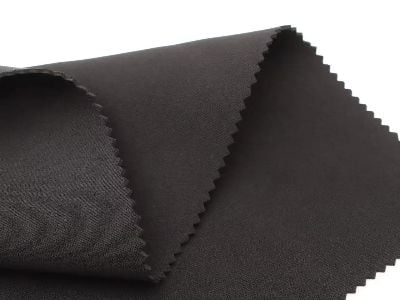
Waterproof neoprene fabric is a special material that has many great uses. It is made from synthetic rubber and is known for its ability to keep water out. This makes it a popular choice for different products, like wetsuits, bags, and even outdoor gear. Neoprene is flexible and comfortable, which means it can be used for many activities. At Dongyao, we focus on creating high-quality waterproof neoprene fabric that meets the needs of our customers. It is important to know why this material is so useful and how to choose the best quality for your needs.
Specifications to Consider for Waterproof Neoprene Fabric Quality
When looking for waterproof neoprene fabric, there are some key specifications to keep in mind. First, you should consider the thickness of the fabric. Thicker neoprene provides more insulation and protection against water. For example, if you are making a wetsuit, a thickness of 3mm to 5mm is often used for colder waters. However, lighter thickness might be better for warmer environments. Another important factor is the density of the neoprene. Higher density neoprene is usually more durable and resistant to wear and tear. It can last longer, even with regular use.
Next, think about the texture of the fabric. Some neoprene is smooth, which can be more comfortable against the skin. Other types may have a textured surface, which can provide better grip, especially for things like straps and handles. You also want to check how the neoprene is bonded. Glued seams can be waterproof, but stitching might allow some water to seep through. At Dongyao, we use advanced methods to ensure that our seams are strong and waterproof.
Lastly, consider the color and style. While this may seem less important, the right color can affect heat absorption. Dark colors absorb more heat than light colors, which can be beneficial in cooler weather. Additionally, make sure to ask about any certifications or standards the neoprene meets. This can include environmental standards or safety requirements. Knowing these details can help you make a better choice and ensure you get a product that works well.
Comparing Waterproof Neoprene Fabric with Other Materials
Waterproof neoprene fabric is often compared to other materials like PVC, nylon, and rubber. Each material has its strengths and weaknesses. For instance, PVC is cheaper but not as flexible as neoprene. It can crack over time, especially in cold conditions. Neoprene, on the other hand, stays flexible and holds up well. This makes it a better choice for items that need to stretch, like wetsuits.
Nylon is another common material used for waterproof products. It is lightweight and can be made water-resistant, but it may not fully keep water out like neoprene does. Neoprene, however, is designed to be fully waterproof. This means that when you are in water, you can trust that neoprene will keep you dry.
Rubber is also used for waterproofing, but it can be heavy and not as comfortable to wear. Neoprene strikes a balance by being lightweight while still providing great protection. At Dongyao, we believe that neoprene is one of the best materials for waterproof applications due to its comfort and durability. Whether you are looking for outdoor gear or protective clothing, neoprene often comes out on top compared to these other materials.
In summary, waterproof neoprene fabric is a smart choice for many products. It is durable, flexible, and fully waterproof, making it perfect for a variety of uses. By understanding its specifications and how it compares to other materials, you can make informed decisions for your projects. At Dongyao, we are proud to provide high-quality neoprene Foam Fabric that meets the needs of our customers in different industries.
Cost Factors to Evaluate When Purchasing Waterproof Neoprene Fabric
When thinking about buying waterproof neoprene fabric, it's important to consider how much it will cost. This fabric can be used for many things, like making wetsuits, bags, and other outdoor gear. One of the first things to think about is the price per yard or meter. Prices can change based on where you buy the fabric and how much you need. If you only need a little bit of fabric for a small project, it might cost more per yard compared to buying a large roll. This is something to keep in mind when making your plans.
Next, you should think about the quality of the neoprene fabric. Higher quality fabric may cost more, but it can also last longer and perform better in water. Dongyao offers high-quality waterproof neoprene fabric that is great for many purposes like Sports Protective Fabric. Sometimes, spending a little more money on better fabric can save you money in the long run because you won’t need to replace it as often. Additionally, consider the shipping costs. If you live far from the store or the company, shipping can add to the total cost. Some companies may offer free shipping if you order a certain amount, so it's smart to check for any deals.
Another factor to think about is the type of waterproof neoprene fabric you need. There are different kinds, such as those that are thicker or thinner, and each type can have a different price. If you’re making something that needs to keep you warm, like a wetsuit, you might want thicker fabric, which can be more expensive. On the other hand, if you’re making a lightweight bag, thinner fabric could be a better choice. Lastly, don’t forget about the tools and supplies you might need when working with the fabric. You may need special sewing tools or adhesives that can also add to the overall cost. By considering all these factors, you can make a smart choice when purchasing waterproof neoprene fabric.
Solutions to Common Problems with Waterproof Neoprene Fabric
Sometimes, when using waterproof neoprene fabric, people face a few common problems. One of these problems is that the fabric can stick together when it is wet. This can make it difficult to work with, especially when sewing or cutting the fabric. A good solution to this is to use a non-stick sewing foot or to place a piece of tissue paper between the fabric layers while sewing. This helps to keep the fabric from sticking and makes the sewing process easier.
Another problem is that neoprene can sometimes smell bad, especially when it is new. This smell can be from the chemicals used in making the fabric. To help with this, you can wash the neoprene fabric before using it. Make sure to follow the washing instructions carefully. Using mild soap and cold water is usually best. After washing, hang the fabric outside to dry. Fresh air can help remove bad smells and make the neoprene pleasant to use.
Some people might find that the fabric can be hard to cut accurately. This can lead to mistakes when making projects, like bags or clothing. To solve this, try using sharp scissors or a rotary cutter to get clean edges. It can also help to use a cutting mat to protect your surfaces and make cutting easier. If you’re worried about making mistakes, you can practice cutting on a scrap piece of neoprene first.
Lastly, neoprene can be a little tricky to glue because it needs special adhesives that work well with the material. Make sure you use a strong neoprene adhesive if you need to glue pieces together. Following the instructions on the glue carefully will help ensure that your projects hold together well. By knowing these common problems and their solutions, using waterproof neoprene Composite foam fabric can be a lot easier and more fun.
Understanding Waterproof Neoprene Fabric Properties
Waterproof neoprene fabric is a special type of material that has many great properties. First, it is known for being very good at keeping water out. This makes it perfect for things like wetsuits, where staying dry is very important. Neoprene is made from a type of rubber that is thick and flexible, which helps create a barrier against water. This means that when you wear a wetsuit made from neoprene, you can enjoy water activities without getting soaked.
Another important property of neoprene is its insulation. This means that it can help keep you warm even when you are in cold water. The fabric traps a thin layer of water between the neoprene and your skin. This water warms up from your body heat, creating a cozy layer that helps keep you warm. That’s why neoprene is often used in cold water sports. Dongyao’s waterproof neoprene fabric is designed to provide excellent insulation, making it a great choice for outdoor adventures.
Neoprene is also very durable, which is another great quality. It can resist tears and wears, making it last longer than many other fabrics. This means that when you buy neoprene fabric from Dongyao, you’re getting a material that can handle tough conditions without falling apart. Whether you are using it for outdoor gear or crafts, its strength is a big plus. Additionally, neoprene is flexible, so it can stretch without breaking. This is important for items like wetsuits that need to fit snugly.
Table of Contents
- Specifications to Consider for Waterproof Neoprene Fabric Quality
- Comparing Waterproof Neoprene Fabric with Other Materials
- Cost Factors to Evaluate When Purchasing Waterproof Neoprene Fabric
- Solutions to Common Problems with Waterproof Neoprene Fabric
- Understanding Waterproof Neoprene Fabric Properties