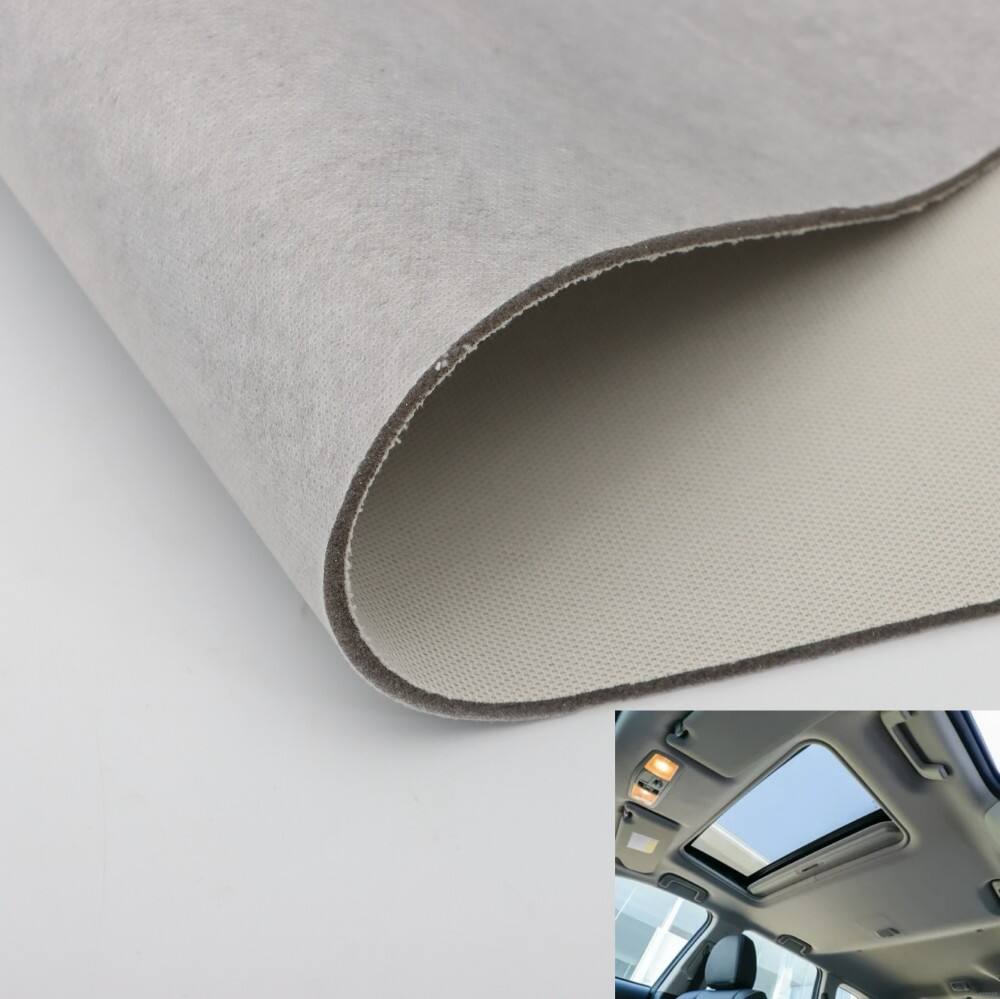
High-Performance Thermal Insulating Nonwoven Foam Fabric: Advanced Temperature Control Solution

Get a Free Quote

Our representative will contact you soon.
Email
Name
Company Name
WhatsApp/Mobile
Products
Please select your interested products
Message
0/1000

thermal insulating nonwoven foam fabric

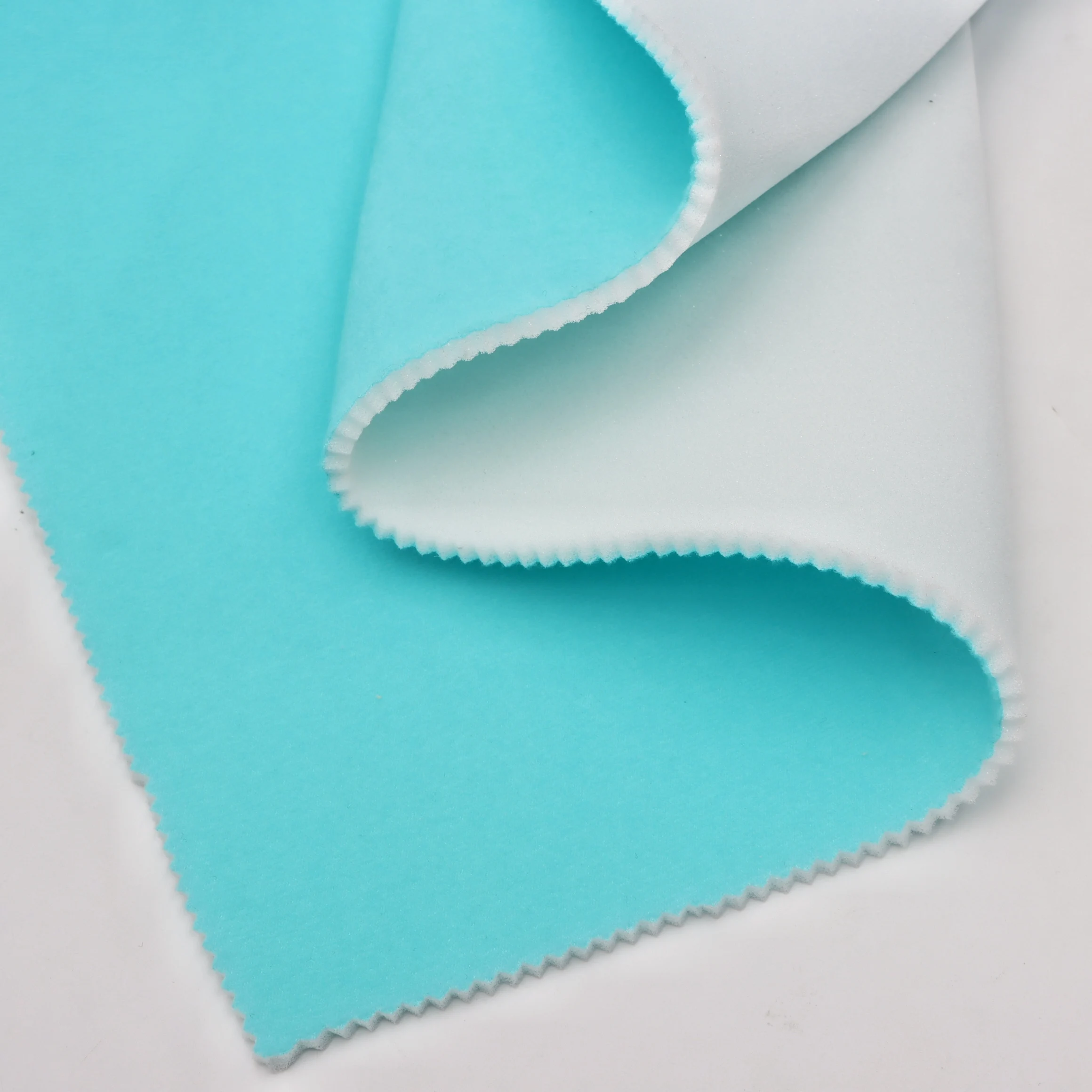
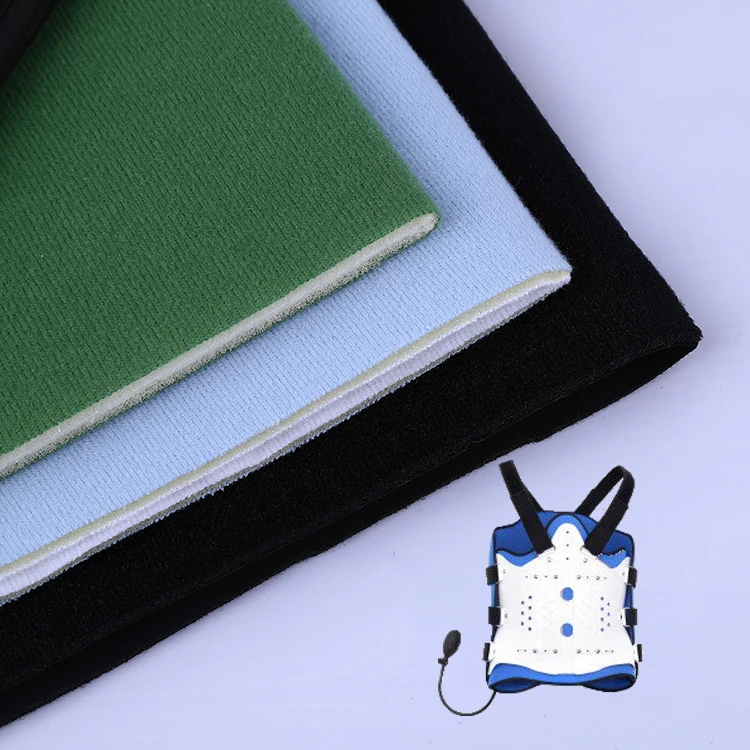
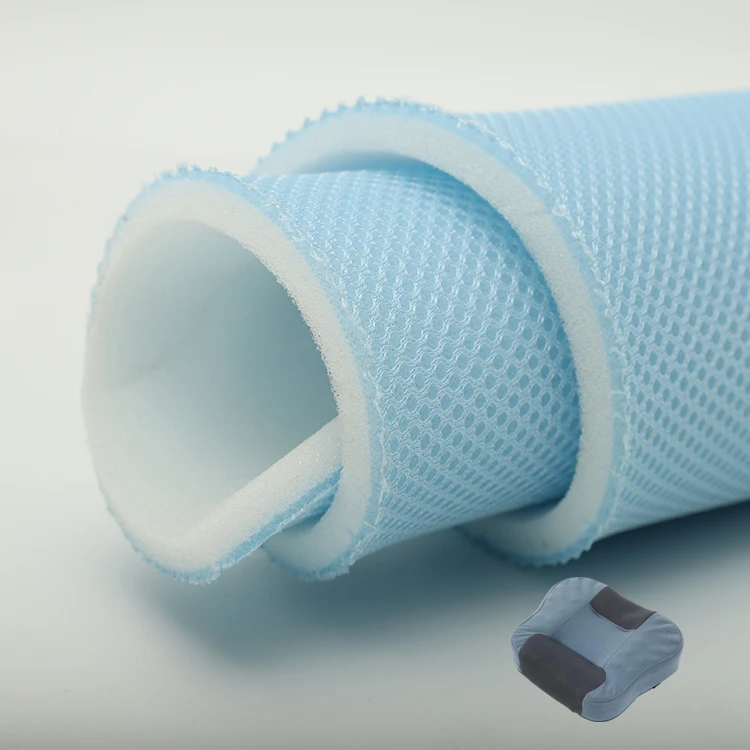
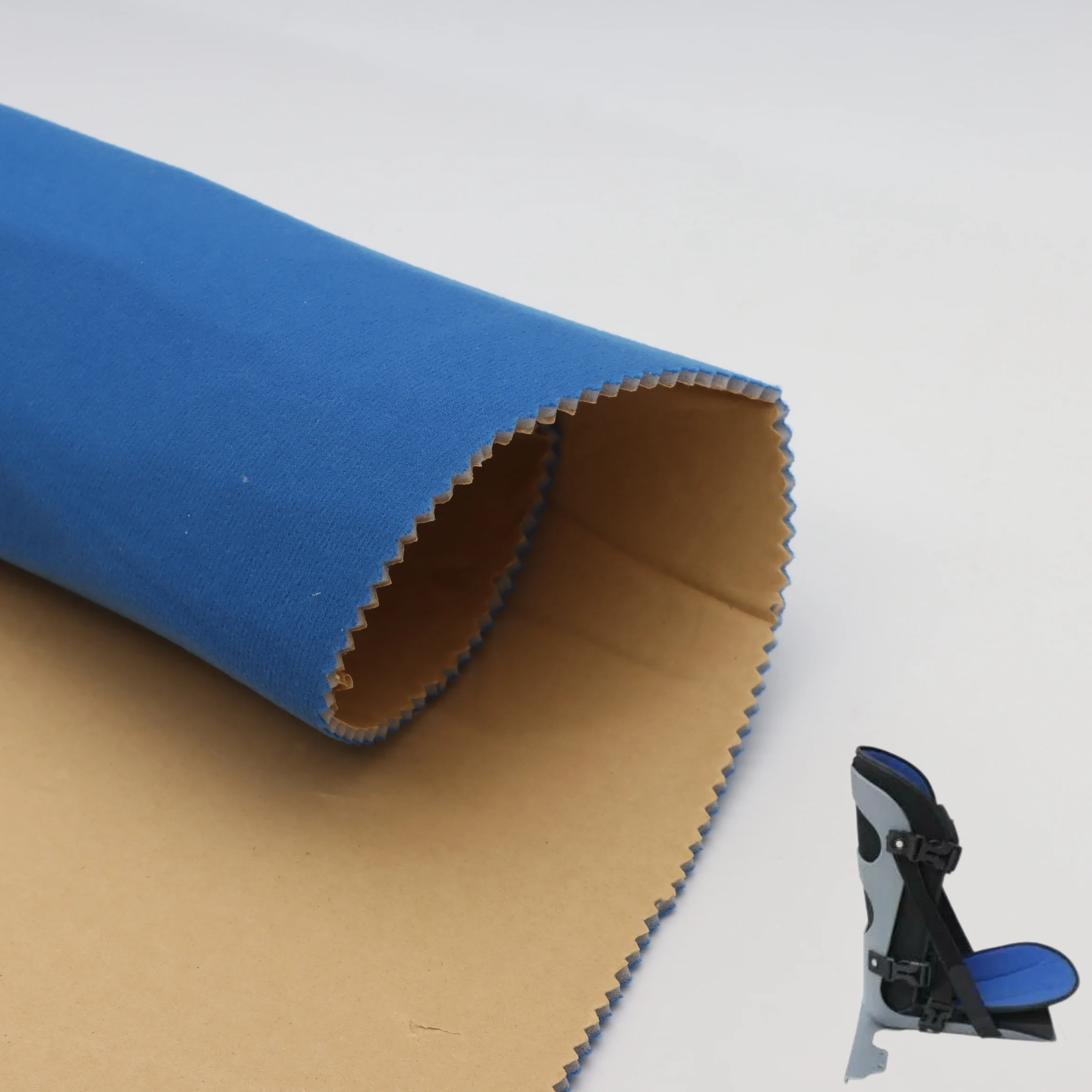
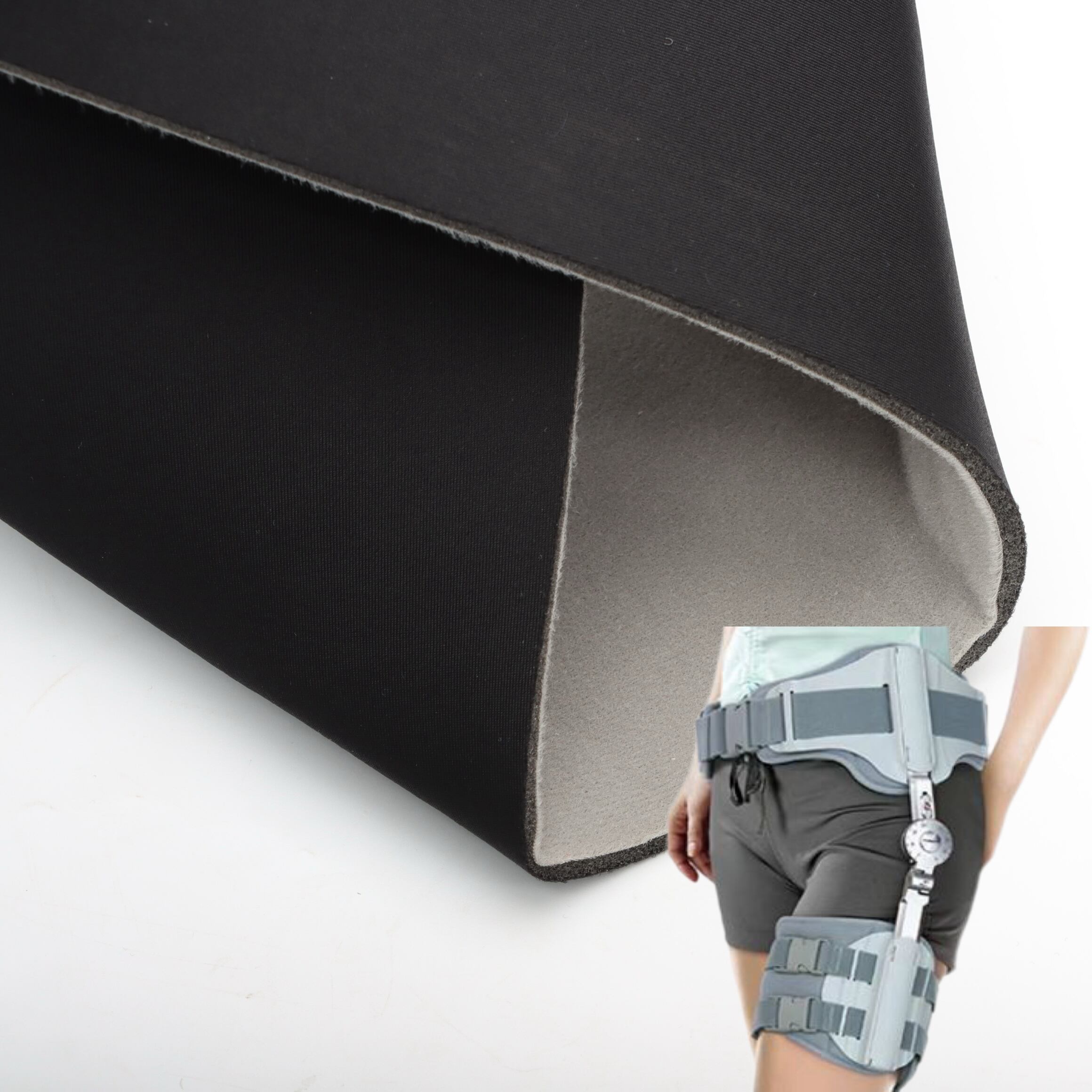
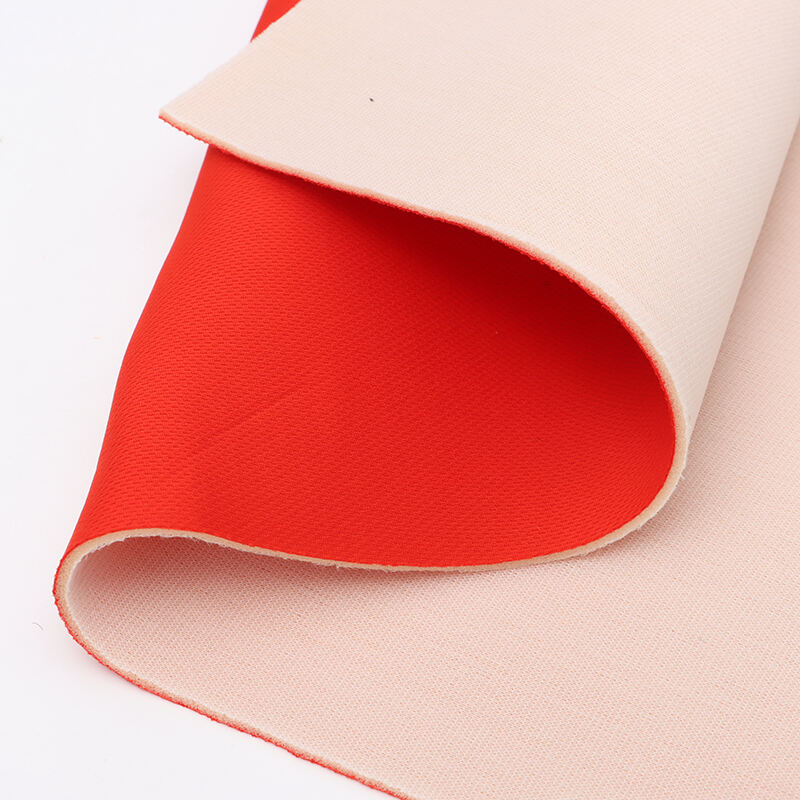
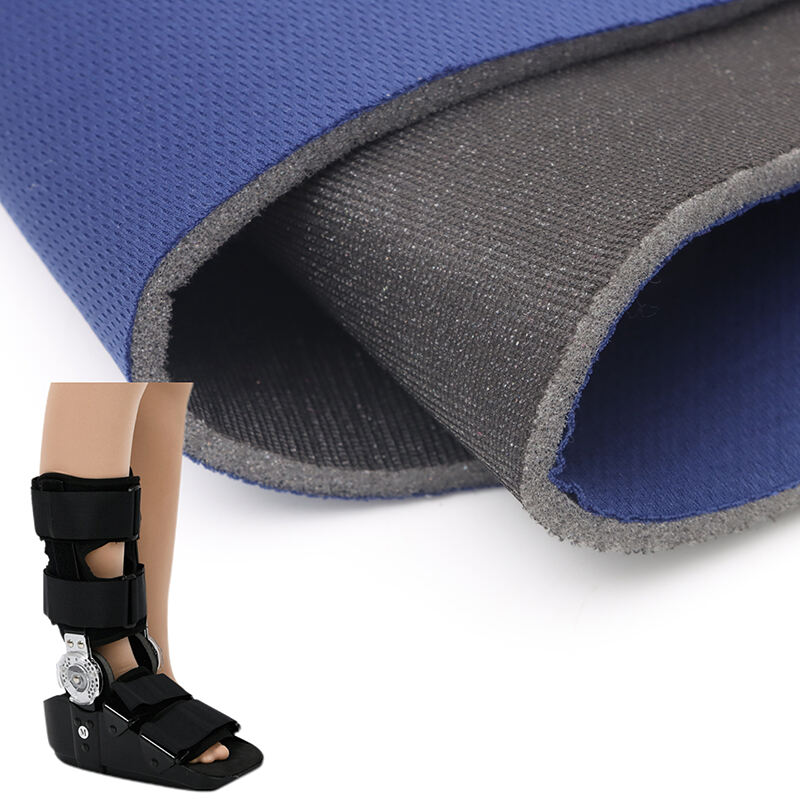
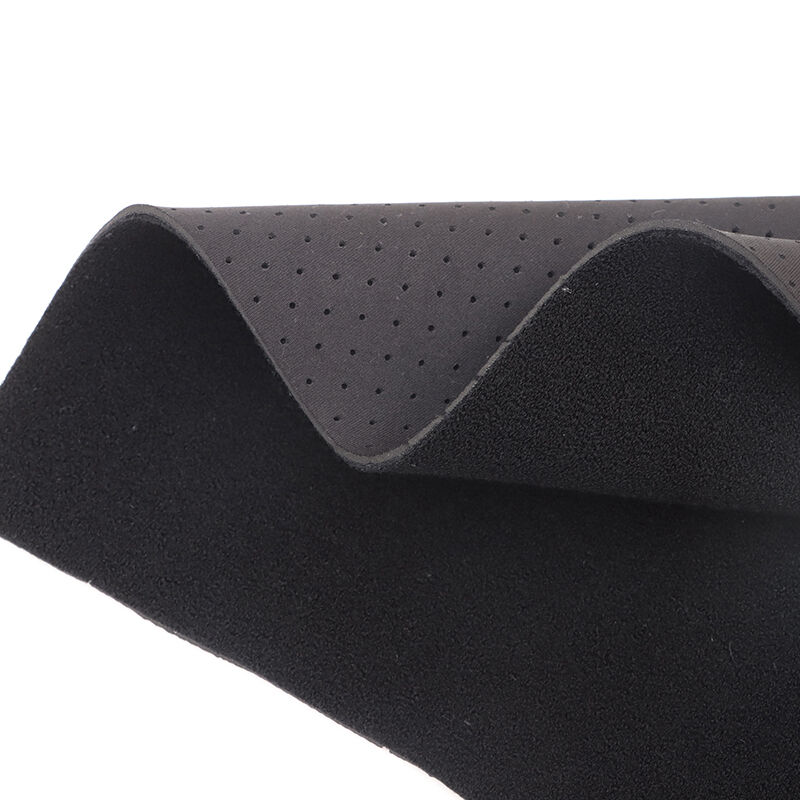
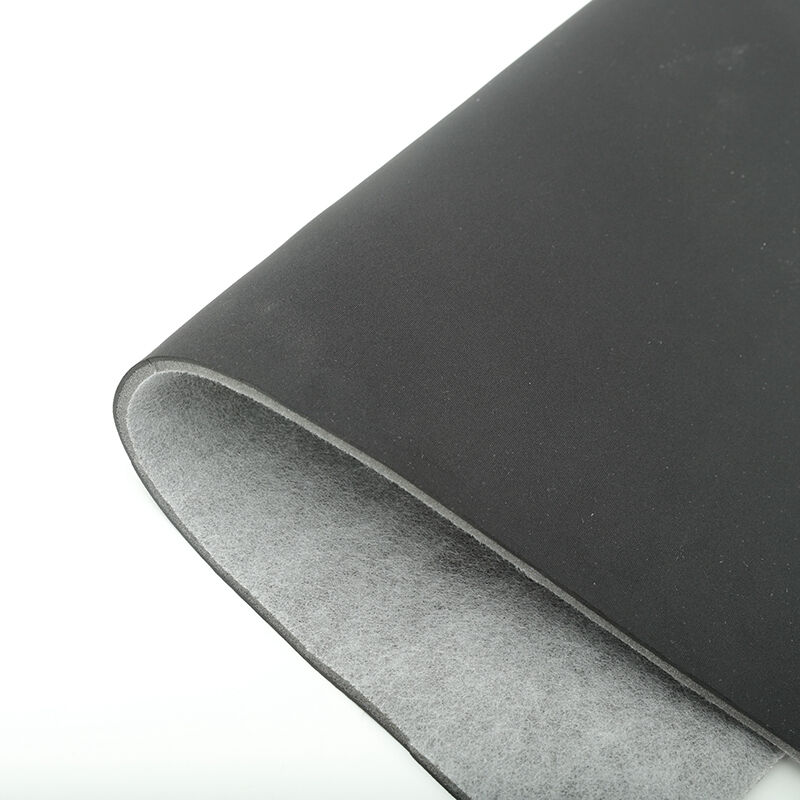
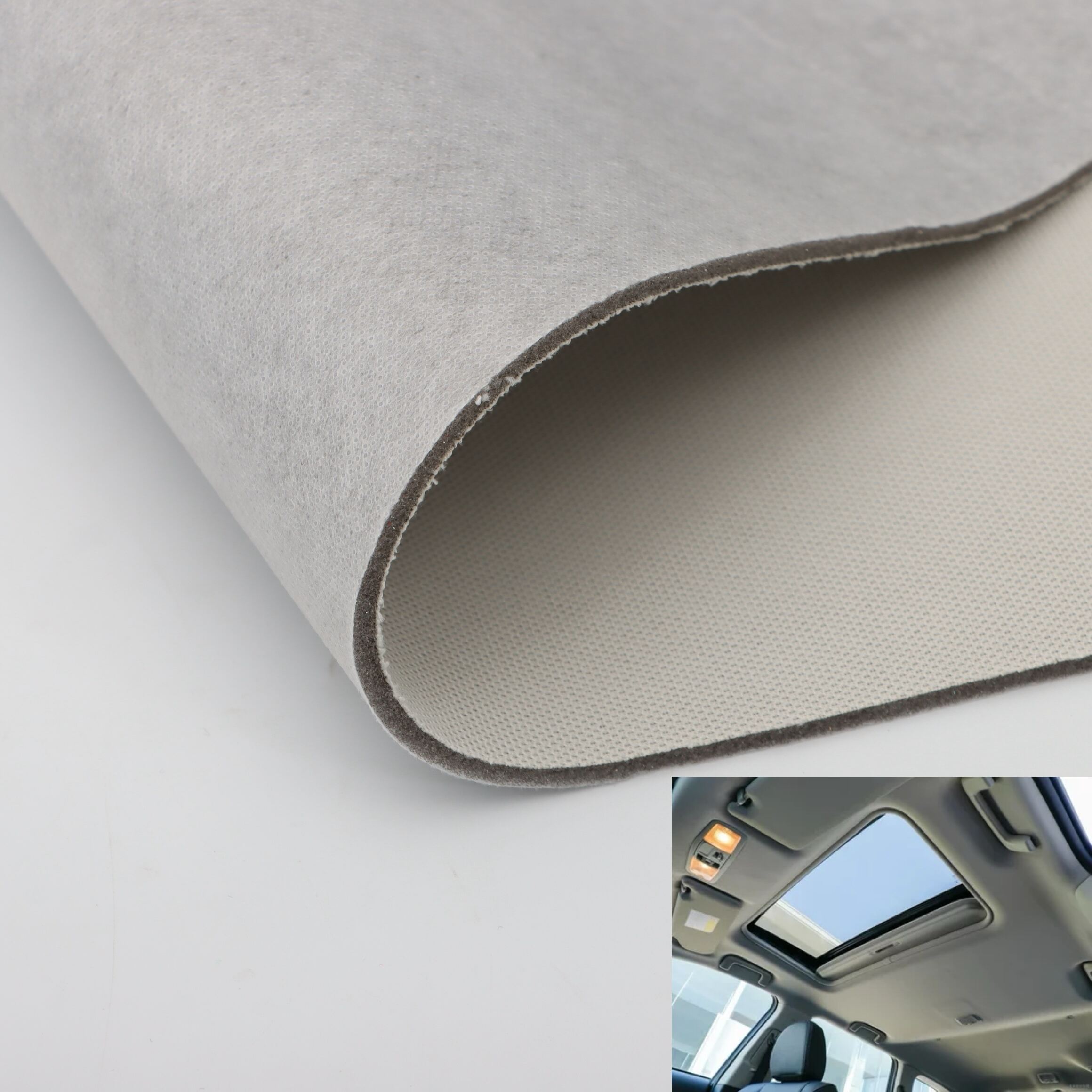
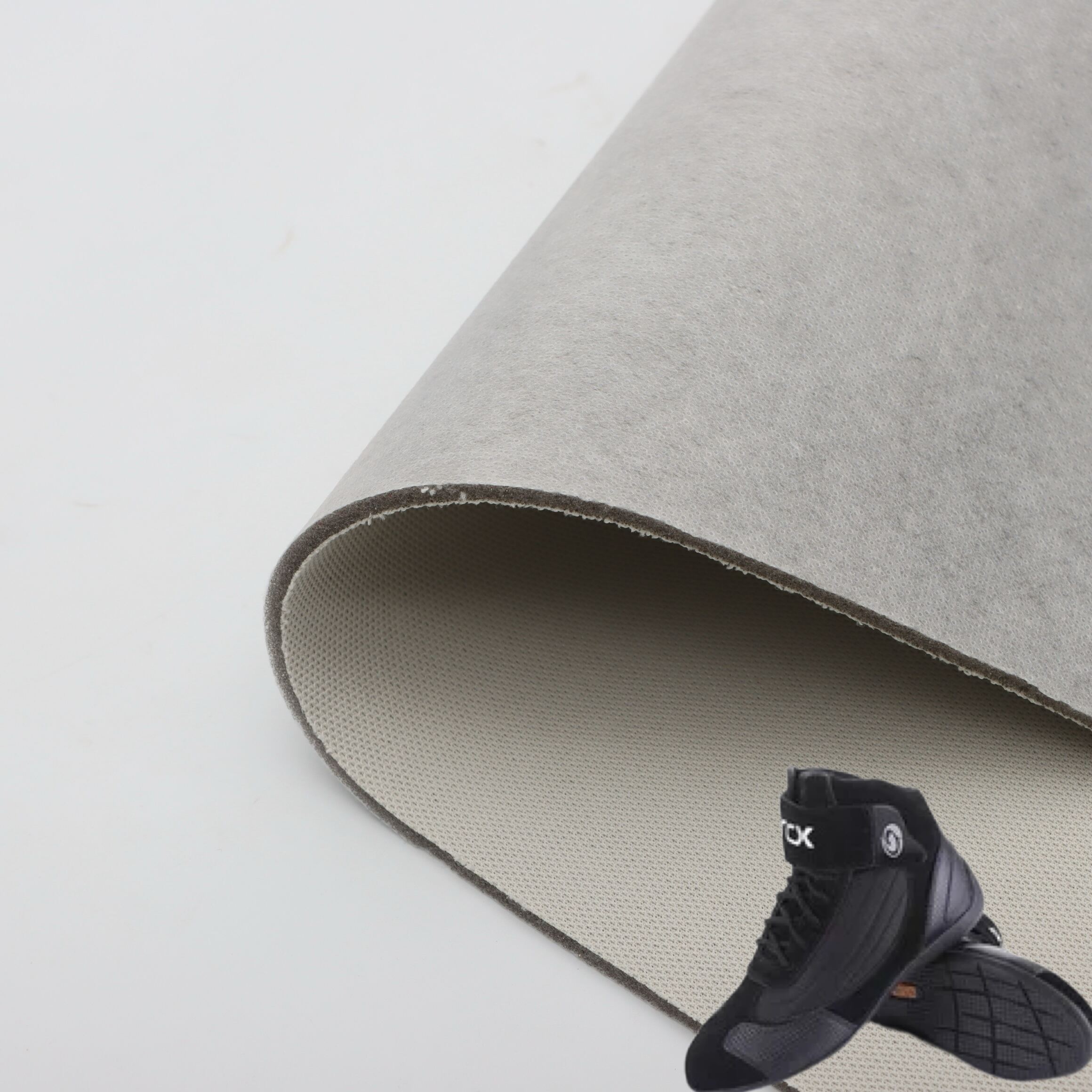
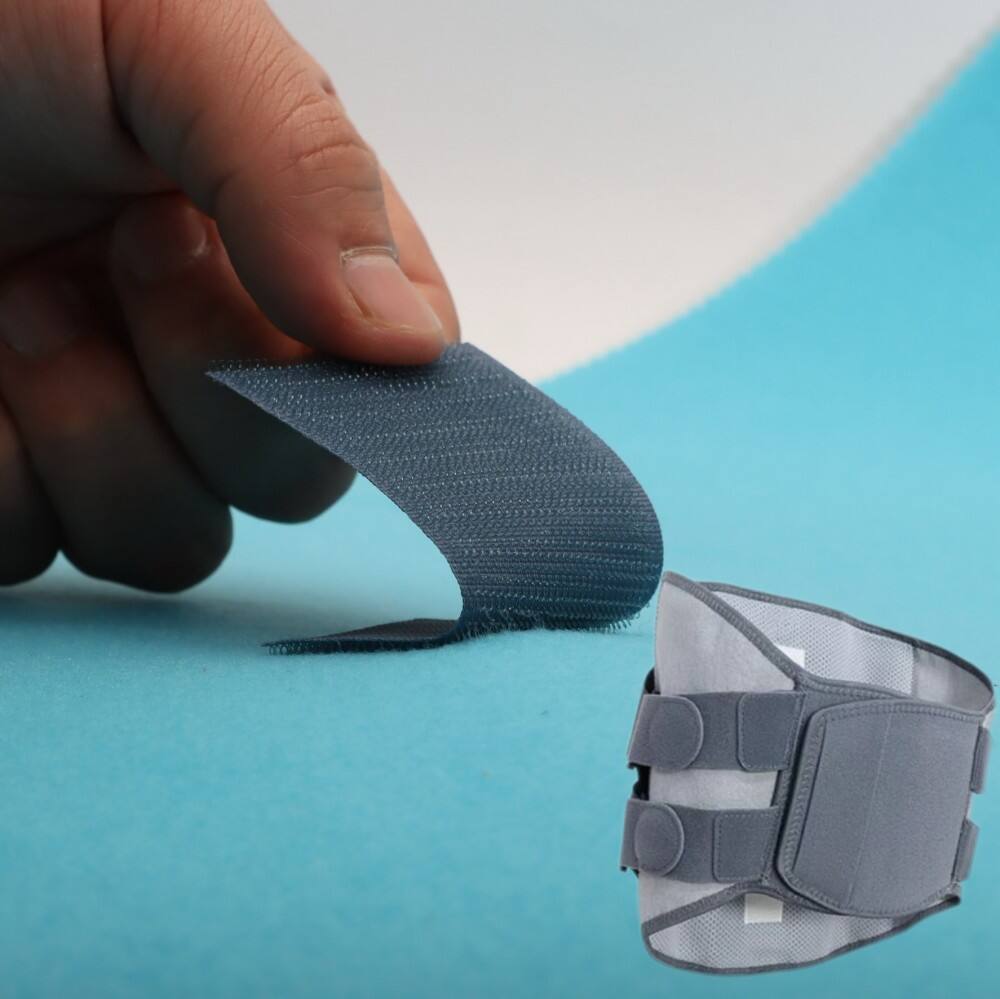
Thermal insulating nonwoven foam fabric represents a cutting-edge material solution that combines advanced textile engineering with thermal management capabilities. This innovative material consists of a specialized foam structure integrated within nonwoven fabric layers, creating a versatile composite that excels in thermal insulation applications. The fabric's unique construction features microscopic air pockets trapped within the foam matrix, effectively reducing heat transfer through conduction and convection. The nonwoven structure provides additional insulation properties while maintaining flexibility and durability. This material employs advanced manufacturing techniques that ensure consistent density distribution and uniform thermal resistance throughout the fabric. The product's layered composition typically includes a durable outer shell, the foam-integrated core, and a comfort-oriented inner layer, each contributing to its overall performance. Applications span across multiple industries, including construction materials, automotive interiors, protective clothing, and industrial insulation solutions. The fabric's ability to maintain stable thermal properties under varying environmental conditions makes it particularly valuable in scenarios requiring reliable temperature control. Its lightweight nature and excellent compression recovery characteristics further enhance its practical utility across diverse applications.


New Product Releases

The thermal insulating nonwoven foam fabric offers numerous compelling advantages that set it apart in the market. First, its exceptional thermal insulation properties provide superior temperature regulation while maintaining a remarkably lightweight profile, making it ideal for applications where weight considerations are crucial. The material's unique foam structure creates an effective barrier against heat transfer, resulting in improved energy efficiency and reduced thermal loss. The fabric's durability is another significant advantage, as it maintains its insulating properties even after prolonged use and repeated compression cycles. The material's flexibility allows for easy installation and adaptation to various surface geometries, making it versatile across different applications. Its moisture-resistant properties help prevent degradation of insulating performance in humid conditions, while the breathable structure promotes proper air circulation. The fabric's fire-resistant characteristics enhance safety in many applications, meeting stringent industry standards. Cost-effectiveness is achieved through reduced material usage compared to traditional insulation solutions, while maintaining equivalent or superior performance. The manufacturing process allows for customization of thickness and density, enabling tailored solutions for specific requirements. Environmental benefits include reduced energy consumption in end-use applications and the potential for incorporating recycled materials in production. The fabric's noise-dampening properties provide additional value in applications where sound insulation is beneficial. Its clean, dust-free nature makes it suitable for sensitive environments and reduces maintenance requirements. The material's stability across varying temperatures ensures consistent performance in different climate conditions.

Practical Tips

Why Is Fabric Foam Composite Ideal for Orthopedic Braces and Wraps?

25

Aug

Why Is Fabric Foam Composite Ideal for Orthopedic Braces and Wraps?

Why Is Fabric Foam Composite Ideal for Orthopedic Braces and Wraps Orthopedic supports such as braces, wraps, and protective gear have become increasingly important for both medical recovery and preventive care. At the center of many of these devices...
View More
 How to Choose Laminated Foam Fabric for Comfortable Medical Applications

23

Sep

How to Choose Laminated Foam Fabric for Comfortable Medical Applications

Understanding Laminated Foam Fabric in Modern Healthcare The medical industry continuously evolves with innovative materials that enhance patient comfort and treatment efficacy. Laminated foam fabric stands at the forefront of these advancements, com...
View More
What Is Mesh Foam Fabric and Where Is It Used

20

Oct

What Is Mesh Foam Fabric and Where Is It Used

Understanding the Revolutionary Material Transforming Modern Textiles Mesh foam fabric represents a groundbreaking innovation in textile engineering that combines the breathability of mesh with the cushioning properties of foam. This unique material ...
View More
Why Is Laminated Foam Fabric Ideal for Medical Braces and Supports

05

Nov

Why Is Laminated Foam Fabric Ideal for Medical Braces and Supports

Understanding the Evolution of Medical Support Materials The healthcare industry has witnessed remarkable advancements in materials science, particularly in the development of specialized fabrics for medical applications. Among these innovations, lam...
View More

Get a Free Quote

Our representative will contact you soon.
Email
Name
Company Name
WhatsApp/Mobile
Products
Please select your interested products
Message
0/1000

thermal insulating nonwoven foam fabric

Superior Thermal Performance and Energy Efficiency

Superior Thermal Performance and Energy Efficiency

The thermal insulating nonwoven foam fabric exhibits exceptional thermal performance through its innovative multilayer structure. The engineered foam core creates countless microscopic air pockets that effectively trap air, minimizing heat transfer through both conduction and convection mechanisms. This results in superior R-value ratings compared to traditional insulation materials of similar thickness. The fabric's thermal efficiency remains consistent across a wide temperature range, making it reliable in various environmental conditions. The material's ability to maintain stable thermal properties translates directly into energy savings for end users, whether in building applications or industrial processes. The unique composition allows for optimal thermal resistance while maintaining a minimal thickness, maximizing usable space in installation areas. This efficiency is particularly valuable in applications where space constraints are a consideration, such as in automotive or aerospace applications.
Versatile Application and Installation Benefits

Versatile Application and Installation Benefits

The remarkable versatility of thermal insulating nonwoven foam fabric makes it an ideal choice across diverse applications. Its flexible nature allows for easy handling and installation, conforming to irregular surfaces and complex geometries without compromising insulation properties. The material can be easily cut, shaped, and fitted to specific requirements without special tools or equipment, reducing installation time and labor costs. Its lightweight characteristics facilitate transportation and handling while maintaining structural integrity during installation. The fabric's ability to recover from compression enables it to maintain performance even in tight spaces or when subjected to variable pressure conditions. The material's compatibility with various adhesives and mounting systems provides multiple installation options, adapting to different project requirements. Its clean installation process, generating minimal dust or debris, makes it particularly suitable for sensitive environments or retrofit applications.
Durability and Long-term Cost Benefits

Durability and Long-term Cost Benefits

The exceptional durability of thermal insulating nonwoven foam fabric ensures long-lasting performance and value. The material's resistance to degradation under normal operating conditions contributes to an extended service life, reducing replacement frequency and associated costs. Its stable chemical composition prevents breakdown or deterioration when exposed to common environmental factors, maintaining consistent insulation properties over time. The fabric's resistance to moisture and humidity prevents the growth of mold and mildew, protecting both the material's integrity and the surrounding environment. Its ability to withstand repeated compression and expansion cycles without losing insulative properties makes it ideal for applications involving regular maintenance or adjustment. The material's dimensional stability ensures it maintains its shape and thickness over time, preventing settling or sagging that could compromise its insulation effectiveness. These durability characteristics translate into reduced maintenance requirements and lower total ownership costs over the product's lifecycle.

Get a Free Quote

Our representative will contact you soon.
Email
Name
Company Name
WhatsApp/Mobile
Products
Please select your interested products
Message
0/1000